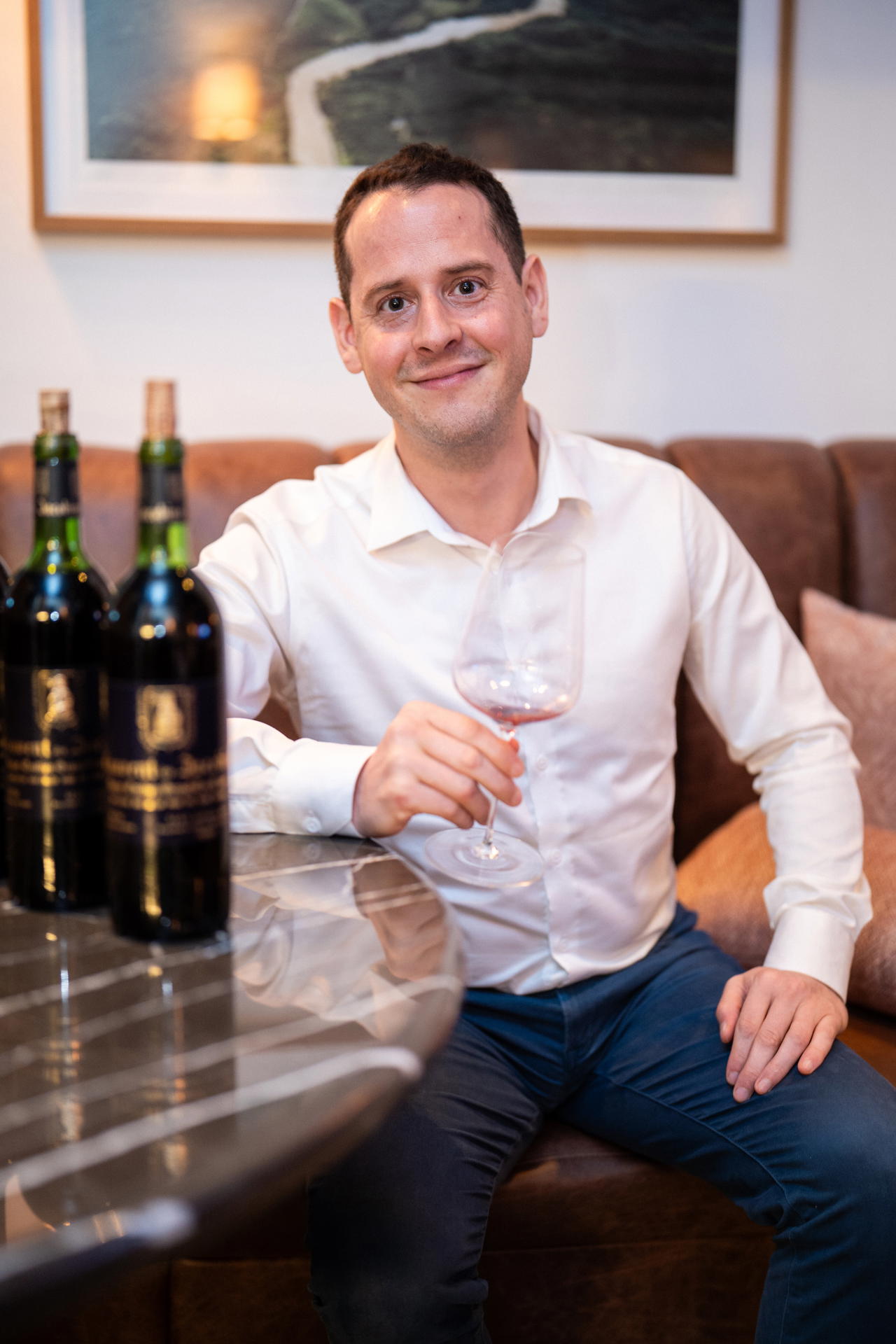
Among my friends working in their family businesses, I have an affinity for those in the wine trade. I recently attended the 1970s back-vintages Couvent des Jacobins wine dinner hosted by Xavier Jean, the fourth-generation owner of this historic Saint-Émilion winery.
I left at midnight, my belly bursting from the indulgent courses and generous pours of wine. After I quietly closed the Secret Wine Room door, I saw Jean’s smile light up the dim room while he patiently answered questions from the other attendees who stayed behind.
He was back at his desk in the Central Business District by 9am the next day. This is the norm for Jean, who represents his family’s wines in Asia while managing a full-time job in finance.
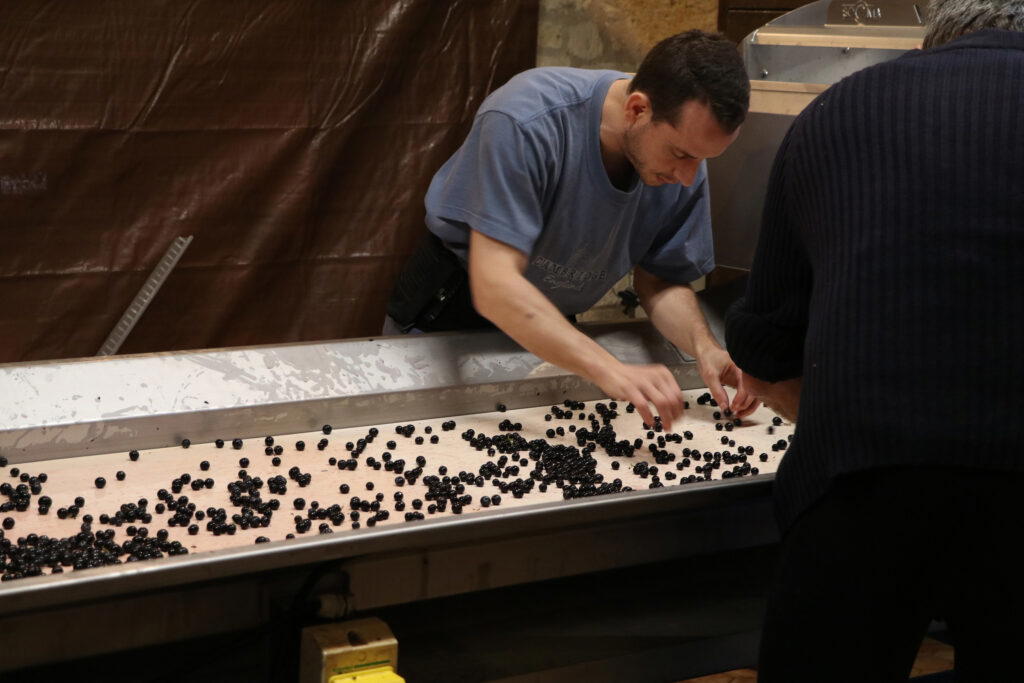
It’s easy to fall in love with the idea of winemaking. Mainstream media paints a glamorous picture about owning a winery. The pictures, too, are enticing. Treasury Wines Estate, for instance, recently grabbed the headlines after buying DAOU Vineyards in a billion-dollar transaction.
Investing in a family-owned boutique winery, however, is not a small investment. Often, only those in the trade have the tough conversations around the exorbitant upfront capital expenditures, not to mention the emotional and physical toll that the winery incurs. Money, while crucial in any kind of business, is not what sustains families in this particular industry.
Winemaking requires a physical location, which means either buying a winery or building one from scratch. In Europe, vineyards can cost between 10,000 euros (S$14,500) and 100,000 euros per hectare. Creating a boutique winery will cost over two million euros!
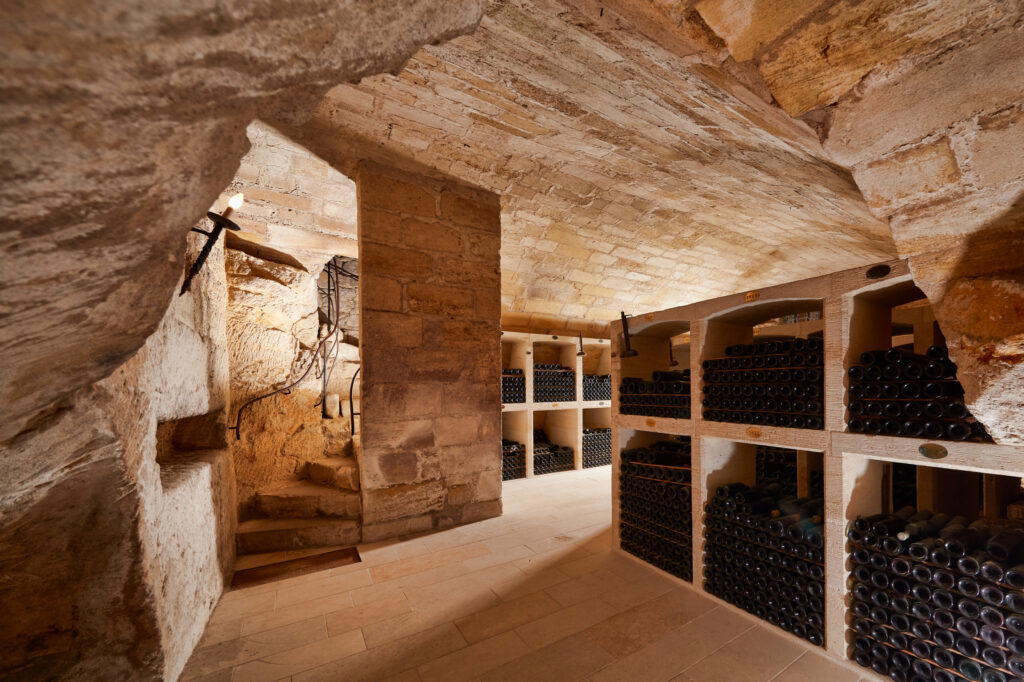
Next is investing in producing wine for your first vintage. To make a bottle of wine, the cost of the grapes ranges from three to 50 euros. There are also glass bottles, corks, labels, and packaging materials to buy, all of which start from five euros per bottle.
The cost of running a business cannot be ignored either. To maintain the vineyard and make wine, a boutique winery needs at least five full-time employees. Overhead expenses include cellar and equipment costs, as well as water. It is possible to spend as much as 500,000 euros a year on these expenses.
Afterwards, if the winery has any leftover, it will go towards hiring a commercial team for sales, marketing, and public relations. In many cases, family members fill these roles.
Then it is common for mid-market to premium wines to undergo a few years of ageing before being released to the market. In other words, for at least the first three years, wineries may not generate any revenue from their wines.
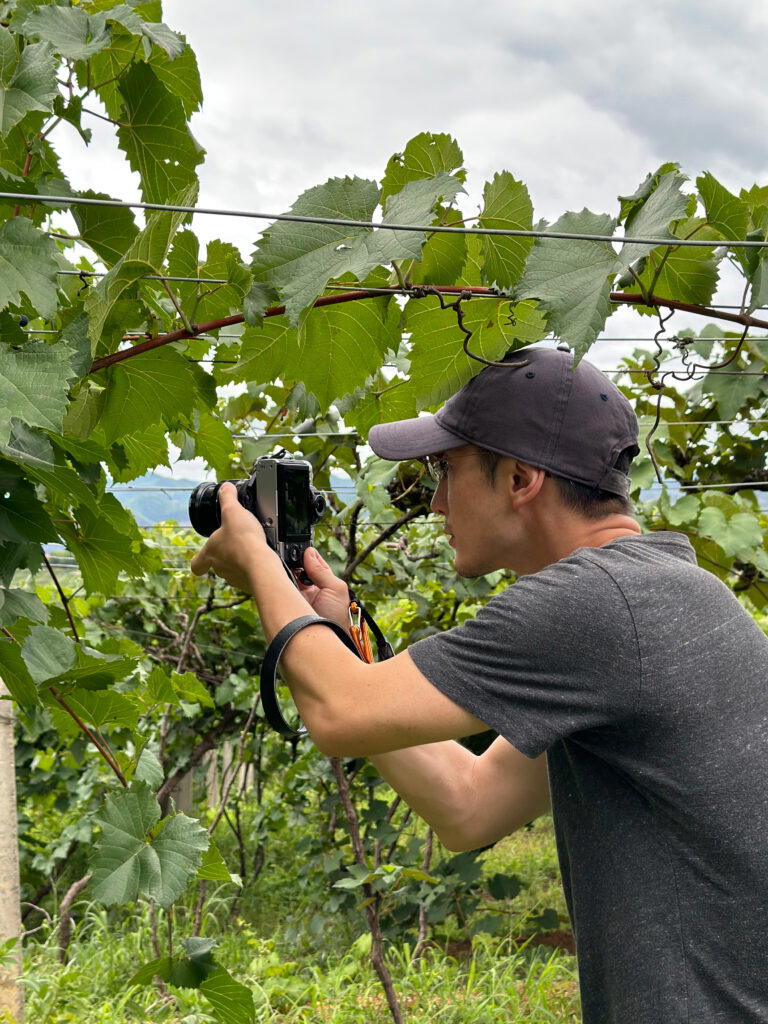
It is an investment tied to thousands of unsold bottles and a winery can only hope and pray the wines will be released when they are ready. Who is going to buy these wines? Are they going to be popular with customers? It’s anyone’s guess until they sell the first bottle.
Considering the uphill task of maintaining a winery, joining a family business is more than just romanticism. Jean grew up in his family’s vineyards. “Seeing all that activity at Couvent, with dozens of people picking grapes and having fun, working hard but in a great, buzzy atmosphere was fun,” he recalls fondly. “I was fascinated by how the work and effort going into the growing cycle culminated in those three incredibly important harvesting weeks.”
Continuing this family legacy keeps Jean going. “Long-term, years and decades of hard work end up shaping something that outlives you. It’s for that reason that I do it.”
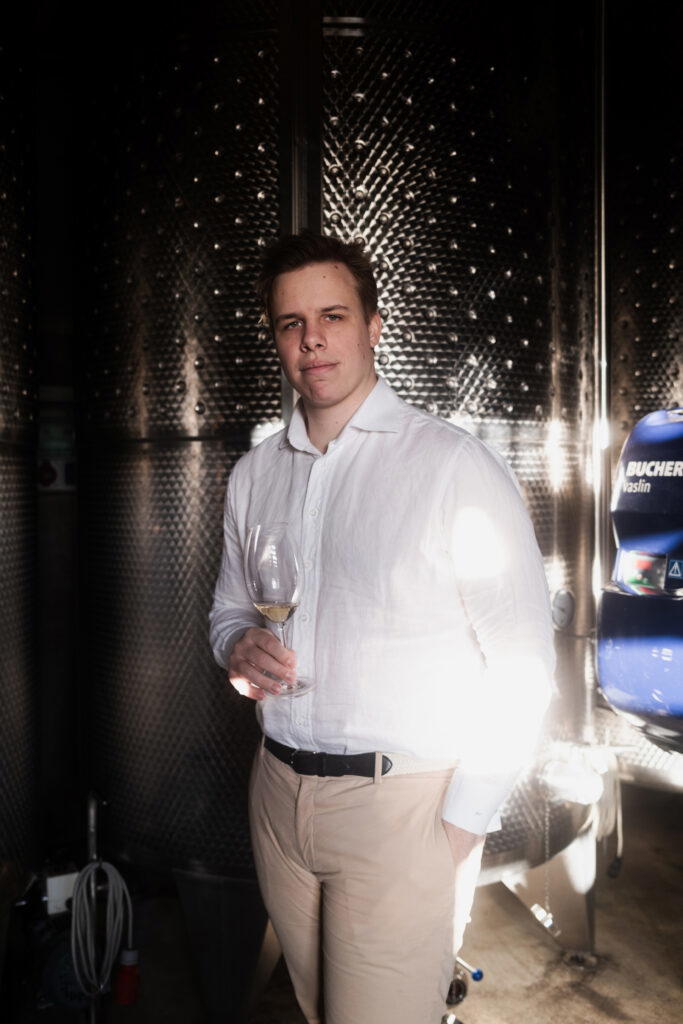
In some cases, it goes beyond familial duty. While based in Singapore, Márk Váradi agreed to manage Juliet Victor Vineyards in Tokaj, Hungary. “This role is an opportunity for me to create value for my family,” says Váradi. “I’m driven by my father’s vision, and I want to steer the winery to the right path so it can live through generations.” He also works full-time for his family’s investment company.
Giving back to their local communities motivates others like Wynn Wu, who has familial ties to Yunnan in southwest China through his family’s Yunnan Red Wine and Spirits.
Besides running a successful gaming company, he regularly conducts masterclasses in Hong Kong for the winery. “We were and still are pivotal to increasing the standard of living for the region,” he says of his family’s commitment to the local community in Mile City, Yunnan.
While Jean, Váradi, and Wu were born into their roles, they decided to steward their wineries themselves and are proud of it. Passion can grow on the vines, too.