
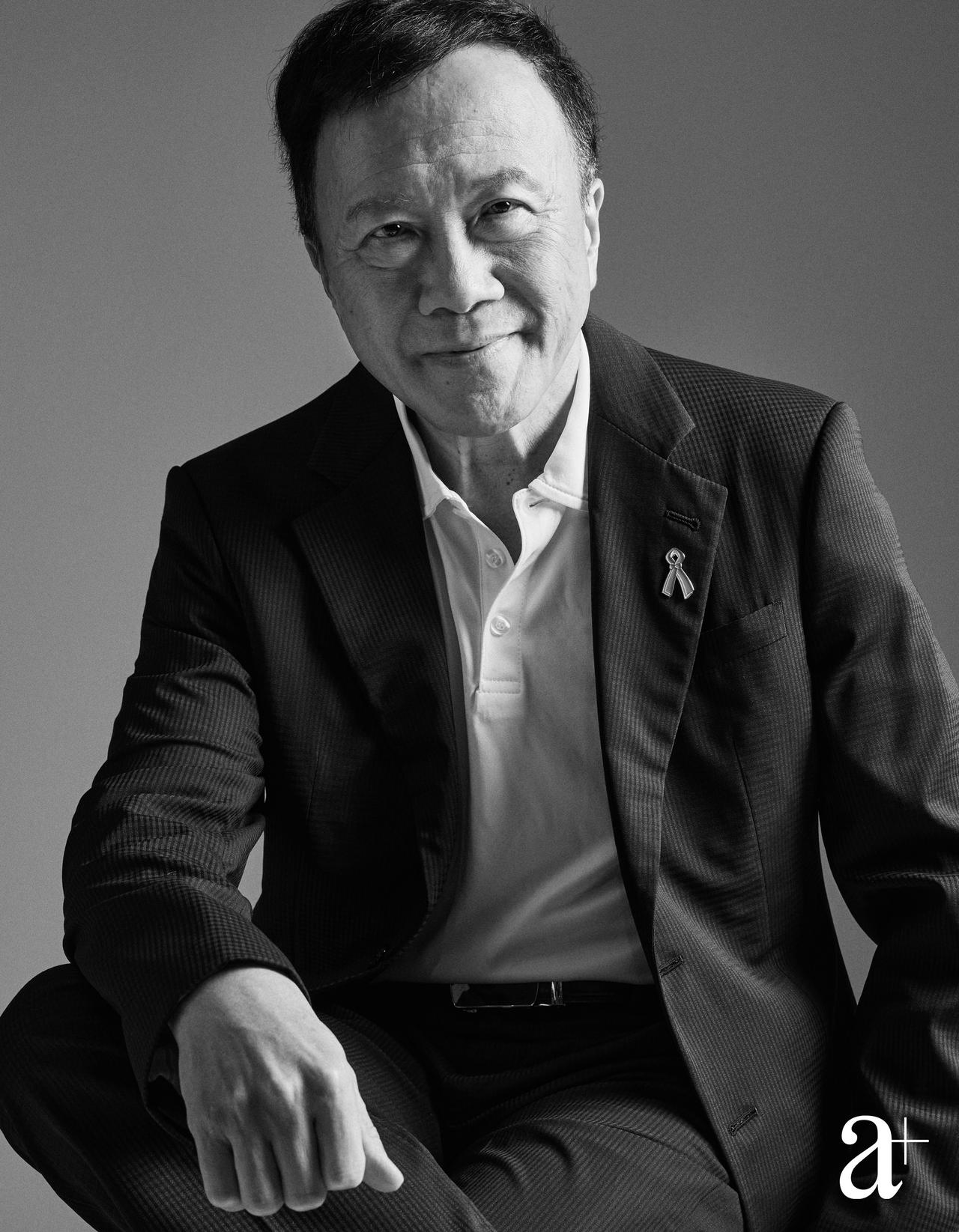
Global attitudes towards drugs have softened. Still, Singapore must continue to advocate against drugs to avoid repeating the devastation caused by the 1970s heroin epidemic, says Dr Chew Tuan Chiong. The Vice-Chairman of the National Council Against Drug Abuse (NCADA) notes that a resurgence today would exact a heavy toll given our dense population and position as a major transport hub.
Prior to his retirement, he was CEO of Frasers Centrepoint Trust and Singapore Science Centre, an adjunct professor at the SMU Lee Kong Chian Business School, and an associate professor in Engineering at NUS.
Apart from serving as NCADA’s Vice-Chairman, a position he assumed in 2012, Chew has also sat on the boards of the National Heritage Board, Yellow Ribbon Fund, and Goh Foundation. Those experiences reframed the way in which he views worldly intricacies, he explains.
“In my career, I believed deeply in the importance of science and logic, and in helping the next generation make informed choices. But it was in serving non-profits that I came to appreciate the softer side of human frailty and stark realities of modern society.”
Among other programmes, NCADA manages the DrugFreeSG Fund, which facilitates partnerships and supports community-led initiatives. Additionally, it administers the National Drug Perception Survey, which tracks how Singaporeans perceive drugs and their risks.
The results of its most recent survey conducted in 2023 were both reassuring and concerning, Chew lets on. While nine in 10 of the youths surveyed felt that drugs should remain illegal in Singapore, only about four in five said the same about cannabis. Twenty-four percent of respondents were either ambivalent or found drug use acceptable if it did not harm others.
With pro-drug narratives on the rise around the world, one of NCADA’s biggest challenges lies in keeping pace with changing attitudes towards drugs among young people. To stay ahead, the citizen advisory council regularly conducts sentiment studies to refine its campaigns and interventions. “We increasingly tap on social media and peer influences as we recognise that young people are more likely to be persuaded by the voices they relate to.”
Another major hurdle lies in addressing the emotional and social vulnerabilities that make youths more susceptible to drugs. To counter the effects of common factors such as stress, peer pressure, and family conflict, NCADA implements early intervention through community touchpoints in partnership with other organisations like Architects of Life, a non-profit that supports ex-offenders’ transition from incarceration to active members of society. Recent sessions had support from the National Youth Council and were held at Ngee Ann Polytechnic and the Centre for Fathering.
Since prevention cannot rest on policies and laws alone, everyone from parents and educators to community leaders and youths have a part to play in keeping abreast of the changing nature of drug abuse. That said, parents play a particularly crucial role in deterring experimentation through candid conversations.
“Research consistently shows that youths are more receptive to parental guidance when it is grounded in trust and open communication. The stakes are high as studies show that one in five children of drug offenders go on to commit crimes.”
Dr Chew Tuan Chiong on parental influence
Parents should initiate these conversations once their children enter primary school, before external influences take hold, Chew adds. After all, taking responsibility includes recognising the weight of one’s influence.
“Ultimately, every parent can make a difference by being present consistently, listening actively, and creating safe spaces where children feel able to share their concerns without fear of judgment.”
Photography Mun Kong
Art direction Ed Harland
Hair Yue Qi using GHD
Makeup Shu Zhen using Bobbi Brown, Charlotte Tilbury & Patrick Ta
Photography assistant Hizuan Zailani