
Stepping into a Boucheron boutique, you might have heard birdsong—not a generic soundtrack, but sounds recorded from Hélène Poulit-Duquesne’s garden. It wasn’t a marketing ploy. Boucheron’s CEO values nature as more than just a passing inspiration. Deeply attuned to the subtleties of the natural world, her reverence shines through every facet of Boucheron’s identity.
Take florals, for example. “The table arrangement at lunch? That’s typical of our bouquets,” she says. Neither orchids nor oversized roses are acceptable. Instead, wildflowers, ferns, and ivy from forests, fields, and hedgerows are used in this arrangement. The effect is natural rather than contrived. This approach is woven into Boucheron’s essence, evident in everything from the styling of its boutiques to the jewellery from its Place Vendôme workshop.
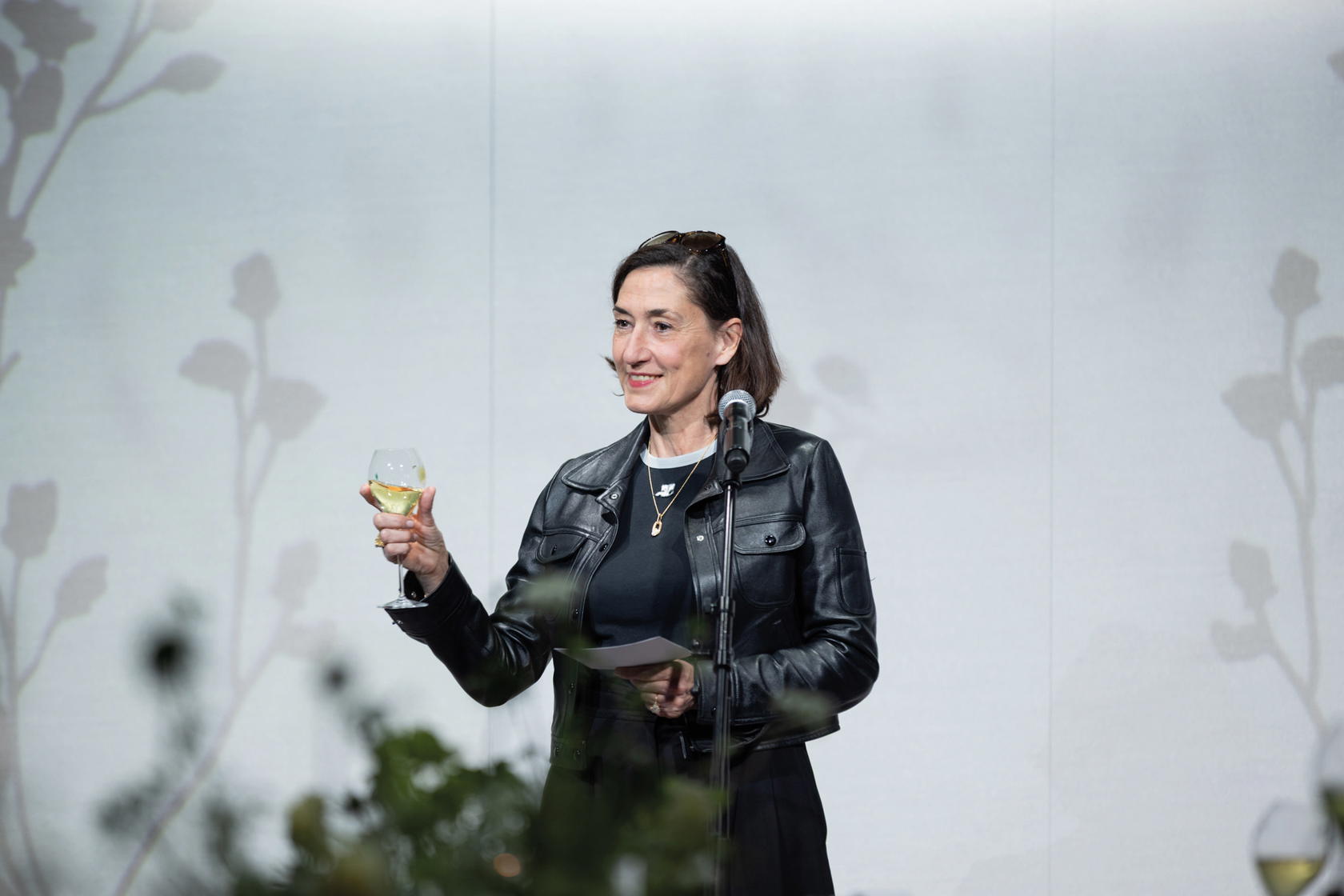
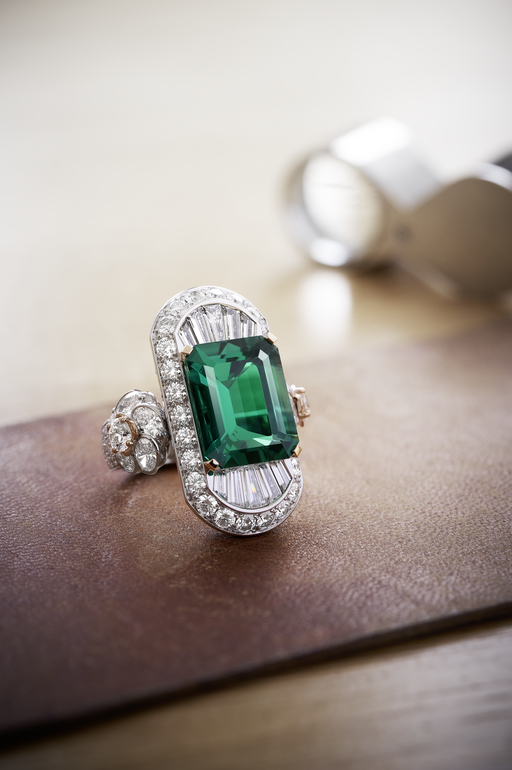
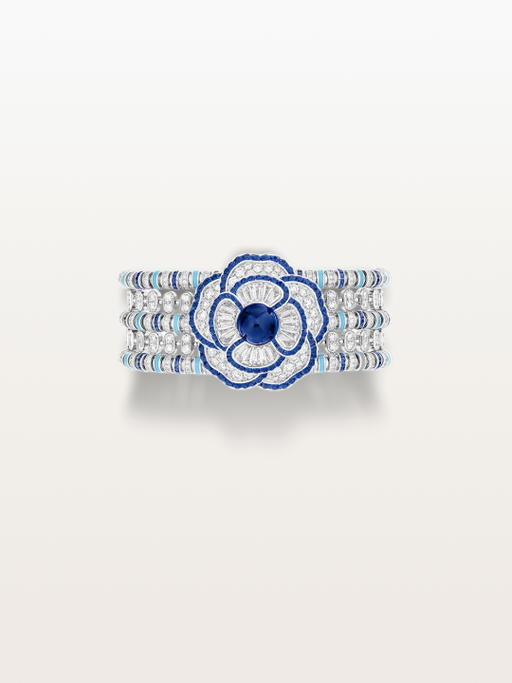
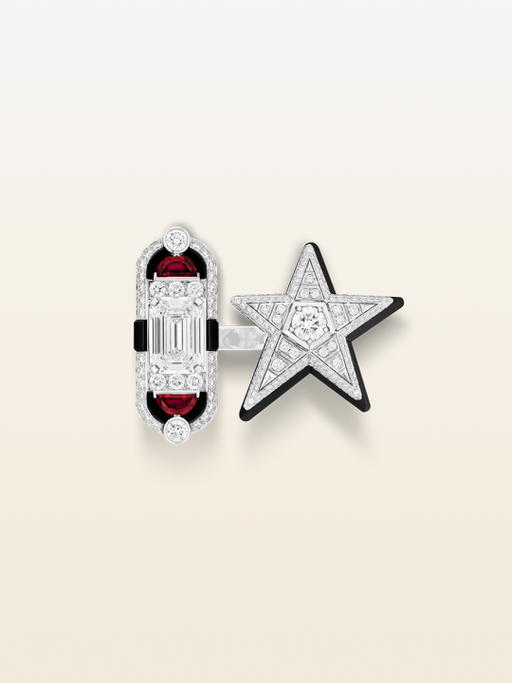
We meet Poulit-Duquesne in Tokyo during Boucheron’s Histoire de Style: Untamed Nature presentation, a high jewellery collection that debuted in Paris earlier this year. Twenty-eight pieces offer a fresh take on founder Frédéric Boucheron’s vision of nature.
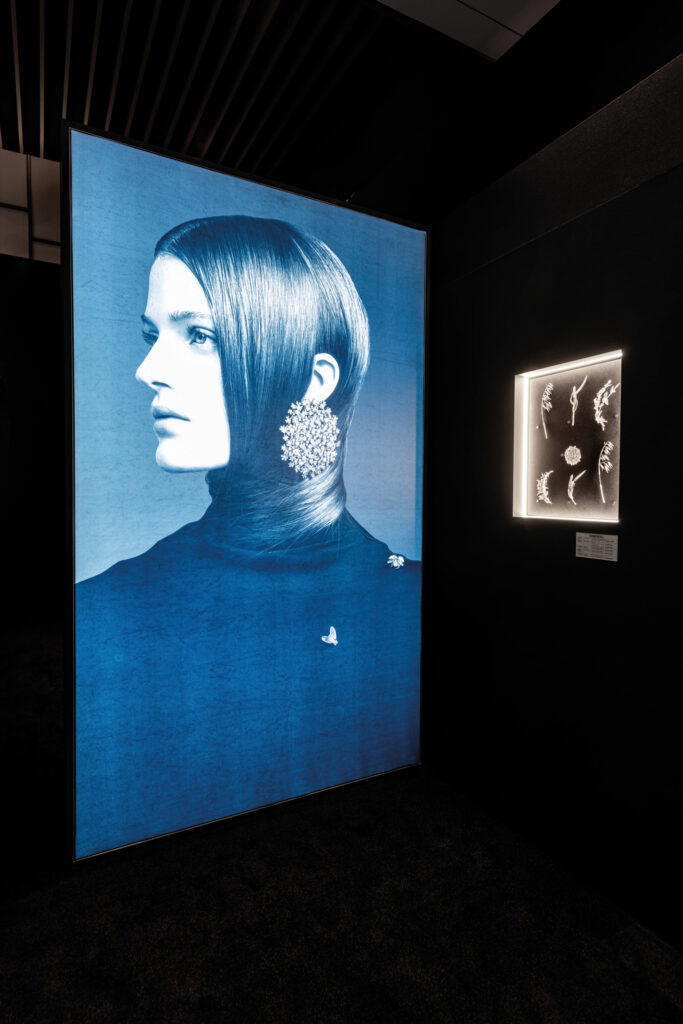
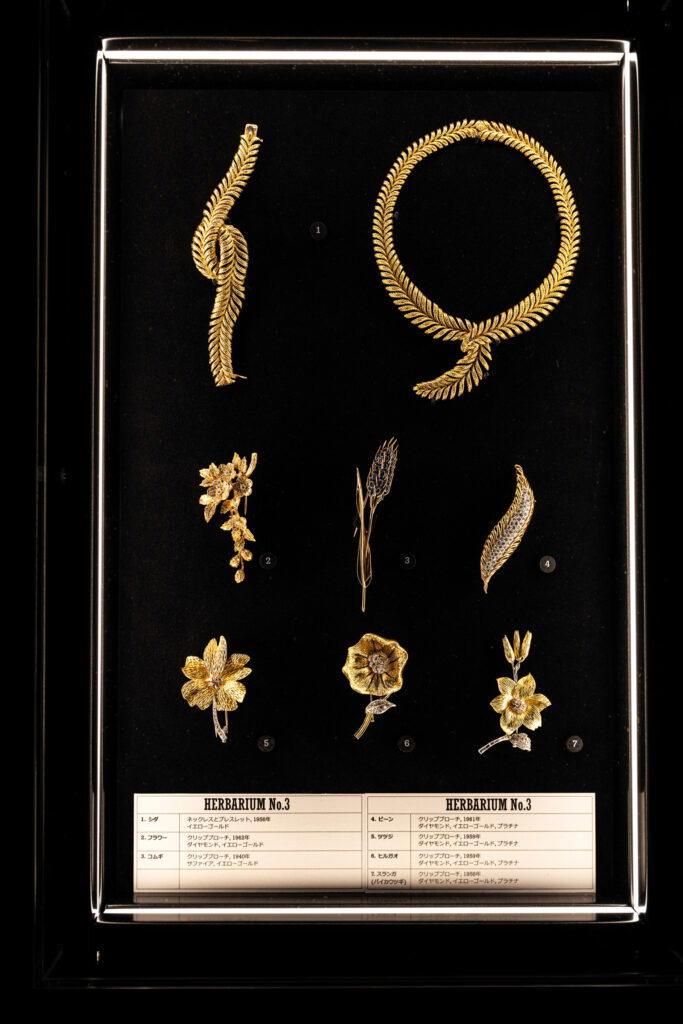
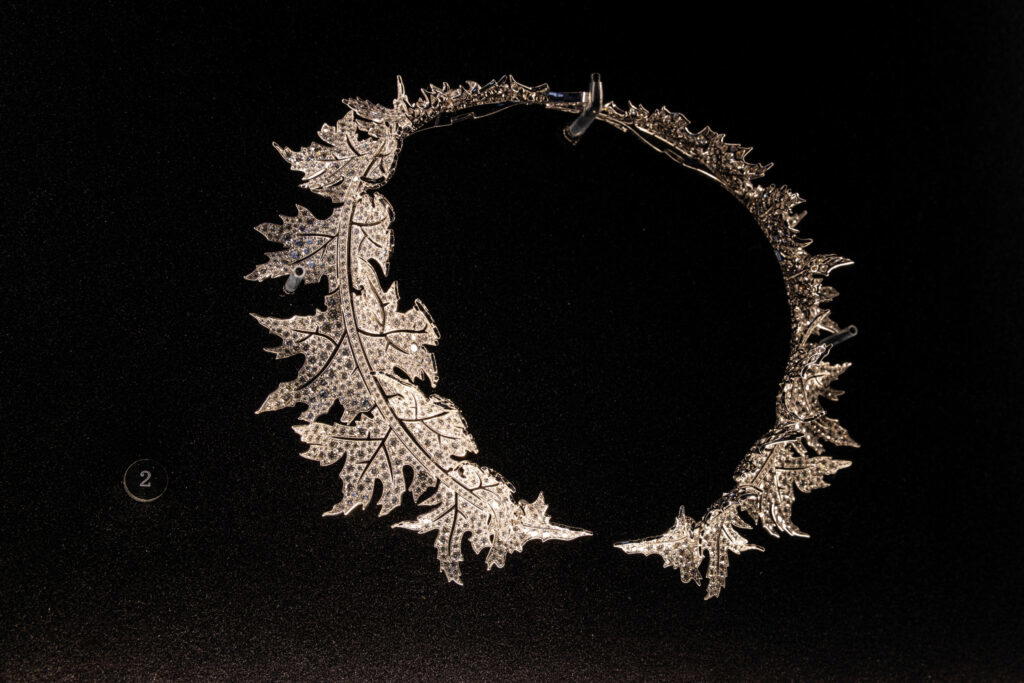
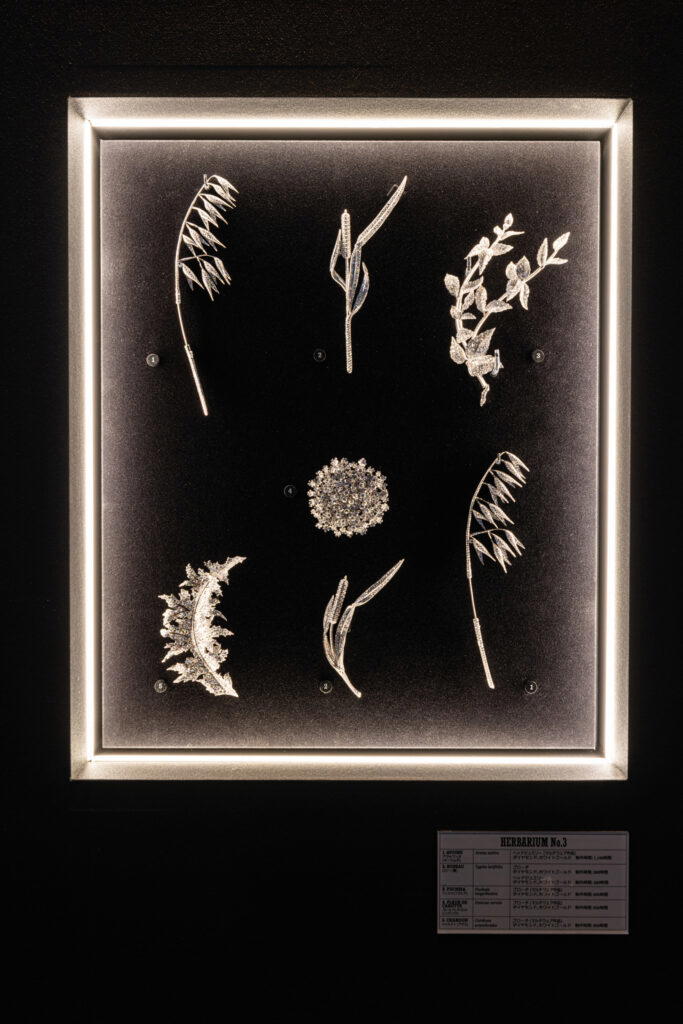
At the entrance to the exhibition, a dimly lit room features a rare treasure trove—original 19th-century creations by Frédéric Boucheron. Displayed under glass and bathed in shadow and spotlight, these original creations are intimate studies in natural beauty: clovers, daisies, wild roses, and thistles, flanked by butterflies, beetles, and dragonflies. Some are cast in silver, others in gold; some are engraved with intricate textures, while others gleam with vibrant enamel hues that have withstood the test of time.
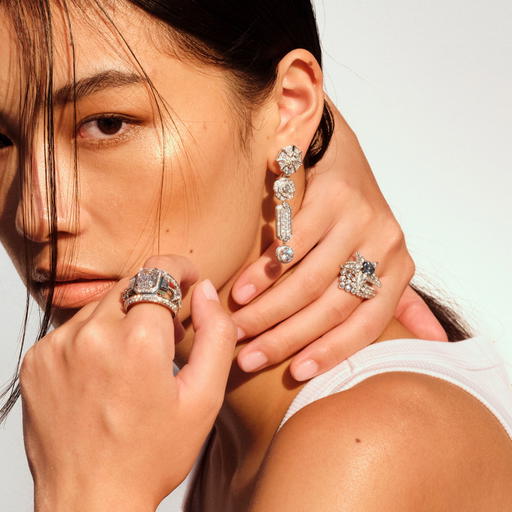
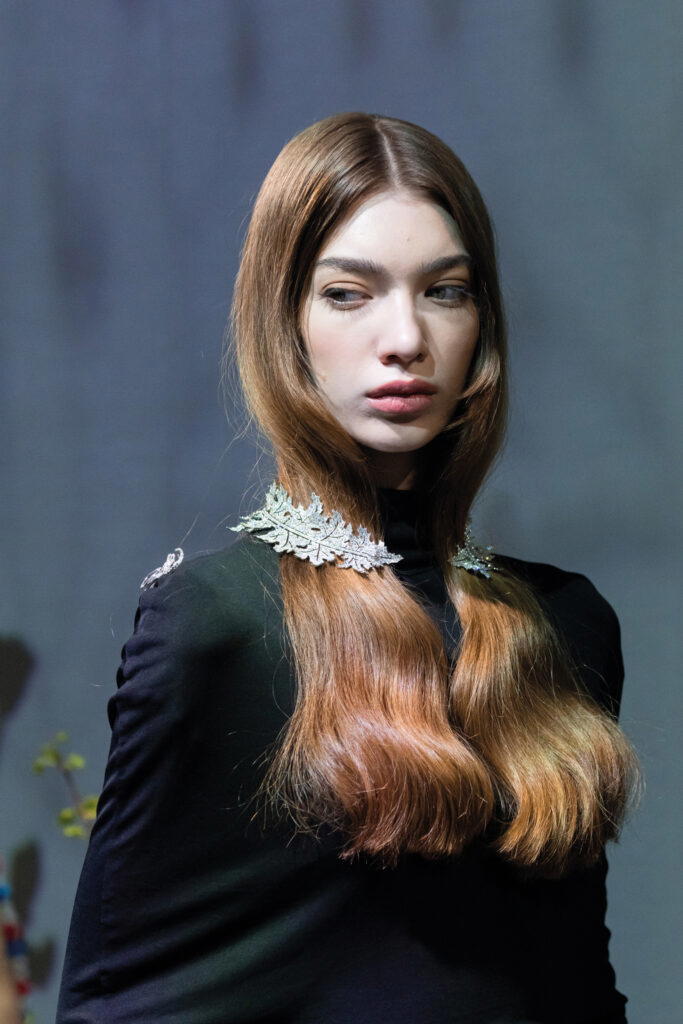
This spirit carries through to the present. In the next room, Boucheron’s Creative Director Claire Choisne’s Histoire de Style: Untamed Nature unfolds. With this collection, ears of diamond-set wheat are tucked into hair, and gold and diamond lingonberry tendrils cascade dramatically from shoulder to back. Most of the creations are designed for playful wear, showcasing a wild yet precisely crafted aesthetic.
Take the Fleur de carotte brooch, a creation influenced by the humble carrot that blooms into delicate white umbels when it is left underground for a second year. Choisne elevates this everyday vegetable into a voluminous jewel layered with diamonds set using three distinct techniques. Each element is cut, angled, and placed to catch light like how petals catch the sun’s rays.
There’s also the Chardon necklace and brooch based on an archived 1878 design inspired by a thistle. With computer-aided design, Boucheron’s artisans accurately capture the thistle’s contours while ensuring surprisingly comfortable wear. On the back, flame-shaped openwork lightens the structure and amplifies the brilliance of the diamonds, which appear in a mix of cuts and settings. The result is technically complex, visually arresting, and uniquely Boucheron.
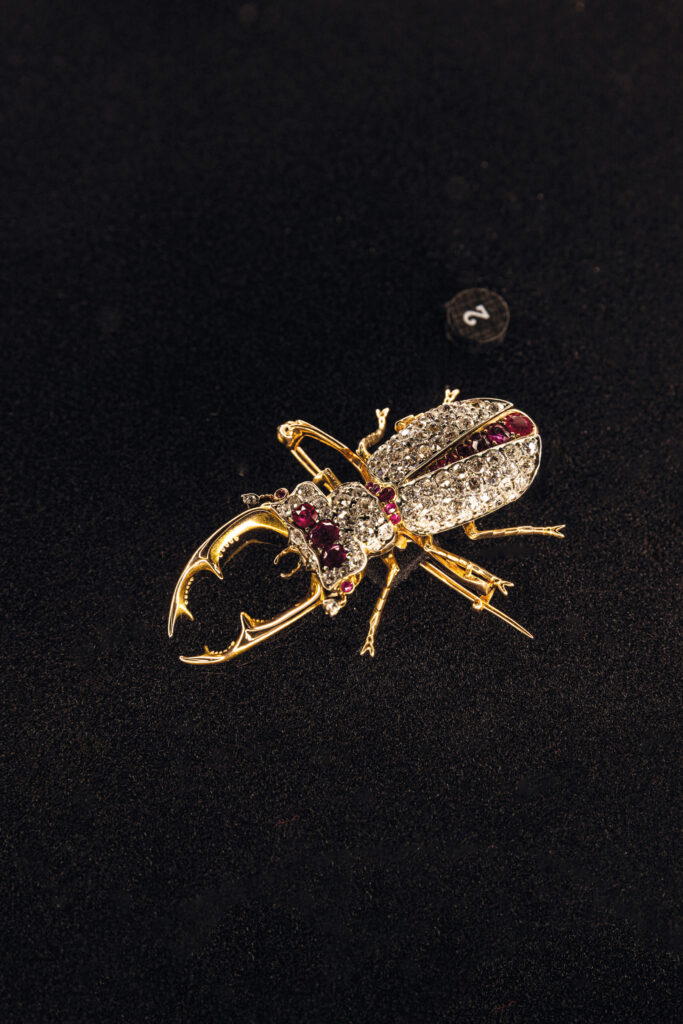
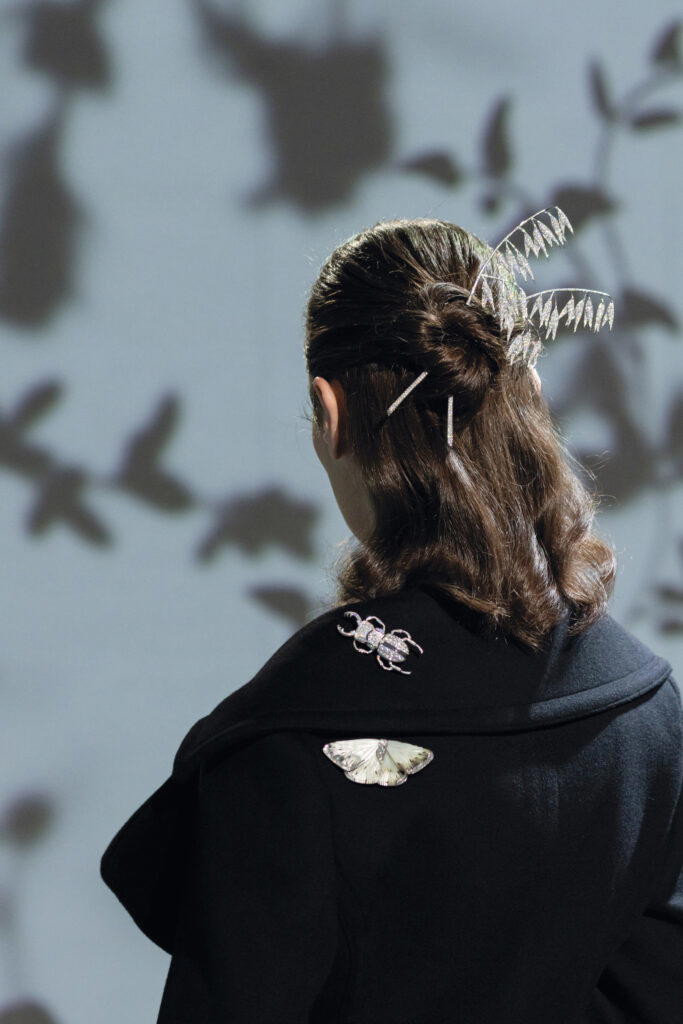
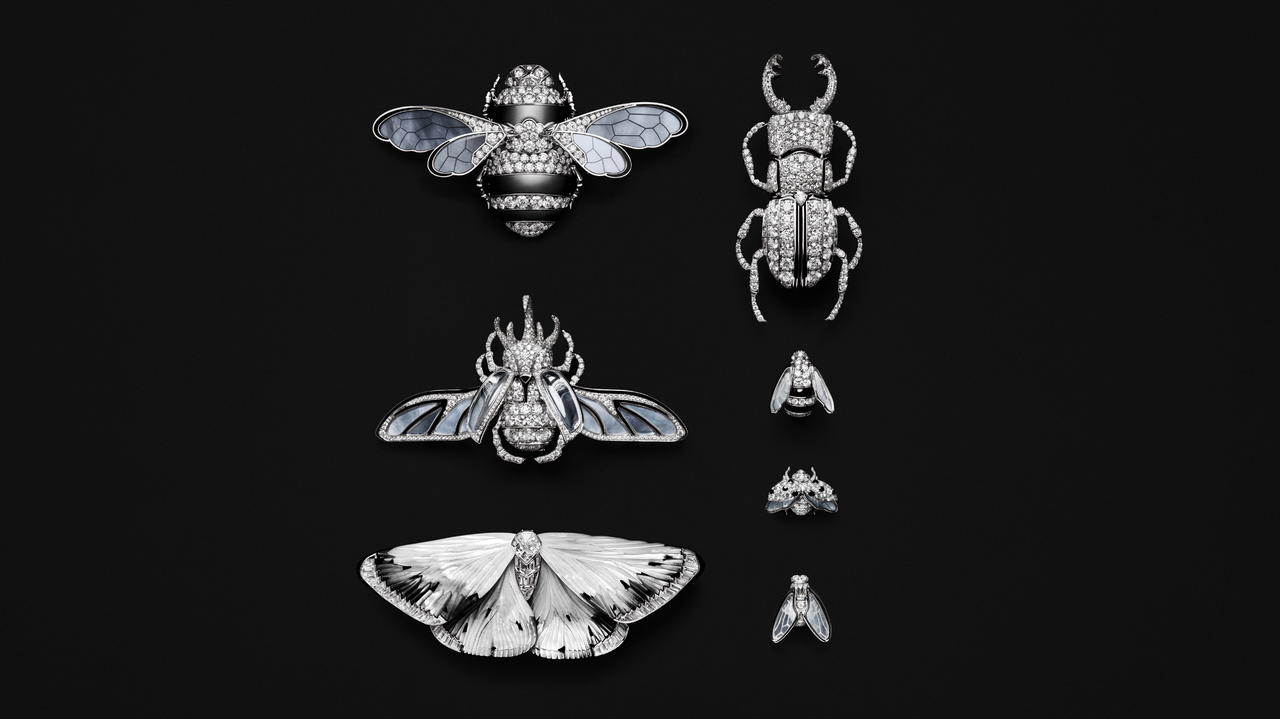
Then come the bugs. The Scarabée Rhinoceros ring captures a beetle mid-flight, wings outstretched as if seconds from landing. However, this isn’t just a piece of ornamentation; it incorporates a hidden mechanism that allows it to transform from a brooch into a two-finger ring with a flick. The veined wings, crafted from rock crystal and lacquered metal, tremble delicately.
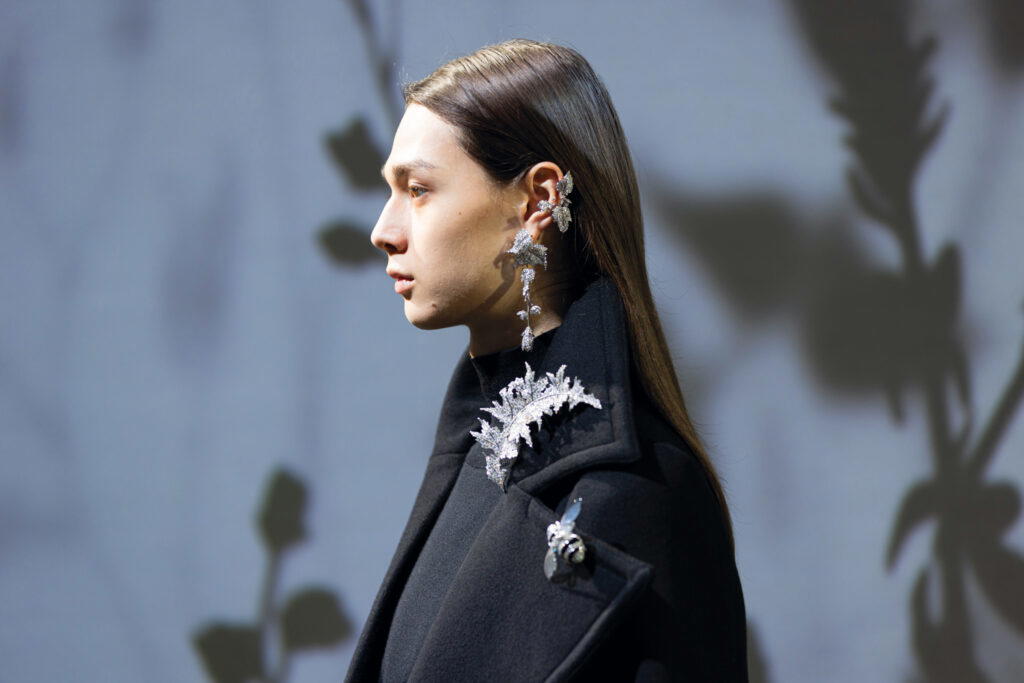
Nearby, a trio of jewelled insects—a bee, ladybug, and fly—hover across the ear, hair, and lapel. Anchored by hidden spiral stems, their crystal and-mother-of-pearl wings shimmer with iridescence, while laser-etched veins add a sense of realism.
This is Boucheron’s enduring charm. While others chase grand blooms and dazzling spectacles, it focuses on the quiet and overlooked—a subtle yet radical act. As much as it elevates the unexpected, it redefines luxury.
At a time when high jewellery often adheres to tradition, Boucheron puts creativity first. Materials of all kinds, whether humble or industrial, are accepted if they serve the design. Through the years, the company has embraced a variety of unexpected materials, treating each one with the same reverence usually accorded to diamonds and precious metals.
They include practical options such as rattan, wood, marble, and stone as well as the more unusual, including meteorites, Cofalit (an industrial waste product), and aerogel—a substance consisting of 99.8 percent air, which Nasa developed to capture stardust. “We want to innovate, but not just for the sake of it. I’m always saying that we aren’t a tech company,” says Poulit-Duquesne. “Our innovation always serves a dream and emotion.”
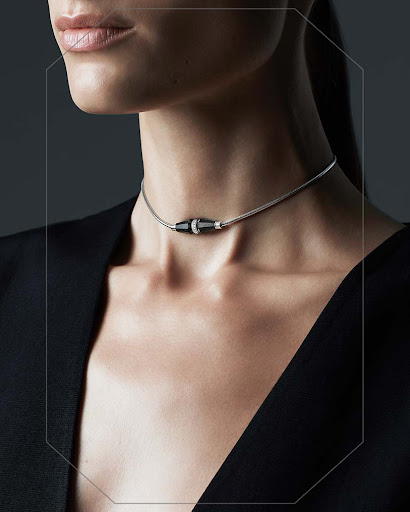
This ethos extends to magnesium, a metal lighter than titanium and used in Boucheron’s most sculptural, gravity-defying pieces. “We don’t care about being the first to use magnesium. We care about why we’re using it,” she explains.
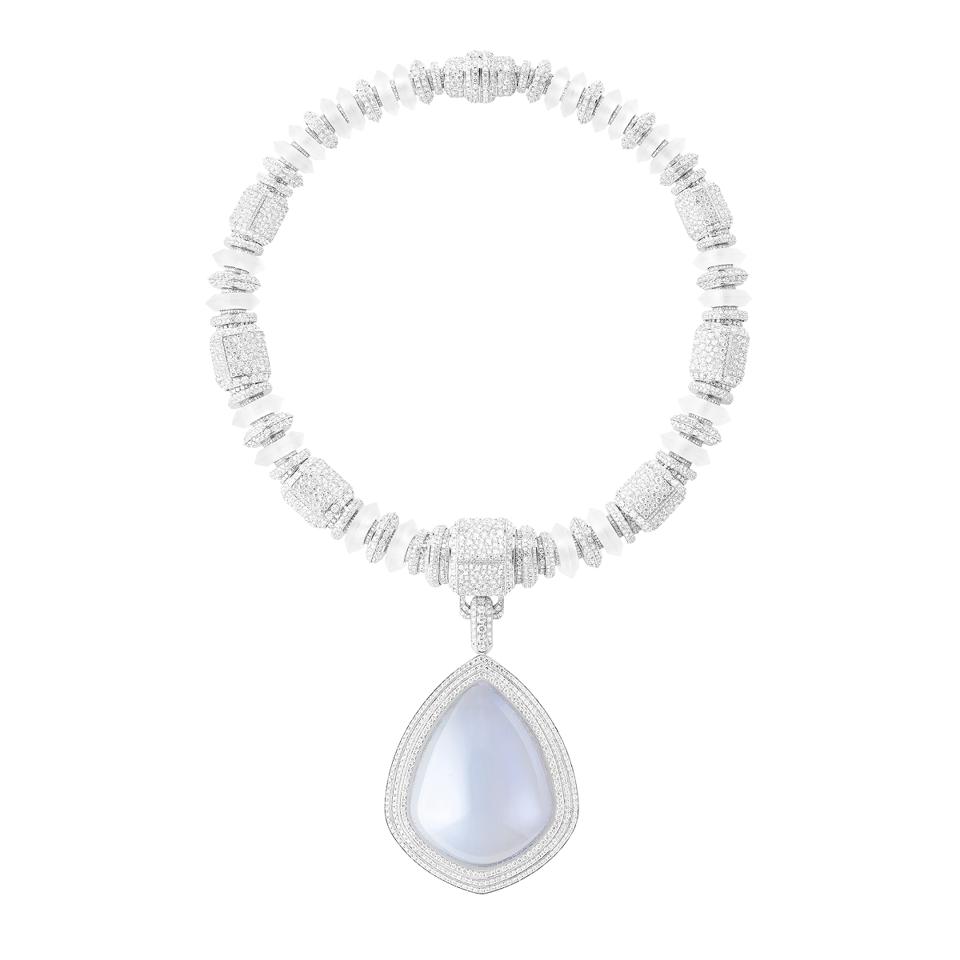
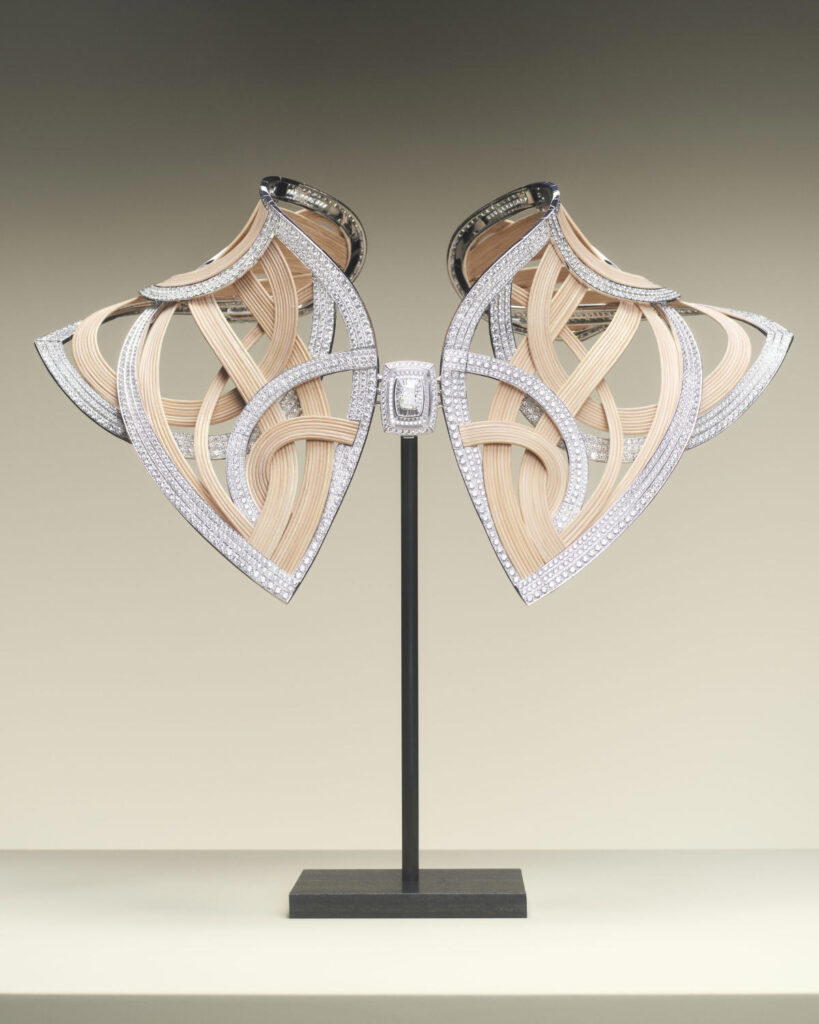
Cofalit necklaces or petrified wood brooches aren’t for everyone, but that has never stopped Boucheron. “We have clients who are very similar to contemporary art buyers. They don’t care because they understand Claire’s world—what she’s saying, what she’s trying to communicate.”
Under Poulit-Duquesne’s leadership, and in creative lockstep with Choisne, Boucheron has quietly staged one of the boldest reinventions in high jewellery. The friction that often arises between commercial objectives and creative ambition simply does not exist here.
“Honestly, I’ve never said no to Claire,” she shares. “Sometimes, I am even more radical than she is,” she adds, recalling a now-legendary brainstorming session in which she proposed using Coca-Cola cans in high jewellery. “Claire told me, ‘No, that’s too far. You’re crazier than me!’”
Boucheron’s renaissance is characterised by this rare equilibrium between daring and discipline, art and commerce. Poulit-Duquesne, who once dreamed of becoming an artist before being steered towards a more conventional path, found her creative outlet in luxury.
The partnership between Choisne and her thrives on this balance: one brings an artistic soul with a strategic mind, and the other a creative spirit with a keen business sense. Together, they blur the traditional boundaries between the boardroom, atelier, and high jewellery creation. At Boucheron, jewellery is more than stature or beauty—it’s a canvas for imagination, irreverence, and doing things differently.
More of the collection here.