
An upsurge in fuel prices has triggered a solar boom and the world’s renewable energy capacity will reach a new record this year. Curiously, there are still many landed homeowners in Singapore who are hesitant to install solar panels.
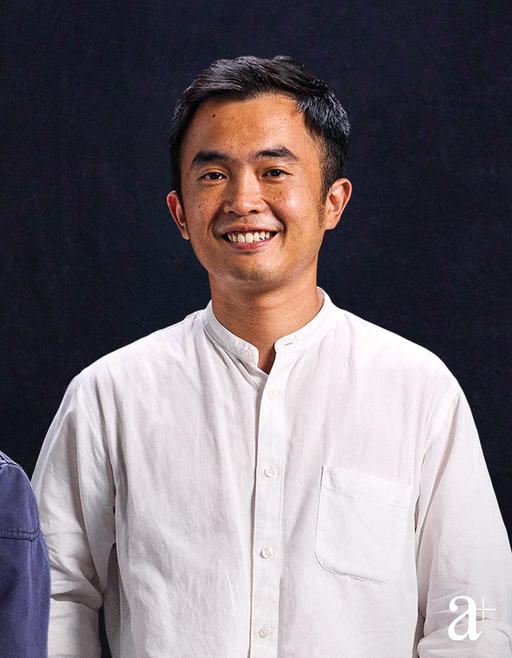
In speaking to over 500 people, Bolong Chew of Solar AI found that this was due to two factors: scepticism and hefty upfront cost. Limited awareness translated into scant trust in the technology, and although solar electricity costs less than the levelised cost of electricity, the initial investment is substantial: it costs between $15,000 and $20,000 for a system that might only pay for itself in six to eight years.
“Most potential customers lack real-life case studies to refer to. They don’t even know anyone who has had a solar panel system for two to three years,” he explains. “This makes it difficult for them to see the time horizon, which is compounded by the worry of maintenance costs becoming very high or even having their system fail before the break-even point is reached.”
To solve these issues, Solar AI introduced a zero-upfront-cost, rent-to-own model for solar in Singapore last year. Customers only have to pay a monthly bill, one that Chew says is cheaper than what they usually pay for electricity by $300. All maintenance services are provided for free.
The framework also de-risks solar as a solution, enabling sustainable options in business innovation in a time when the built environment contributes around 40 percent of annual global emissions. Because rooftop solar fans don’t have the same opportunity cost as ground-mounted solar installations or large solar fields, they ignite urban innovation. In addition, they can generate clean energy and decarbonise unusable space.
Singapore may have one of the highest energy consumptions per capita in the world, but Chew believes that we can one day reach net-zero energy consumption. As it is, our buildings only contribute 15 percent to total energy consumption, with 85 percent from non-renewable sources.
“If we imagine a world where we can solarise our facades, Singapore has great potential to generate more solar energy because we have more skyscrapers.”
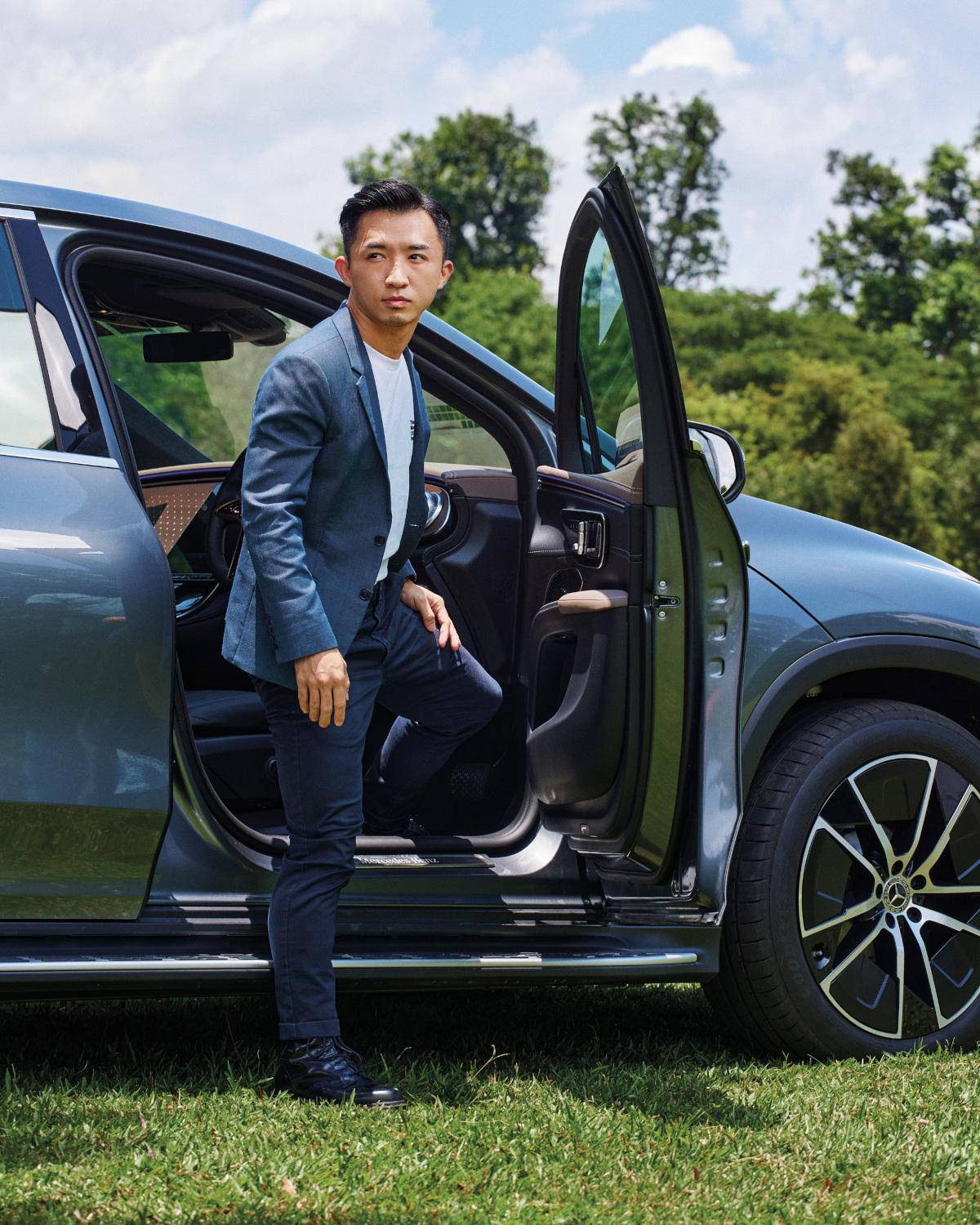
Bolong Chew on a greener future
“There is also the possibility that we can build cross-country transmission lines to significantly increase our share of renewables,” he adds.
Over the next year, Solar AI will tap into the South-east Asian markets to hyper-scale the number of people it can serve. It also seeks to better accommodate small and medium commercial customers who fall through the cracks because of their size or inability to secure bank financing for solar technology. Eliminating risk from the equation, says Chew, has allowed the company to see that there is a fair demand in these sectors.
His raison d’être? Creating scalable change and impact. “I’ve always aspired to become an entrepreneur because I felt it was the most direct way to solve a problem I want to solve.”
“Elon Musk said something like, ‘If you want to work on the biggest problems in the world, it’s important for you to first dissect issues by principles; figure out what’s really at the core and address it.’”
Art director: Chia Wei Choong
Videographer: Alicia Chong
Photographer: Mun Kong
Photographer’s assistant: Alfred Phang
Makeup: Wee Ming using NARS
Hair: Jenny Ng
Car: Mercedes Benz EQS SUV