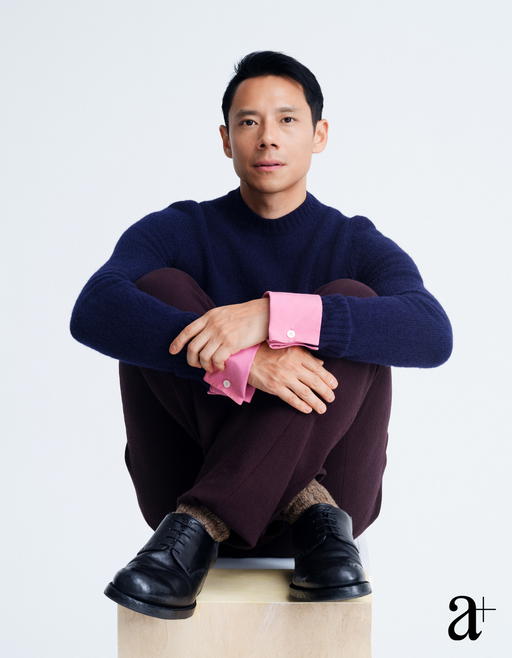
When Harijanto “Hari” Setiawan set up Boenga in 2004, he gave himself only eight months to break even. “I trained as an architect and graduated with a master’s in real estate from the
University of New South Wales in Australia. When I told my dad I wanted to go into the floral business instead, well, he was upset,” he recalls.
“However, I also told him I needed a chance to try. If I failed, my plan was to go into real estate or banking. Like when I’m asked whether I prefer Asian or Western food, I can’t give a proper answer if I’ve never tried Asian food.”
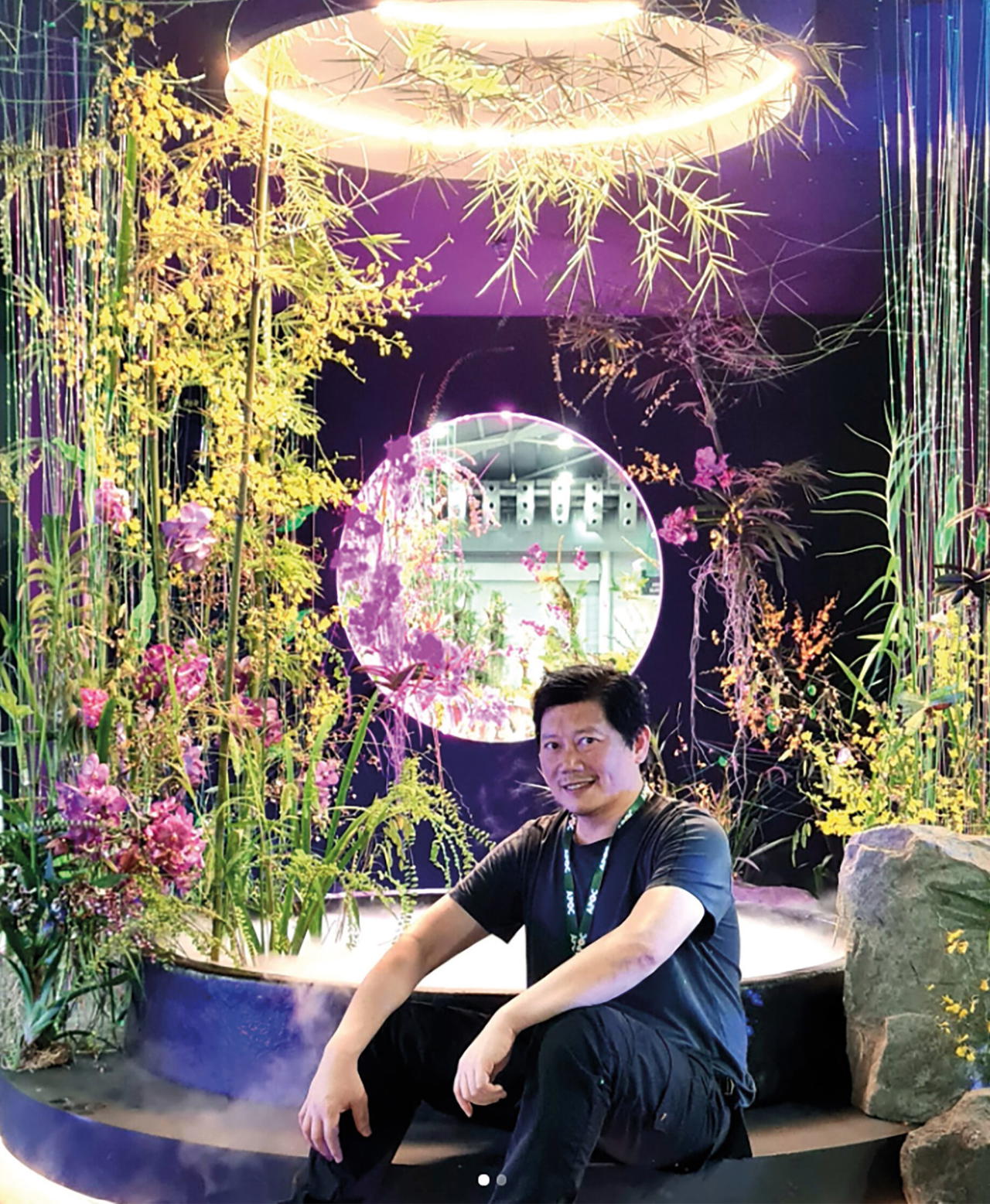
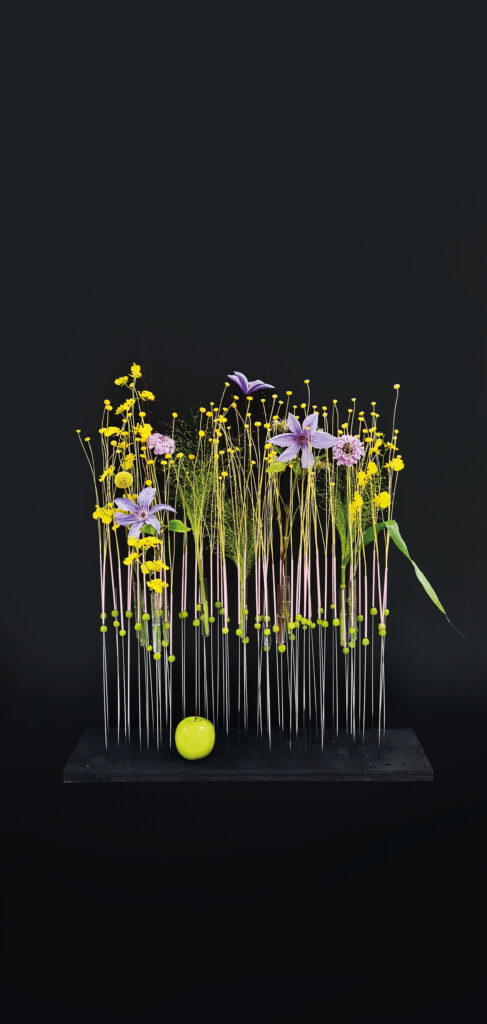
There was no looking back for Hari. The recipient of the 2013 President’s Design Award, as well as a string of international accolades from flower shows across the US, UK, and China, he is in high demand for his avant-garde arrangements.
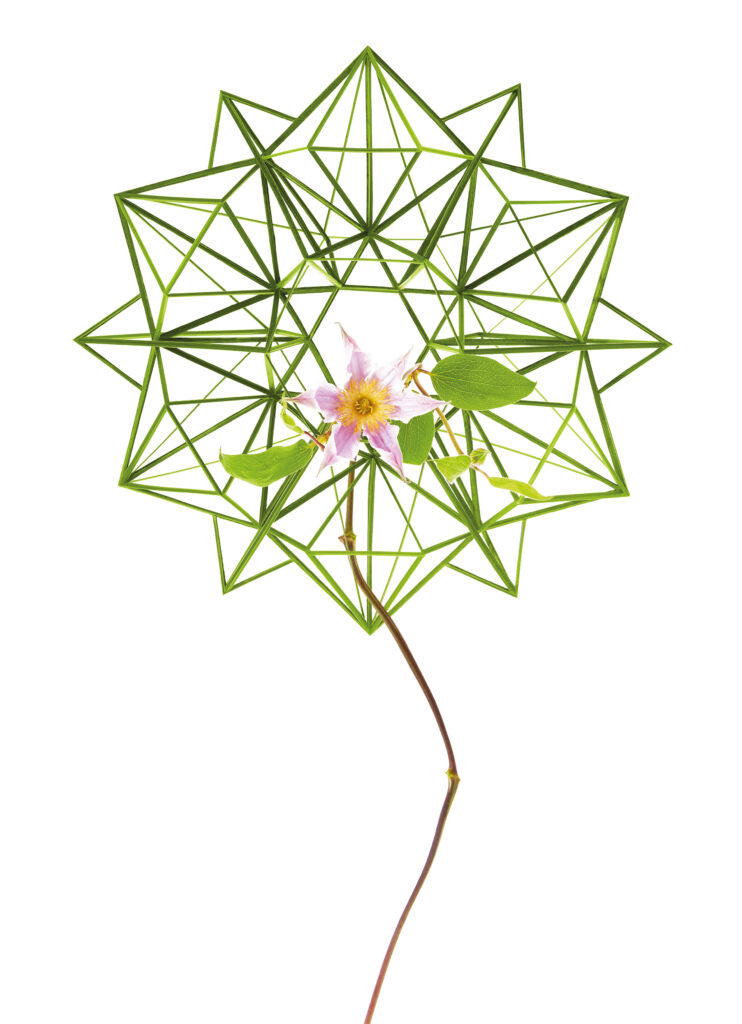
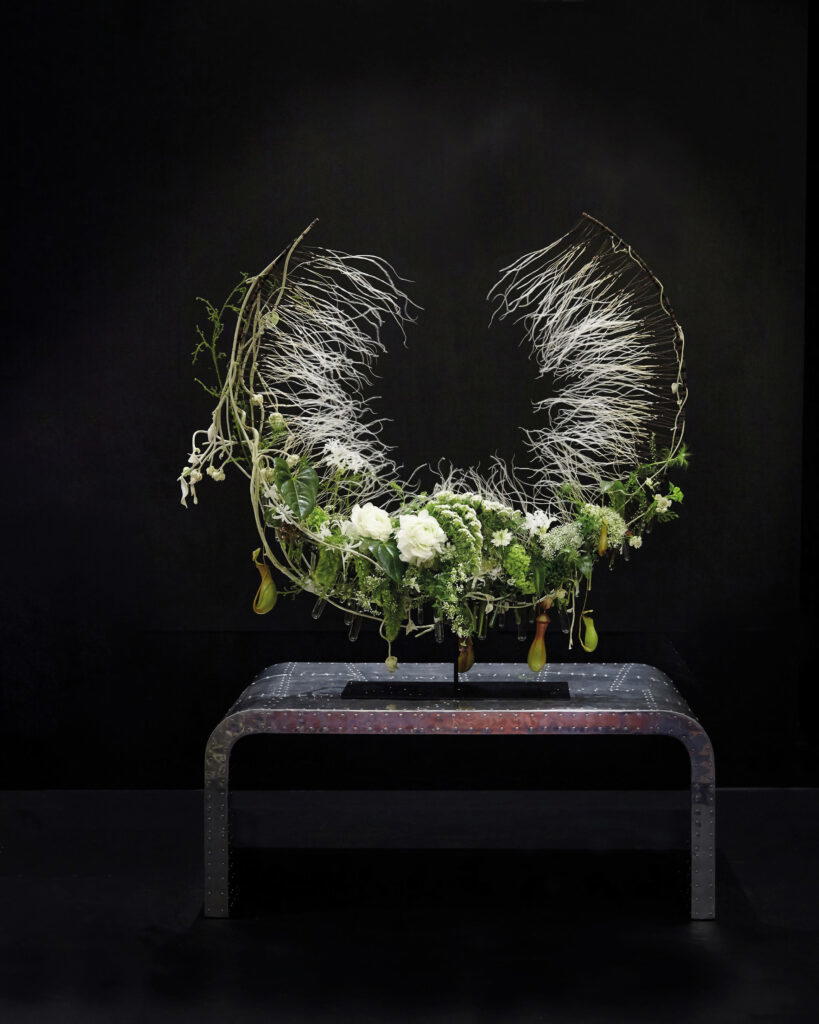
In between, he published three books; Haribana, his latest in 2023, showcased a modern take on the traditional Japanese art of ikebana.
When he is not dreaming up another fabulous floral installation, Hari dedicates himself to helping the less fortunate.
On World Mental Health Day in October this year, he conducted a flower arrangement workshop for special-needs youth and their caregivers at YMCA Singapore. The event, “Look Up, Bloom On”, featured a six-hands collaboration creation that was auctioned to benefit the non-profit’s Community Service Fund (helping to raise $10,960 for the cause).
This month, he’s on the road again—this time to Indonesia, where he’ll give free floral arrangement lessons to 250 people from 30 churches. “They don’t have a lot of money,” says Hari, “but with a little creativity, they can learn to make their premises more welcoming with beautiful decorations.”
In September, you wrapped up Takashimaya x Harijanto Floral Extravagance Season 2. Participation was overwhelming. What was your favourite part?
It was a great opportunity to nurture the young talents of Nitec in Floristry students from ITE College Central. Giving exposure to their beautiful schoolwork helps them. Since this was our first time working together, I focused on building their self-confidence. Having students show their designs in class is very different from showing them in a shopping mall, a place where there is a greater variety of aesthetic tastes. Young floral designers should be encouraged to keep learning—don’t become content with just winning one competition; continue to improve. (See more pics from the event here.)
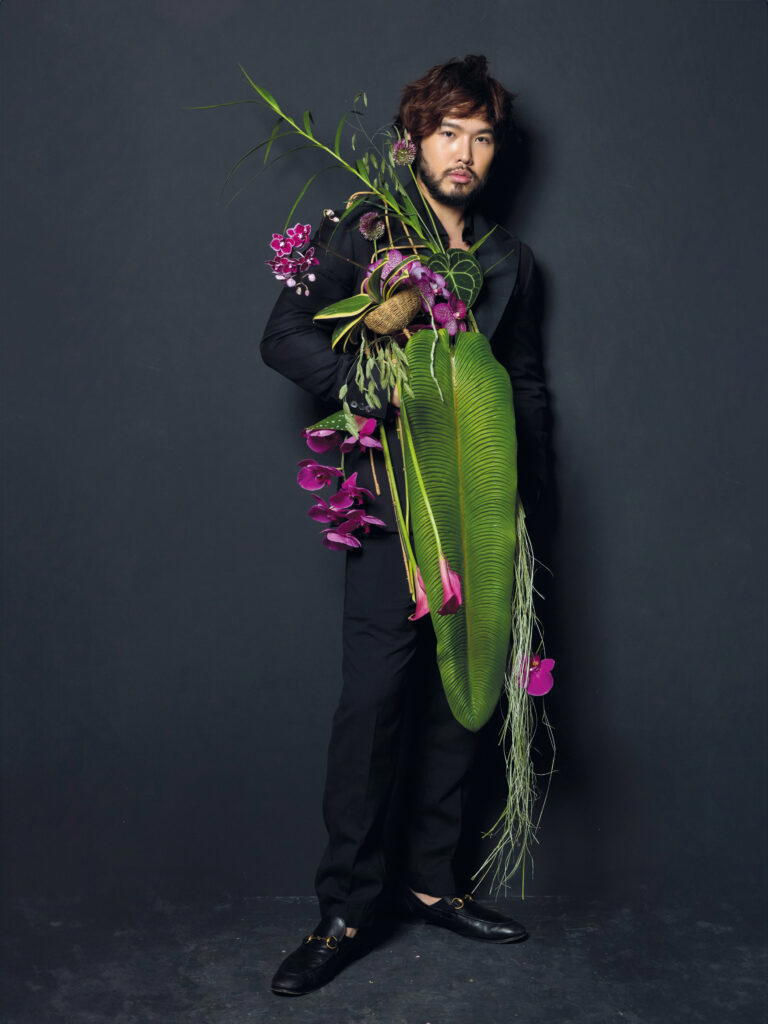
Some students modelled your floral creations as part of the collaboration. Was that your plan?
[Smiles] Initially, they were more concerned about what they were going to wear or how they were going to look. I had to remind them to focus on the floral designs. For example, fashion models never bother about whether they look nice in the clothes—they know they will look good because they trust the designer. As an encouragement, I gave out air tickets to Bohol, the Philippines, to the three best models. They were overjoyed because they didn’t expect this at all!
Did you wish for such support when you started out?
When I first started, people always asked to see my portfolio. Although I could share some sketches, I had nothing to show, so I did my best to assure them I would create something to meet their expectations. I also took a few risks, like once telling a client he didn’t have to pay if he wasn’t happy with the results. I worked hard to earn my clients’ trust. Our industry offers more than just a product; we also provide service.
You established Boenga in 2004. How have the past 20 years been compared to what you expected?
It has been a learning experience; I’ve met my fair share of good and bad clients. I must
keep evolving to remain good at what I do. People think I join competitions because I a ambitious, but that’s not true. Winning one competition does not make me the best. “Best” only matters at that very moment.
You often compare yourself to the clematis flower. Why?
Everyone thinks that because the clematis is very pretty, it is also very fragile and frail. But that’s not true. With proper pruning, it can last very long. After cutting the stem, hammer it, and return it to the water. The flower will continue to grow beautifully. I’m like the clematis [laughs] as I perform better under pressure.
What does beauty mean to you?
Beauty is about two things. First of all, it is pleasing to the eye. Second, it leaves a lasting impression. That is why beautiful people should also carry themselves well.
See more of Hari’s works here.