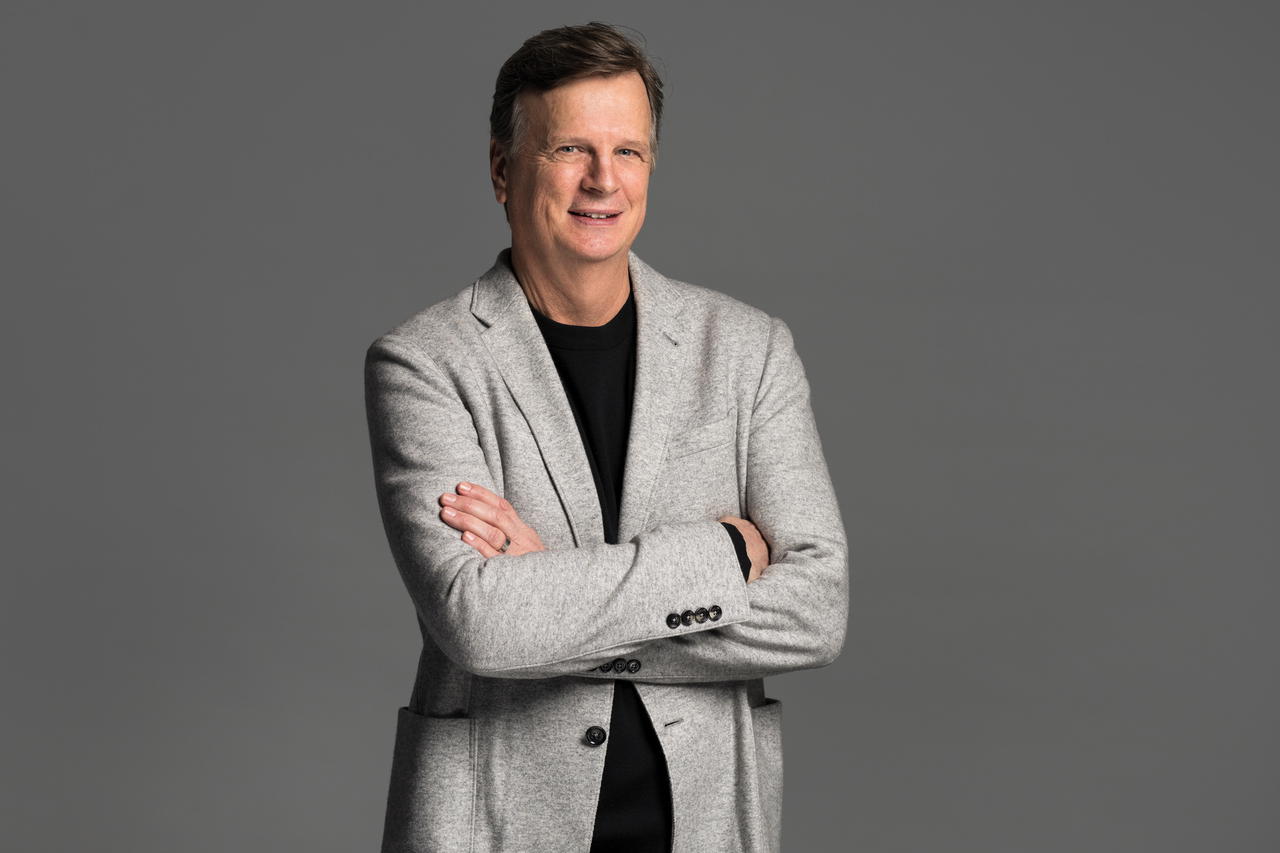
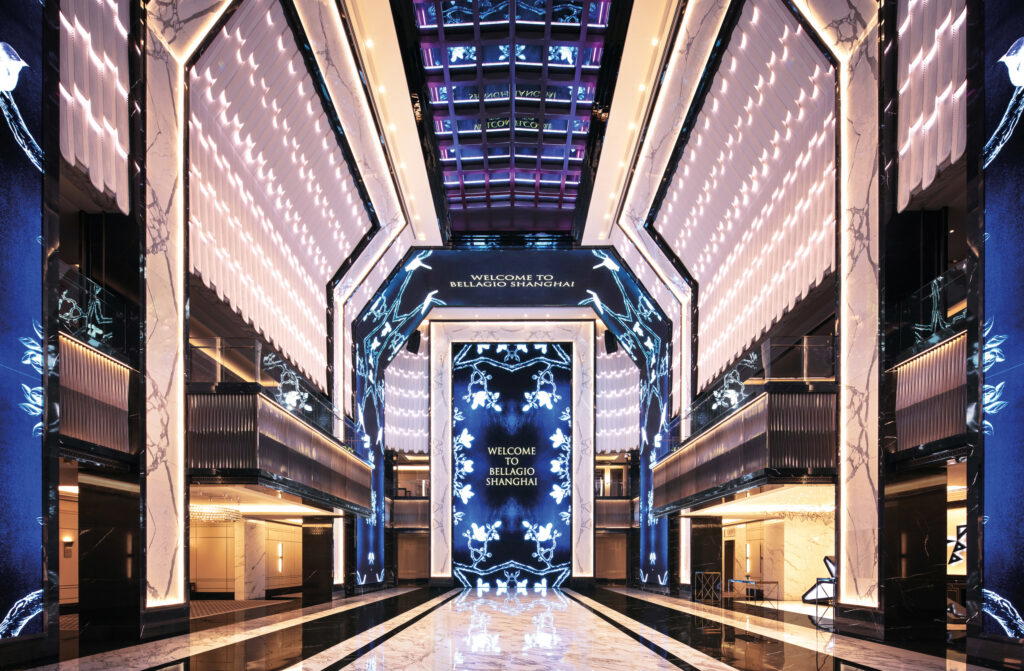
When Bellagio set its sights on building its first hotel outside of North America, it turned to David Moore. A design veteran, the CEO of renowned architecture firm WATG has several notable projects under his belt. In terms of his crowning jewel so far, it would be the Bellagio Shanghai. The Art Deco-influenced hotel in China’s cultural hub epitomises ultra-luxury design and has been the backdrop of several television series.
We speak to Moore about his approach to design and how climate change has transformed the way he works.
In the past three decades, how has design in hospitality changed?
Hospitality design has evolved significantly to cater to the changing tastes of travellers. Today, there’s a growing appreciation for cultural immersion. Hospitality design must resonate with the place, culture, and heritage to meet the expectations of this new generation of travellers.
Since our dawning days in Honolulu in 1945, WATG has been committed to honouring the intrinsic beauty of each destination and the people, cultures, and landscapes that inspire our design. Our history of innovative designs, such as the Shangri-La Garden Wing in Singapore, one of Asia’s first biophilic hotels in 1978, and the Bora Bora overwater villas in Tahiti in 1961, continues to inform our approach.
What forms the foundation of great integrated hospitality design?
The foundation of greatness lies in establishing a clear and shared vision between the client and designer. Our clients value originality, collaboration, and the art of hospitality. They share our conviction that modern luxury is experiential and authentic, and that its foundation of success lies in innovative yet timeless design combined with an unrelenting respect for local cultures and natural environments.
Temperatures are rising and the weather is becoming more turbulent due to climate change. How has the firm adapted its designs?
The building and construction sector is responsible for 37 percent of global emissions. Prioritising renovations and transforming existing built forms can tackle climate change issues significantly.
Our approach celebrates the preservation and restoration of existing structures, plants, materials, and furniture pieces where feasible, with the remaining elements sourced and crafted locally as much as possible.
To ensure we modernise and usher the existing property into a more enduring future, it is crucial that we demonstrate a high level of creativity and reimagination in our design proposal to refresh and revitalise the space.
This strategy aims to minimise waste while maximising economic efficiencies in the property’s enhancement by reducing costs associated with building new.
We consciously respond to the development’s location by designing architectural forms that utilise daylight, natural ventilation, and orientation.
By intrinsically linking design solutions to the site, passive and sustainable design strategies can be incorporated from the onset. As far as possible, we also propose using materials with less embodied carbon and deploying a regenerative approach to reduce impact and preserve biodiversity.
What is your important truth about design that very few people agree with?
There are no trends in our design work. Trends suggest a lifespan and promote a throw-away culture.
Even though we do discuss trends as a means to showcase our thinking and to contribute to the conversation, such as post-pandemic design trends that have become mainstays, we prioritise enduring principles that resonate for years to come and emphasise quality, functionality, and authenticity.
Rather than following trends, the spaces we design should support guest experiences and connect emotionally. Our work is an amalgamation of our experience and our legacy.