As one enjoys the light-filled dining room and the cascading misty peaks through wood-framed windows, it is easy to overlook Naar’s significance. In its peaceful alpine setting, it seems worlds away. However, the easy tranquility is deceiving. The gastronomic revolution taking place at Naar, opened by chef, restaurateur, and culinary innovator Prateek Sadhu in November 2023, is reverberating across India.
It is a mutiny of the most congenial kind—a mutiny that feels so right, one that seems obvious once it has been executed. However, opening Naar, probably India’s first destination restaurant, has been anything but straightforward. It lies 1,500m up in a village called Darwa in India’s Himalayan foothills, two hours drive from the nearest airport in Chandigarh, Shaheed Bhagat Singh International Airport.
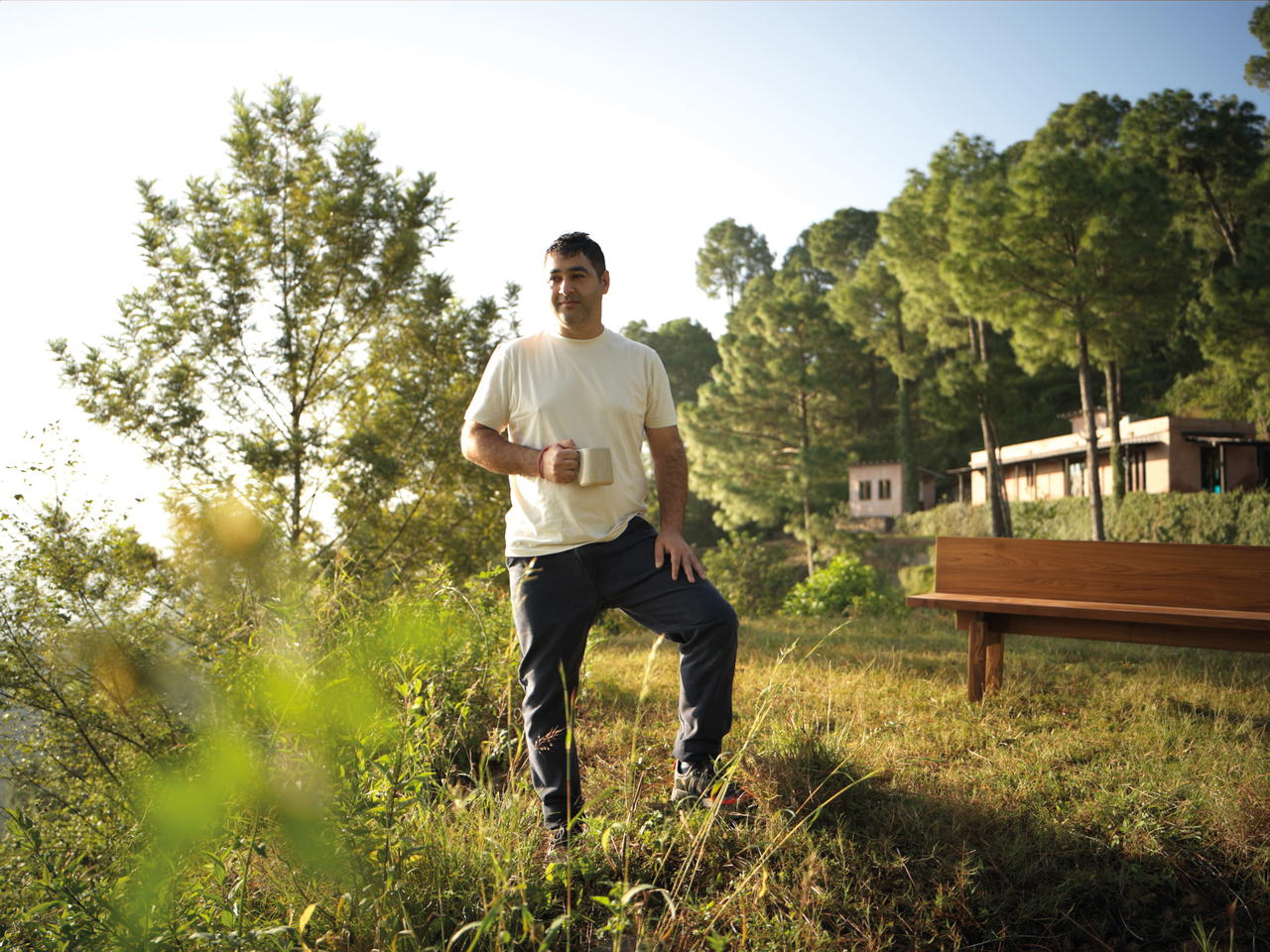
According to Prateek, 38, it is conceptually and logistically one of India’s most daring projects—an attempt to “create a new language for Indian food in undiscovered territory”.
He continues, “It has been a road full of challenges, full of bumps—just like the roads in the mountains! First of all, the project I had in mind was very ambitious and audacious, as well as risky because of its remote location. Secondly, I had no proper reference point to look at, at least in India.”
Almost all the ingredients in Naar’s kitchen are sourced from the Himalayan belt. A French-Assamese couple in Shimla makes the cheese. Trout are fished from the rivers in Himachal Pradesh, the pineapples are harvested from Meghalaya, and the peas are grown in nearby polytunnels. The wild strawberries, mountain citron, and hemp are foraged from the hills surrounding the beautiful restaurant.
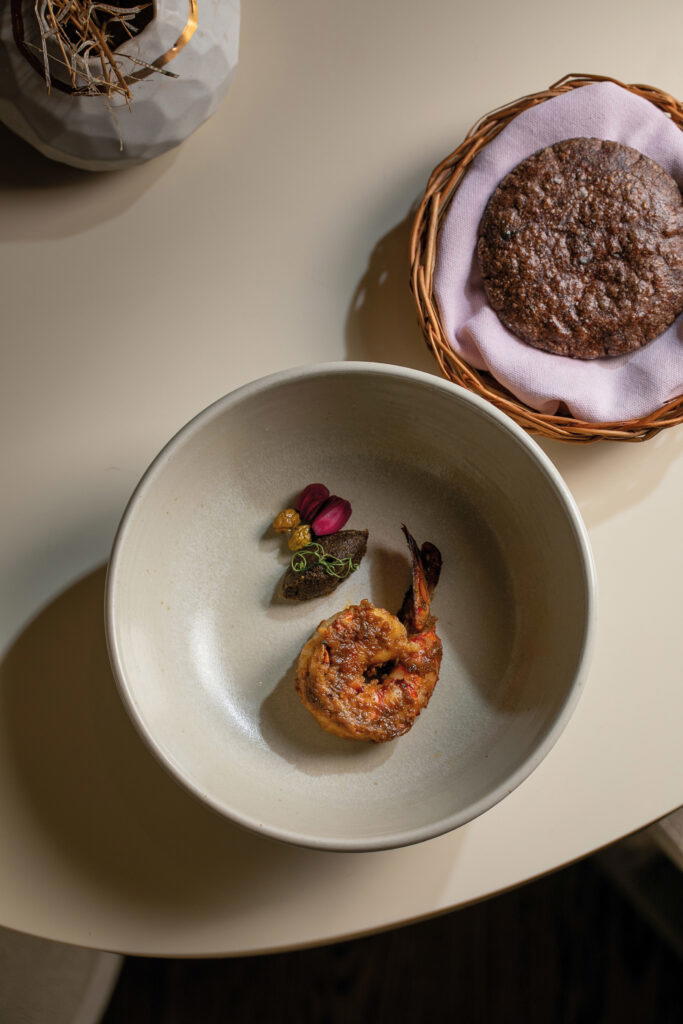
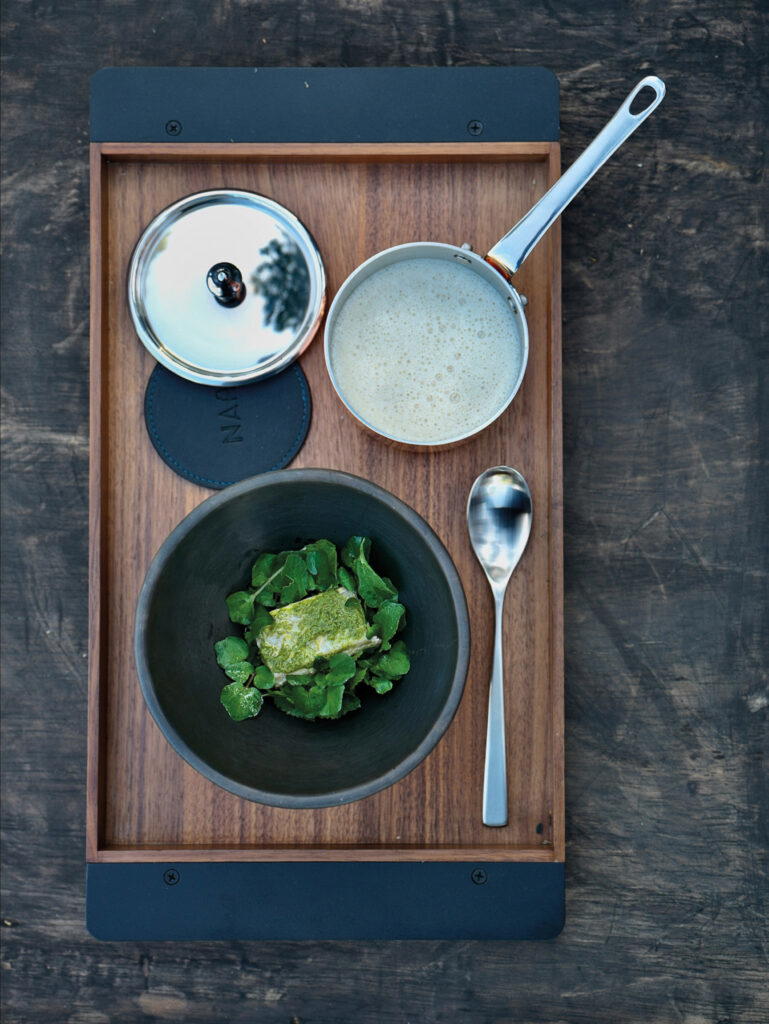
While Prateek’s dishes are rooted in the traditional cuisines of the Himalayan regions of India, they draw on his training at the Culinary Institute of America and stints at three-Michelin-starred Noma in Copenhagen and The French Laundry in California. The results defy easy categorisation.
Grape, for example, is a beautifully delicate dish made of almond milk and almond ricotta with marinated grapes and Cape gooseberries. It’s topped with slivered pickled water chestnut and mustard flowers.
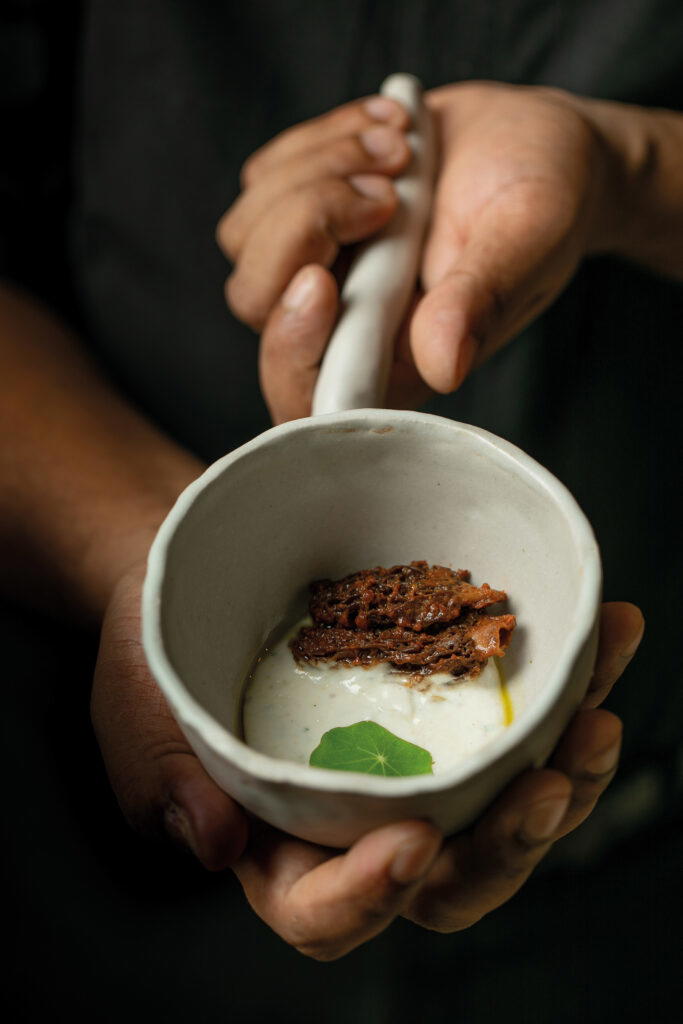
With hand-rolled noodles and blood sausage, Sunderkala is a refined version of the soup noodle dish of Uttarakhand, which has Tibetan origins. “We’re undoubtedly living in the most exciting era for Indian gastronomy. During the last decade, conversations around Indian food have evolved from talking about stereotypical Indian dishes to a broader discussion on hyperlocal cuisines from all the different regions of India,” says Kashmir-born Prateek. “Today, we’re talking about India’s tribal food, mountain food, and most importantly, the history of food.”
He was also instrumental in opening Masque, the first restaurant in Mumbai to make the World’s 50 Best Restaurants’ 51-100 list in 2024. It ranks 78th. On Asia’s 50 Best Restaurants list for 2024, Masque ranks 23rd as the Best Restaurant in India.
In partnership with entrepreneur Aditi Dugar, 41, Prateek founded Masque in 2016 to showcase India’s indigenous produce in contemporary, boundary-breaking dishes. Of course, accolades poured in. In 2020, the team opened the Masque Lab, a 111.4sqm space dedicated to experimenting with Indian flavours. He departed in 2022, leaving the kitchen to Mumbai native Varun Totlani, 32, who is taking the restaurant to new heights with his stellar reputation.
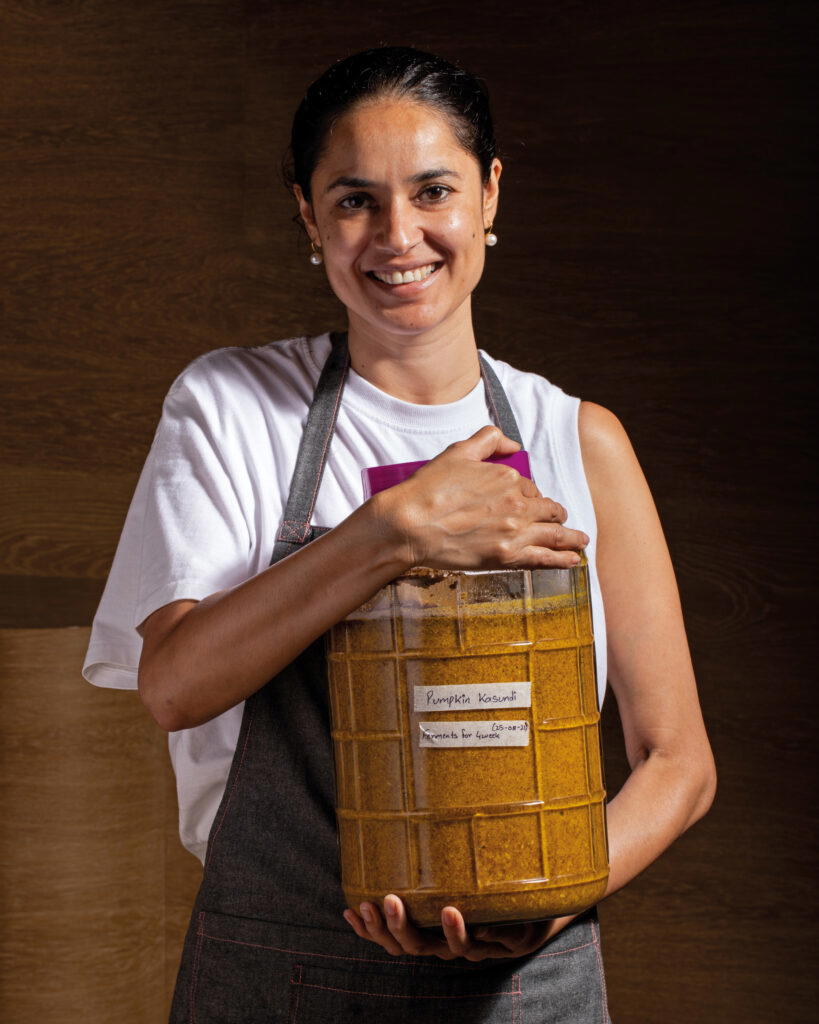
Another chef making waves in India’s dining scene is Vanika Choudhary, 41. In her dishes, she blends the flavours of Kashmir, her native state, and those of Ladakh and regional cuisines closer to Mumbai, her adopted home. The food traditions of the Koli anglers and tribal communities of the Western Ghats particularly inspire her.
Fermentation is the cornerstone of her approach. Besides Indian fermentation methods, she also incorporates techniques from Japan, Thailand, and the Korean Peninsula. In a dish called A Taste Of Home, for example, she ferments lamb using an Isaan technique from northeast Thailand.
She also works closely with Zen Buddhist monk Jeong Kwan from South Korea, who appeared in the Netflix documentary series, Chef’s Table, and received Asia’s 50 Best Restaurants’ prestigious Icon Award in 2022. Vanika describes herself as an “ardent disciple of Venerable Jeong Kwan Seunim” and says it is a privilege to learn from her.
She recently closed Noon, her Bandra-based restaurant she opened in 2022, while she looks for a new location.
More established in the Mumbai dining scene is Hunger Inc. Hospitality, which opened The Bombay Canteen in 2015. The restaurant, which specialises in modern renditions of dishes across India, sparked renewed interest in the country’s regional cuisines. Its concept also extends to the bar. Cocktails tell stories of the flavours, people and places of India, particularly Mumbai, using ingredients such as Darjeeling tea, cardamom, and local gin and rum brands. This year, it is No. 59 on the Asia’s 50 Best Bars list, and No. 70 on the extended Asia’s 50 Best Restaurants list.
Additionally, Hunger Inc. Hospitality has O Pedro, an all-day, Goa-inspired bar and restaurant, and Bombay Sweet Shop. The latter sells fabulously fun and utterly delicious modern takes on classic Indian mithai (sweets). Treats include spiced guava cheese barfi, a milk-based fudge, and kaju marzipan bon bons, a play on the traditional sweet kaju katli consisting of cashew marzipan layered with rich chocolate ganache.
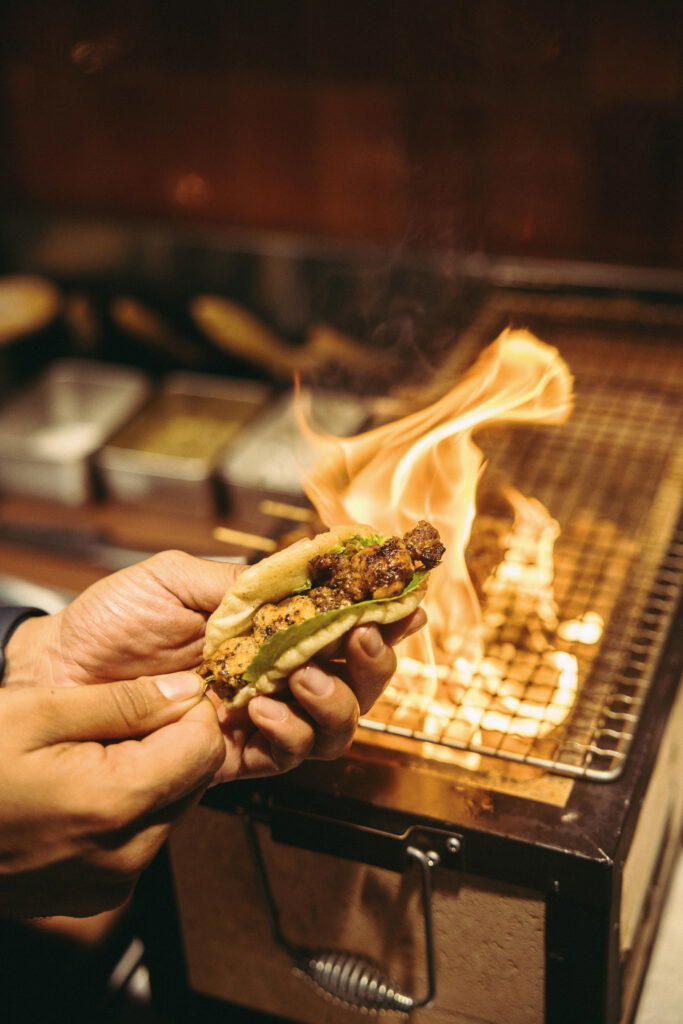
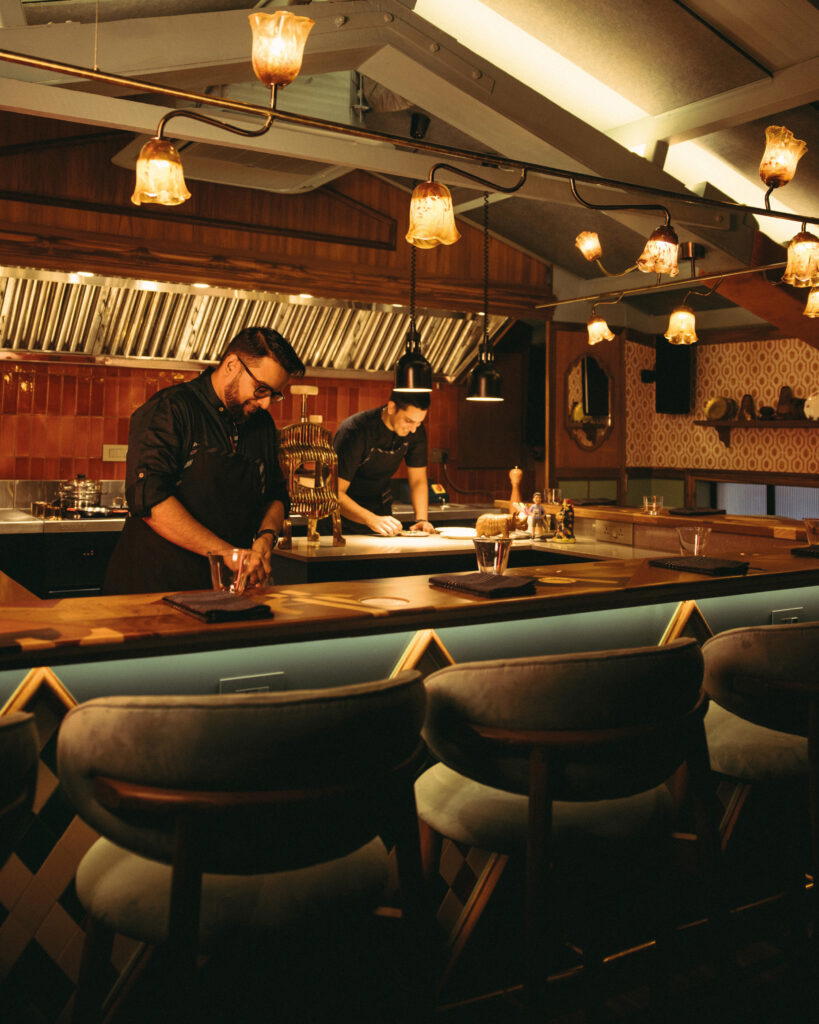
Most recently, the group opened the 12-seater chef’s counter Papa’s above its sandwich shop, Veronica’s, in Bandra West, where diners can interact with chefs and watch their food being prepared.
“With Papa’s, we aim to redefine fine dining in India for 2024 and beyond,” says Hussain Shahzad, executive chef at Hunger Inc. and the culinary genius behind Papa’s.
“We envisioned an intimate yet lively experience, turning dinner into a show. Our goal is to break stereotypes about Indian cuisine and fine dining by bringing personality to our food. By making it fun and engaging, we wanted to move away from the formality it had gained over the years. The concept of ‘fine without the fuss’ is new in India.”
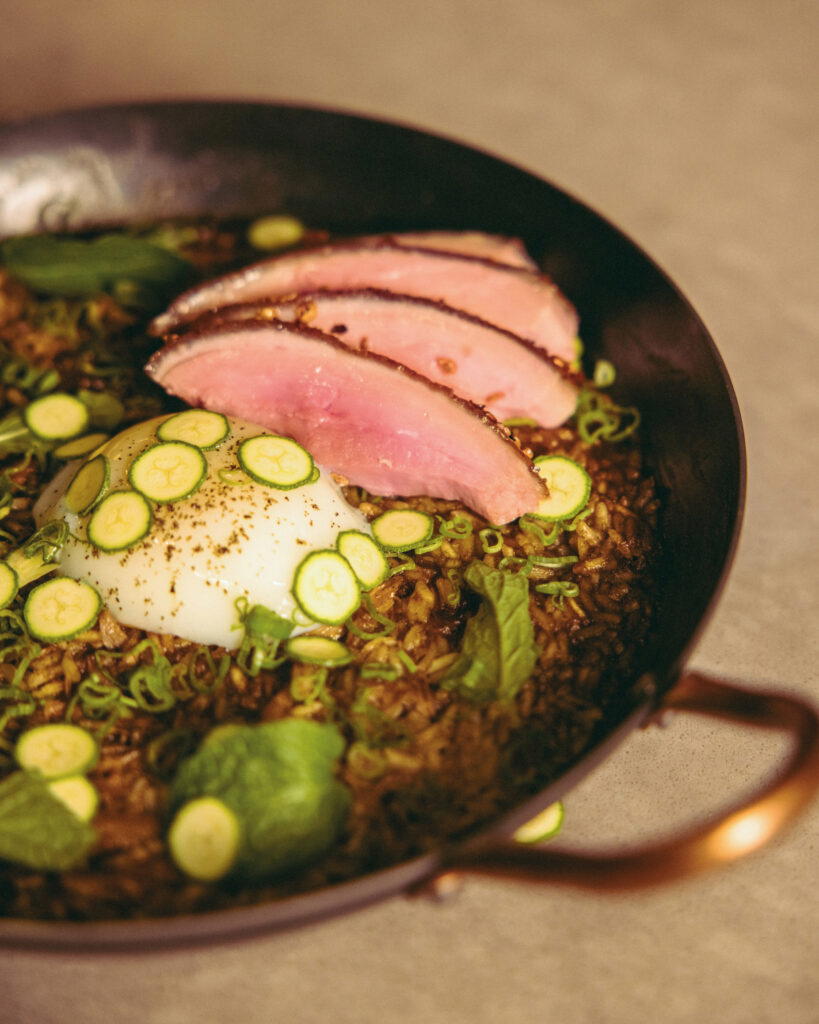
Papa’s combines a playful menu with excellent cocktails, friendly service, and a lively playlist. “We opened in February 2024. Since the concept was new to many, it was important to keep communication and narrative clear to set the right expectations,” says Hussain. “The response has been amazing. It’s humbling and encouraging to see people embrace our concept.”
Mumbai diners also warmed quickly to the produce-driven dishes at Bandra Born, the restaurant by Gresham Fernandes that replaced his Bandra institution, Salt Water Café, in 2023. Here, East Indian crab curry is served as a dip in a metal dish with “croissant pav”, a flaky loaf of bread that blends the French pastry with Indian street food buns.
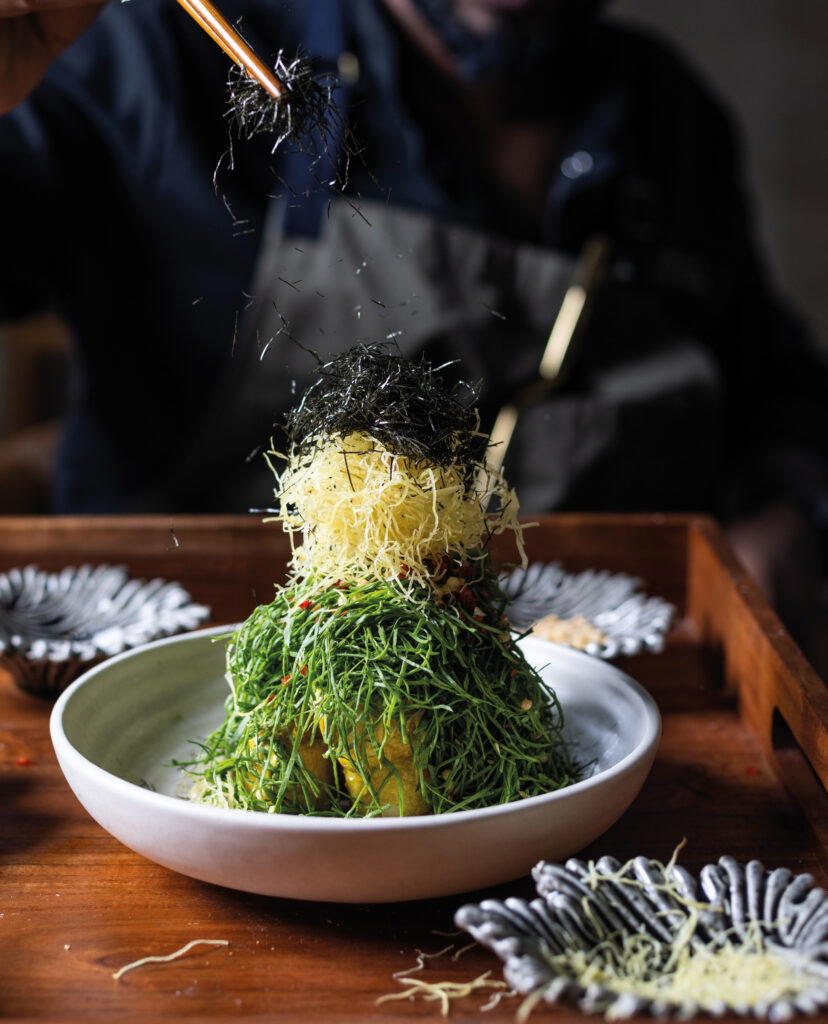
In the dish Bottle Masala prawn chawanmushi, Gresham combines a savoury seafood custard with the iconic spice blend and fresh pomelo. However, it is the King Cabbage that really challenged diners. “Our guests were surprised to find the lowly cabbage as the star of the plate,” says chef Manoj Shetty. “We transform it into something special. After roasting it overnight, we finish it with brown butter and serve it in its jus. It’s a popular dish on our menu.”
The action taking place on the plate matches the edgy vibes at Bandra Born, with its graffiti-strewn walls and pounding rap beats. Its open-air terrace on the upper floor, decked out with strings of lights and surrounded by trees, promises a lively evening full of top-notch cocktails and food.
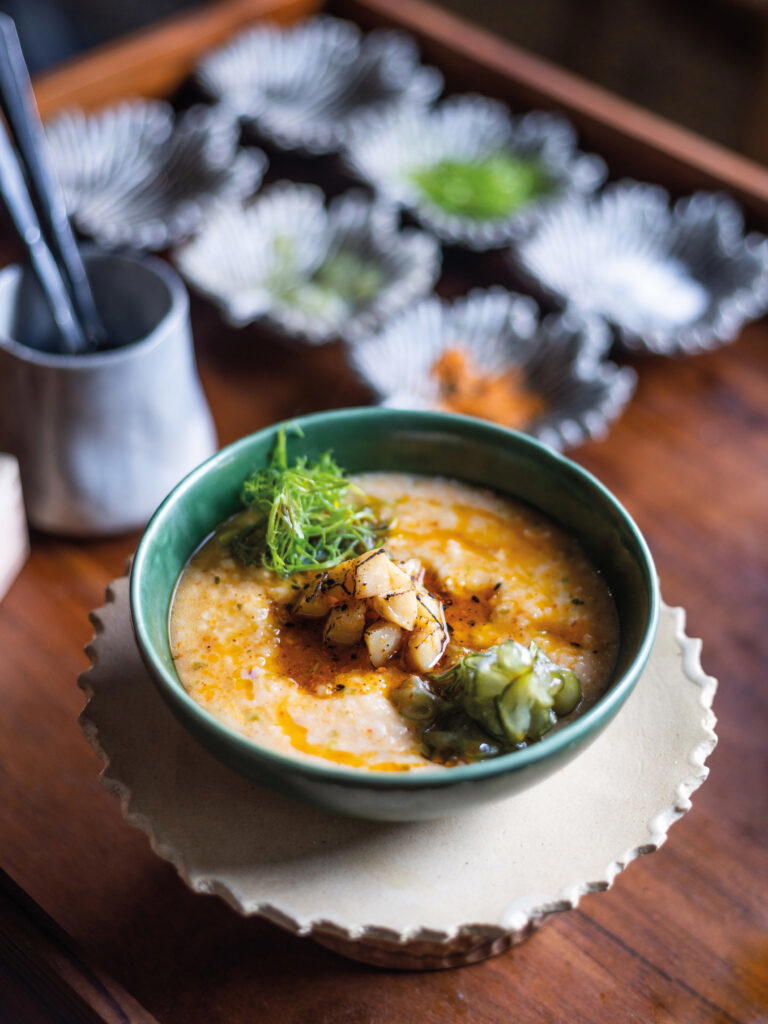
Mumbai isn’t the only city pushing the boundaries of Indian cuisine. Bangalore is increasingly becoming known for its dining scene. Restaurants such as NĀVU, which offers age-old Indian dishes with a contemporary twist, and FarmLore, which promotes locavore dining, add progressive dimensions to the dining scene.
New paths are also being charted by chefs in Delhi, home to the original Indian Accent, the restaurant by critically acclaimed chef Manish Mehrotra, 50, that pioneered inventive Indian food in 2009. Currently ranked 26th, it brought Indian fine dining to the global culinary scene by being named one of Asia’s 50 Best Restaurants in 2015. Indian Accent opened an outpost in Mumbai in 2023.
New to Delhi’s dining scene is Inja, a restaurant that might be the first in the world to combine Indian and Japanese cuisine. Adwait Anantwar, 29, whose previous experience includes Mohallas in Dubai and Saudi Arabia, is the chef.
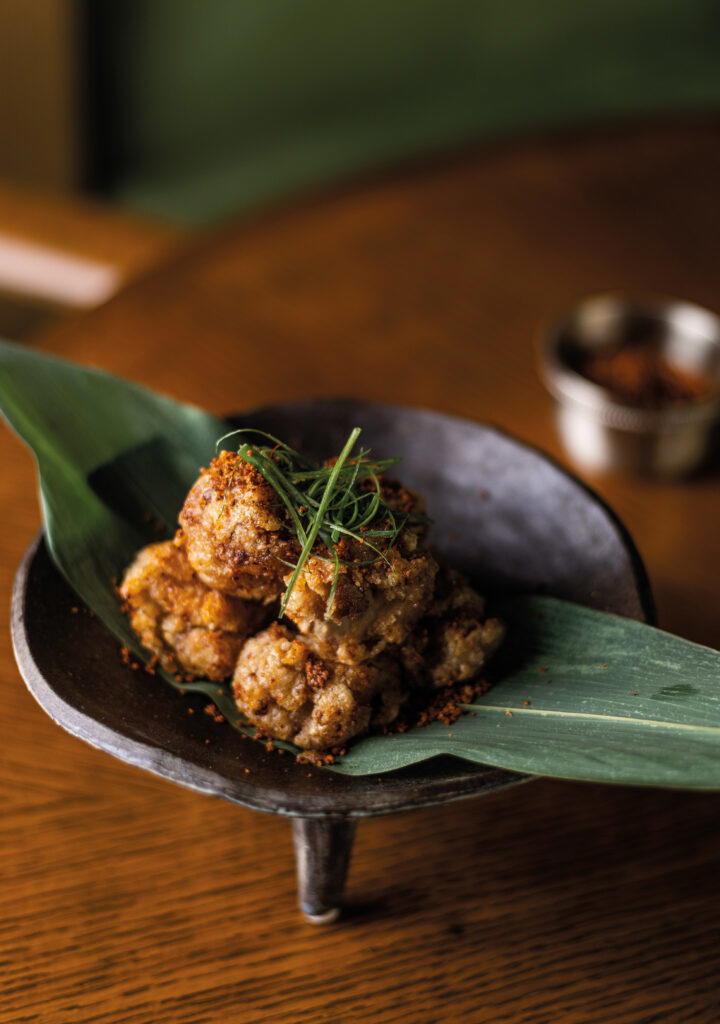
Diners will find savoury Indian snacks such as bhel, usually made with puffed rice, vegetables, and tangy tamarind sauce. Inja uses a lot of kombu (seaweed), myoga (Japanese ginger), nori chutney, and fried noodles in its menu. It also serves koji chicken wings marinated in tamarind, jaggery (toddy palm sugar), and smoked Kashmiri chilli, and tempura soft shell crab with Amritsari mayo and nori seaweed salt.
The return of young chefs like Adwait after working abroad is one of the most significant contributors to the Indian dining revolution. Also, diners are travelling more and developing sophisticated palates as a result. Clearly, these chefs are excited about the future.
“Although we are on an exciting path, there is still a lot of ground to cover. However, I consider this to be the Renaissance era for Indian cuisine,” says Prateek. If he’s right, we’re in for more surprises.