
Melvin Chou, Head Chef, terra Tokyo Italian
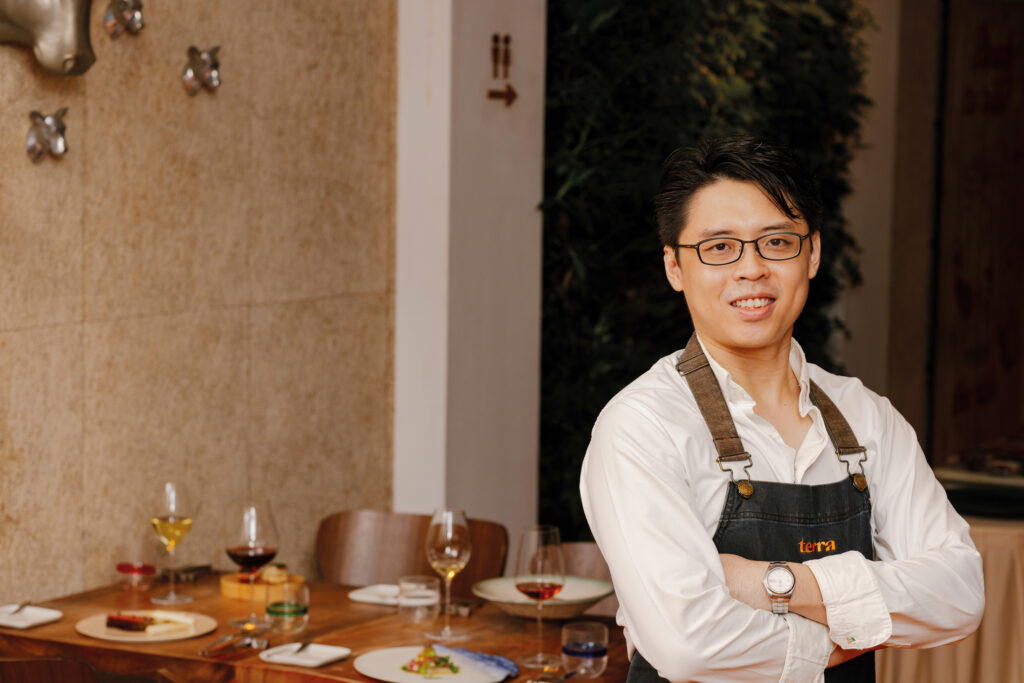
The abundance of ingredients from both land and sea makes autumn Chef Melvin Chou’s favourite season. With an Italian restaurant that primarily uses Japanese ingredients, he showcases the best of both cuisines.
“Japanese and Italian cuisines adhere to similar principles as they both emphasise fresh, seasonal ingredients and respect natural flavours. Keeping things simple allows the quality of the ingredients to shine, and that is the approach we strive for,” he says.
Immediately, I was overwhelmed by positive vibes as I sipped on Butternut Soup with sage, brown butter, and burrata, and spooned on Signature Uni Pasta with karasumi (bottarga).
Chou loves mushrooms, particularly porcini from Europe and matsutake from Japan. With his Sawara Claypot Risotto, ingredients such as sawara (Japanese Spanish mackerel) and matsutake encapsulate the season.
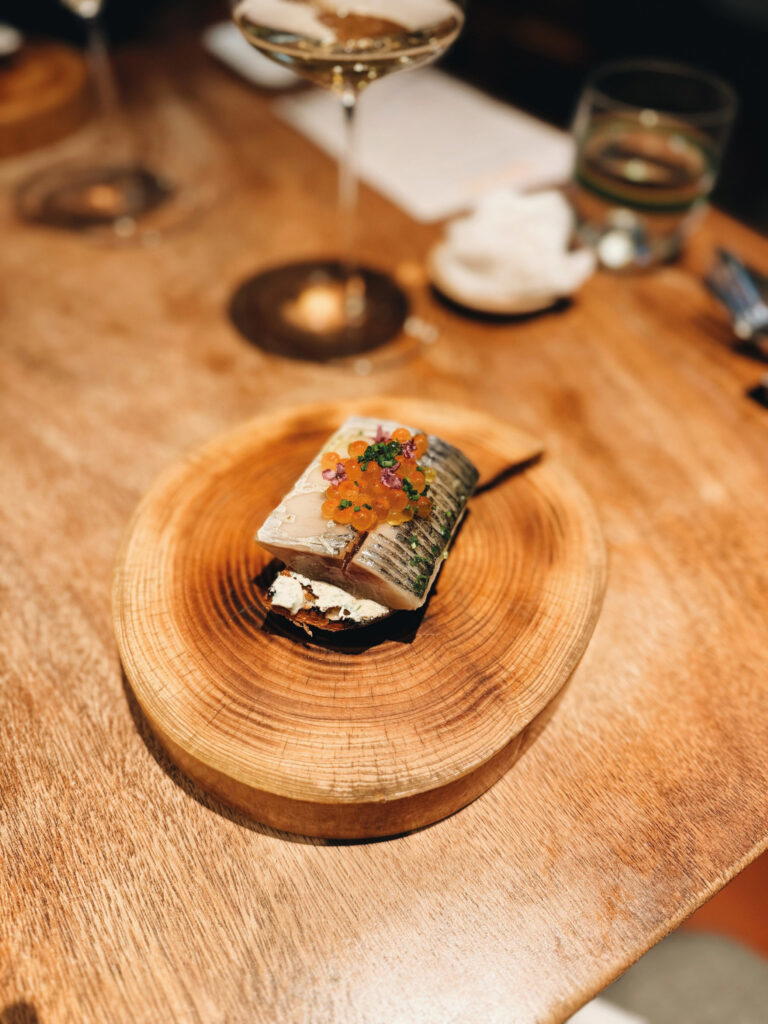
In dishes like Bruschetta Nishin, the rich flavours of herrings are the star. “Autumn is a good time for fish to add fat, but not too much, so the balance between flesh and fish oil remains good,” he says.
Skipjack tuna or modorigatsuo migrates south from Hokkaido to Kyushu during this season, spawning and mating. According to Chou, “The fish gains weight and fat in preparation for mating and spawning, so its taste is richer.”
Sweet potatoes are another autumn essential for Chou. He prefers naruto kintoki sato musume from Tokushima, a delicate sweet potato with a crisp texture like chestnuts. As a tasty dessert, anno imo from Tanegashima island off Kagoshima is intensely sweet, rich, and creamy.
Javier Low, Chef-owner, Iru Den
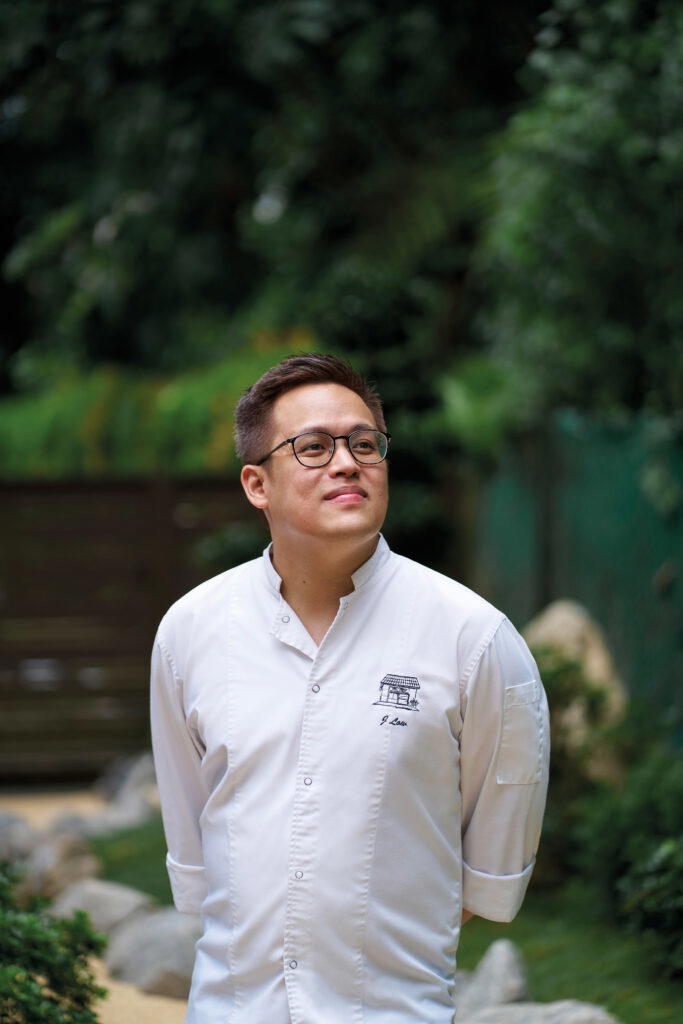
When Chef Javier Low opened Iru Den in 2021, it featured premium Japanese ingredients prepared with a Japanese-European approach. After a summer trip to Pingtung, Taiwan, where his wife was born, he switched to Taiwanese ingredients instead. Contemporary Taiwanese fine dining has since become the restaurant’s speciality.
However, Taiwan’s weather impacts the creation of his menus. “Typhoons and earthquakes are two of the biggest challenges. We focus on seasonality and what’s available each week because of this,” he quips.
As such, the menu changes according to the seasons. Taiwanese chestnut squash and amadai, also known as tilefish, are especially abundant in autumn. The latter is one of Low’s favourite ingredients. “Amadai is sweet and delicate to taste, and is often paired with katsuo (bonito) broth for a deeper flavour in many dishes,” he enthuses.
The autumn season also brings the Pacific saury, or sanma. “This fish always reminds me of the changing seasons and signals the approach of Iru Den’s peak season,” Low says.
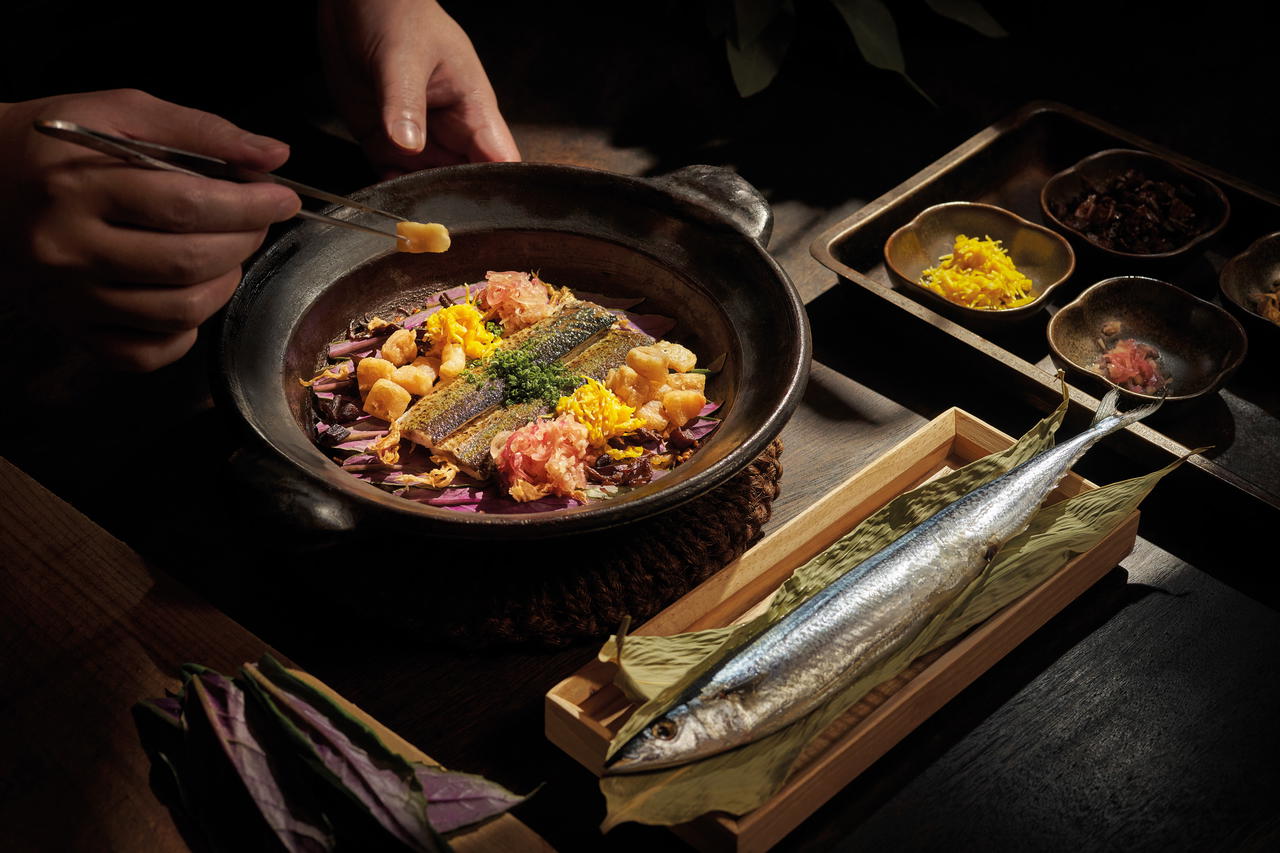
Among the highlights of Low’s menu is Sanma Claypot Rice, a dish he both loves and hates because of its small bones.“Traditionally, sanma comes with bones, but we carefully remove each one. It has a great flavour and the fat infuses the rice perfectly. For Singaporeans used to salted fish in claypot rice, this dish offers a similar strong fish flavour with a balance of umami and richness.”
Rémy Carmignani, Executive Chef, Maison Boulud, Marina Bay Sands
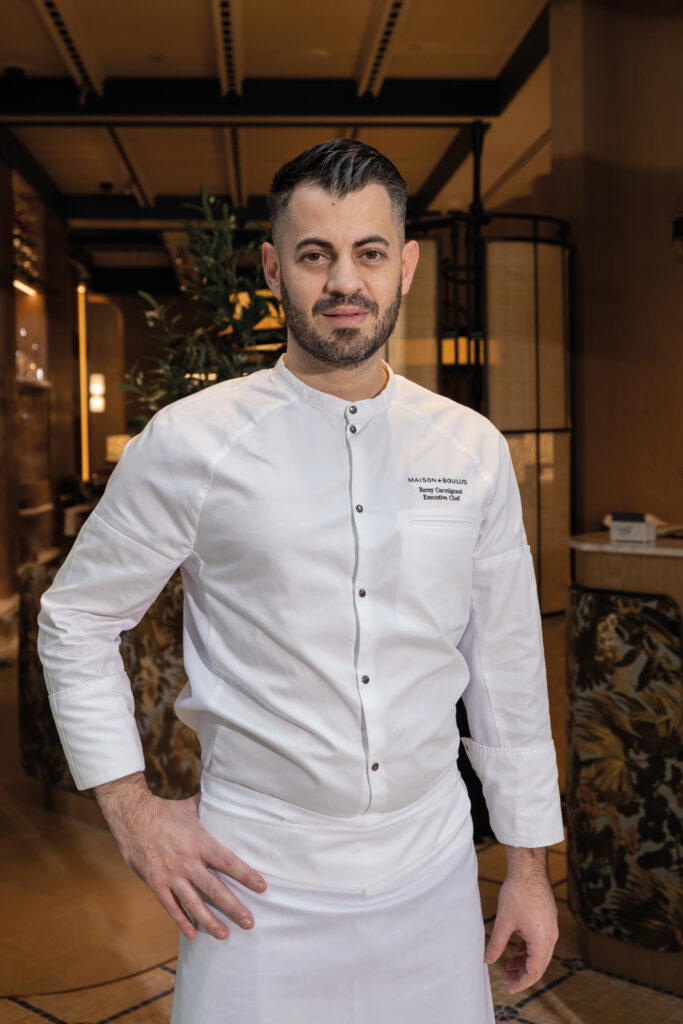
Maison Boulud prides itself on serving soulful French cuisine grounded in the seasons at its second outpost after its flagship in Montreal. Executive Chef Rémy Carmignani says the restaurant’s culinary approach adapts to its location. Singapore’s diverse and multicultural dining scene, however, inspires him despite its tropical climate.
“There are so many cultures we can take influences from, and we do this as and when inspiration hits—like how my love for black pepper crab led to the creation of Bar Black Pepper, our Mediterranean-style claypot rice with confit Chilean seabass in a black pepper squid ink sauce,” he explains.
Incorporating the quintessential elements of autumn in France into his latest menu, he has leaned into stews and braised meats—comfort food the French yearn for during the cooler seasons. “Jarret De Veau Figues, for example, embodies hearty French autumn fare with milk-fed veal shank braised with local turnips and cocotte potatoes,” he shares.
Autumn also calls for ingredients like coco de paimpol, a variety of haricot beans with a delicate, nutty flavour. Carmignani pairs it with foie gras, another crowd favourite.
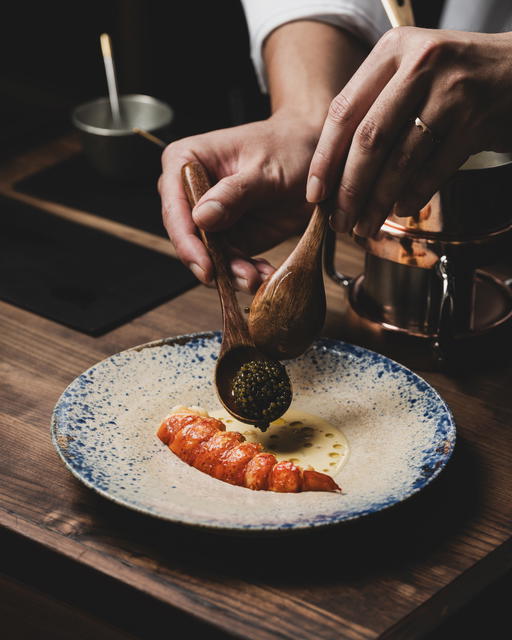
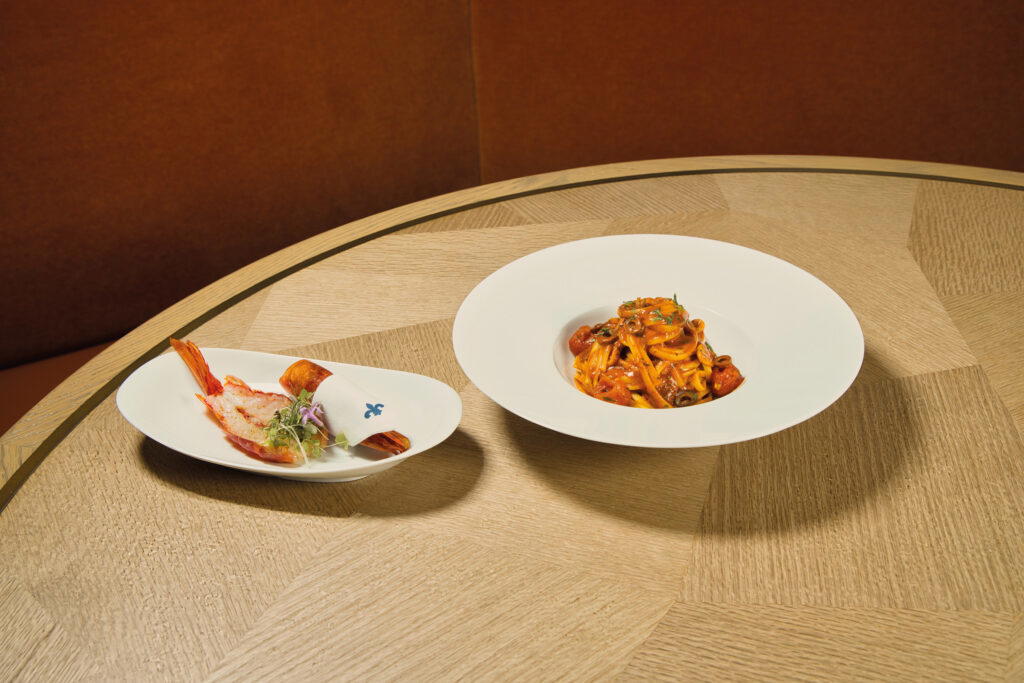
As a result of colder waters, seafood is often more popular during this time of year, too. Diners can enjoy them in dishes like Carabineiros Linguine, Turbot Matelote, and Saint-Jacques Caviar.
Carmignani also turns the spotlight on white truffles. “We’re launching a tasting menu to coincide with Alba’s white truffle season, and autumn is the best time to do this.” For dessert, Coing Fromage Blanc, a cheesecake served with quince variations, Granny Smith apple, and caramelised pecan nuts, is irresistible.
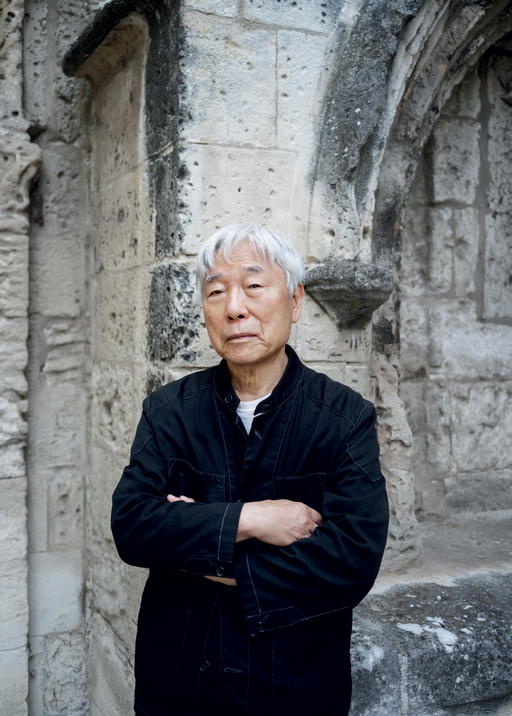
Kazuhiro Hamamoto, Chef-owner, Hamamoto
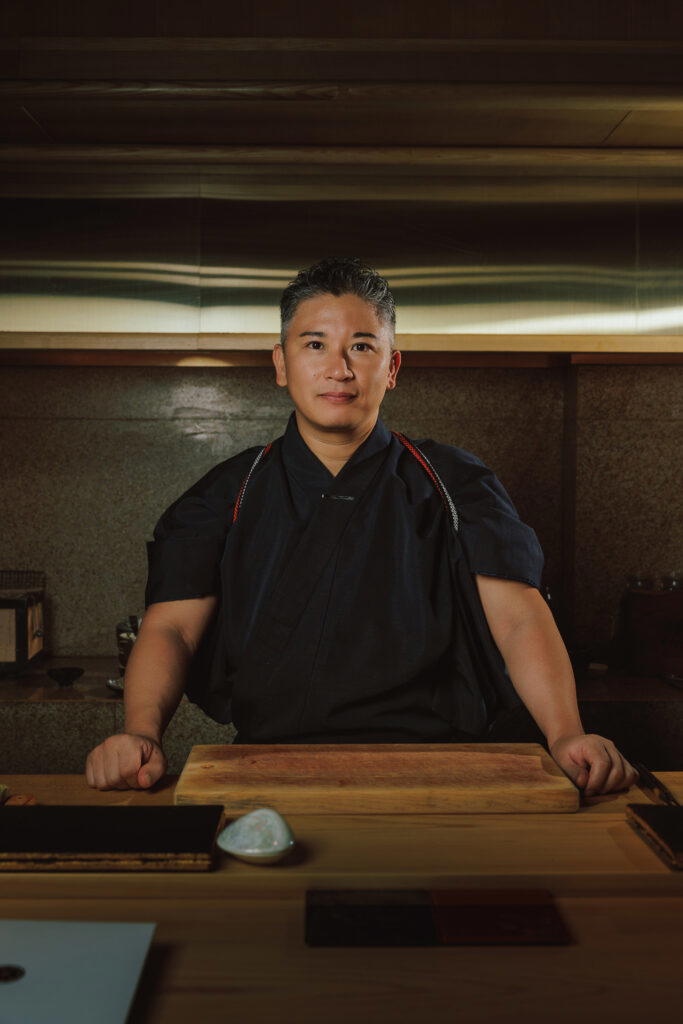
With an omakase and sushi-kappo restaurant, Chef Kazuhiro Hamamoto believes seasons are the soul of the menu. Autumn isn’t just a change in weather, it’s also a feeling that influences how the team prepares food, he emphasises.
“The crispness in the air, the golden colours of the leaves, and the quiet shift in nature all inspire the dishes we create. In Japan, autumn is when many ingredients reach their peak, and I believe the best way to honour the season is by choosing them at their prime.”
Hamamoto, who has honed his craft across Kyoto, Tokyo, and Singapore for more than 20 years, prioritises ingredients like nama sujiko (salmon roe), which reaches its perfect texture and flavour after a long journey from the river to the sea.
“Salmon caught during this period are called autumn salmon. Their roe, connected by a stringy membrane, has a good balance of flavour and texture.”
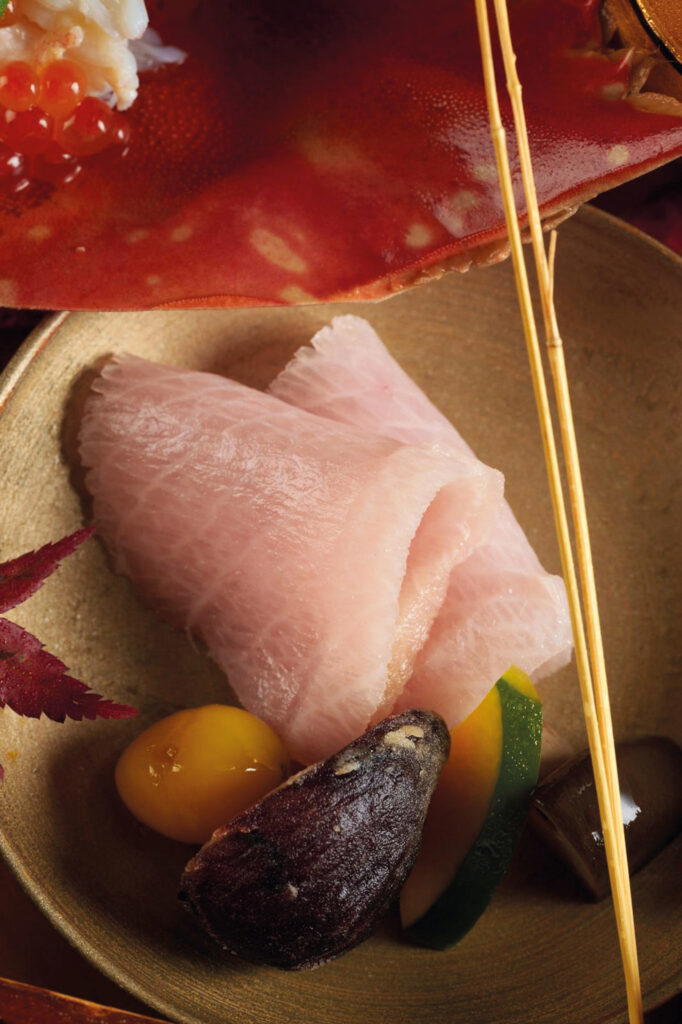
He also looks forward to using kawahagi, also known as thread-sail filefish. In the colder months, this wild-caught species develops an extraordinary flavour in their raw livers.
Kuri (chestnut) is harvested in autumn as well, and Hamamoto uses it for everything from appetisers to desserts. Boiled with the skin on, the comforting earthy flavour reflects the season.
From his menu, the chef recommends the Kawahagi Nigiri Sushi as well as the Nama-Sujiko Nigiri Sushi, marinated in special sake lees for a unique, soft texture. “The roe’s skin yields gently when bitten, giving it a rich, full flavour that is just perfect for the season.”
As autumn is about connecting with nature, Hamamoto certainly conveys this in his creations.