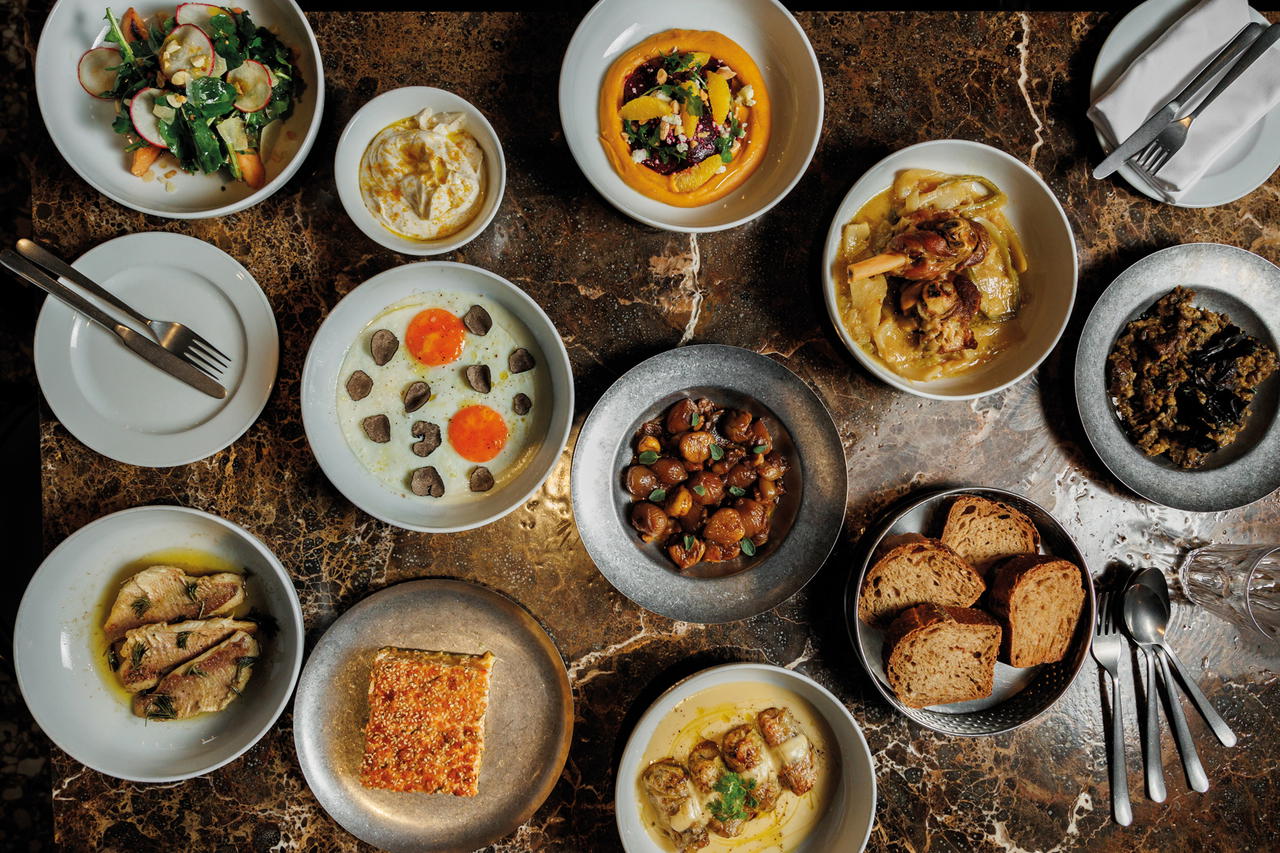
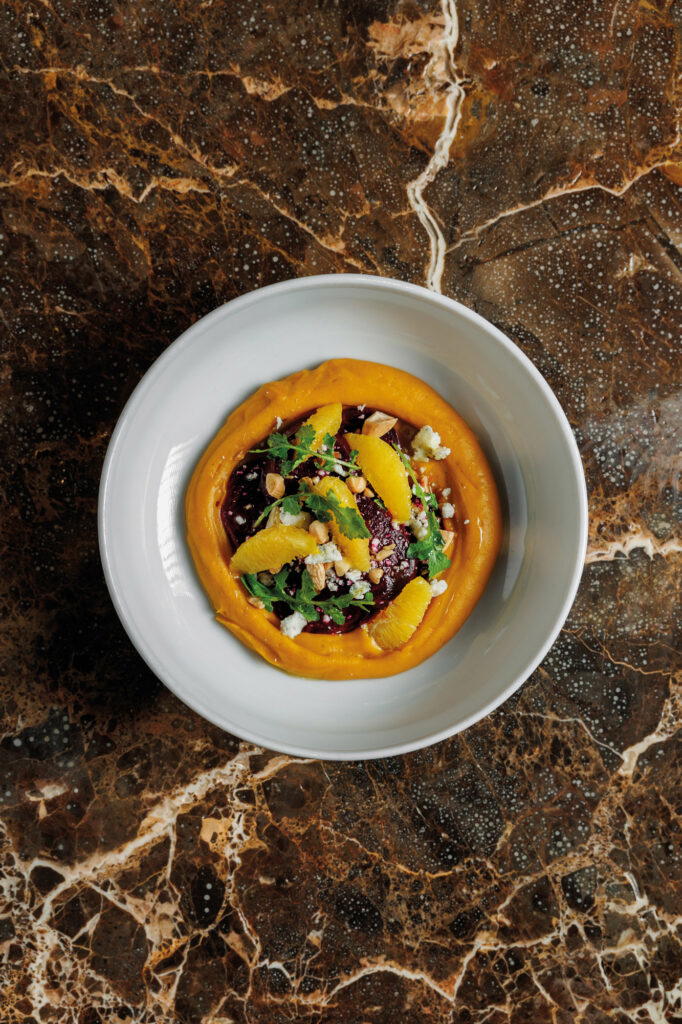
At Pharaoh in Athens, fragrant platters of lamb slow-cooked with lemon arrive along with warming bowls of baked gigantes (giant lima beans) and cabbage rolls stuffed with minced meat and tarhana (fermented grains) on a plain metal dish.
Pharaoh, however, isn’t your typical Greek taverna, even though many of the dishes served at the popular wine bar-restaurant are found in villages across the country. The kitchen runs entirely without electricity or gas; chef and co-owner Manolis Papoutsakis and his team rely solely on wood-fired cooking. Its drinks list, co-founder Fotis Vallatos points out, includes a 400-label natural wine collection that leans towards a more classical style than the radically funky, cloudy releases some say have given this wine profile a bad name.
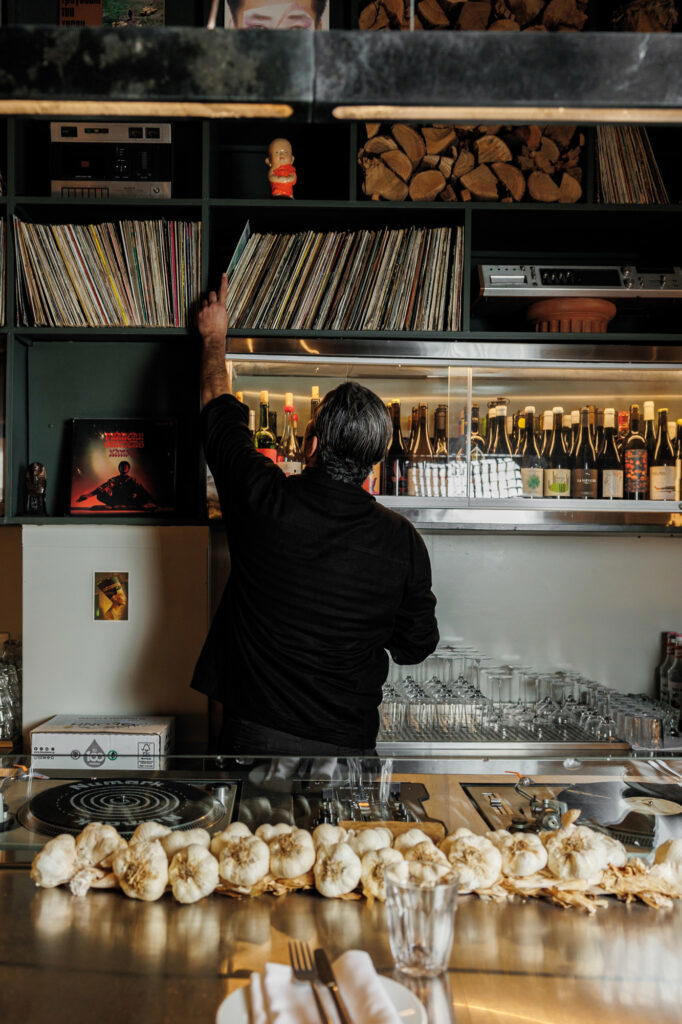
The decor is idiosyncratically post-industrial, mixing mosaic, cement, and stainless steel. As for the loud and lively music, Vallatos’ vinyl collection fuels an eclectic mix of jazz, blues, rock, soul and retro pop played from decks behind the bar counter.
Even many of the artworks—old terracotta urns, a slinky gold panther, a framed photograph of iconic Egyptian singer Umm Kulthum—are from Vallatos’ home: “When we opened Pharaoh, my place was left almost bare,” he laughs.
The restaurant’s name stems from Vallatos’ fascination with Egypt and his love of its music, and references to American jazz saxophonist Pharoah Sanders.
It also alludes to the fishing bait known as pharaoh worms in Greece. “I like to play with the word and avoid obvious parallels. You won’t find that many explicit references to Egypt here,” he says.
Challenging stereotypes
Pharaoh is one of the hottest restaurants in Athens, contributing to a dining scene that ranks among Europe’s most exciting. Although traditional Greek fare, such as tzatziki-dipped pita, Greek salad, lemon-oil grilled fish, and moussaka, once shaped the visitor experience, the city now also offers a more dynamic food landscape.
Alongside traditional stalwarts such as the wonderful Oikonomou Taverna—a long-time gathering spot for artists, politicians, diplomats and actors—Athens boasts a variety of progressive restaurants reimagining 21st-century Greek cuisine. Their chefs are shaking up perceptions and proving the local food culture is as dynamic and pluralistic as contemporary Greece itself.
“Over the last 20 years or so, the perception shifted from Greeks only drinking Retsina [a traditional Greek white wine infused with pine resin] and eating souvlaki [grilled skewered meat in pita bread] to us having a huge range of high-quality ingredients,” says Ari Vezené, a leading light in the Athens gastronomic scene known for his bistronomy philosophy. It offers high-level, sustainability-focused creative cooking that doesn’t limit itself to a particular cuisine in a relaxed, more affordable environment.
“These ingredients are, of course, very pricey today,” he adds. He then explains that in 2008, Greece was badly hit by the global financial downturn, which triggered a decade-long economic crisis. “Now we have lobster parties and chefs serving indulgent meals at island resorts overrun by Russian and British tourists.”
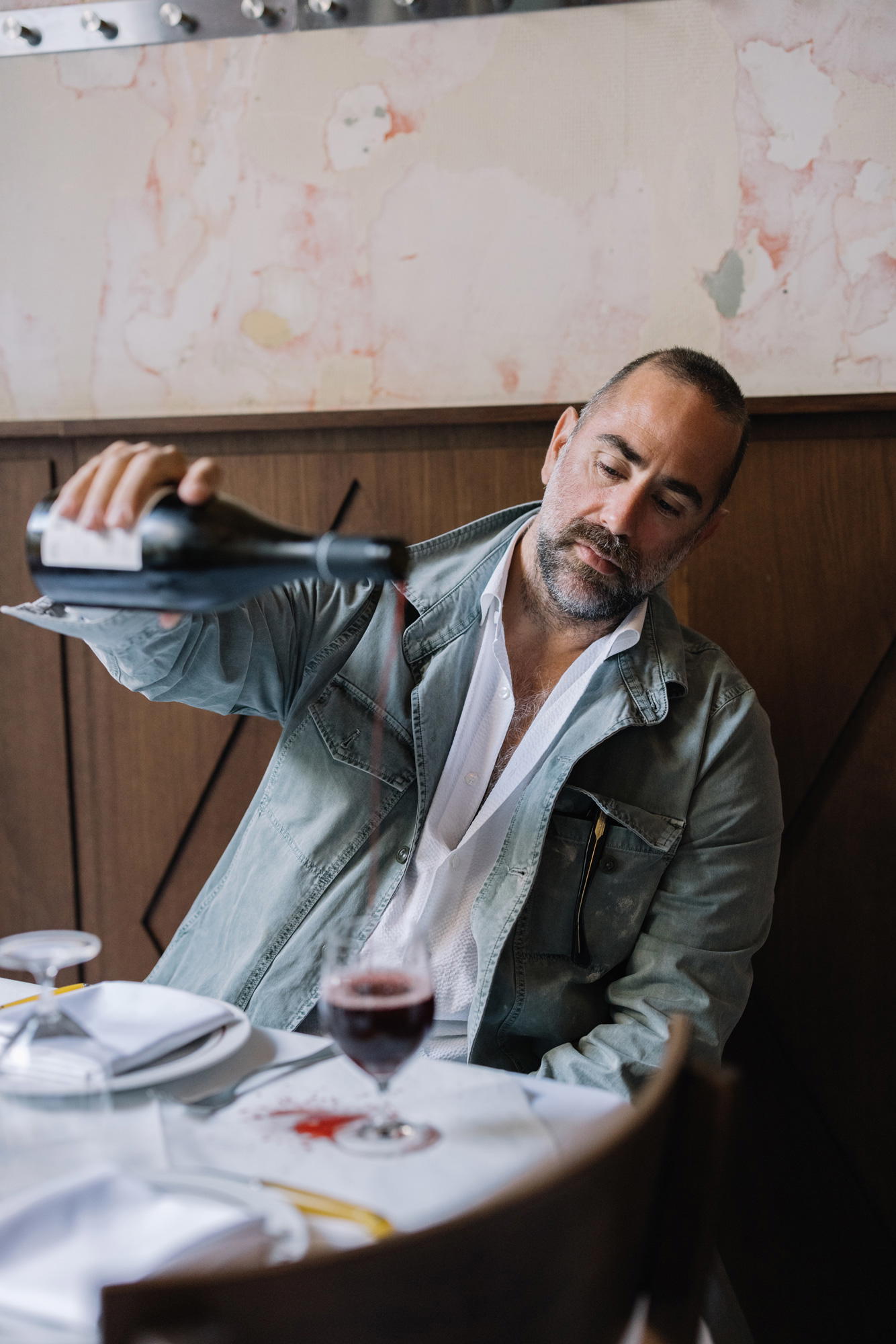
Vezené moved from the US to Greece in 2005, and in 2011, against all advice, bucked the trend of the recession by opening his first Athens restaurant. He now runs several restaurants across the city, including the yakitori bar and record shop Birdman, and Manári Taverna, an open-fire, nose-to-tail tavern that has revived the culture of xasapotaverna, or butcher-owned restaurants.
“The journey to show the world that our food is tasty is done, and now we have an opportunity. In Greece, we are under-represented by Greek restaurants. However, we need to leave behind the food of the 1950s and 1960s—Zorba needs to rest now,” he says, referring to the character in the internationally successful 1964 film, Zorba the Greek, based on the novel by Nikos Kazantzakis.
“Respect your family, village, traditions, and have pride in your country. But we need to tell a story that represents the diversity of Greece. We must move beyond stereotypes.”

Story on a plate
Greek Spanish executive chef George Papazacharias tells his story through magic at Delta Restaurant. It is housed in a jaw-dropping space complete with an amorphously curved bar sculpted from a single brass sheet, trees suspended from the ceiling in mirrored plant pots, and beautiful views of the Athenian coastline.
The former head of R&D at three-Michelin-starred Maaemo and menu designer at Michelin-starred underwater restaurant Under (both in Norway), Papazacharias returned to Greece during the Covid pandemic. A year after opening Delta in 2021, the restaurant garnered two Michelin stars, and in 2023, a green star.
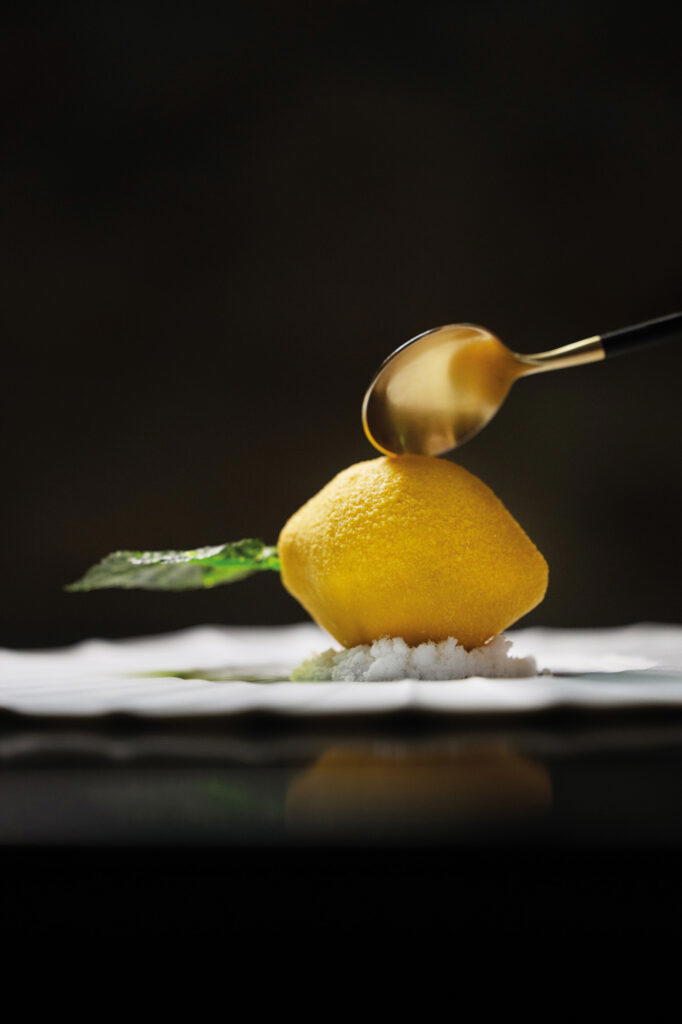
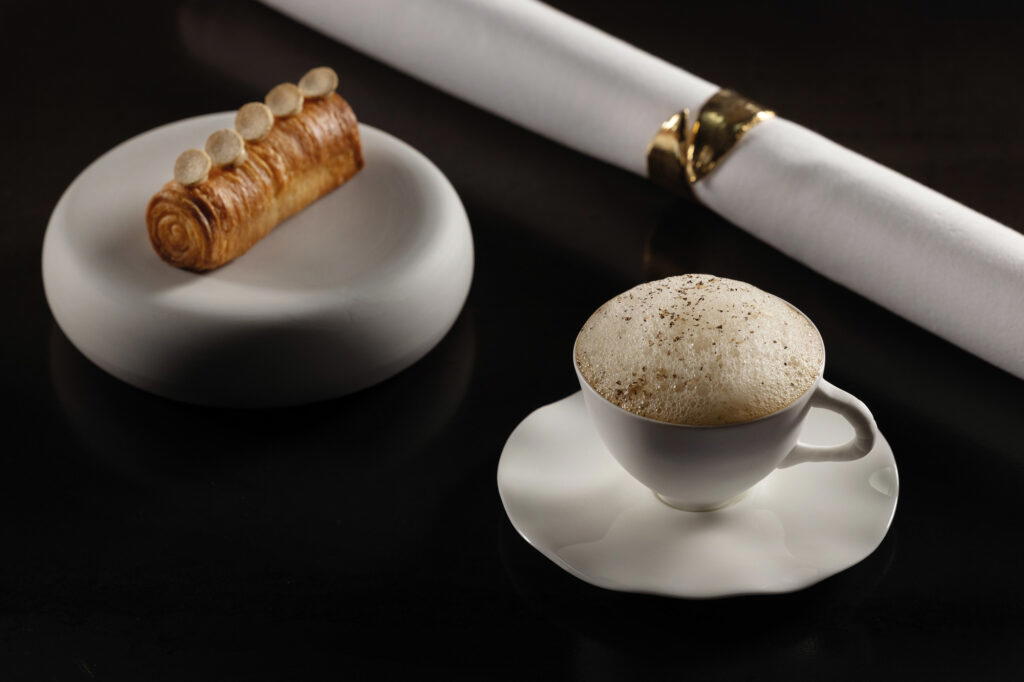
At Delta he maintains a Nordic sensibility, focusing on local and seasonal ingredients, fermentation, and a low-waste ethos. Nonetheless, what he creates is unexpected and illusory. Imagine a stunning, entirely edible deep red calla lily bloom with a cured egg yolk stamen, or a deep-water clam encased in a shell made of potato.
Also picture by-catch squid with tentacles of kohlrabi and fermented white asparagus, and eyes of fermented chive flowers, and a fat green caterpillar made of soft cookie dough, which comes to the table wrapped in chervil sorbet with the fragrance of tangerine flowers.
“The forest is the biggest inspiration for the restaurant,” says Papazacharias. “I live outside Athens and like to be alone to think of dishes, to become one with nature.”
Nature & childhood memories
Papazacharias is just one of the chefs who returned to Greece during the Covid pandemic. Cooks returning home from across Europe—and particularly from the UK, nudged on by Brexit—brought new ideas to the city’s dining scene.
“Post-Covid has been a gamechanger,” says Petros Dimas, chef-patron of Michelin-starred Makris Athens by Domes, which is built above an archaeological site near the Acropolis. Its glass floor lets guests observe the ancient city below.
“Talented Greek cooks have brought world-class work ethics and a scientific curiosity to the country. This has injected the local scene with new philosophies on waste management and kitchen hierarchy, raising the overall professional standard of the city significantly.”
About 95 percent of the vegetables, herbs and greens used at Makris, which opened in 2023, come from Dimas’ parents’ organic farm in Corinth in south-central Greece. Dishes such as The Bouquet from Dad’s Farm showcase the local terroir.
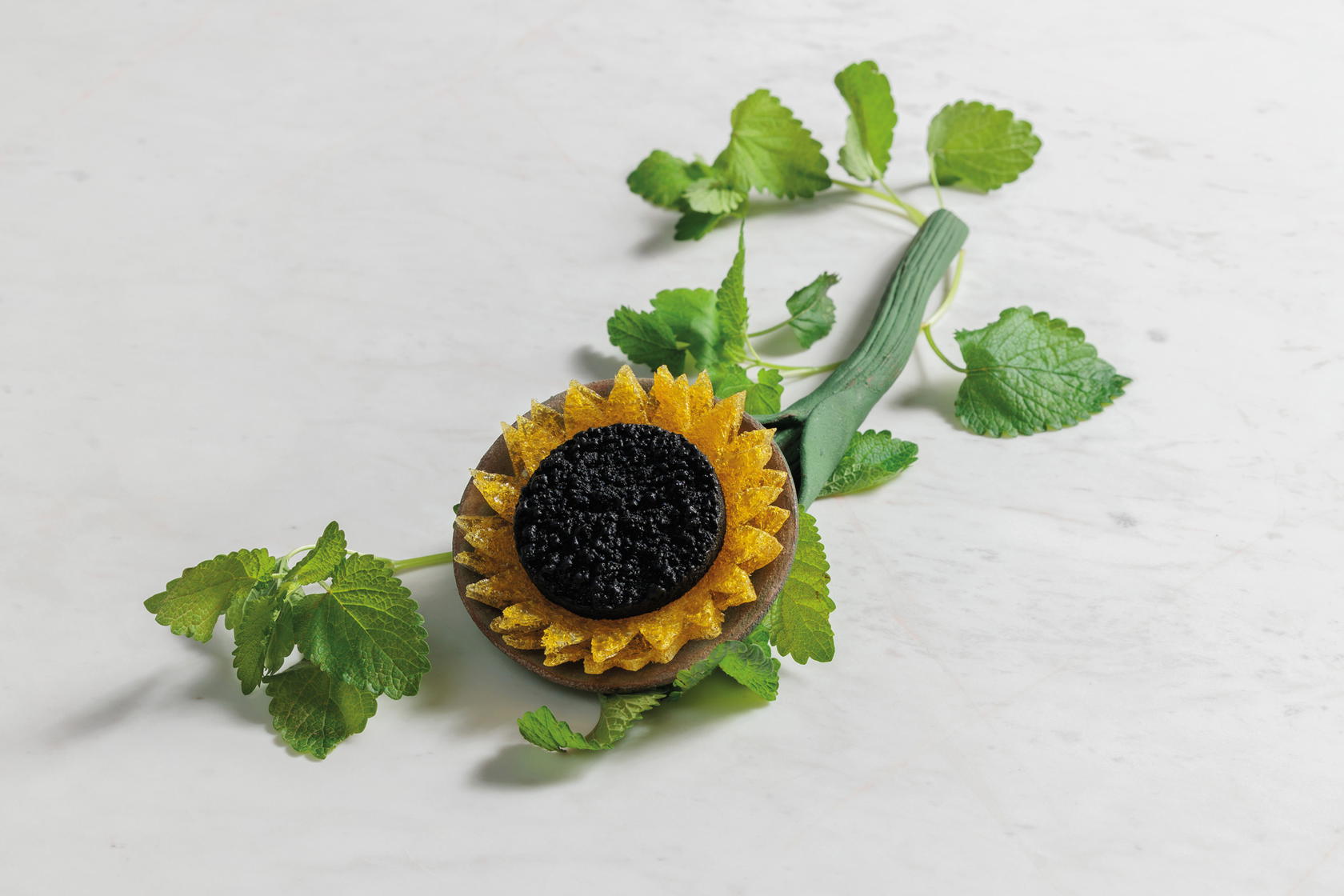
This dish is a paradisiacal posy of aromatic herbs and flowers served with avocado cream and vinaigrette made of extra virgin olive oil, macadamia nuts, 10-year-aged balsamic vinegar, pomegranate molasses, and sparkling fresh pomegranate arils.
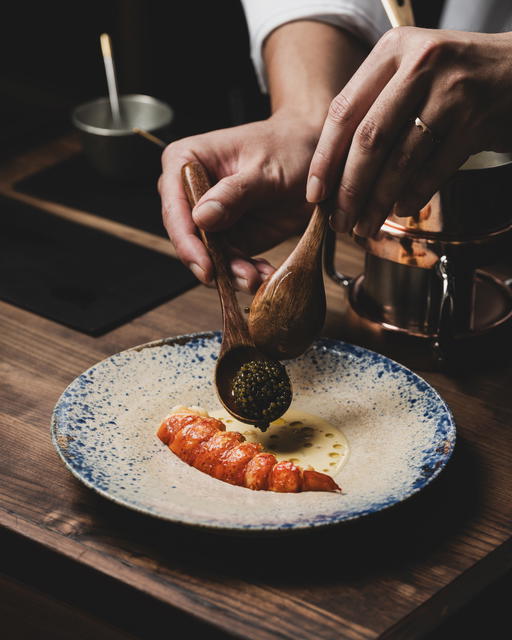
Two Temperatures of Hellenic Langoustine also highlights the terroir. A langoustine tail is lightly cured and topped with curling strands of crisp ginger, while purple radish flowers hide langoustine tartare.
“I focus on unmasking an ingredient rather than hiding it,” says Dimas. “We aim to create a bridge between the simplicity of raw produce and the sophisticated techniques of modern gastronomy, ensuring every dish tells a story of the Greek land.”
At Michelin-starred Botrini’s, which opened in 2011, lauded Italian Greek chef Ettore Botrini presents dishes inspired by his childhood memories growing up on the island of Corfu as well as by his Italian roots.
As an example, his signature dish Carbonara does not contain pasta. Instead, it is a cream of pork cold cuts prepared in the winter months on Corfu, along with smoked swordfish belly and hazelnuts caramelised with whipped coffee and vanilla.
Meanwhile, two major new gastronomic events in Athens have also helped crystallise the dynamism of Athens’ present culinary sizzle. GastrosoΦy Fest 2025 gathered winemakers (and wines), lauded international and local chefs, including twins Spyros and Vangelis Liakos behind Ateno and other hotspots, as well as local foodies at a stone warehouse in Piraeus Port.
In February this year, the Athens Gastronomic Forum, organised by food writer Dimitris Antonopoulos and his wife Ermina Tsouma, included two days of talks by major international talents and some of the most progressive chefs in Greece today. While each chef embodied their own unique approach in the kitchen, they shared a common theme. As Vezené puts it: “Let each cook tell his or her own story and allow the global community to experience the diversity of Greek cuisine.”