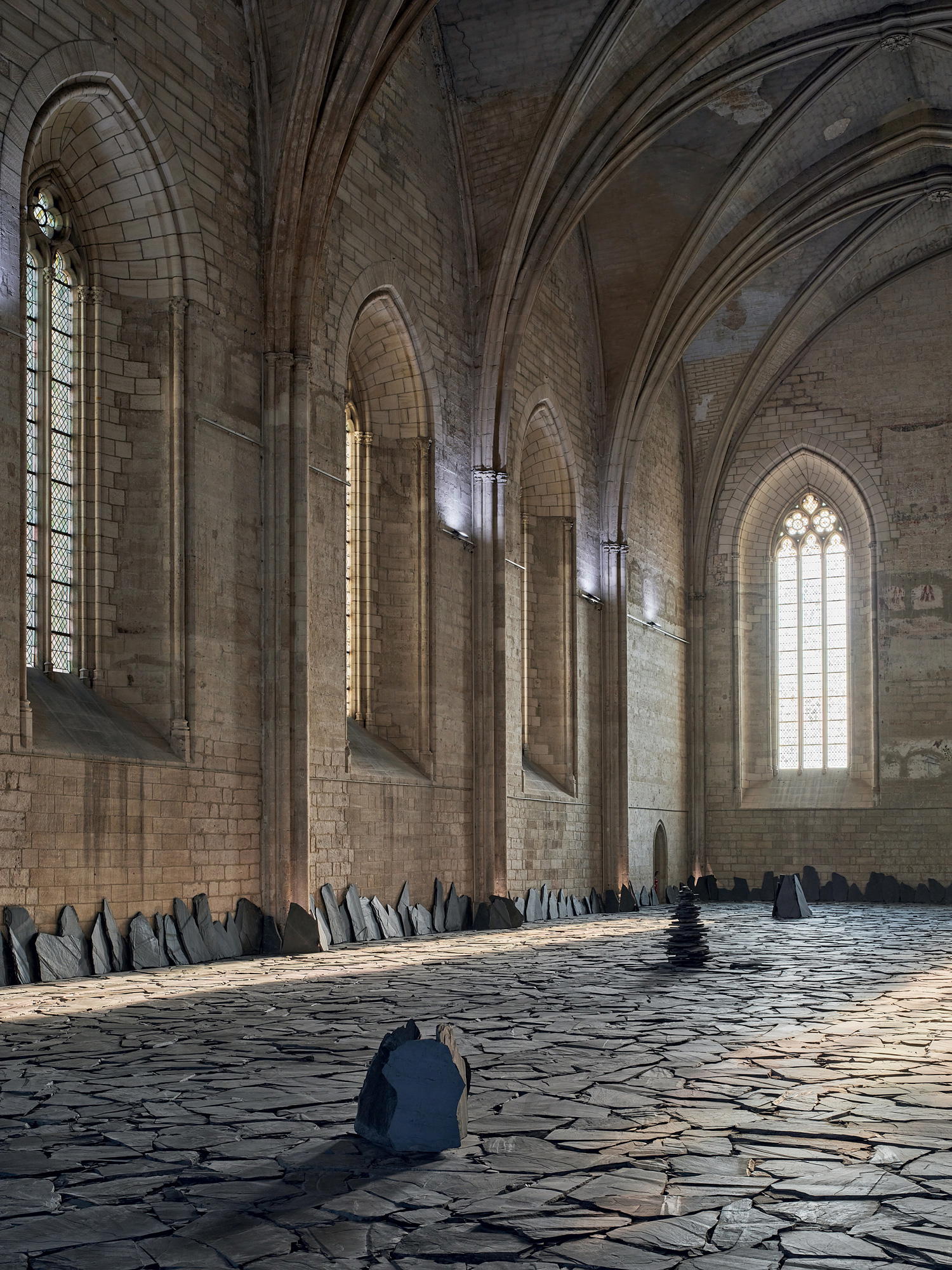
Broken slate shifts beneath my feet. I am standing inside ‘Relatum – Primitive Room’, a 60-tonne mineral landscape across the Grand Chapel of Avignon’s Palais des Papes in southern France. My privilege of walking on it—access otherwise off-limits to visitors—is made even more by the fact that I am doing so with Lee Ufan.
Beneath soaring Gothic vaults, the black-grey slate fragments feel less installed than unearthed. The artwork is the centrepiece of his solo exhibition “Relatum: Lee Ufan”, on view through 15 November.
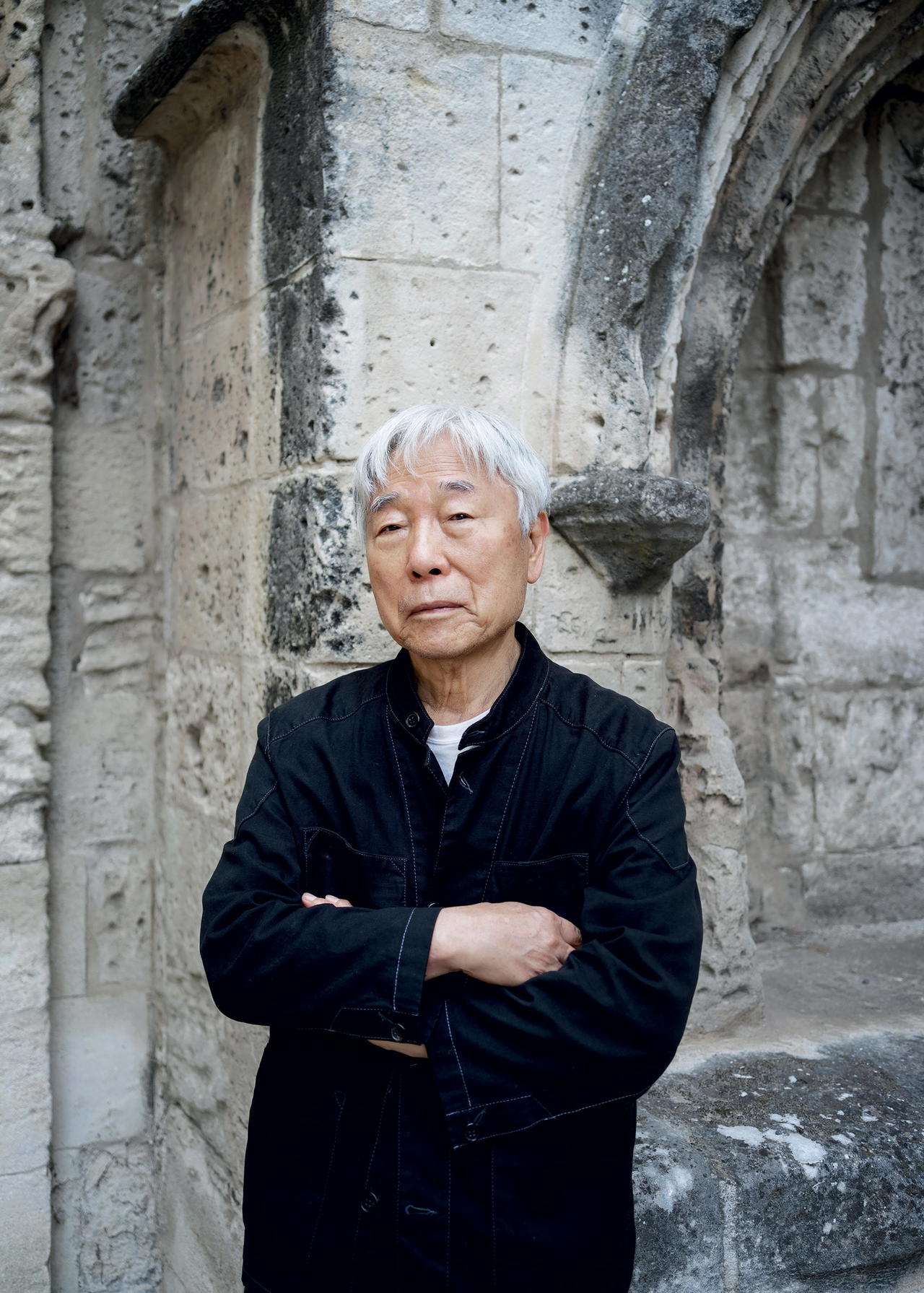
At 90, the South Korean artist moves through it as if listening to the vast space. “It is a stone chamber within a stone chamber,” he says. “Through this wild, primordial aspect, I wanted to reveal the origin of humanity and the relationship between humanity and nature.”
That relationship has occupied Lee for nearly six decades. Born in 1936 in Haman, a hilly rural county in South Korea, he grew up in a traditional Confucian household under Japanese occupation, then lived through war and national division.
Back then, boys traditionally received a personal education at home, with poetry, Chinese classics, calligraphy, and painting shaping his childhood. One memory of his teacher endured: a famous man of letters contemplating blank paper before placing a single, startling brushstroke. Something appeared and spread out. “This was surprising to me as a child,” he recalls, “and this experience still surprises me when I paint. Something appears from nothing, and you discover something new.”
Lee enrolled in painting at Seoul National University in 1956. Months later, his father sent him to Japan with medicine for an ailing uncle, who persuaded the then 20-year-old to stay. More drawn to books than art-school norms, he shifted direction, studying literature and philosophy and graduating from Nihon University in Tokyo in 1961.
Phenomenology, structuralism, Eastern metaphysics—alongside Martin Heidegger and Maurice Merleau-Ponty—sharpened his thinking. They taught him to free perception from rigid cultural traditions, to experience the world through direct encounter rather than representation, to value blank space over over-filling a canvas or sculpture, and to see the audience’s physical presence as vital to activating an artwork.
MAKE SOME ROOM
By the late 1960s, Lee became a co-founder and principal theorist of Mono-ha (School of Things), a loose-knit avant-garde art movement that emerged in Tokyo. Amid industrial acceleration and political revolt, its artists resisted making more objects. Stone, steel, glass, mirror, rope, wood, and earth— met in spare, unstable encounters. Lee’s 1968 ‘Phenomenon and Perception B’ installation—a rock dropped onto a glass sheet laid over a steel plate—made force, fracture, and gravity the artwork’s visible materials.
Lee later renamed his sculptures ‘Relatum’. The word is fundamental. “It is about connections—something formed through relationships. So, my work is not about presenting objects but about presenting relationships.”
“I always want to work with what already exists. I recombine, rearrange, and refine what has long been there. It is not representation but reinterpretation.”
A boulder and steel plate are not symbols to decode. They are presences brought into tension with each other, with the room, and with the viewer. Natural and industrial, stillness and latent force—each intensifies through the encounter.
Absence does equal work. In a world that fills up without pause, Lee leaves room for air, silence, and the unmade. A stone, mirrored plane or single mark activates the untouched floor, unpainted canvas and the intervals between elements.
“Today’s civilisation leaves us almost unable to breathe, as though we are buried beneath layers of what we have created. We need to create more space; to leave gaps. We must begin to enter into dialogue with what is not made.”
YOU DIDN’T SEE IT, NOW YOU DO
This economy transforms a room. A painting does not merely hang; a sculpture does not simply occupy. One concentrated gesture alters how light, distance, and emptiness register, making the overlooked noticeable and the space non-ordinary.
“My method is always to work with what already exists. I recombine, rearrange and refine what has long been there,” he insists. “It is not representation but reinterpretation—a new proposal that casts fresh light on what already exists. Through this process, what was previously invisible becomes visible.”
Viewers complete the circuit: object, body and environment continually remake one another. Meanwhile, painting and sculpture move this circuit from opposite directions. Painting begins closer to the interior with mind, imagination and bodily action and sculpture leans outwards into actual space. Stone and metal pull Lee back towards canvas; painting sends him out again.
“When I want to engage more directly with the exterior—the outside world—I make sculpture,” he says. “Then, after working in sculpture for a while, I sometimes feel the desire to return once again to the interior. That is when I return to painting. The two complement one another.”
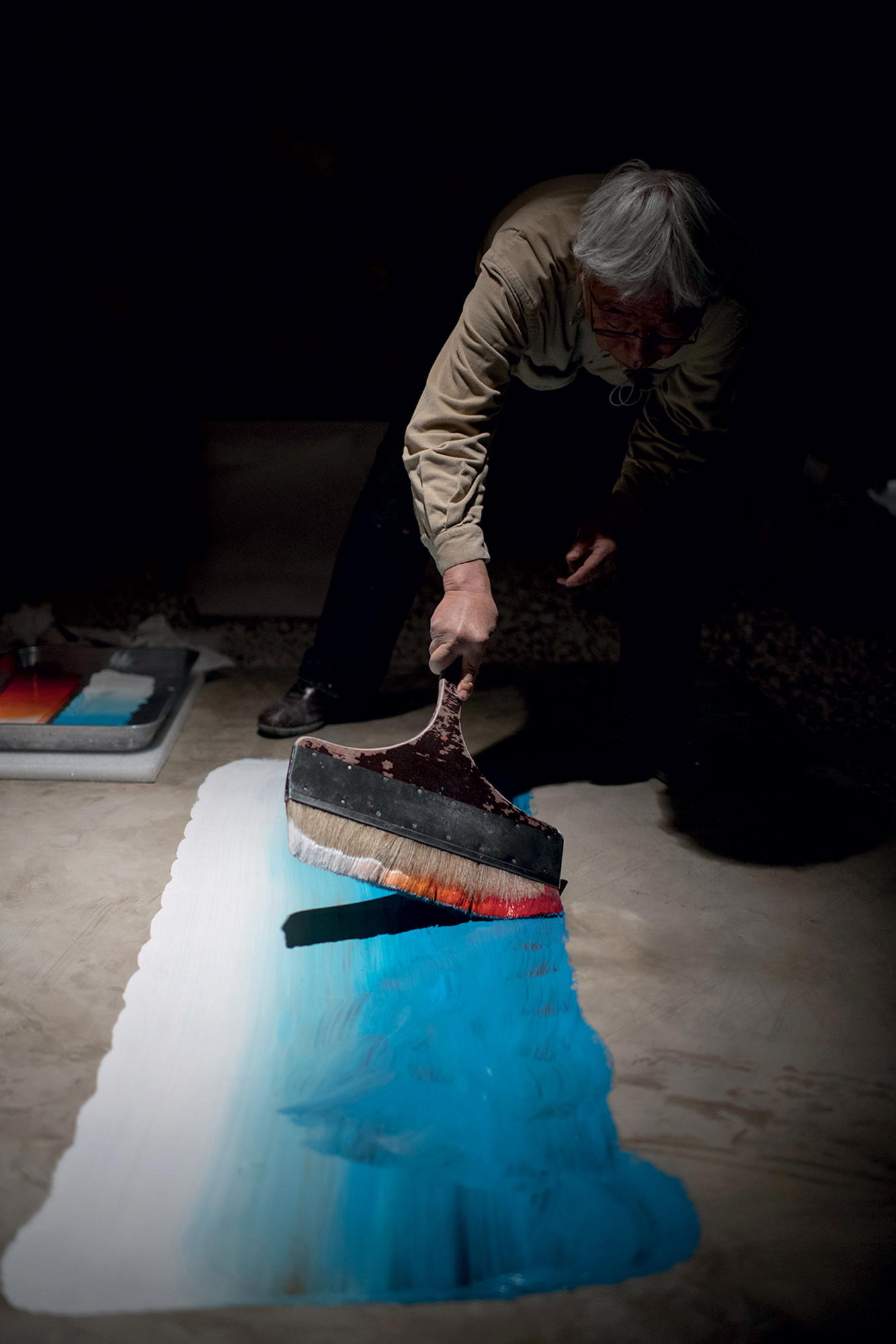
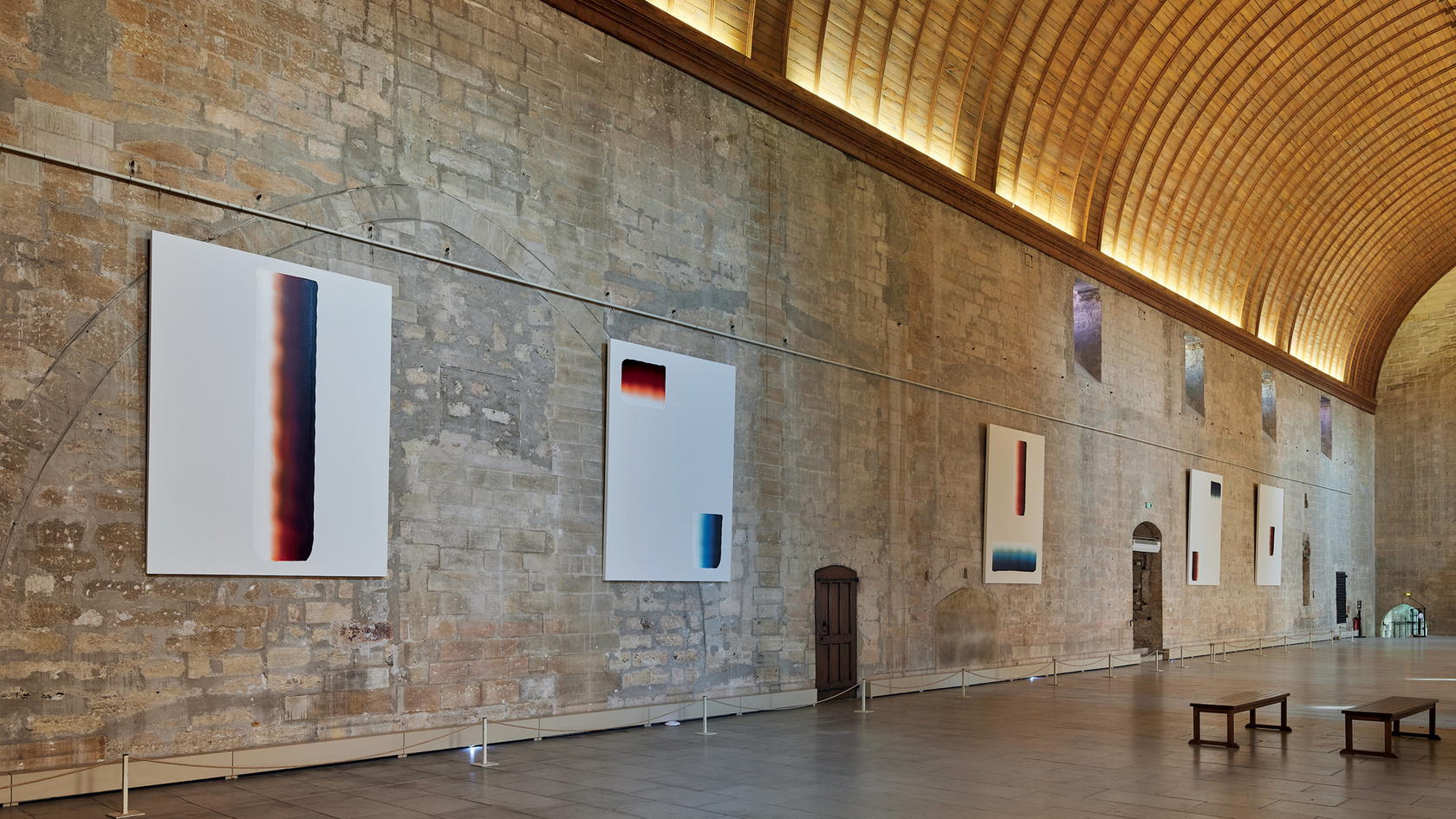
Lee’s canvases chart that exchange across time. In the ‘From Point and From Line’ 1970s series, a brush loaded with mineral pigment and glue repeats dots or lines until the colour thins into nothing. This is done with sequences that register breath, duration and difference within repetition.
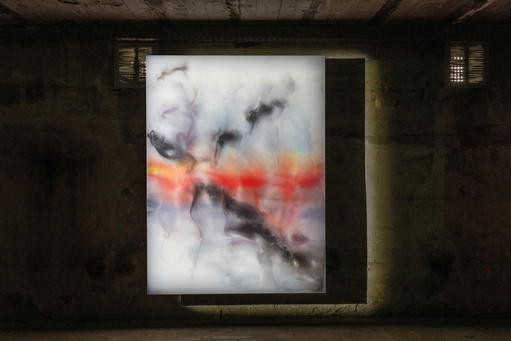
‘From Winds and With Winds’ (1980s) loosens into sweeping movement, and ‘Correspondence, Dialogue’ and now ‘Response’ (1990s) progressively reduce the marks, increasing the pressure between gesture and white ground. Less paint created more space.
GET THE CONVERSATION STARTED
The process remains exacting but receptive. Lee steadies his breathing and works with brushes broad enough to turn one stroke into an event. In quarries, he chooses stones that are as common and expressionless as possible, which have been shaped over long periods by the elements; scale and site determine their position. Ideas begin in place, not as formulas. “I walk, I sit, I reflect, allowing my imagination to move freely. I ask myself: What kind of dialogue can I create here?”
He develops several possibilities, then chooses the best opportunity the location can sustain. In ‘Relatum: Lee Ufan’, that method unfolds across a Unesco World Heritage Site laden with seven centuries of history that once served as a fortress and papal palace.
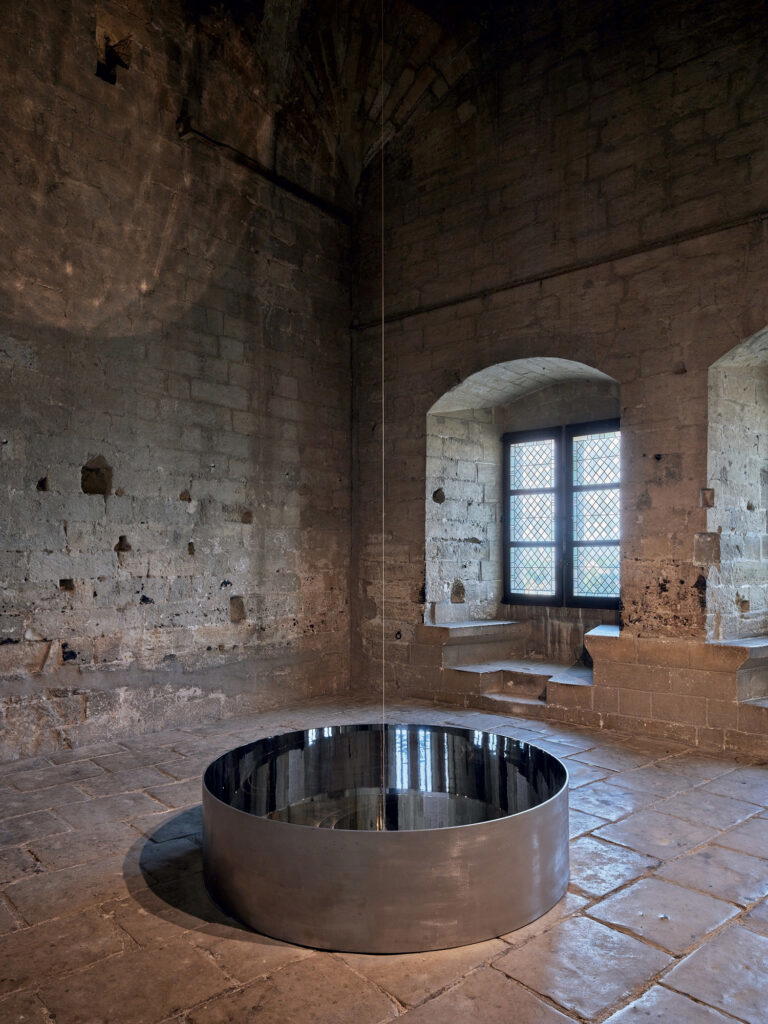
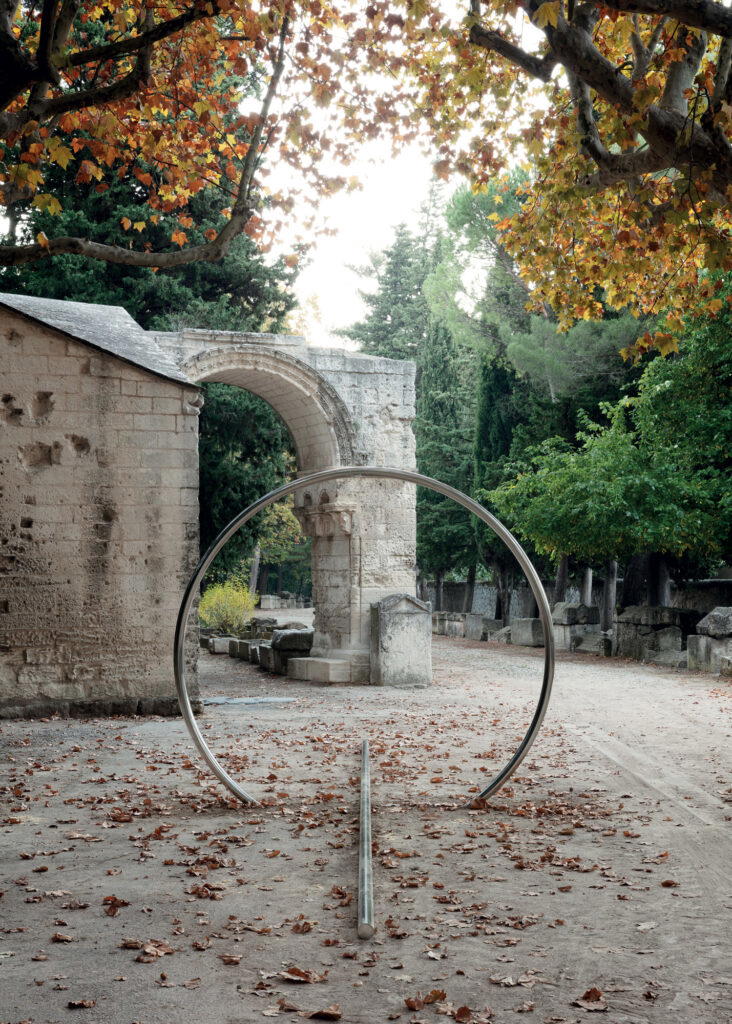
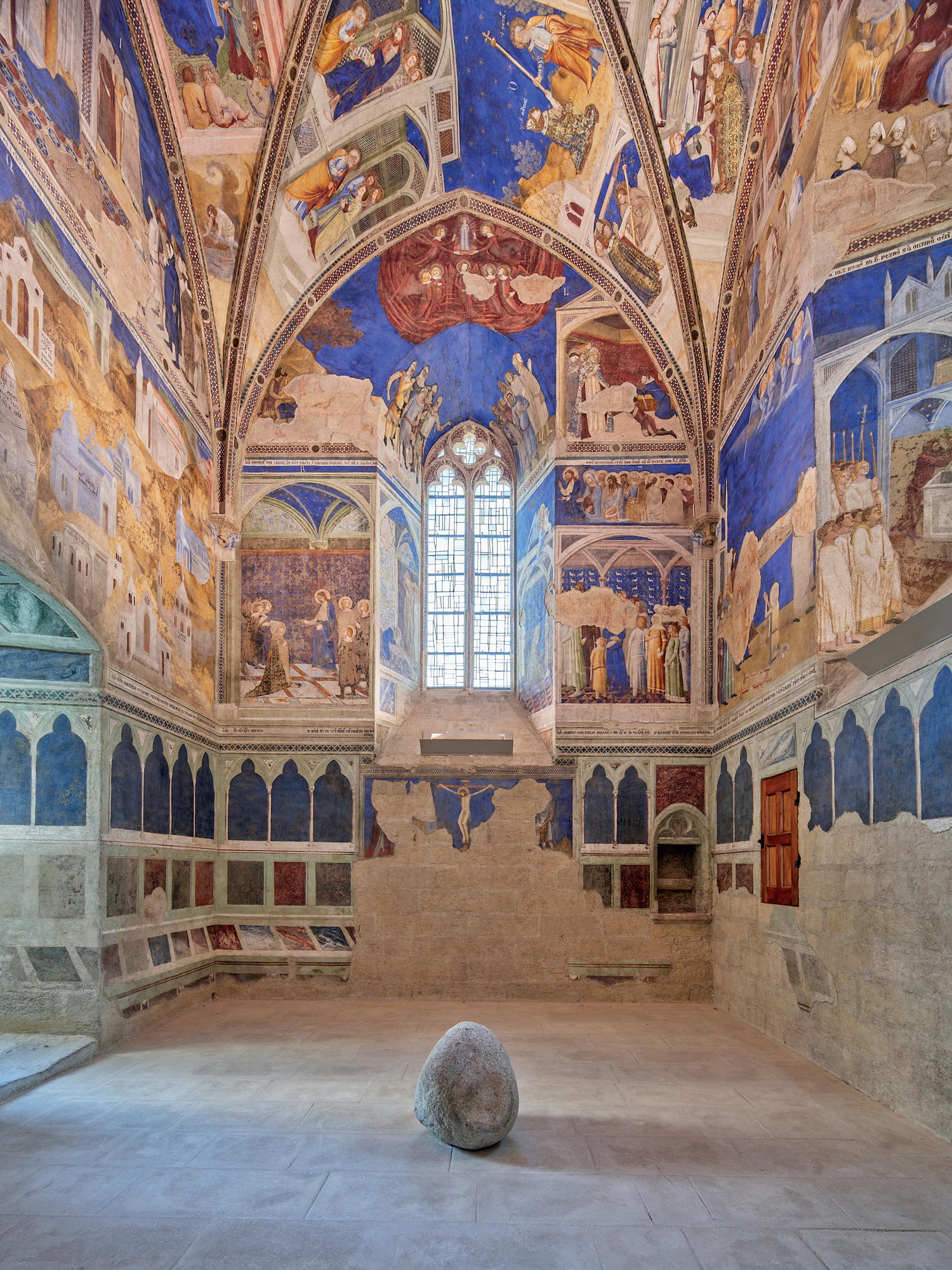
Besides ‘Primitive Room’ and five immense ‘Response’ paintings, three previously unseen installations were conceived for specific spaces. A mirrored cylinder links the earth and sky; a stone summons an absent presence; and a stainless-steel ring and line become a meeting place between the entire past that has passed through the monument and the world of the future.
“The exhibition offers a glimpse into ancient times. Visitors who pass through this place may sense traces, scents, and breaths of history. I will be very happy if this exhibition inspires them,” Lee concludes.