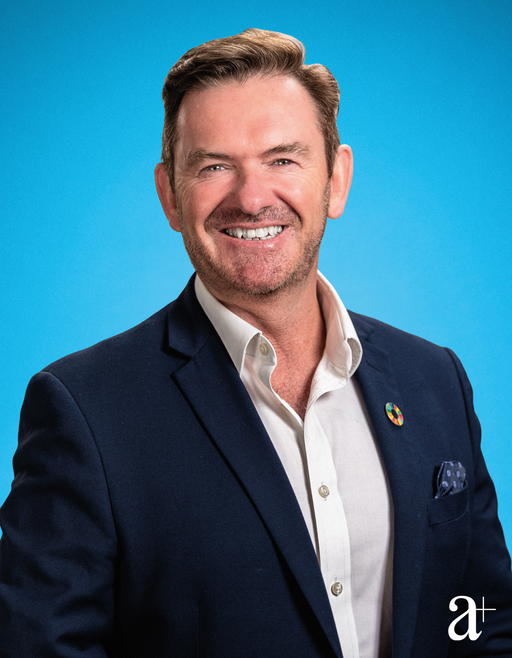
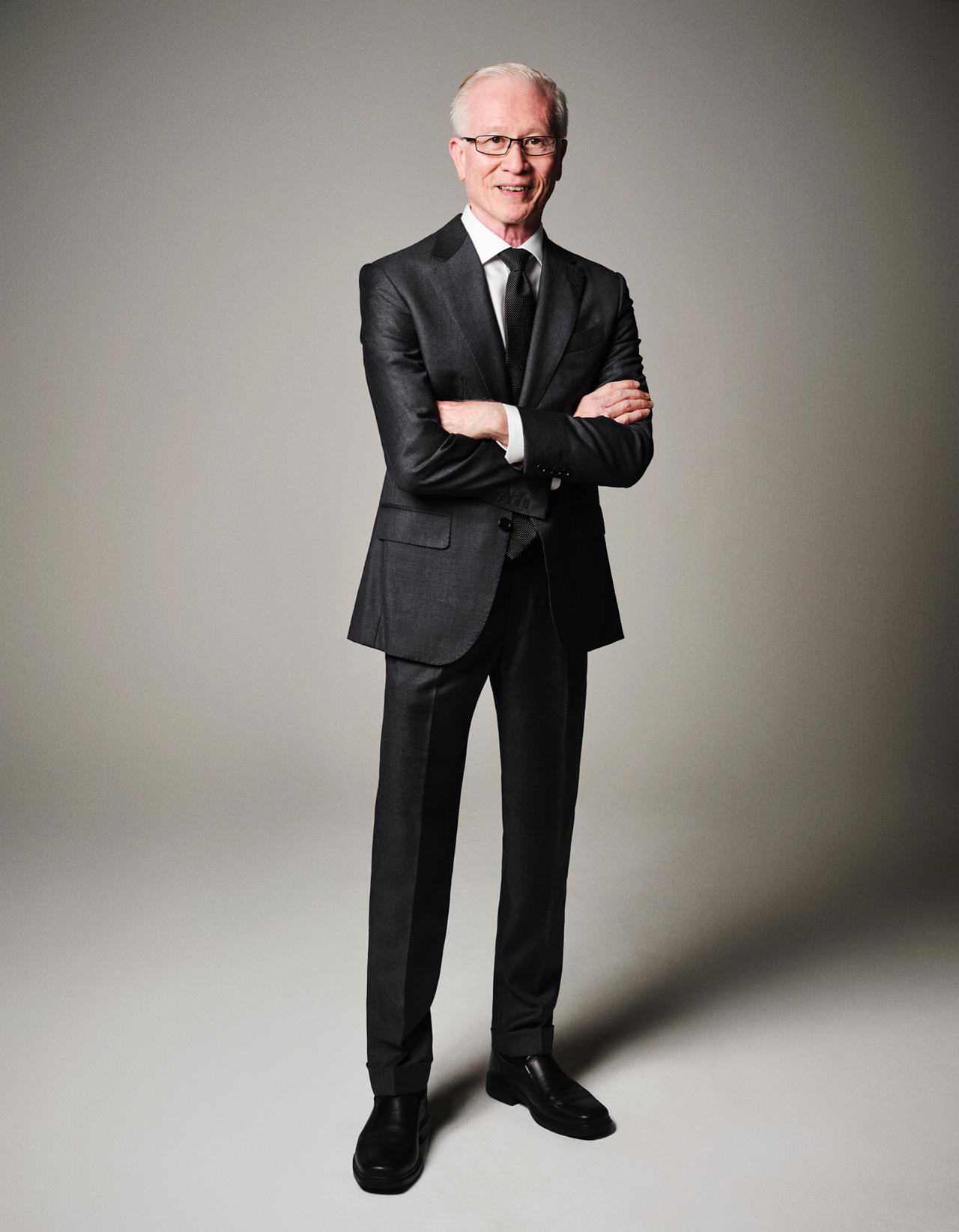
Arthur Fong frequently compares Western opera to the highly popular Korean dramas. “It’s a bit of an oversimplification, but if you enjoy the latter with their love triangles, intrigue, and plotting, I always suggest giving Western opera a try.”
As with Korean dramas, the lack of spoken English won’t be an obstacle. Subtitles help you follow the storyline. The drama and intrigue, according to Fong, will also keep you on the edge of your seat.
Fong is a testament to the opera’s appeal. He doesn’t speak French, German or Italian fluently, but still loves watching productions.
He has chaired the Singapore Lyric Opera (SLO) since January 2016. In that time, he’s guided Western opera’s growth in the country, especially through the pandemic. With theatres and halls closed, art practitioners had to adapt. Local opera companies and organisations used social media and digital platforms to stream performances directly to viewers’ homes.
Ironically, the physical restrictions made entertainment more accessible as people diversified their entertainment preferences. More and more took notice of Western opera’s myriad offerings.
“It’s a bit of an oversimplification, but if you enjoy the [Korean dramas] with their love triangles, intrigue, and plotting, I always suggest giving Western opera a try.”
Arthur Fong explains the similarities between Western opera and popular Korean dramas
Their journey mirrors Fong’s love for Western opera. He admits that he had little exposure to the art form before joining the SLO. After being part of the organisation and seeing the work and dedication first-hand, he fell in love with it.
“The SLO has staged some of my favourite operas, including Puccini’s Turandot, Verdi’s Aida, and Donizetti’s L’elisir d’amore. In these productions, the performers and production team demonstrated exceptional talent and craftsmanship. The powerful vocals, intricate staging, and emotionally charged storytelling left a lasting impression on me.”
Fong’s work isn’t done yet. To continue the growth of Western opera in Singapore and the region, he has lined up several initiatives. For instance, he realises the importance of social media in an era of declining attention spans. As a result, interns manage the SLO’s TikTok channel.
The organisation also continues to make Western opera accessible to the public by offering affordable ticket prices and bringing experiences to diverse communities. “By breaking down barriers and creating inclusive spaces, we hope to foster a sense of connection and enthusiasm among supporters of the operatic arts.”
As with any community, Western opera also needs regular infusions of new talent. With the help of the SLO, aspiring artists can take advantage of training, mentorship, and performance opportunities in regional opera communities. The goal is to build a sustainable pipeline of talented performers.
“We want to put Singapore on the map of the international opera scene.” With the way Fong and his team are progressing, we won’t be surprised if Western opera starts being talked about with as much fervour as Korean dramas in the future.