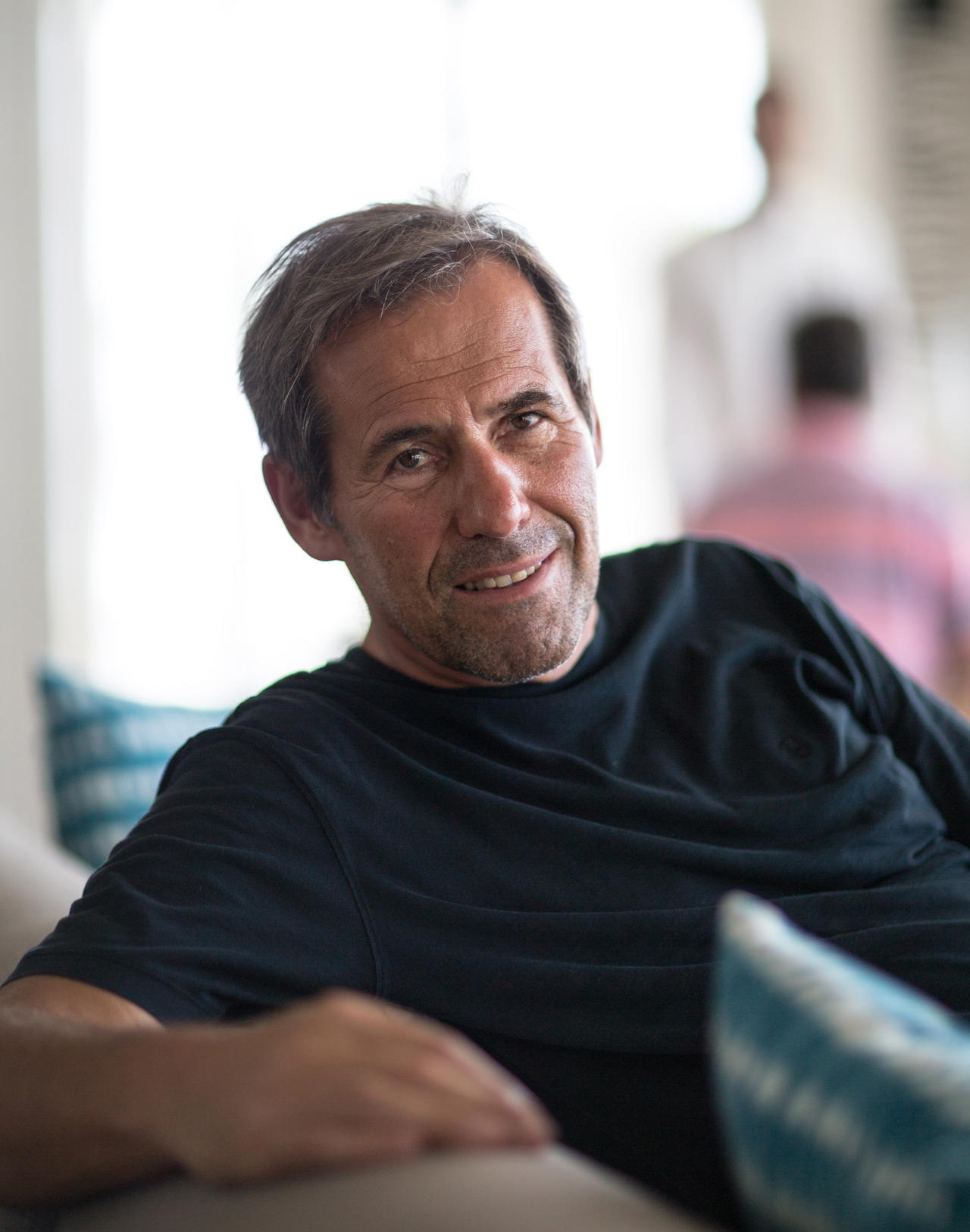
From Aman to Four Seasons, visionary architect Jean-Michel Gathy has developed some of the world’s most luxurious hotels and resorts. Just don’t ask him to pick a favourite because he’ll tell you, “It’s like asking someone who has four children which is their favourite! I love them all equally.”
With a career spanning four decades, Gathy is the principal of Denniston in Kuala Lumpur, Malaysia. Specialising in architects, planners, landscapers, and other services primarily related to the hospitality industry, it was founded by him in 1983. Its portfolio also includes banks, boutiques, and offices.
His love for hospitality architecture, he says, came naturally. The architectural and geographic aspects of Gathy’s family trips fascinated him as a child. When he was seven, he was tasked with planning a family holiday across Europe, which required him to locate landmarks, villages, and landscapes. It was unknown to him then that the experience he gained would lead him to the career he chose.
“No one wakes up one day and decides, ‘I’ll only design luxury hotels’. It doesn’t work like that. I was fortunate to be given opportunities, which I embraced. In that sense, I suppose I have done relatively well.”
Gathy, who enjoys the lively atmosphere of apres-skiing, meeting new people, and experiencing different cultures, talks about the soon-to-open Aman Nai Lert Bangkok and his continuous self-criticism. He also shares examples of his past work.
How did you become an architect?
I’ve always been a creative person, with a deep appreciation for art and craftsmanship. I
enjoy reading about art, visiting galleries, and admiring the work of skilled craftsmen. I’m also fascinated by military architecture—forts and citadels. Their functionality and artistry left a lasting impression on me, and that ultimately drew my attention to architecture as a profession.
How would you define good design?
Good design serves its intended purpose effectively. I believe a building should be
balanced, harmonious, and visually attractive. Geometry creates order and balance, and ensures the structure is pleasant to the eye. In my vision, these elements are essential for creating designs that stand the test of time.
The Aman Nai Lert Bangkok is scheduled to open in Q1 2025. What was your design approach?
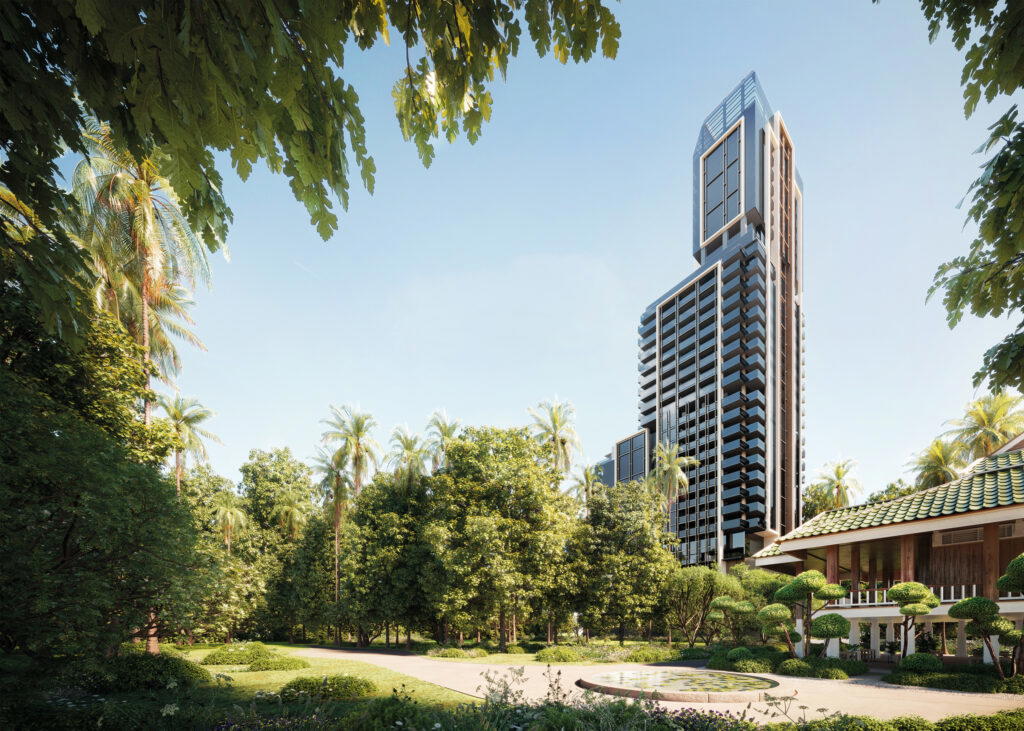
It is a unique property. Located in a beautiful, historic garden, it is a tranquil retreat amid city life. Its owners are deeply attuned to heritage and design, so working on this project was rewarding and reassuring.
As it was a high-rise building without expansive grounds or river views, we focused on creating exquisite refinement and comfort. Thai art, colours, and materials inspired the interior design, which embodies elegance and softness. As it stands now, the Aman Nai
Lert Bangkok appears as a refined “box” from the outside. Inside, it is a world of understated luxury and sophistication.
In the past decade, how has the luxury hospitality scene evolved?
There has been a shift towards smaller bespoke properties offering unique experiences centred around art, sport, culture, history, or a specific location. I am delighted with this move towards a more personalised, meaningful, and targeted experience, which I enjoy creating. More than a place to stay, every property tells its own story and connects deeply with its guests.
“No one wakes up one day and decides, ‘I’ll only design luxury hotels’. It doesn’t work like that.”
In hotel design, why is sustainability so important?
About 25 years ago, designing green properties with energy-saving technologies was considered cutting-edge. Since governments, systems, and building codes have incorporated sustainable solutions into their legal framework, an architect no longer needs to be a visionary to use them. It simply makes him a respectful professional adhering to his obligations.
Sustainable living goes beyond merely following the law. We have a moral obligation to protect the planet. There may be a tendency to think of it as a trend or buzzword, but that shouldn’t be the case. It is a necessity we must all embrace.
Are there any new projects you’re most excited about?
We say in our business that you are only as good as your last project. We have 22
projects in the pipeline, including Cheval Blanc, Four Seasons, Capella, Rosewood, and Waldorf Astoria. The Ayla in the north of the Maldives is another incredible project we are developing. We also handle renovations of iconic properties such as the Amanyara.
Do you stay at hotels you designed?
Yes, but it’s not about excitement or the ego; it’s an opportunity for self-criticism. Analysing the design allows me to determine what worked well and what could have been
improved. I might think, “This space is too big” or “That detail is too small” and use such observations to refine our approach in future projects.