
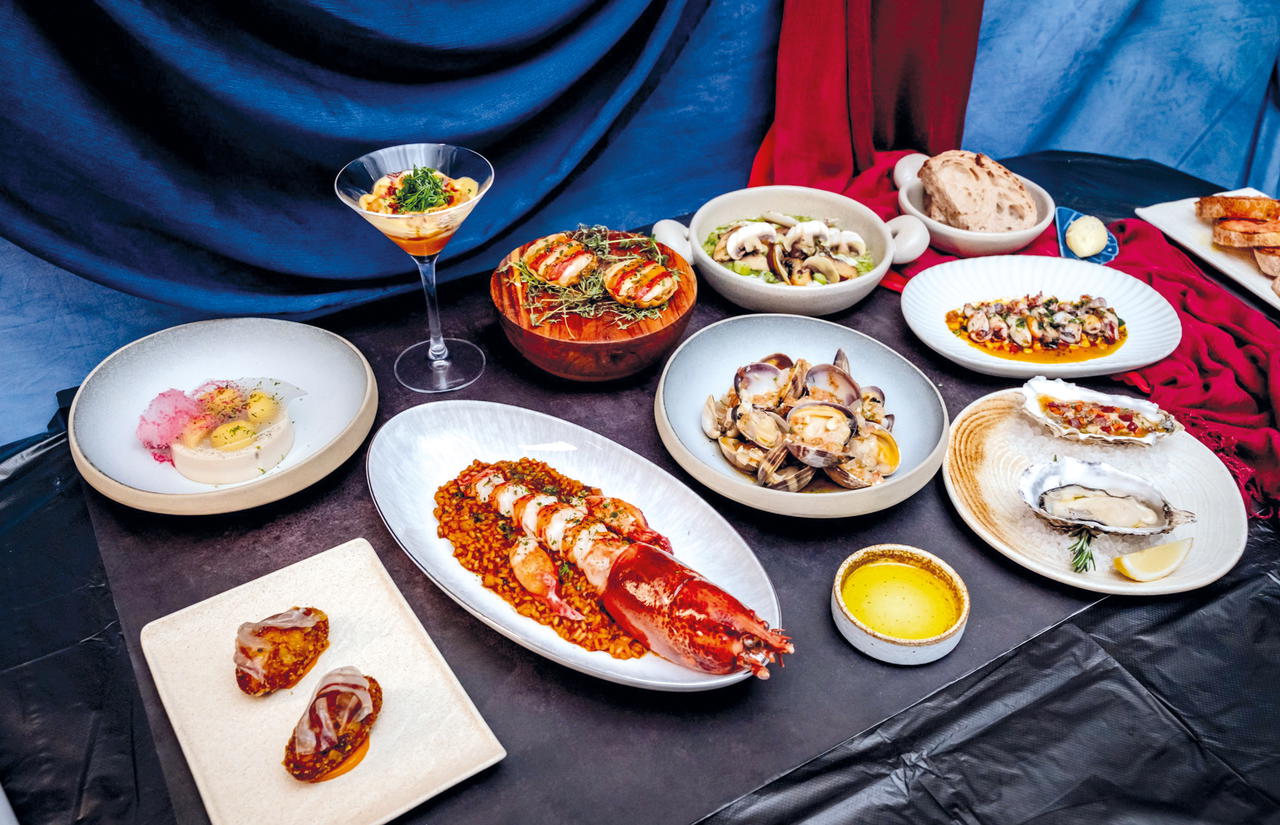
Dining at Amor (Spanish for “love”) brings me back to Barcelona. Open since February on Amoy Street, this restaurant draws on the city’s playful Catalan modernism, channelling the surreal visual language of legendary architect Antoni Gaudí (La Sagrada Familia, Casa Mila) through its curved arches, seamless design, and accents of cool blues and bold reds.
My favourite spot here is its trencadis mosaic bar, crafted from broken, irregular-shaped tiles—a nod to Gaudí’s belief in beauty found in fragments and the unexpected. It is ideal for pre- or post-dinner drinks, such as the Mafia, a refreshing cocktail combining butterfly pea-infused Código tequila, pomelo cordial, Aperol, and grapefruit bitters.
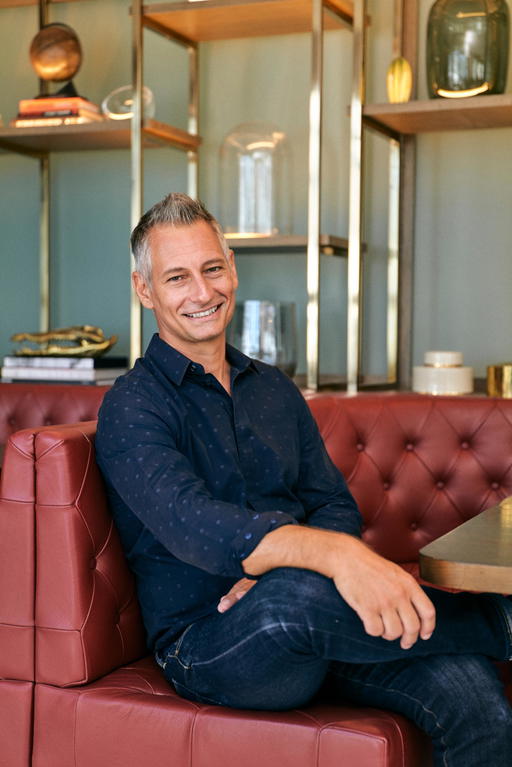
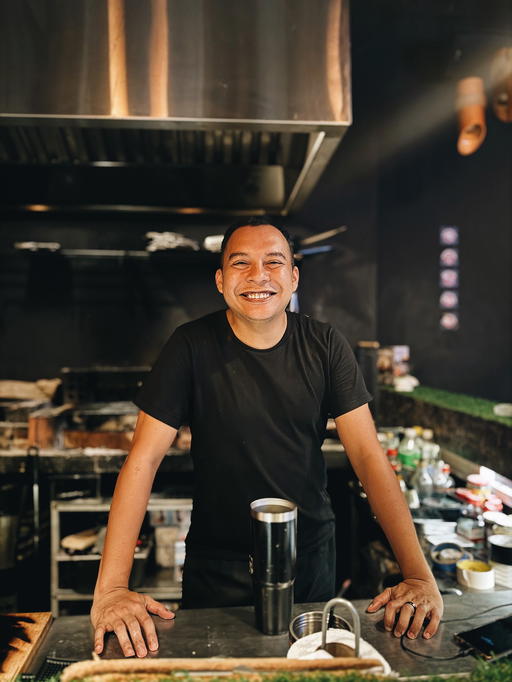
Amor was founded by Executive Director Azad Sharm and Head Chef Yu Wang Leung. Instead of reinventing tradition, Yu—preferring to be called Wang—aims to preserve the emotional essence of Catalan cuisine while refining his techniques and presentation for Singapore’s cosmopolitan audience.
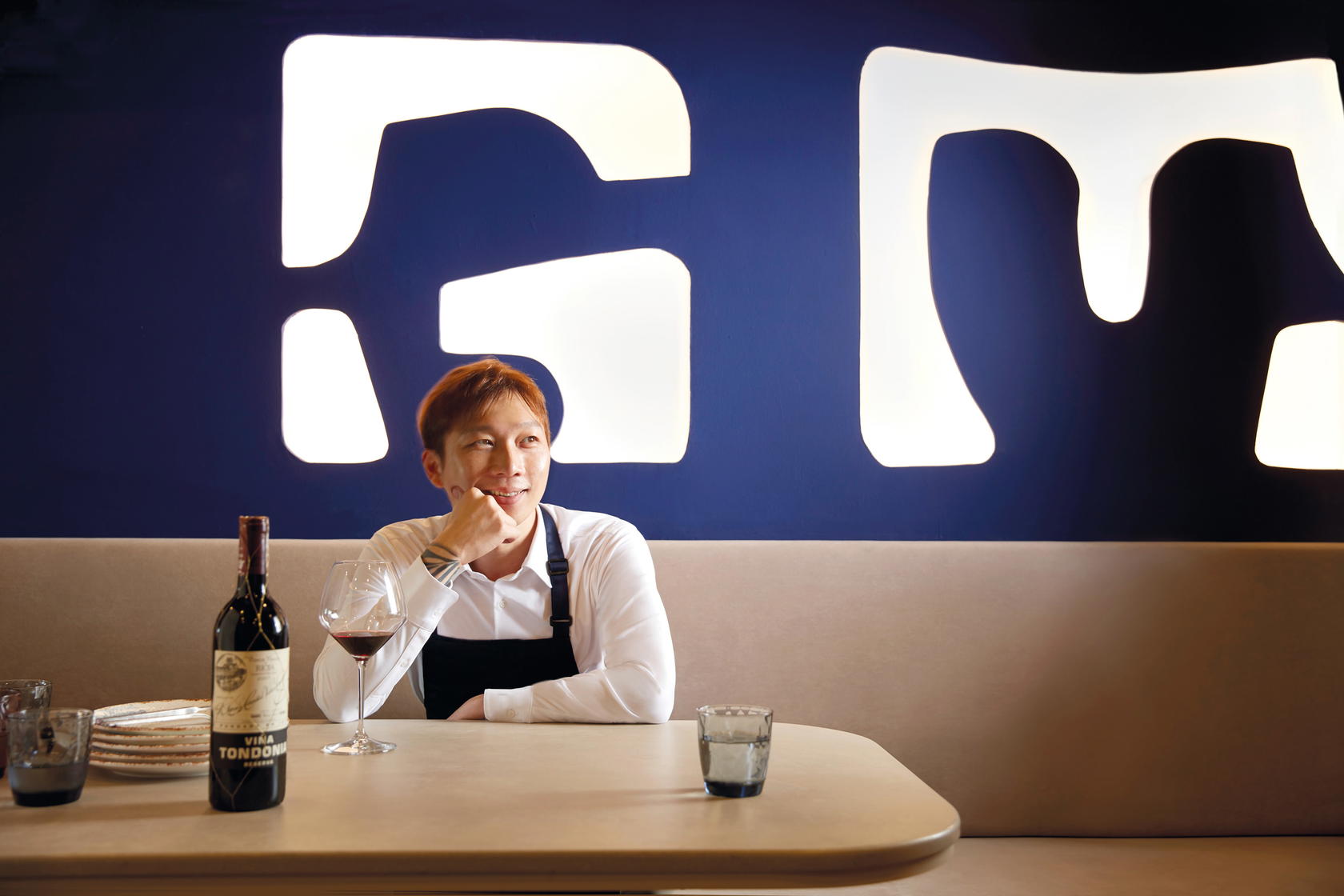
“Spanish cooking resonates with me,” says Wang, who was also Kitchen Consultant at Restaurant Llop (Barcelona) and Chef de Cuisine at Laluz (Dubai). “It respects ingredients in their purest form while embodying deep tradition and soul.”
Amor’s menu reflects the diverse flavours from regions across Spain. From Catalonia comes Escalivada Tarta, a traditional grilled vegetable salad Wang elevates by pairing smoky, roasted greens with foie gras terrine on a crisp tarta shell, finished with olive oil, sherry vinegar, and parmesan cheese sauce. “In Spanish households, vegetables are
always part of a barbecue, with onions, red and yellow peppers, and eggplant placed directly on the grill until they are fully charred and softened.”
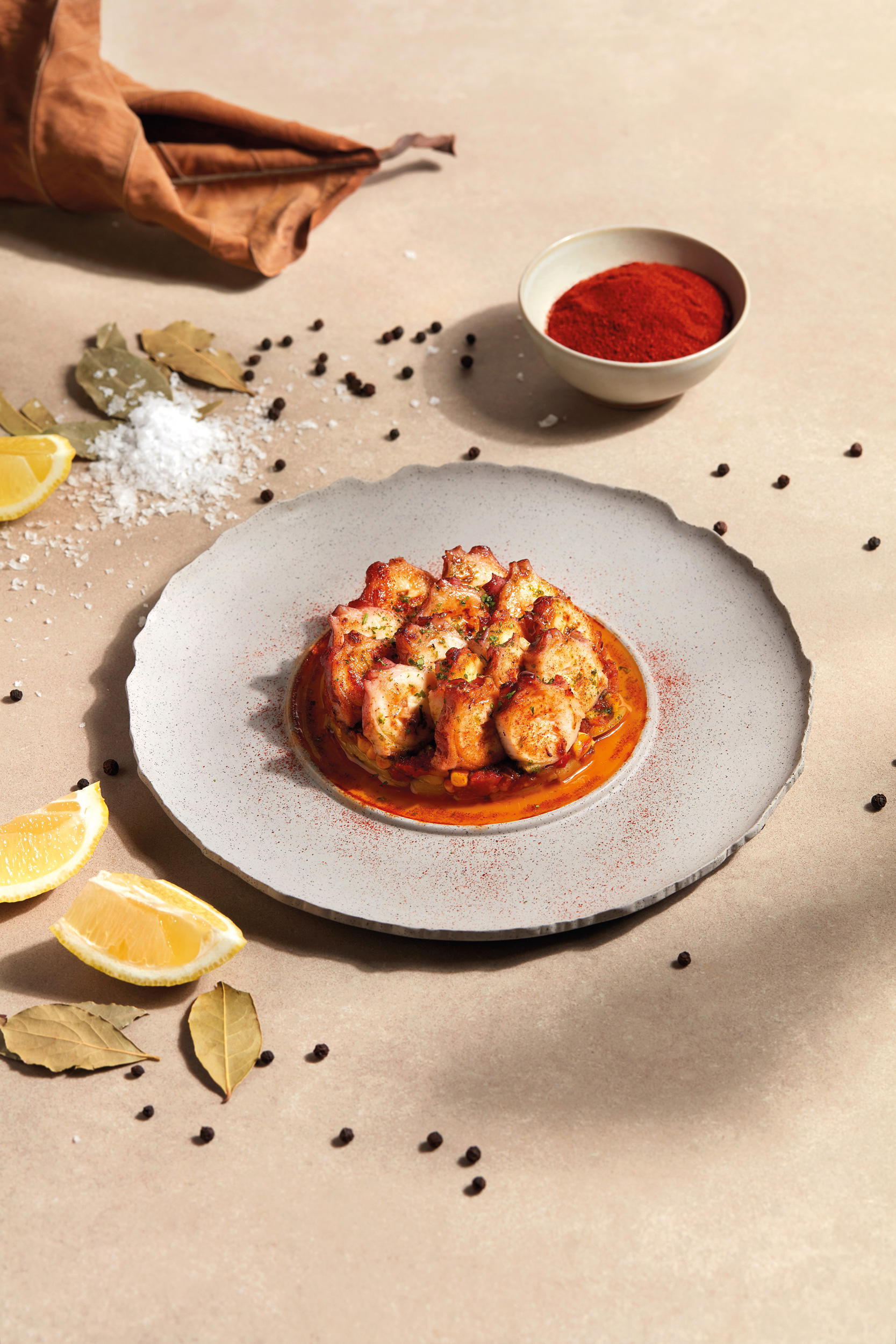
Meanwhile, Pulpo de Galicia pays tribute to Spain’s north-west coast, with octopus simmered until tender, then finished on the plancha (a thick, flat-top metal griddle) for a light char. It is served atop silky potato, sweet corn, and sobrasada sofrito.
Just as memorable are the Ibérico Pork Ribs, slow-cooked for 12 hours, then grilled and glazed with honey and quince, so the meat is deeply flavourful and succulent. Wang, who likens the “quality, tradition, and patience” of this dish to his cooking philosophy, reveals, “It reflects a way of farming and eating that takes time and respect. The pigs are raised slowly and freed to move about. Their natural diet gives the meat a unique richness, sweetness, and depth that you can’t get from regular pork.”
He also takes cues from the rice traditions of Valencia. “Paella is more than a dish; it is a social experience. It represents togetherness and celebration. At its heart are short-grain rice varieties such as bomba and calasparra, prized for their ability to absorb flavour without losing structure.”
Amor’s tempting desserts include its signature Basque Burnt Cheesecake (San Sebastián), deeply caramelised with a creamy centre, and Bombas (Barcelona), a playful creation of crema gelato, white chocolate alioli, and candied orange gel.
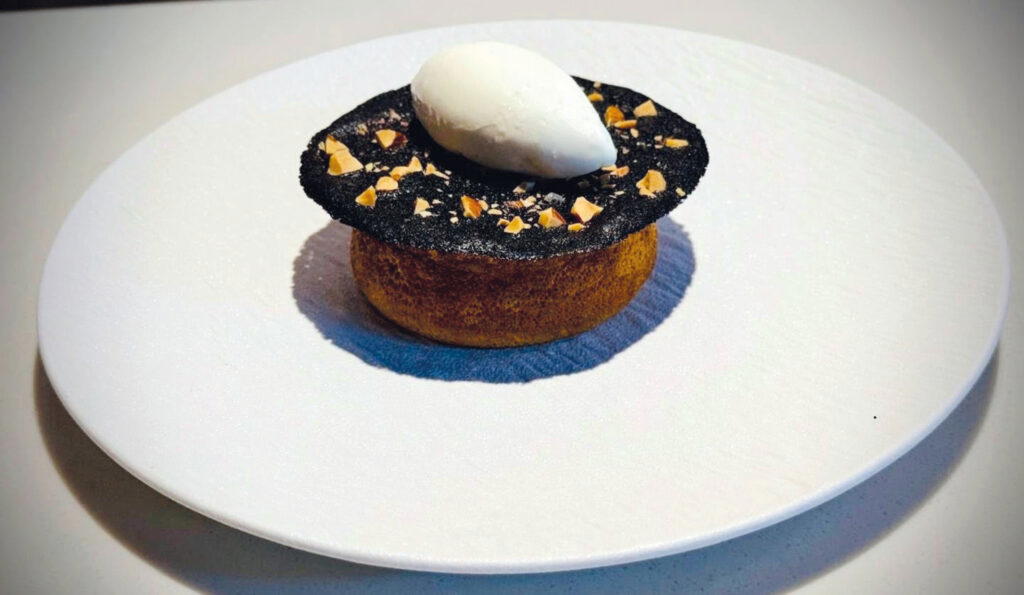
Also worth a taste is Hazelnut & Almond Lava Cake, a Wang creation. Although lava cake is generally associated with French cuisine, the chef uses almonds because Spain is renowned for its almond desserts. He includes hazelnuts for a better, more balanced flavour in the rich, molten praline cake served with coconut ice cream.
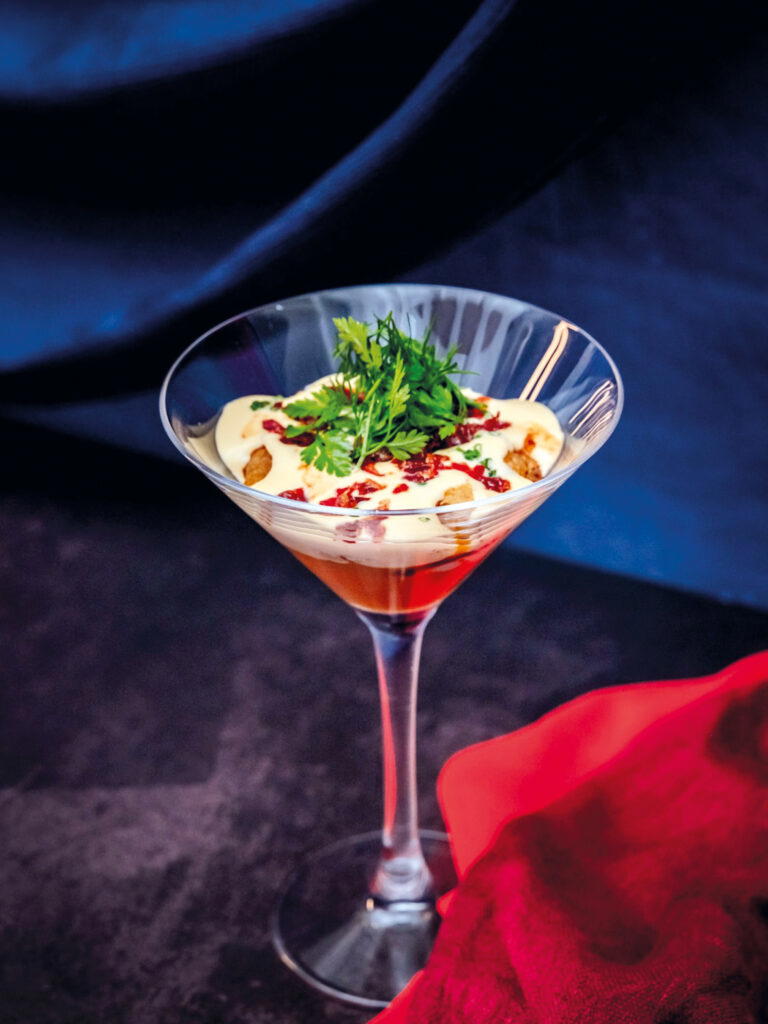
Wang’s multicultural POV, honed in kitchens such as Catalunya (Singapore) and Laluz (Dubai), also inspires other original creations. Happy Eggggg, for example, comes in a martini glass with truffle sabayon, a 65-deg C onsen egg, jamon chips and sourdough croutons. “The egg’s silky texture reminds you of Singapore’s kaya toast… deeply comforting and satisfying,” he coaxes.
You should also try his Tea-Smoked King Salmon with Avruga Caviar. Wang infuses Norwegian salmon with Tie Guan Yin tea, pairs it with silky vichyssoise and smoky, umami-rich Avruga caviar, and finishes it with parsley and wasabi oil.
“In our smoking technique, I use tea instead of applewood because it is so important in Asian traditions and lifestyles,” Wang explains. “I was surprised by how elegantly its softer aroma balanced with the ingredients.”