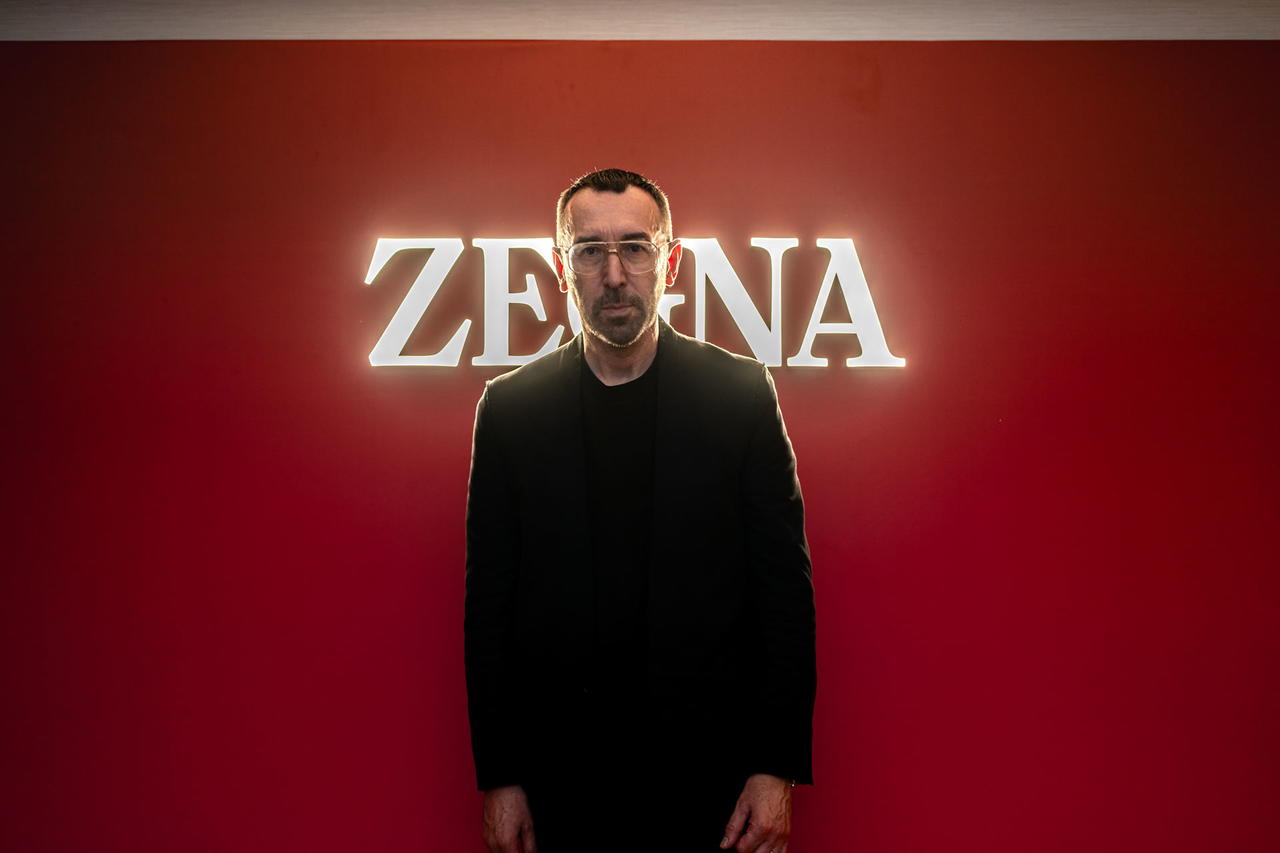
Alessandro Sartori began our interview in the most unlikely fashion. When I briefly mentioned my cat, he immediately asked for a picture. “Do you have a cat?” I asked casually while searching for a photo of Whisky. “Yes, I did,” he replies. Not wanting to probe, I remained silent. Fortunately, I found a digital memory of my cat in my album not long after.
Throughout his long tenure—seven years and counting—at Italian luxury fashion house Zegna, he has remained true to his ethos. “I’m not in favour of fashion products that last three to four months. That’s a waste of money and it’s no longer acceptable in 2023. We want our garments to be valued by collectors,” he says.
Long favoured by men who value craft and subtlety, Zegna catapulted into the spotlight after the explosive popularity of the TV series Succession re-introduced the world to the idea of quiet luxury. Its characters eschewed loud branded clothes for softer, almost anonymous items with nary a logo in sight. Zegna unexpectedly became one of the flagbearers for this movement.

Sartori has watched Succession. He enjoyed the show so much that he tapped one of its stars, Kieran Culkin, for Zegna’s Triple Stitch shoe collection.
Even so, he is uncomfortable with the term quiet luxury. “We’re different from the others. We are the only one with an integrated supply chain that does made-to-measure as well as fashion shows. I like to joke that we’re not that quiet,” says Sartori. “There is a powerful dream and journey behind the brand.”
That journey, as Sartori regularly emphasises in all his interviews, begins and ends with Oasi Zegna, a nature reserve in Northern Italy that houses Zegna’s mills. Long before it became the buzzword in fashion, the house pushed for sustainability and traceability in everything it did.
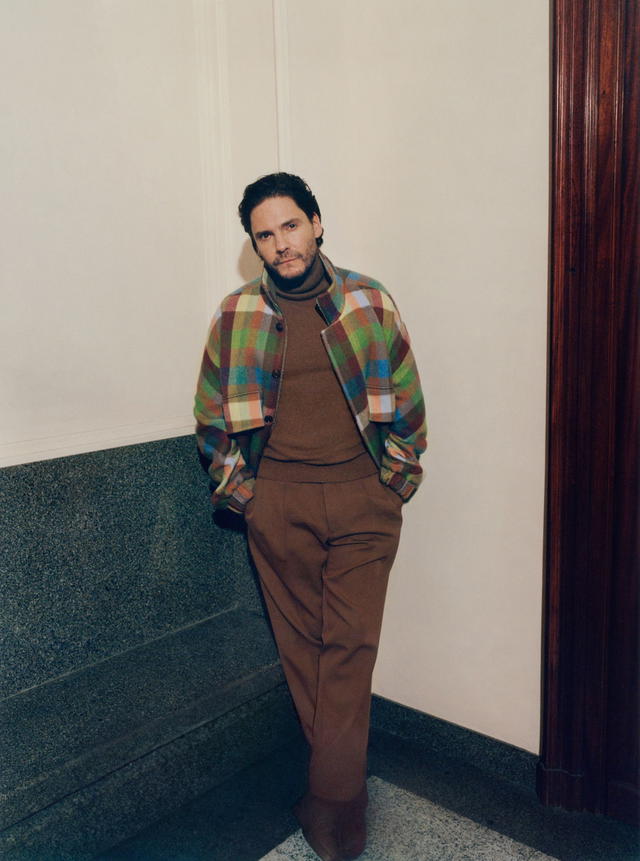
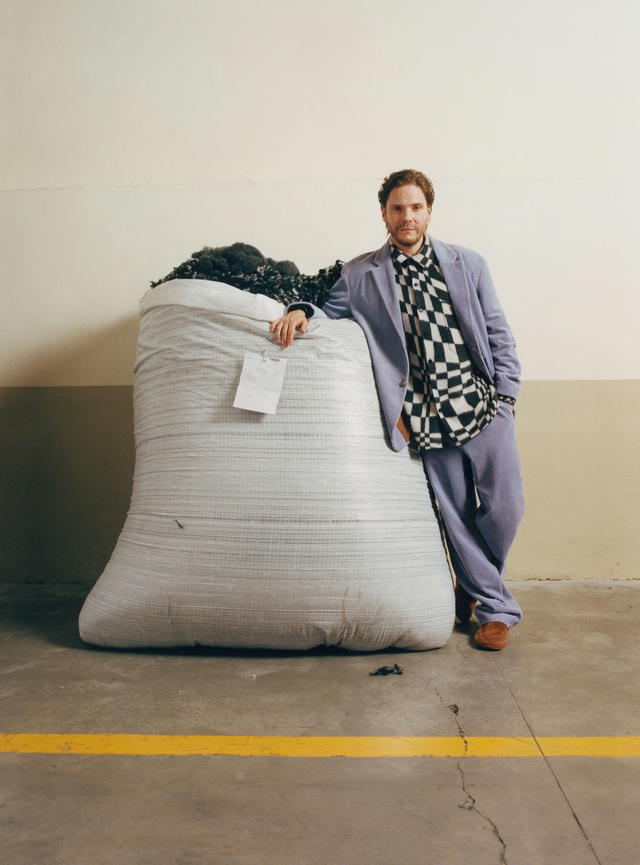
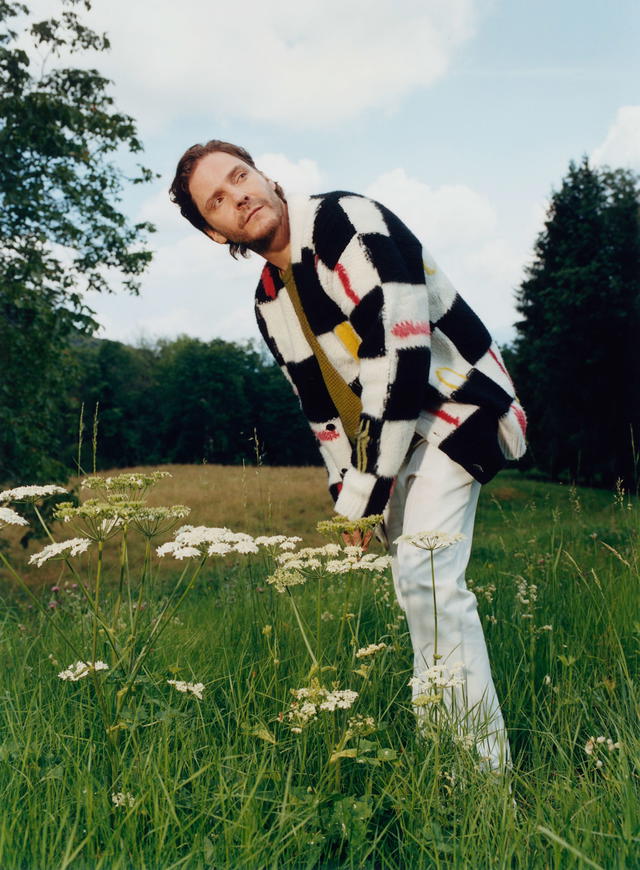
It took another significant step forward with its latest collaboration with Los Angeles-based luxury lifestyle brand The Elder Statesman. The capsule collection is the latest chapter in Zegna’s Oasi Cashmere initiative, which has committed to 100 percent traceability of its cashmere by 2024.
Sartori recalls meeting Greg Chait, founder of The Elder Statesman, by coincidence. He was already familiar with Chait’s slow fashion work and finally met the man through a mutual friend in 2020. A friendship that began over coffee soon became visits to each other’s mills and factories. “We had no goal. We just wanted to keep the conversation going,” says Sartori. After three years of fermentation, the psychedelic cashmere-heavy range is finally out. Sartori doesn’t think this will be the last time they will work with each other.
Daniel Bruhl in Zegna x The Elder Statesman
Zegna’s collaboration with The Elder Statesman comprises a minor component of Sartori’s vision. He’s an anomaly in fashion, which regularly experiences an upheaval of creative directors every few years. Even long-time, much-adored designers are not safe. Sarah Burton’s recent departure from Alexander McQueen after 26 years, for example, rocked the community.
Sartori is under no illusions that his position is ironclad. But he doesn’t dwell on the present. He’s only focused on pushing Zegna forward. “It’s a lot of work, some luck, and many talented team members. We must keep moving forward. We cannot stand still and pretend to be relevant in the future. Be yourself but innovate constantly. The Elder Statesman is one example.”