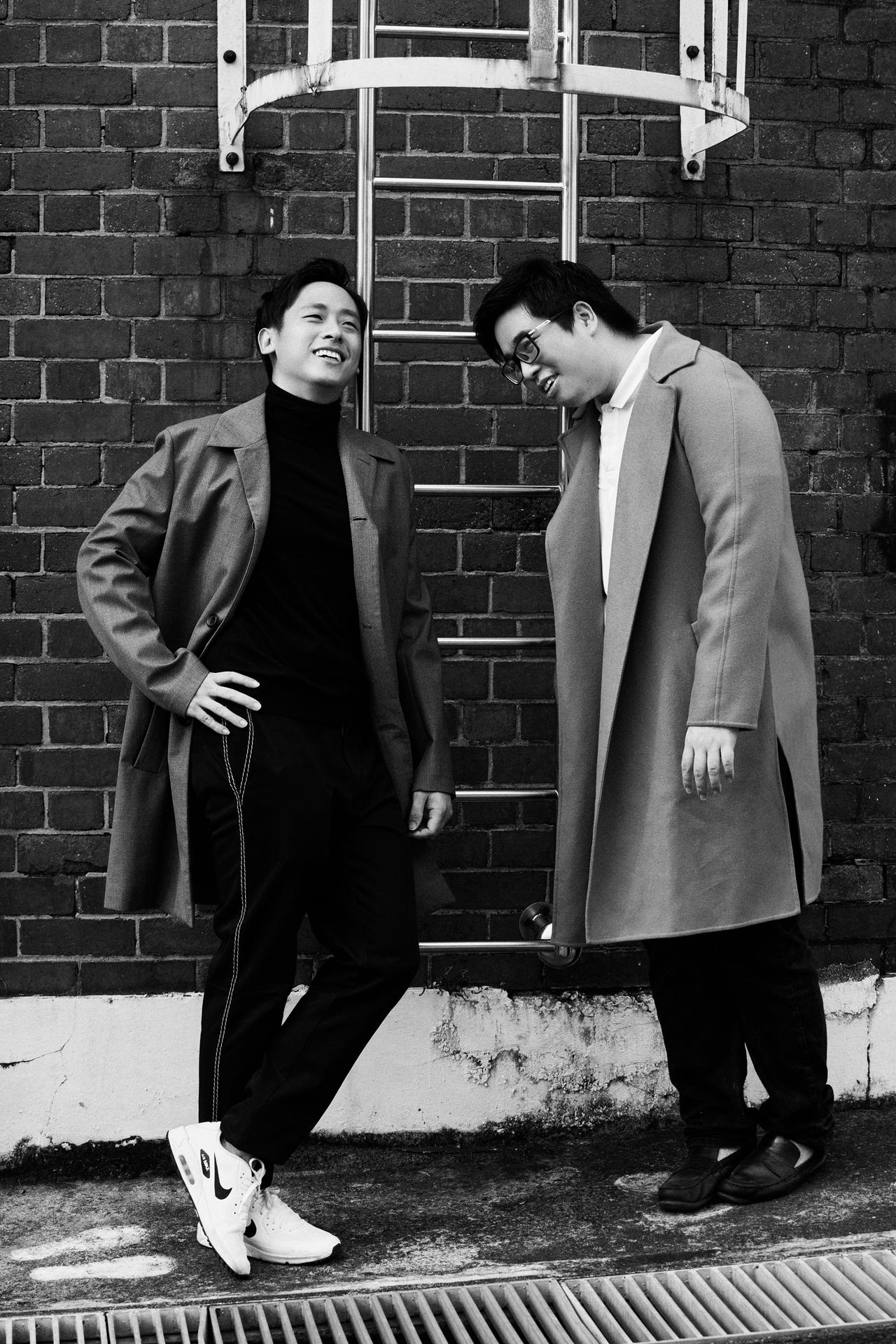
Marcus and Joe Wee want to thank their old neighbour for giving them their first taste of gaming. He had invited them over to check out his Micro Genius machine, a bootleg version of Nintendo’s Famicom and NES consoles. It was the 1990s, when games still came in 60-pin cartridges and characters were rendered as cute 8-bit sprites.
The then 6-year-old brothers were transfixed, watching a robot with a cannon attached to his arm blast his way through a 2D stage. Marcus, the more mischievous one, hatched a plan. Knowing their father would disagree, he convinced their grandmother to buy both the console and the game Mega Man for them.
“When our father got home, he was pissed,” Joe recalls, smiling. “When he questioned whose idea this was, my brother pointed to me. But he obviously knew that there was only one person who could have done that.”
Even though they were twins, their personalities were wildly different. Marcus was obsessive by nature. He would devour books and consume information related to his topic of the month. Once, he was so enamoured with a particular type of fish from one shop, he would drag their aunt along with him every day to look at the fish before campaigning for its purchase. She always gently rejected him.
Then, perhaps to stop his repeated pleas, she spun a tale to Marcus that he needed to marry the fish shop’s eldest daughter to get the fish. Marcus never returned to the store again.
Joe, on the other hand, was “always sleepy”. He had ADHD (attention-deficit hyperactivity disorder) and had difficulty focusing. He even fell asleep during examinations. One common thread united them—gaming. Both highly competitive, they would battle each other in the virtual world late into the night. Even in cooperative games, they would try to one up each other, although it was usually Marcus who wanted to earn more points. “I rarely cared as much,” Joe laughs.
Gaming, unlike fishes or examinations, remained a constant throughout their lives. In Australia, where they studied at Geelong Grammar School for several years, they deepened their obsession. Joe preferred first-person shooters, while Marcus became hooked on real-time strategy games. His favourite was the critically acclaimed Age of Empires.
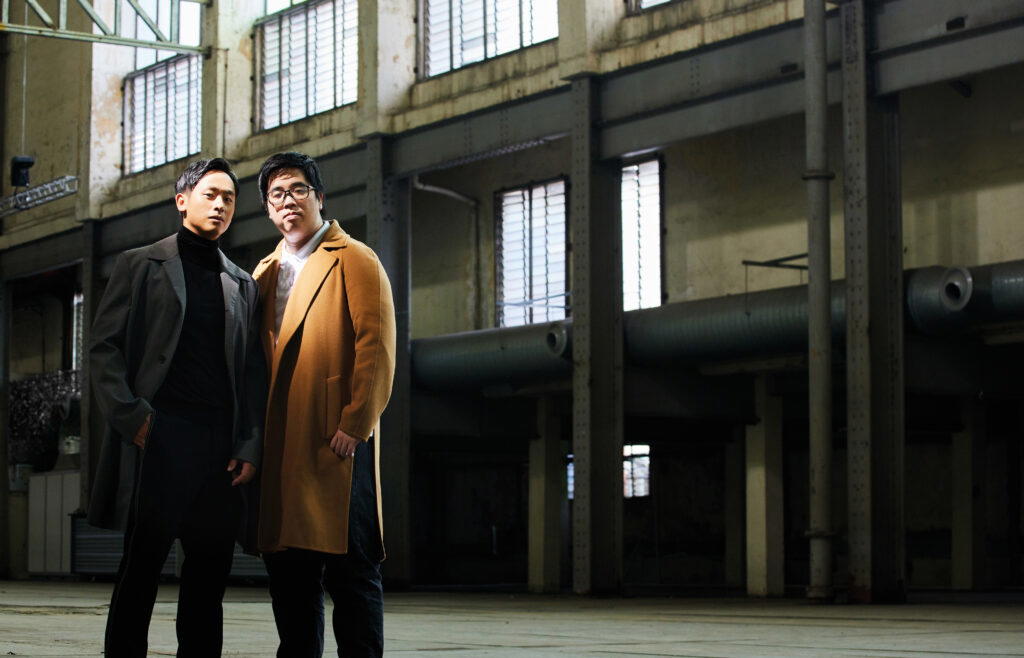
“I started playing in online tournaments and at one point in time, I think I had the highest MMR (matchmaking ratings) for the game in Singapore,” says Marcus. His skills transferred to Warcraft 3, a similar real-time strategy game set in a fantasy land populated by dwarves, orcs, humans, and others. The top team in the country recognised his prowess and recruited him. They ran roughshod over the other local teams with multiple wins at local tournaments.
Every competitive gamer worth their salt would place a premium on high-performing gear, just as athletes prize equipment that gives them an edge. So, in the past, many would throng Sim Lim Square with paper in hand, marking out the different parts—power supply unit, graphics card, processor, and more—they needed to build a gaming personal computer (PC) at home. This usually required a deep knowledge of the current market offerings and DIY know-how.
Marcus thought this was the market gap he could fill. He reckoned that even non-gamers could benefit from a PC that could be customised to fit their needs, backed by stellar after-sales service.
In 2012, with some help from his tale-spinning aunt, he dumped his life savings into the business, and started Aftershock from his bedroom. As Joe was on a working holiday in New Zealand at the time, Marcus called him to share the news. Joe sold the campervan he was living in and returned to Singapore to help his sibling.
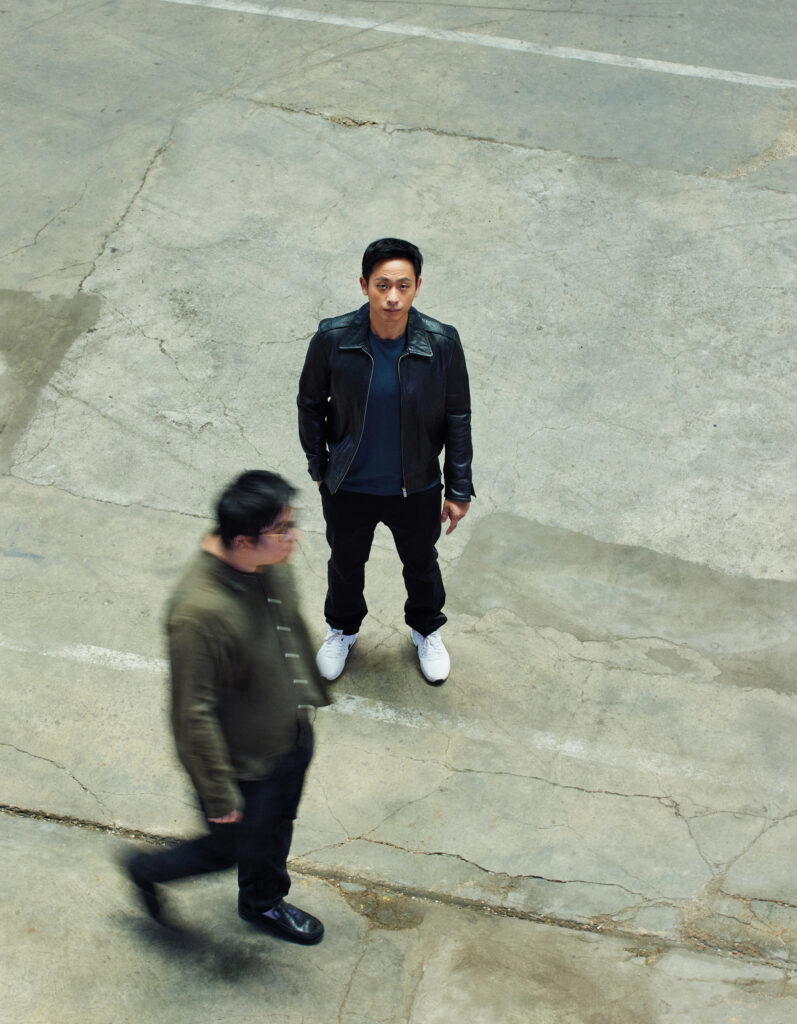
Many know their origin story—scrappy start-up founders working 16-hour days to fulfil customers’ orders—but few understand their drive. Once, Marcus spent several sleepless nights single-handedly building and fulfilling the 140 custom laptop orders they received from a consumer trade show. Joe hand-delivered all of them.
Gaming might have built the resilience needed to survive those long, arduous months, but their father instilled their never-say-die spirit. “When we were younger, our dad always told us he would leave us with nothing when he passed on. We always had the mindset that we had to go out and make our own money,” says Joe.
They’ve certainly built their own pile. Aftershock grew from strength to strength, buoyed by excellent products, great value, and top-notch customer service. The latter is such a critical part of the business that between 40 and 50 percent of their headcount is devoted to it. “After-sales support is the most important thing. Customers always remember your service when they are in need. Word of mouth is a powerful tool so we must strive to do our best and uphold what we believe are the highest sustainable standards,” says Marcus.
Of course, he acknowledges that mistakes happen, too, and even encourages his team to make them. “If you try to prevent them, all you’re going to get is a group of people being overly cautious. They will just follow the book and refuse to think out of the box lest they err. Allowing for mistakes also allows people to grow.”
The twins have made mistakes. Aftershock’s continued growth required team expansion to keep up with demand, which meant managing people, understanding supply chains, balancing the books, and more. They learned these lessons while leading the company, akin to learning to fly a plane while it was in the air. Naturally, they dropped the ball—many times.
Marcus and Joe see the past decade in three stages. The first, while backbreaking, was easy. The original “15 or so” employees bought into the vision and were committed to delivering outstanding products and service. Overtime was common but no one complained. Camaraderie was forged in the trenches among the spilling cables and towering computer parts. Marcus likened this phase to a squad working towards a common goal.
Transitioning from the first to the second, however, was a delicate process, and it took time for them to realise that their management and working styles weren’t sustainable.
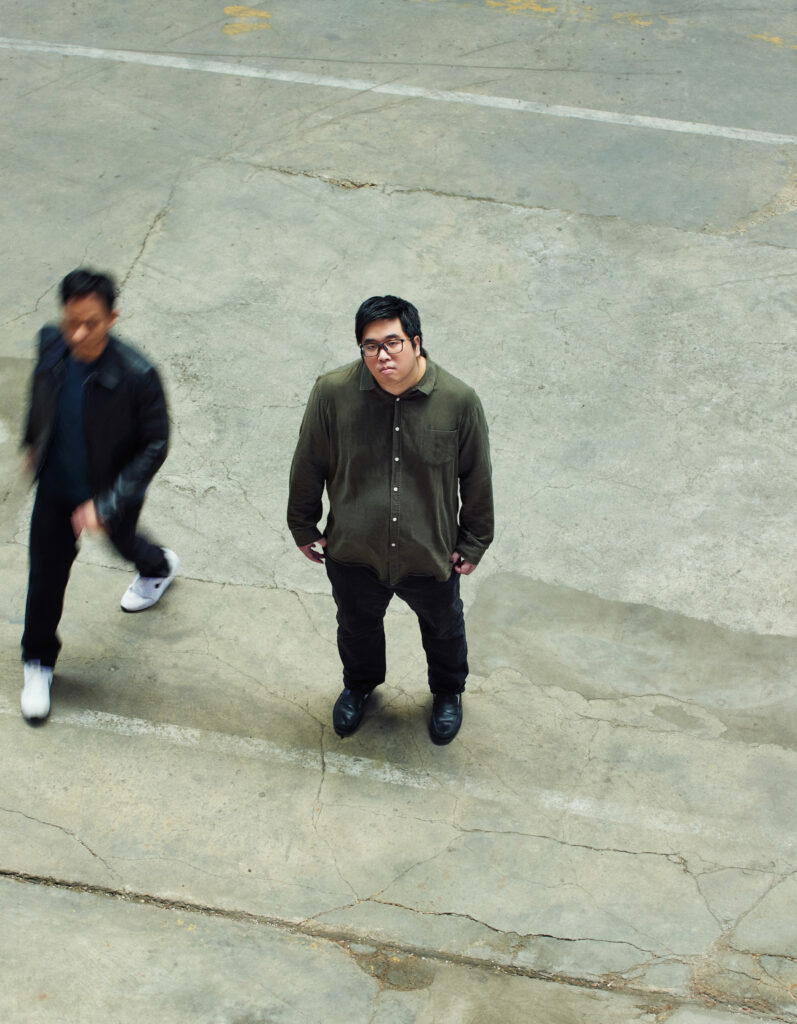
Photo: Mun Kong
“When you reach 40 or 50 employees, you realise that many of the things you did are unsustainable. You can’t expect to fully grasp everyone’s feelings and expect everyone to go the extra mile. Team KPIs that everyone agreed on and sustainable work processes needed to be created,” says Marcus.
Additionally, the pandemic sent seismic waves through the company. With everyone stuck at home, orders and service requests flooded in. However, because of government regulations to corral the spread of the virus, Aftershock’s famous after-sales customer support dipped below a level that the brothers deemed acceptable. There were huge restrictions to the number of people allowed into the office and service centre.
Eventually, when restrictions were slightly loosened, Marcus and Joe worked around the clock together with their teams in demarcated offices to deliver computers and respond to complaints and queries. With this experience, the brothers increased investment into after-sales support. The company constructed a new service facility twice the size of the original to ensure that the challenges faced during the pandemic would never occur again.
“I’m glad to say that we have near zero complaints in the past two months. That is phenomenal. We don’t take it for granted though and always make sure that the highest standards are maintained,” says Marcus.
Beyond Aftershock, Marcus and Joe have also founded other businesses, Prism+ and Omnidesk, a smart-home company and ergonomic standing desk brand, respectively. They sold their stake in the former to the other co-founders but remain friends. The latter has become Joe’s passion, while Marcus continues to focus on Aftershock.
Collectively, their businesses have hit $100 million in annual revenue. However, money is just a number on the scoreboard to them. Prism+ was their best-performing brand, but they let it go. “It wasn’t something I was truly passionate about,” Marcus reflects.
Aftershock’s scale has given them leverage with suppliers, which they’ve passed on to their customers. This includes competitive pricing and better support.
For Omnidesk, Joe is proud of the team’s work. “I dare say we have the best standing desk in the market.” Their team has worked hard at sourcing from the best factories in Asia to make the different components. He adds that their tables may be more expensive than their competitors, but are well worth it. After testing the different models at trade shows, many choose Omnidesk.
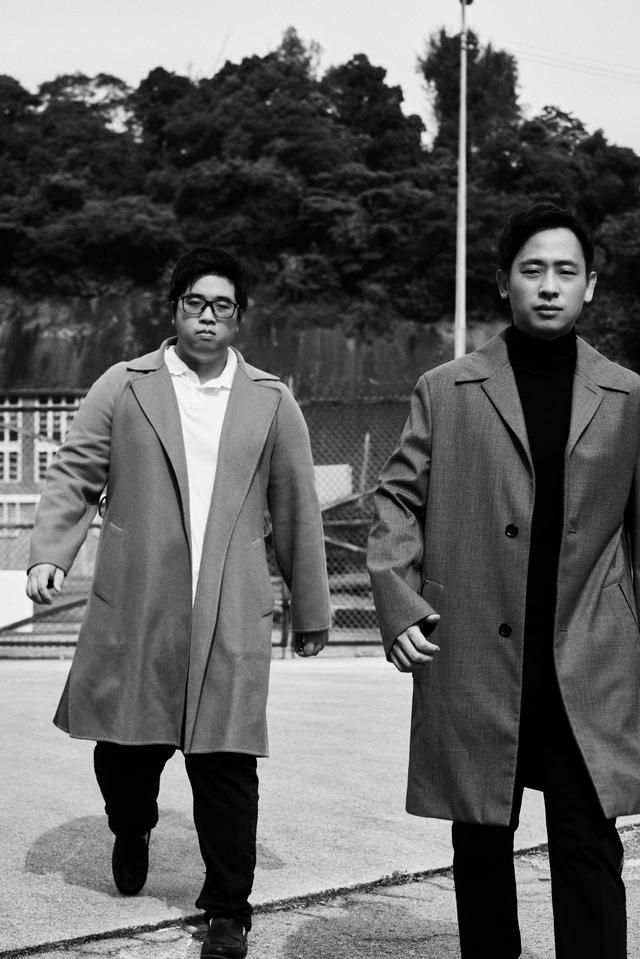
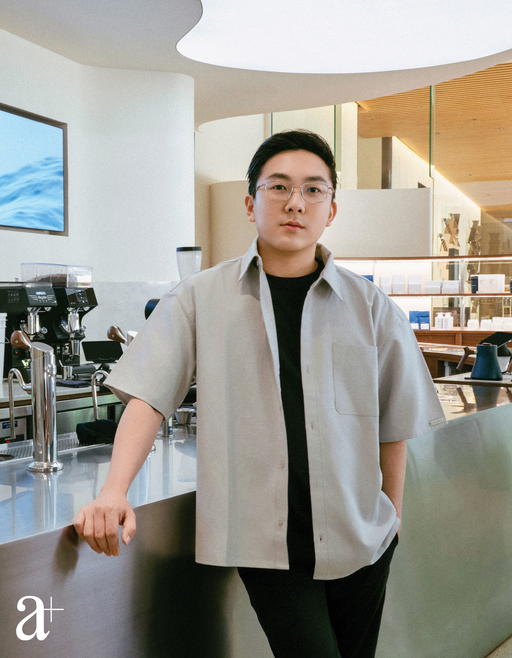
Marcus now fully devotes his time to Aftershock, his core passion.Photo: Mun Kong 
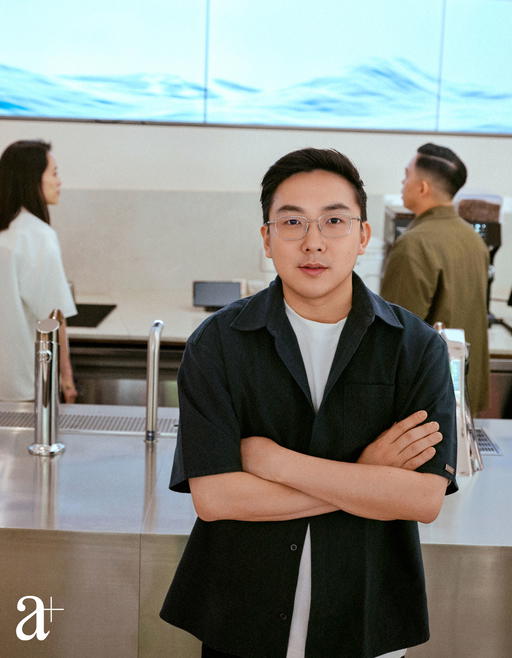
Joe focuses more of his energies on standing desk brand, Omnidesk.Photo: Mun Kong
With both companies firmly in their second phase, the brothers have envisioned the next stage. For Omnidesk, it’s straightforward. Joe wants to continue inspiring people to build better workspaces. The brand is already collaborating with Shangri-La Singapore, which has its standing desks in the business executive rooms. He shares that they’ll be sending more desks to Shangri-La hotels in other parts of Asia.
Aftershock, on the other hand, will transform. “There’s a lot going on,” says Marcus, who tells me to wait for more news next year. He’s also excited about Aftershock’s Ultra-Labs and its potential. A small department within the company, it focuses on the bespoke PC building experience and has already completed several projects for companies and individuals.
As the brothers reflect on their journey, one word constantly pops up: maturity. Being responsible for the livelihoods of hundreds of people has grounded them. “We want to make sure that those who trust us with their careers can see the results they want. What do you hope for? How can we help you get there? We want our company to be great not only for customers, but employees, too,” says Marcus.
Joe echoes similar sentiments. He’s especially proud of those who have remained in the company from the start, working to elevate Aftershock and Omnidesk to where they are today. “It makes you want to perform and ensure everyone eats well.”
As in a game, a business has many stages and Marcus and Joe are in it to win it. And just like most games, it’s always more fun when there are two players. This time, however, they’re not trying to one up each other.
Photography Seow Mun Kong
Art & Fashion Direction Chia Wei Choong
Videography Yvonne
Grooming Keith Bryant Lee, using Schwarzkopf Professional & Clarins
Styling Assistant Caleb Lim
Location Pasir Panjang Power Station