As digital transformation sweeps across Singapore’s business landscape, even legacy brands steeped in tradition are feeling the pressure to adapt. According to the Singapore Business Federation’s (SBF) 2024 Smart-Enabled Business report, 94 percent of companies cited digitalisation as a top priority—implementing tools like cloud computing, AI, and automation to streamline operations and enhance customer experience.
Regionally, the KPMG 2024 CEO Outlook shows a similar trend, with 58 percent of companies in Asia-Pacific investing in new technologies. Of these, AI adoption is expected to surge in countries like Japan (73 percent). But in sectors built on personal service and generational trust, the question isn’t just how to adopt digital tools—it’s whether doing so strengthens or erodes the human touch.
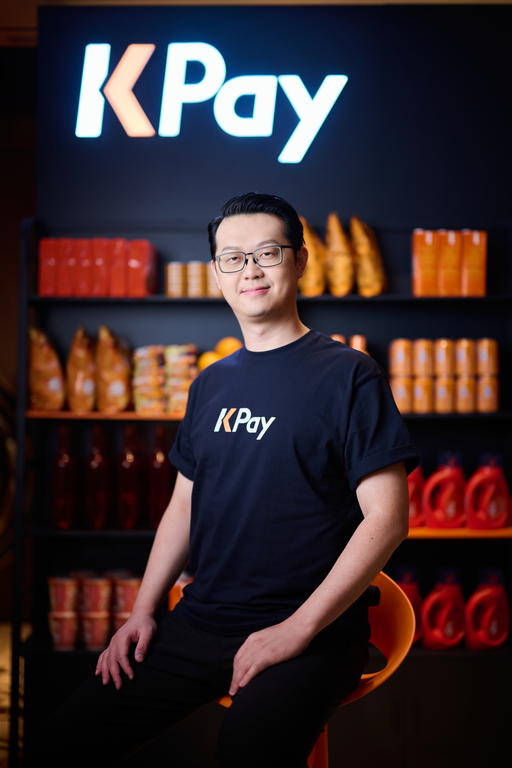
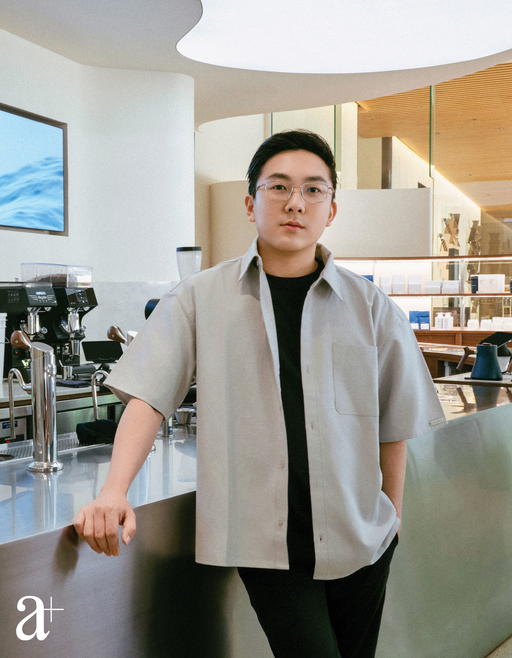
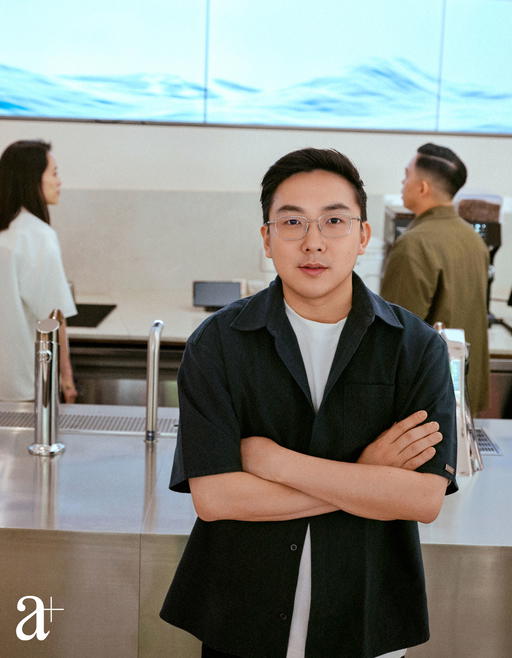
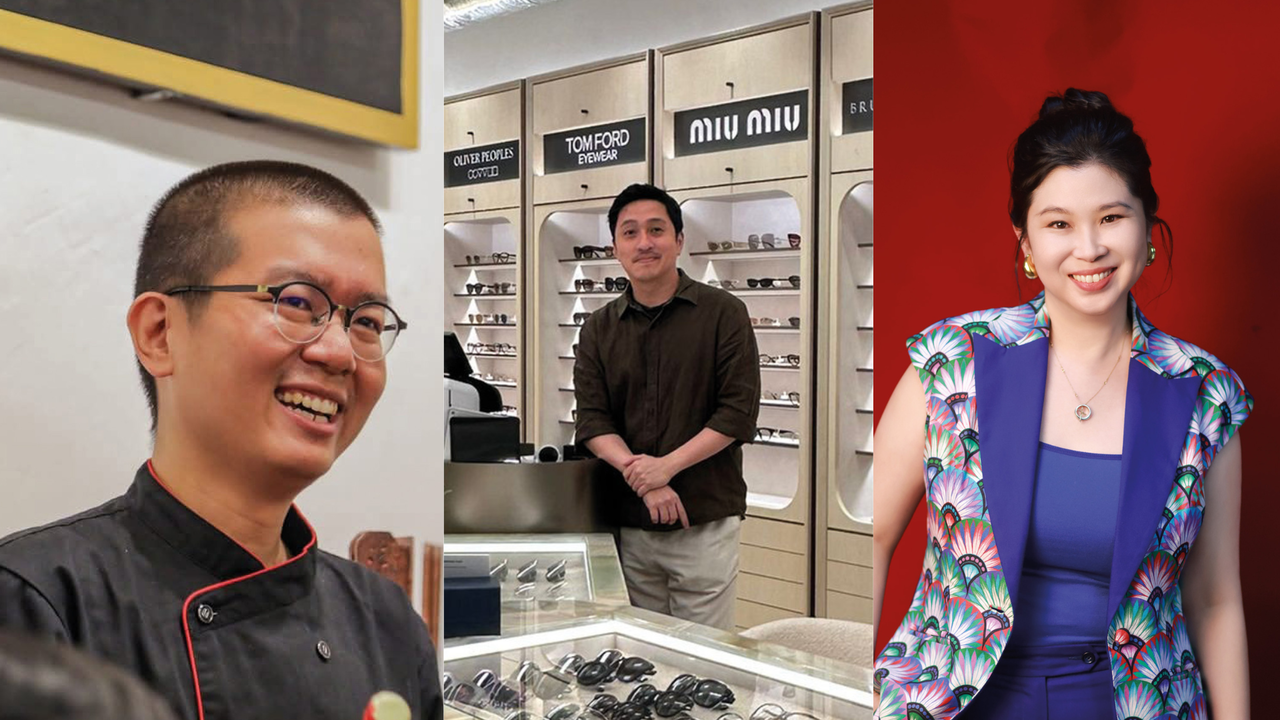
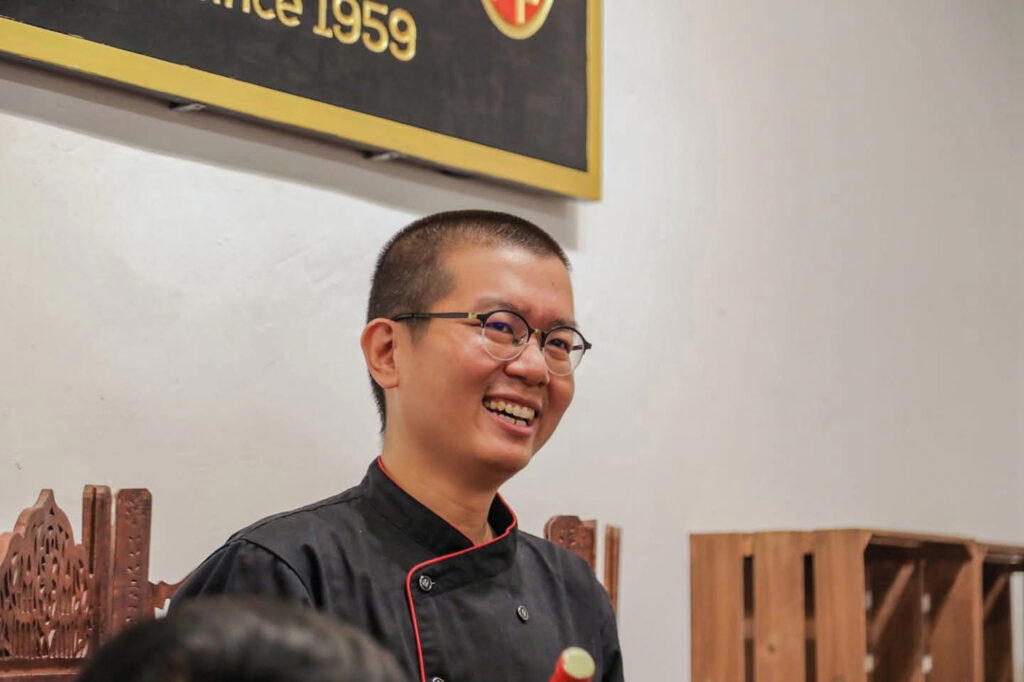
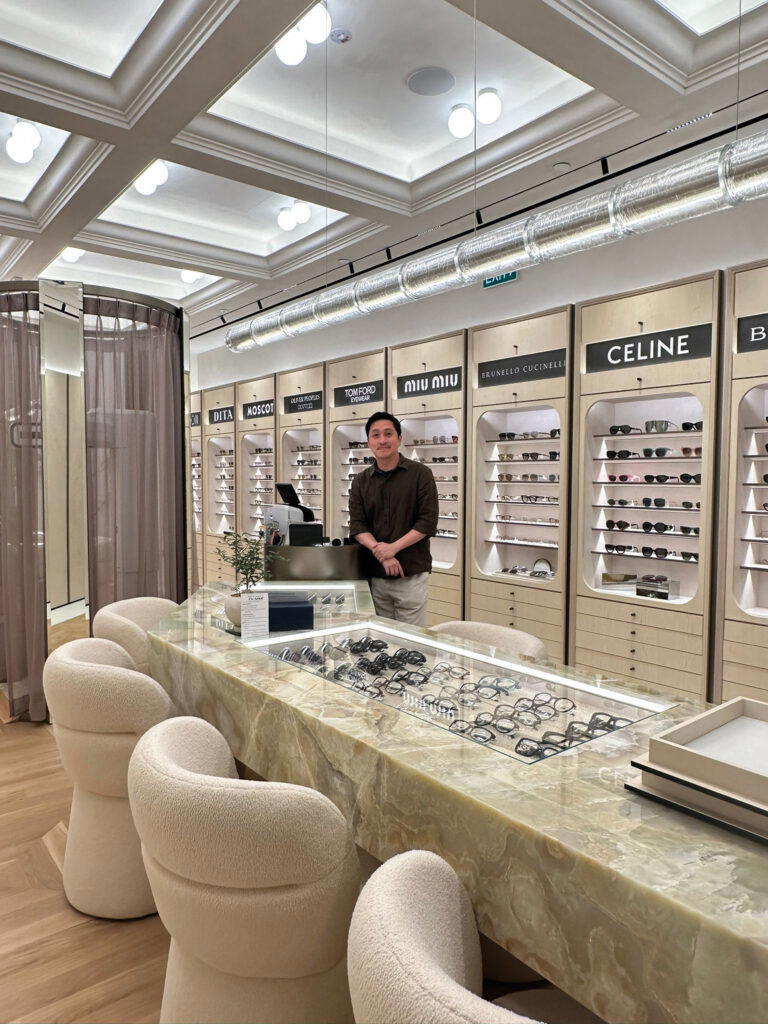
Can technology enhance personalisation, or does it risk replacing it altogether? Ken Koh of Nanyang Sauce, Bryan Chin of Jamco Optical, and Adele Chung of Meiko Tailor offer perspectives from the frontlines of family-run businesses.

Why was it important for your business to digitalise?
Bryan Chin [BC] I joined Jamco Optical in 2000, taking over from my dad in 2015. I believed that by efficiently managing sales transactions and customer data, we could free up our very lean staff of 13 to devote their efforts to customer service.
Ken Koh [KK] I noticed that we were still using handwritten invoices and manual accounting books! Nothing was recorded, everything was based on memory. It was important for us to know, for example, how often a customer made purchases from us. With all this big data, we could better plan production.
Adele Chung [AC] Our team is so small; in addition to dad and I at the atelier, we have five sewers. To grow the business more efficiently, I explored 3D body measurement scans for overseas clients and design software such as Optitex, Browzwear, CLO, and Procreate.
What did you do to get the buy-in of others?
BC To make the transition easy for our staff, I installed a POS (point-of-sale) system customised for the optical industry. It took less than two years for us to digitise.
KK At first, it was very challenging. As they had been doing things the same way for over 50 years, many resisted. I had to be very patient and get down on the ground with them. We took about a year to get this sorted.
AC My dad encouraged me to try as he knew where I was coming from.
How do you strike a balance between preserving legacy and promoting innovation?
BC In addition to modernising operations and marketing through information management systems and social media, we also wanted to connect customers to Jamco’s heritage. Even as we expanded our original Katong store with new sub-brands like B.Spoke, we kept the same decor.
KK We kept everyone aligned towards a common cause without leaving anyone behind. For example, we visited each store with our sales staff and helped to verify details like name and address—some of that information went back to the 1950s! Then, to familiarise staff with updating inventory, we printed out boxes indicating product categories on A4 paper. After filling in the information, they took a photo and sent it to our back-end team to update the digital system. Our sales staff now updates via their phones. Amazing, yes?
AC I still draft designs on paper with a pencil because my creativity flows better that way.
How has digitalisation evolved experiences for your consumers?
BC We use AI chat on our website to provide automated response assistance for customers and to schedule appointments more efficiently. We do appointment-only consultations, which include eye exams and can last an hour or longer.
KK AI is a double-edged sword. I have embraced it as a helpful tool, providing access to research as well as simplifying our processes. As ironic as it may sound, I think the proliferation of AI will lead to a premiumisation of Human Intelligence (HI)-generated products and experiences, especially for an artisanal product like Nanyang Sauce. It motivates us to continue to listen to our customers. That’s how we found out people bought our sauces not just for taste, but also for health benefits. Customer feedback also led us to produce a useful 60-ml keychain bottle so people can take Nanyang Sauce to their kaya toast breakfast. So cool, right?
AC Digitalisation gives us some degree of flexibility during the design process. Tools like Browzwear and CLO allow us to create a prototype and virtual fitting of a garment on an avatar. We can also add details and change sizes without having to make actual sample pieces. There is no compromise on creativity, however. We are considering a consolidated Customer Relationship Management (CRM) system to manage data such as measurements, past orders, and design preferences so we can continue to curate or personalise designs for our customers.
What insights from your online customers surprise you the most?
BC They are willing to try new products and share feedback quickly. Hence, we are working to refine the user experience on our website and social media platforms.
KK Our customers trust us and our products very much. We strive to synergise digitalisation with artisanship. By digitising administration and operations, we can focus our efforts on listening to customers, and continue to keep our soya sauce traditional, natural, and artisanal.
AC The experience our customers seek at Meiko Tailor must also have a bespoke component, just like the suits they desire. During Covid-19, they didn’t mind using an online 3D body scan, but it could only achieve 90 percent of the fit. Whether you wore a loose-fitting shirt or a tight shirt, for example, could affect your waist size. After all is said and done, a personal fitting at the boutique is still required.
What impact has digitalisation had on your vision for the business?
BC Being able to access information easily allows us to more effectively personalise services to engage customers. It also allows us to stay ahead of market trends and needs.
KK We are the world’s first soya sauce maker to offer a bespoke vat service, and our customers include celebrities, politicians, and entrepreneurs. Not only do they want to personalise the taste, but also the ingredients, such as “deepsea water from under the seabed”. Recently, we also rolled out Kitkoji, our skincare range which sold out online within 36 minutes of launching.
AC We launched a sub-brand called Uncommon Hem this year for which I produce qipao tops, blazers, and shirts with surplus luxury fabrics. As this was not practised among his generation, my dad didn’t agree at first, but relented after people started saying, “Oh, that’s nice”.
How has digitalisation made you re-evaluate success?
BC Keeping an open mind and keeping up with digital trends and tools can help us evolve with changes.
KK It’s not just physical stores that fight for our consumers’ hearts and minds; it extends to e-commerce as well. Our products were only available on our website when we first started. Then we stocked at online retailers like Redmart and Shopee. We do very well here. That’s why even Kitkoji remains exclusively available online. That said, digitalisation for us applies only to non-production processes. We don’t intend to change how we’ve always made our soya sauce. We don’t want to short-change customers.
AC This is a race against time [laughs]. We are exploring simpler CAD tools to archive our in-house cuts and hope to protect my father’s signature cut in an efficient and sustainable manner. It’s a way to preserve his legacy.
What’s on your to-do list?
BC We opened our second store at Fullerton Hotel in early 2025. Some customers found Katong a bit far for them, so this outlet in central Singapore is more accessible. We also have many customers who work in the CBD.
KK We have launched Remission Biotech Herbal Remedy for Skin. It is the world’s first spray-on formula for sensitive and sun-exposed skin problems like skin cancer.
AC We make up for our lack of size with an enterprising spirit. We are excited about partnerships and collaborations with other homegrown businesses—we can learn from them while contributing to the ecosystem. In August, we organised a tea exploration session at our atelier in Boat Quay. In September, there will be a workshop on UV protection with Lenicc Eyewear.
What else are you doing to future-proof the business?
BC There is nothing that can replace the human eye when it comes to styling and fitting. The importance of working together as a team to provide good customer service cannot be overstated.
KK Helping my children develop a forward-looking mindset ensures innovation continues in their own time and vision. I don’t expect my nine-year-old daughter and six-year-old son to join the business. But one day, my girl Kit asked if we could do a kids’ range for Kitkoji, and I replied, “Yes, you can”.
AC Meiko Tailor has served customers for 48 years, and most of their children and grandchildren continue to come to us, too. Back then, there was no social media; customers knew us through word-of-mouth. With platforms like Facebook, Instagram, and Rednote, we are exploring more opportunities to expand this community. My dad asked me about Tik Tok recently (no kidding!), so who’s the digital dinosaur here?