There is a particular agony to being unable to sleep in a room intended for rest. It has happened to me in bed, on a massage table, and even in a sound-healing room, lying flat on my back while the person beside me drifts off, snoring within minutes.
Sleeplessness in Singapore is hardly a private burden. We are increasingly a nation that knows it needs to rest but cannot quite secure it. Data from Somnus Sleep Wellness’s Sleep Health Index, collected between January 2024 and March this year, shows that about one in two adults here are regularly dissatisfied with their sleep.
Based on 692 respondents, 88 percent had never discussed sleep problems with a doctor. In addition, while 20 percent may show signs of a possible sleep disorder, only six percent had been told by a doctor that they had one.
Julian Lim, the co-founder of Somnus, believes Singapore relates to rest culturally. He believes that many people see inadequate or unsatisfactory sleep as normal. “In some cases, it is an inevitable cost of living here,” he adds. “Sleep is often an afterthought, something you do with the time left over at the end of the day.”
Diana Kraemer, who is the chief wellness officer of The Longevity Suite Asia, calls out this troubling trend: the normalisation of short sleep as a badge of high performance. “I hear it constantly—’I only need five hours’. But the science says otherwise.”
“Many people are productive and engaged in doing the right things, yet there is an underlying fatigue that sleep alone cannot resolve.”
Christina Nikolovski, on the search for more restorative experiences
She notes that studies from the Sleep Research Centre at the University of Surrey show that sleeping fewer than six hours a night for a week can rewire more than 700 genes, including those involved in immunity, inflammation, and DNA repair. Although the exact mechanisms remain unclear, numerous studies have linked inadequate sleep to obesity, heart disease, and cognitive decline.
When sleep trouble persists, it often grows more insidious. Insomnia, Eric Lim, co-founder at Somnus, points out, often sits at the crossroads of biology and psychology. Initial triggers may be physical, such as genetic predisposition, cardiovascular factors, hormonal shifts, or stress physiology.
Even as those triggers fade, sleeplessness can linger. Chronic insomnia—defined as symptoms persisting for more than three months without a clear underlying cause—can become self-perpetuating, sustained by the mind’s response than by the body’s original disruption.
The Sleep Economy Awakens
It is perhaps unsurprising that sleep-forward wellness programmes are moving from trend to necessity. The early wellness movement prized appearance, while the next wave focused on living longer, but this new era emphasises effortless rest, ideally unconscious.
“Sleep touches every other issue,” says Kraemer. “When someone comes to us for burnout, the first thing we look at is sleep because you cannot recover from burnout on poor sleep.”
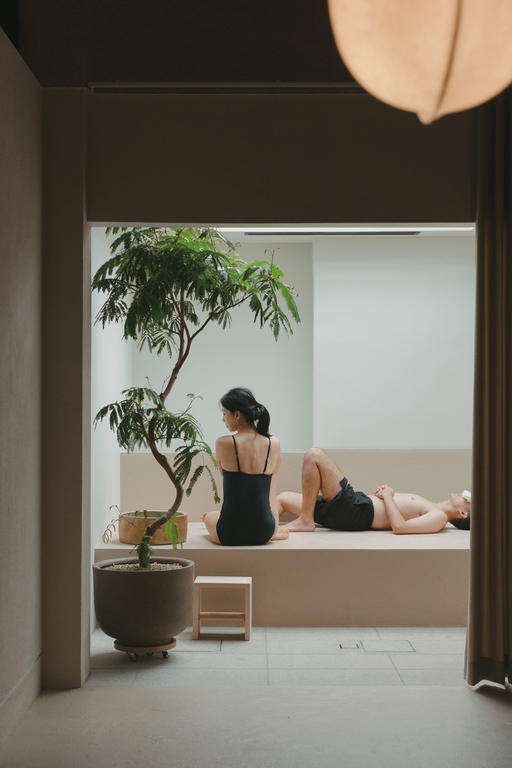
The Longevity Suite Asia’s Sleep & Jet Lag Reset, one of its most popular programmes, combines cryotherapy, hyperbaric oxygen therapy, and dry float therapy, to regulate the body’s sleep-wake cycle and accelerate recovery.
The dry float therapy was my favourite experience. I drifted in and out of consciousness as I lay suspended on a warm bed of water listening to music designed to encourage deep relaxation. I drifted in and out of consciousness. I wasn’t asleep, but I wasn’t overthinking either. In the context of someone whose mind is always racing even during meditation, that felt like progress to me.
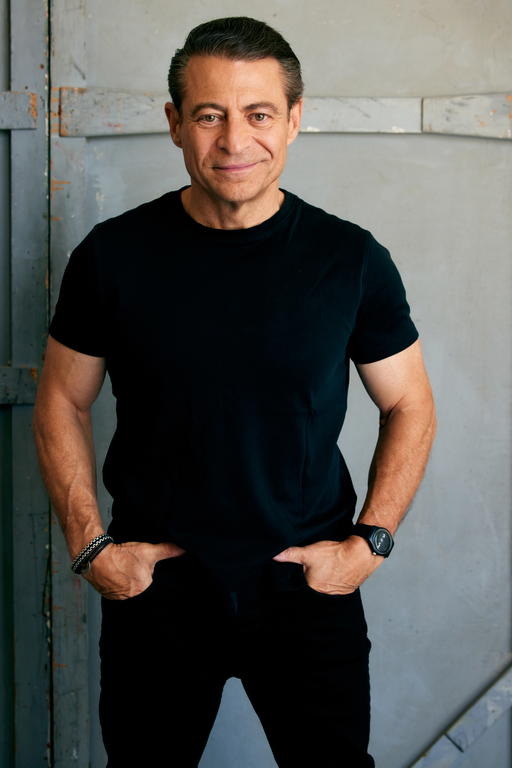
Future Resonance in New Bahru, founded by Australian couple Peter and Lynn McIntosh, blends sound frequencies, light modulation, and gentle vibration to invite deep rest and repair. Its Light Sound Vibration therapy offers a similar calm: guests lie on waterbeds that gently vibrate as surround-sound and soft pulses of light weave through the session.
The experience mirrors dry float therapy but uses pulsing white light overhead that adds a touch of psychedelia.
Rest Assured? Not Quite
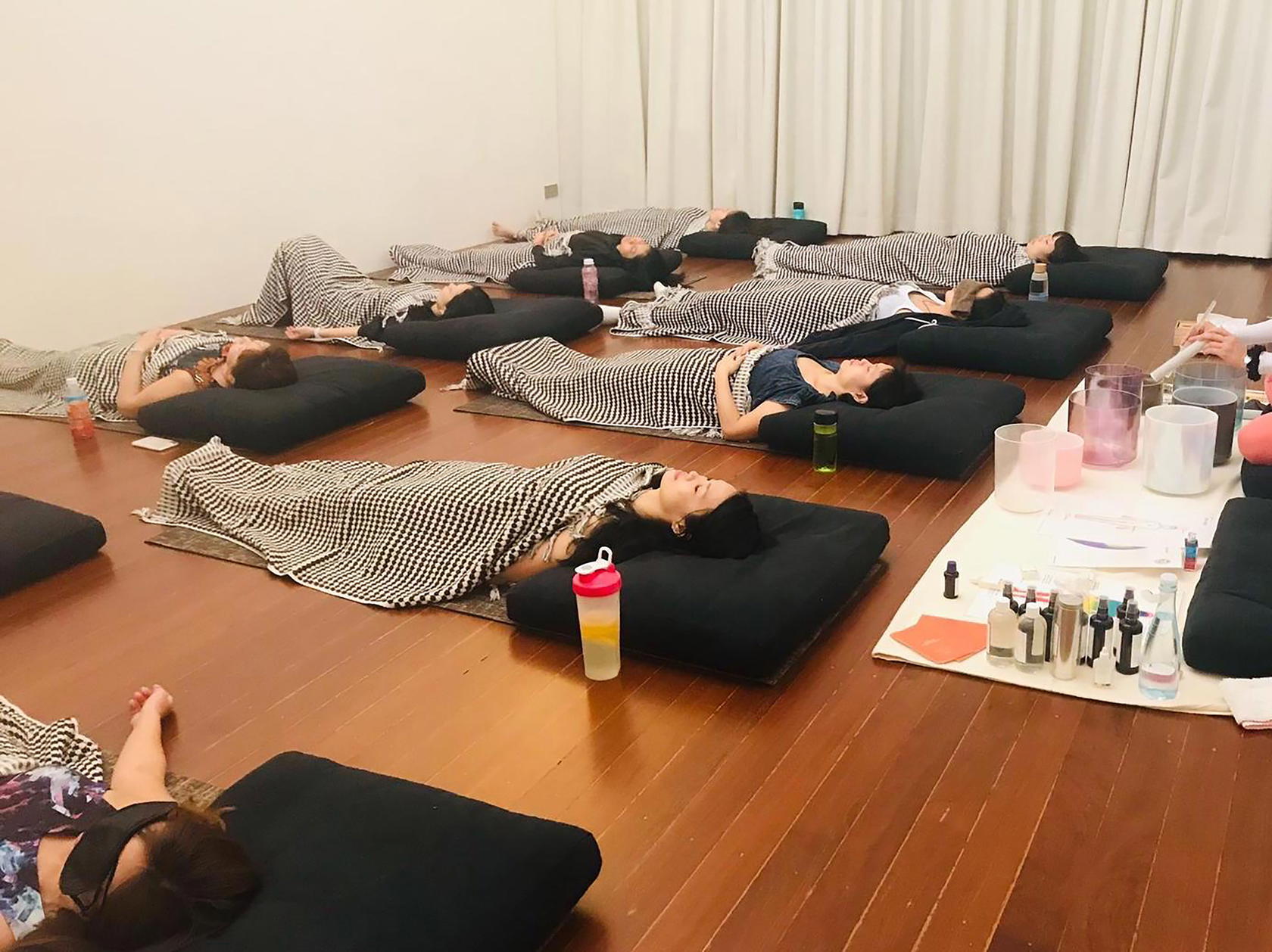
Space2B founder Christina Nikolovski believes practices such as sound healing and Yoga Nidra often serve as accessible entry points for people who struggle to rest. Sound, she explains, helps the body to settle without effort. “You simply lie down and receive. For those with active minds, this offers a gentle path to rest without needing to control or quiet the mind.”
What has changed, she adds, isn’t the practices themselves, but the urgency surrounding them. People are not just seeking relaxation; they want something more restorative to address the fatigue, overwhelm and mental overstimulation now embedded in daily life.
“There is a growing awareness that something is missing, even among high-functioning individuals who appear to have it all together. Many people are productive and engaged in doing the right things, yet there is an underlying fatigue that sleep alone cannot resolve.”
For Nikolovski, rest is not merely the absence of activity. It is a state the body must be able to access. This may explain why sleep problems rarely start at night: by bedtime, the day’s stimulation—from decisions and deadlines to screens, messages, and constant reachability—has already taken its toll.
“Sleep,” she says, “is less a single nightly event and more a continuation of how the nervous system moves through the day.”
Don’t Lose While You Snooze
Julian cautions against piecemeal quick fixes—sleep trackers, smart devices, influencers, and companies promising to engineer away insomnia with data. “Sleep is not a spreadsheet variable; it is a biopsychosocial process. We are not machines; we’re humans.”
The risk, he explains, is turning sleep into yet another optimisation project when it should be one of the few activities we do without striving to excel at it. According to Eric, sleep isn’t always solved by a better bedtime routine. The gold-standard treatment for insomnia remains cognitive behavioural therapy for insomnia (CBT-I), which helps people identify and change the thoughts and behaviours that perpetuate sleep difficulties.
A component that might seem counterintuitive to the exhausted? Short-term sleep restriction, he answers. “Rather than spending more time in bed trying to force sleep, time in bed is temporarily reduced, so sleep becomes more consolidated and consistent. The goal is not deprivation, but retraining. Over time, CBT-I helps the mind and body re-associate the bed with sleep and relaxation rather than wakefulness and calculation.”
Kraemer suggests starting with a simpler approach: exposure to morning light within 30 minutes of waking. “The body responds remarkably when you work with its biology rather than against it,” she says.
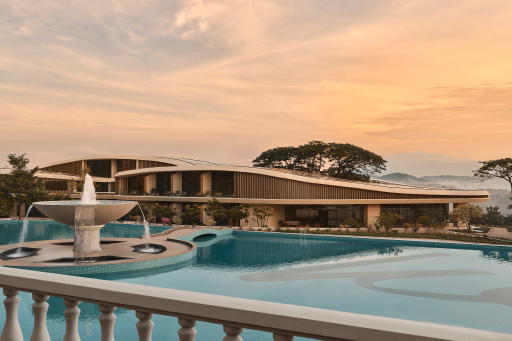
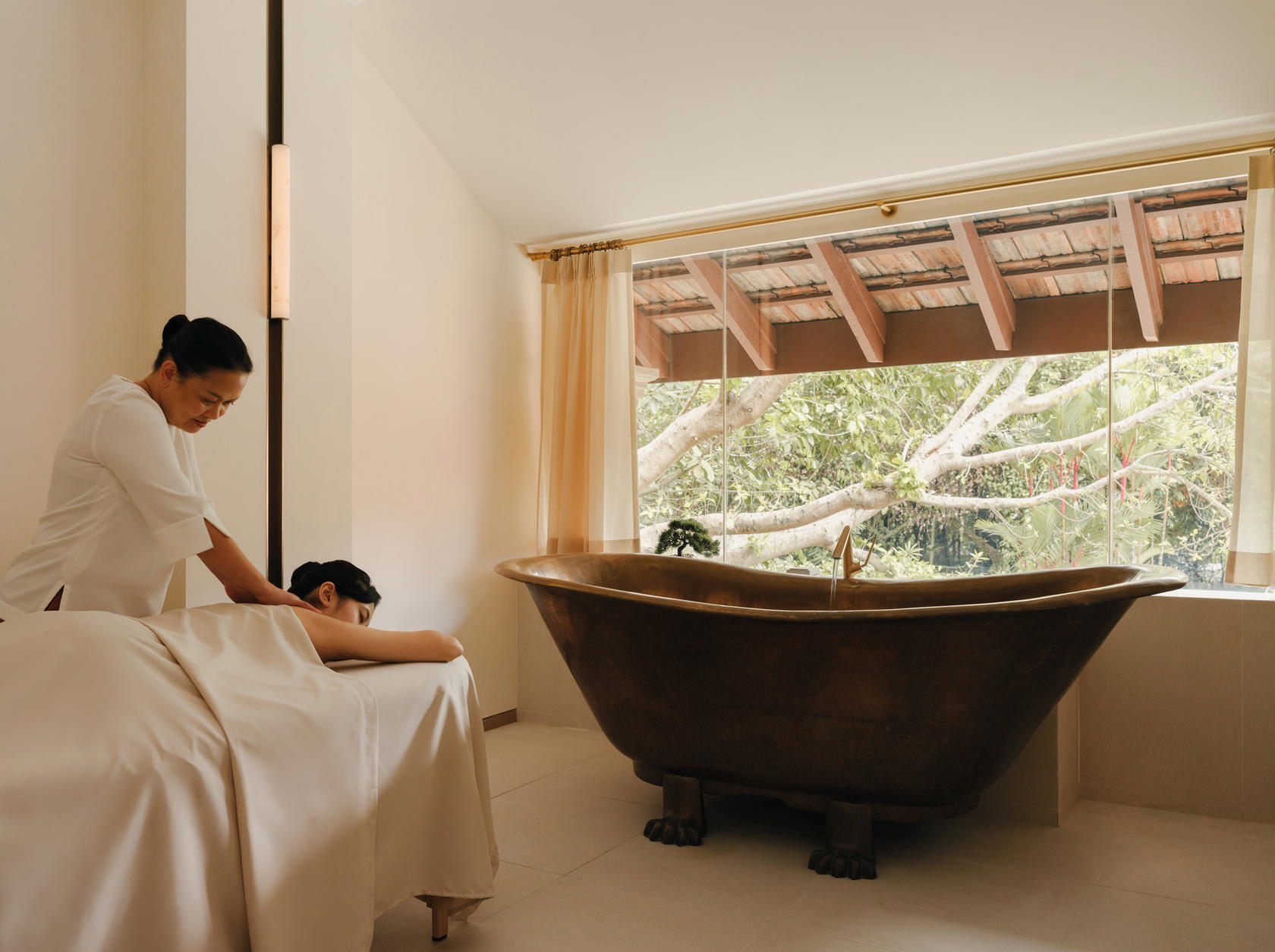
Ironically, the most memorable cure for me was almost embarrassingly analogue. I booked a massage at the Raffles Sentosa Spa, set in a former military barrack among banyans and roaming peacocks. No sleep scores, no biometric dashboards—just warm hands, long, deliberate strokes, and the rare luxury of not being asked to respond to anything.
Within minutes, my body seemed to grasp what my mind often resists: sleep comes by taking the effort out of the equation. That night, I slept well.