
A medical waiting room can feel like a sterile purgatory. The hard plastic chairs, harsh fluorescent lighting, low hum of the air conditioner, occasional dry cough, and dull flicker of information screens remind us that we’re in a sick environment. Then there’s the unpredictable wait between tests making us captive to unknown schedules.
As such, not having to queue for multiple tests and evaluations feels like I’m hacking the system. Even before lunchtime, I’d already breezed through a biometric screening, a body composition analysis, an hour-long psychological consultation, a DEXA scan to measure my bone mineral density, a PET scan to evaluate my heart functions, and a chest X-ray to assess my lung health. Save for the radiographer, I had the entire advanced diagnostics department completely to myself. It was very empty.
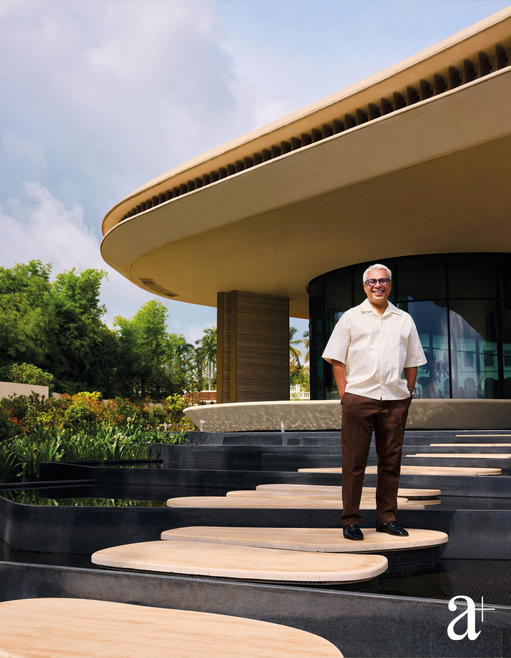
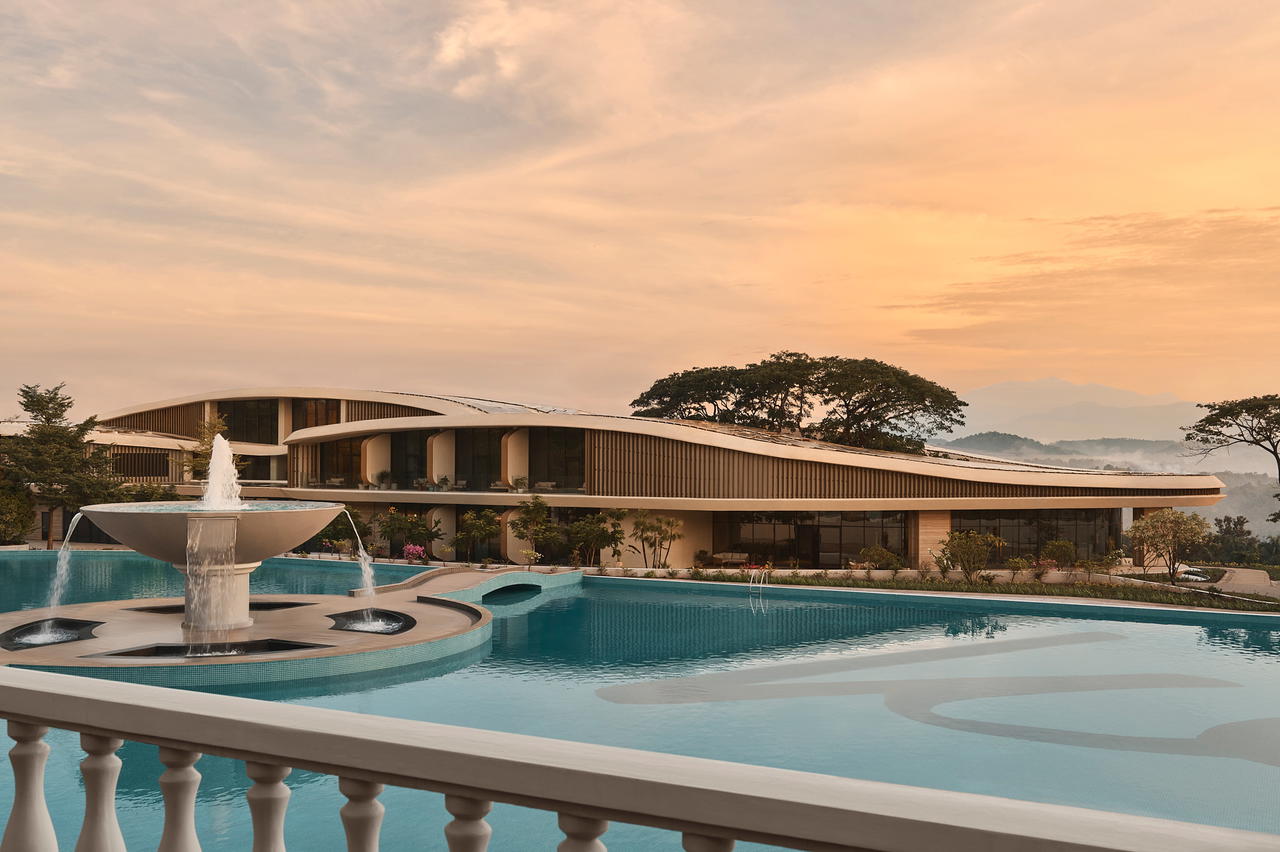
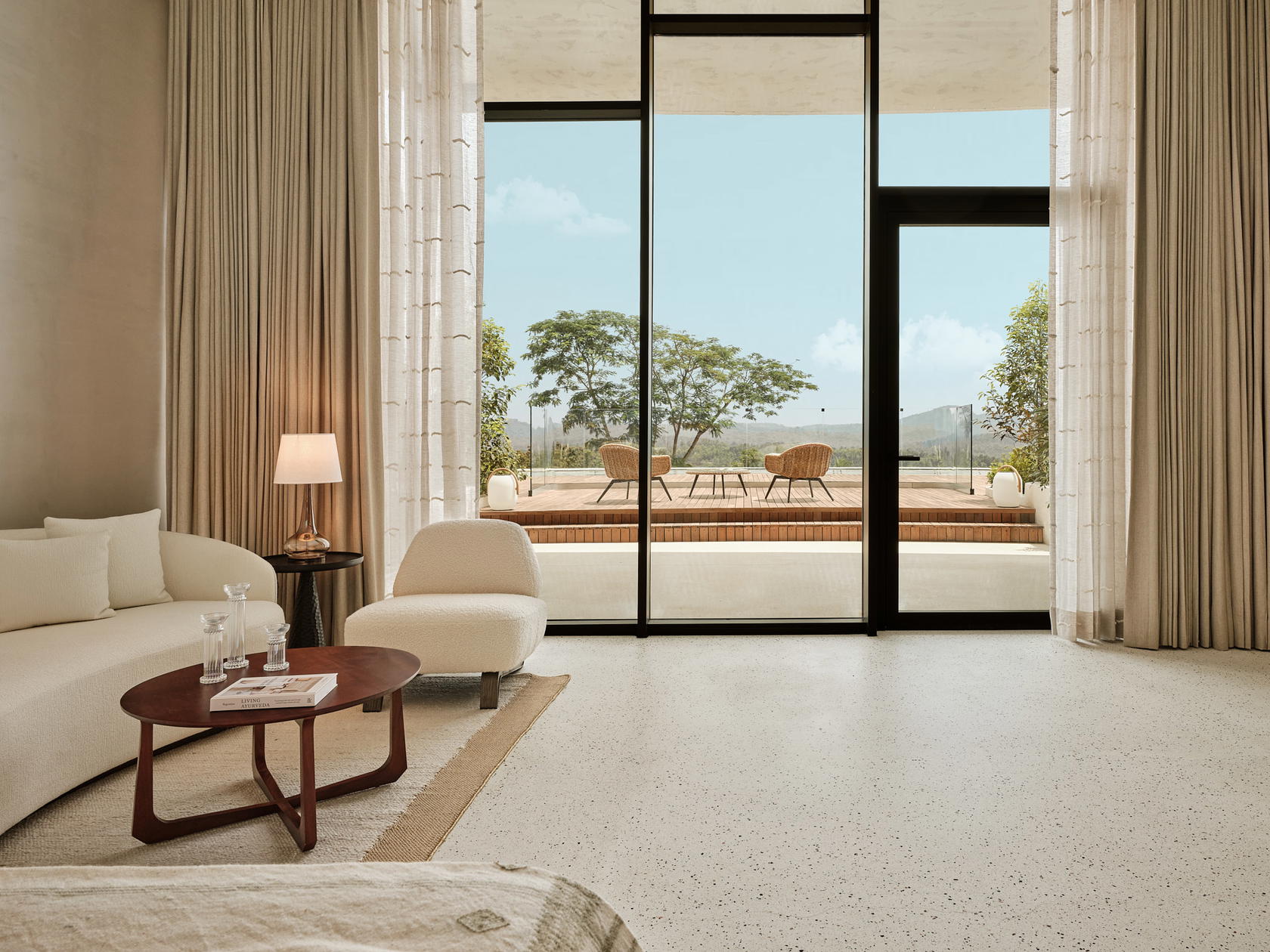
This level of isolation isn’t found at a privatised hospital, but at Tulah Clinical Wellness, an integrative wellness sanctuary in Kerala, India. It offers 35 guest rooms and suites, with 30 more in development. It also boasts infrastructure that rivals metropolitan hospitals, including advanced CT and MRI scanners, a full operating theatre, and an intensive care unit.
Precise scheduling isn’t even the biggest draw. Unlike traditional hospitals, Tulah blends advanced diagnostics with personalised health programmes and lifestyle interventions across nutrition, fitness, sleep, and mental well-being. Its approach is data-driven and preventive, helping individuals to understand their health risks early and take proactive steps to extend both lifespan and healthspan.
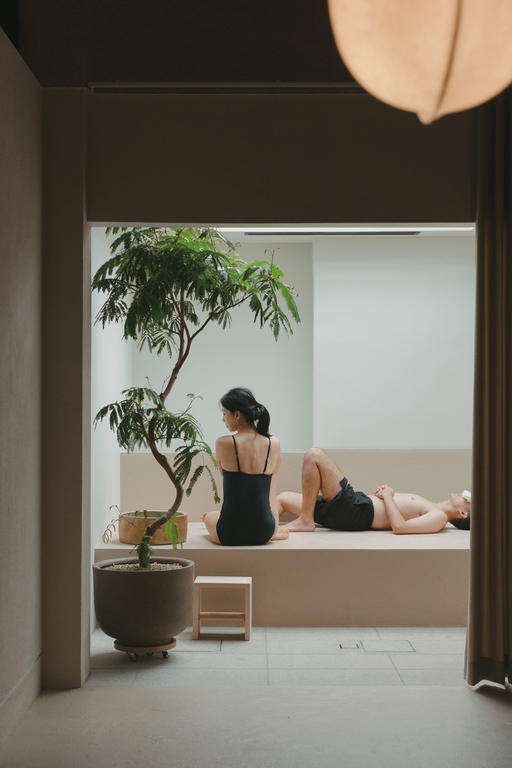
The goal is total health optimisation during your stay, which is why my post-lunch agenda includes an oro-facial screening to evaluate the structure and function of my face, jaw, and mouth, an Ayurvedic consultation, a nutritionist consultation, and a massage. I’m astonished that I’m not relegated to reading a book under the guise of downtime, as is the case at most wellness retreats. If I start a book, it will be because I squeezed in the time—not because there was nothing else better to do.
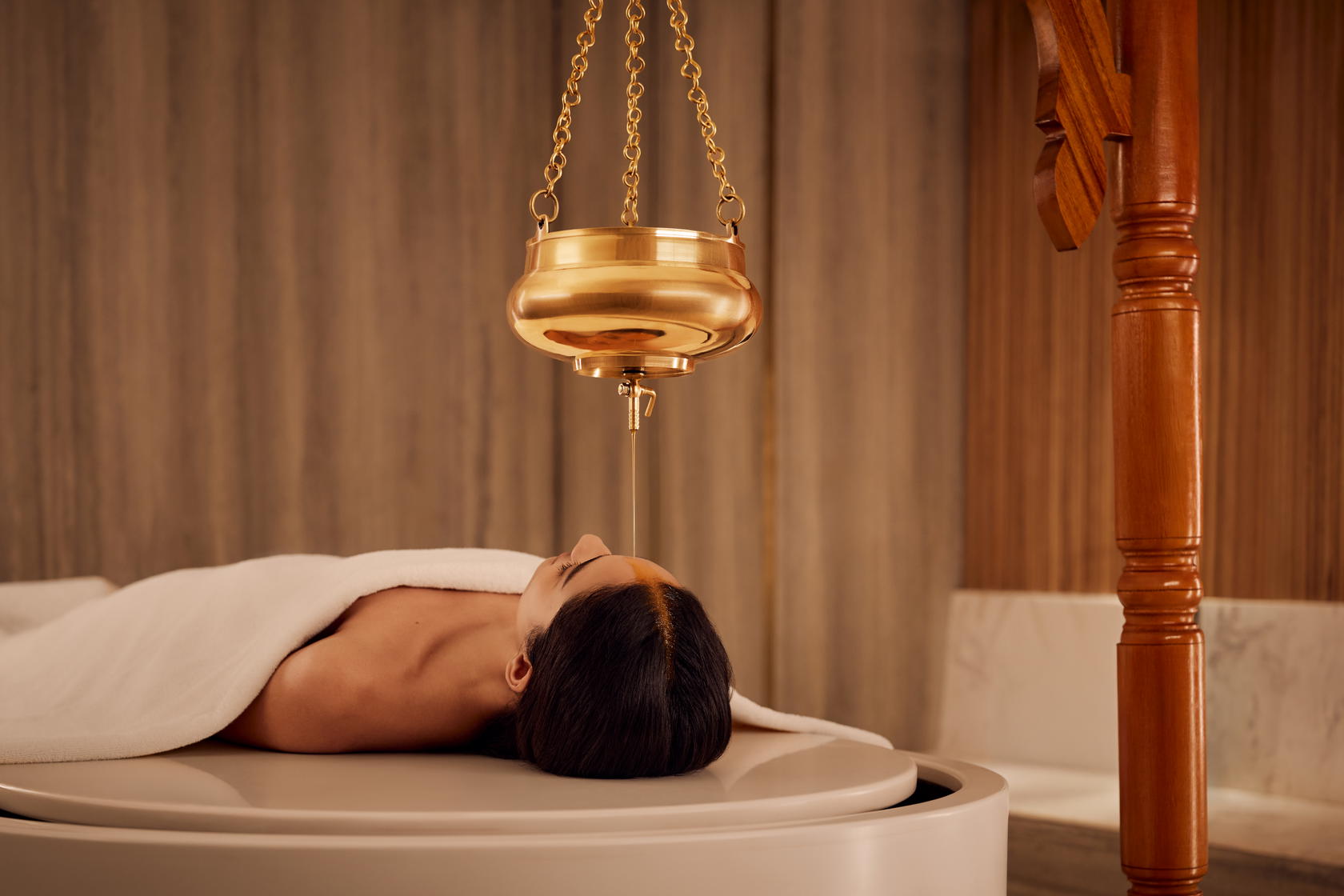
I came for actionable medical insights, and every consultation is carefully pieced together by the doctors into a personalised treatment plan. Since I suffer from chronic insomnia—a condition often linked to prolonged stress—I am prescribed daily Sarvanga Kashaya Dhara treatment. The Ayurvedic therapy involves warm, medicated herbal decoctions rhythmically poured over the entire body.
The treatment helps relieve muscle and joint pain, soothe skin inflammation and dryness, improve circulation, and promote deep physical and mental relaxation. Here, relaxation is profound, but it’s grounded in concrete medical insights.
A FENCE ON THE MOUNTAIN
Tulah champions a radically preventive approach to healthcare. “Imagine standing at the edge of a mountain peak, enjoying a breathtaking view, while an ambulance waits at the bottom for you to fall. That is our modern healthcare system—it’s entirely reactive. It waits for you to get sick, then says, ‘Don’t worry, we’ll fix you’,” says Dr Ravi Singh Parihar, Chief of Medical Services at KEF Holdings.
Headquartered in Singapore, KEF Holdings is Tulah’s parent company with stakes in infrastructure, healthcare, education, and investments in India and the Middle East. As a former orthopaedic surgeon, Dr Ravi also runs Meitra Hospital, a quaternary care facility in Kerala renowned for high-tech precision medicine.
“Tulah wants you to enjoy that mountain view, but we have a fence so you don’t fall. Our goal is to prevent illness entirely. If your habits are eroding your health, we help you correct them to halt disease before it takes hold.”
My itinerary tomorrow is as packed as it is forward-looking. Over the course of a day, I will complete a VALD assessment for strength, power, balance, and movement quality; MRI scans of my brain, spine, and abdomen; a CPET to measure exercise capacity; and foot reflexology to relieve overall tension. They are interwoven with a follow-up psychological consultation, clinical yoga, and targeted physiotherapy.
Unlike fixed retreat packages, Tulah tailors the length of stay to an individual’s needs. “We don’t do standard seven- or 14-day packages. You can’t just walk in and stay for a fortnight. We provide the clinical solutions, so we determine how many days you should stay,” Dr Ravi explains.
A multidisciplinary panel formulates guest treatment plans. Once the results are in, specialists in modern medicine, psychology, Ayurveda and traditional Chinese medicine, as well as fitness convene to map out the best course of action. From there, they compute the guest’s Tulah Life Index—a patented diagnostic tool that synthesises clinical, physical, and psychological metrics into a score out of 100 to guide personalised recovery and longevity protocols.
While guests inevitably see results under the team’s watchful eyes, the real challenge is sustaining those gains in the real world. “Over here, guests adopt new routines, but many return home, keep it up for a week or two, and then default to old patterns,” Dr Ravi notes. “Before long, everything they gained disappears. It’s back to square one.”
For this reason, Tulah is launching Tulah Tech, a dynamic digital ecosystem that extends Tulah’s reach far beyond its physical campus. Building on an existing app that enables clinical and nutritional experts to monitor users’ progress, delivers data- driven interventions, and conducts virtual consultations, the company will also introduce the Tulah Ring, a smart wearable device for continuous health monitoring.
Data-driven accountability plays a crucial role in closing that post-stay gap. “If you tell us you hit the gym at six in the morning, but your smart ring shows your heart rate stayed at 70, it means either you’re bluffing or you weren’t wearing the ring,” Dr Ravi chuckles, pointing out how wearable tech keeps guests honest.
Beyond the diagnostics, however, he insists that Tulah is less of a medical facility and more of an ongoing lifestyle. “Tulah isn’t just a place for treatment—it’s a philosophy,” he explains. “Our job is to equip you with the tools to sustain the journey back home and stay connected via our tech platform so you can reach out whenever you hit a bump in the road.”
SCIENCE AS THE UNIVERSAL LANGUAGE
Tulah operates to a strict standard: every therapy offered must be evidence-based, peer-reviewed, and conducted within protocols approved by major regulatory bodies like the US Food and Drug Administration to ensure clinical safety and efficacy at every stage.
“Even with Ayurveda, we offer therapies only when rigorous research supports them,” explains Dr Mohit Manila, Head of Modern Medicine at Tulah. “Out of 100 potential options, if only 50 are backed by solid clinical literature, those are the 50 we practise.”
He uses stroke rehabilitation to illustrate how the two worlds meet. Modern medicine focuses on the mechanics: restoring blood flow to the brain, preventing clots, and retraining nerves and muscles.
“When we apply Ayurvedic therapy, it must demonstrate that it targets the same physiological pathways—impacting the very factors modern medicine knows will drive a patient’s recovery.”
Dr Mohit Manila on Tulah Clinical Wellness’ integration of Ayurveda
Further adding credibility is Tulah’s collaboration on a research project with Harvard University. The two institutions are jointly exploring strategies to integrate breathwork into mental well-being, with the aim of designing protocols that further alleviate mental disorders.
In Dr Mohit’s experience, many health problems originate in poor mental well- being. “When guests arrive, what we see are the physical manifestations—poor posture, metabolic disorders, diabetes, and hypertension—that signal deeper issues,” he notes, explaining that mindset drives lifestyle habits. Except for infectious diseases, most chronic issues originate from stress, anxiety, or unresolved psychological friction, he adds.
That disconnect often spills into daily life, surfacing as poor gut health, insomnia, troubled relationships, and a persistent lack of fulfilment that eludes even material success. People sleep poorly, battle gut issues, and feel disconnected when they’re overworked, ungrounded, and out of touch with themselves.
So how would Dr Mohit assess a seemingly healthy 45-year-old aiming to improve healthspan? With a comprehensive inside-out evaluation that goes beyond standard blood tests. He uses full-body imaging to reveal silent risks before symptoms appear. “Even for someone virtually healthy, we run thorough psychological, Ayurvedic as well as Chinese medicine, fitness, and yoga evaluations to uncover hidden imbalances.
“If all their markers are optimal, we build on those strengths. But first, we unpack what health means to the individual because it goes far beyond just feeling fine physically.”
Additionally, the intellect of the individual must be considered. Even for someone in peak shape, Dr Mohit sees room to grow. “If your physical health is perfect, we pivot to higher domains,” he says. These include intellectual enhancement, sharpening existing skills while elevating mental clarity and cognitive agility, and pursuing deeper personal satisfaction.
His definition of longevity is an alignment of mind, body, and spirit. Through clinical precision and holistic tradition, Tulah ensures guests depart with mental clarity, emotional grounding, and practical tools to thrive long after their stay.