
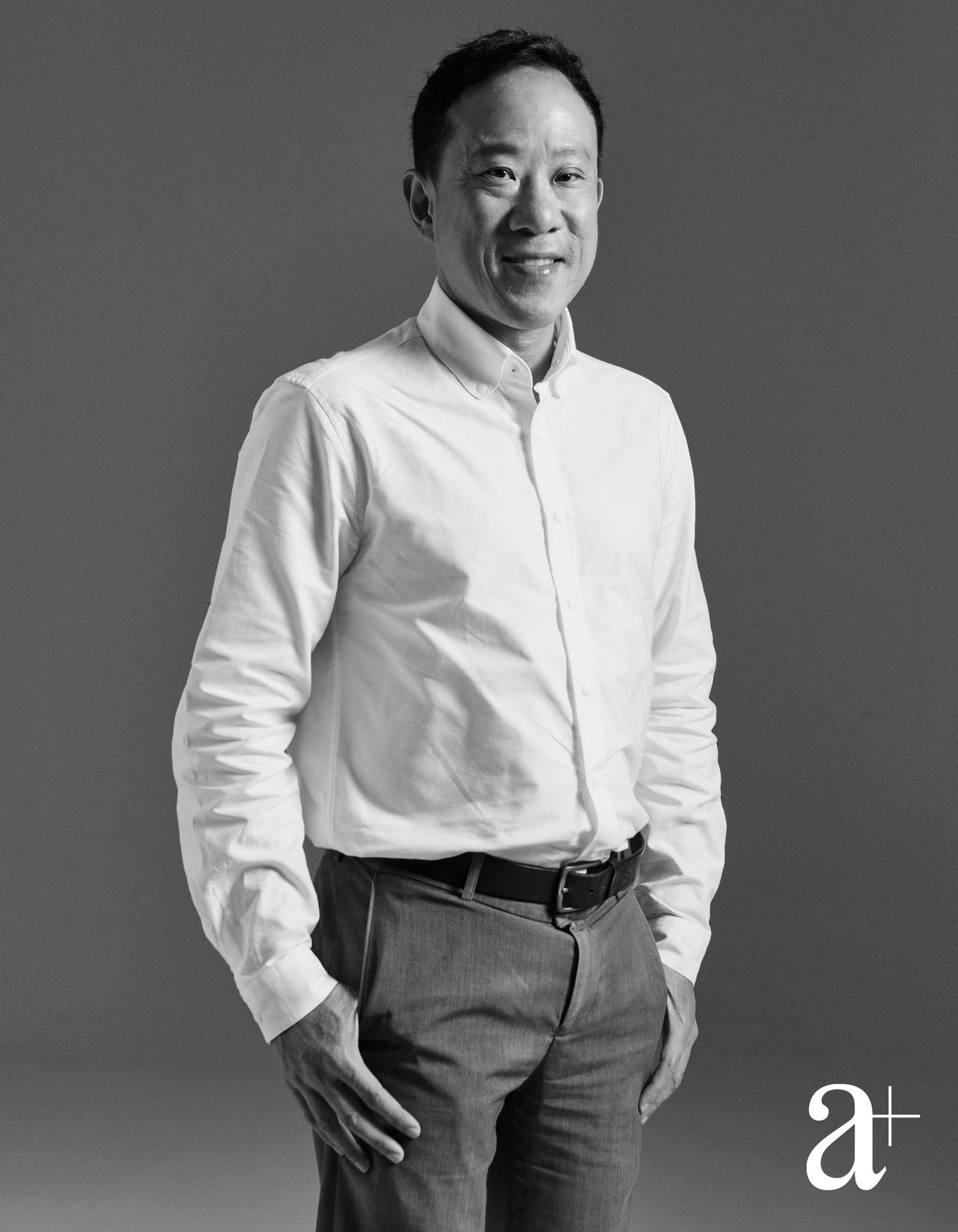
There is no shame in asking why sleep is so important, says Dr Julian Lim. If anything, he’s always happy to reiterate the key benefits. Fundamentally, as with diet and exercise, sleep is crucial to our long-term health and deprivation increases the risk of many chronic diseases. “You can get away with being without it for a while, but you’re going to pay for it later on.”
More significantly, we’re unable to show up at our best without sleep. “I feel like a lot of people mortgage their happiness in the present for happiness in the imagined. They’re like, ‘I’ll work myself to the bone for now, and at some imaginary time in the future, I’ll be able to enjoy my life’. But life doesn’t work like that.”
It is why he is dogged in his mission to help us overcome sleep issues, co-founding sleep disorder centre Somnus Sleep Wellness in 2022 to prescribe personalised treatment plans. As a psychologist, he mainly utilises cognitive behavioural therapy (CBT) to treat patients. Talking therapy works “really, really well”, he explains, because it helps us challenge thoughts about ourselves or our sleep patterns that aren’t founded on sound assumptions.
This is on top of using a mindfulnessbased treatment. “It’s like a newer, shinier version of CBT and I ran one of the first clinical trials in the world in Singapore,” Lim says.
But the principal factor in moving the needle is a change in sleep schedule. As it stands, people tend to develop anxiety when they’re unable to fall into slumber. “We get rid of it by saying, ‘Okay, you’re not going to spend nine hours in bed anymore. You’re going to sleep for six hours.”
“That might be less than what you’d normally need, but that’s all your body is giving you for now, so let’s not spend this extra time being anxious because, paradoxically, that is what is causing you to sleep less’.”
Dr Julian Lim on managing sleep anxiety
The point is to have patients take their mind off the idea that they have to try and sleep. “It’s like them saying they have no appetite. I don’t tell them to try and eat,” he analogises. In his experience, Singaporeans aren’t sleeping enough because we not only have multiple competing priorities, but also aren’t proficient enough at managing stress. Moreover, sleep issues rarely ignite a sense of urgency as the risks are silent.
He singles out two challenges in helping people sleep better. First, insufficient public awareness. Although knowledge and CBT can effectively treat insomnia, few recognise that psychology can help alleviate sleep issues. Second, financial constraints. Many of his patients pay out of pocket for treatment and he notes that the lack of insurance coverage is “a big barrier”.
As such, Lim now employs a B2B2C model. “We’re going to companies and saying, ‘This problem affects your bottom line, and you should do an organisation-wide screening. We have tools available to have people treated in groups’.”
The goal is for Somnus Sleep Wellness to become a regional one-stop centre for people with sleep disorders and he is in the midst of raising seed money. While the team currently only comprises three people, he has already secured a few regional partners.
Given the correlation between sleep and mindfulness, Lim’s hope is that all of us become more aware of the here and now. His top tip mindfulness tip? Examine your thoughts and understand that they aren’t necessarily true.
“If we stop and think about it, we can see that thoughts are things that arise and fall. They don’t generate. This can be helpful in detaching ourselves from false beliefs.”
Photography Mun Kong
Art direction Ed Harland
Hair Kenneth Ong using Balmain Paris
Makeup Zhou Aiyi using Make Up For Ever
Photography assistant Melvin Leong