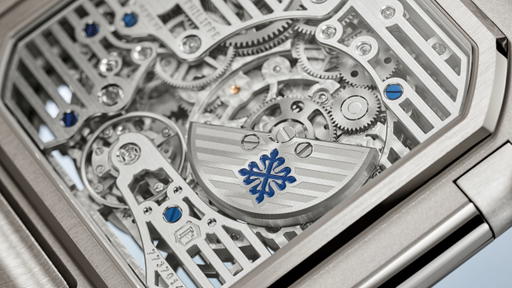


The 2026 edition of Watches and Wonders Geneva at Palexpo set new benchmarks, drawing nearly 60,000 visitors—a nine percent increase from the previous year—along with 1,750 accredited journalists and 6,000 retailers. The hashtag #watchesandwonders2026 reached approximately 900 million people, up 29 percent from 2025.
Meanwhile, the headlines were dominated by anniversaries like Rolex’s Oyster case centenary and milestones for Tudor, Patek Philippe, and IWC. The fair also showcased some of the most technically ambitious complications and innovative proprietary materials, making it a standout year for groundbreaking advances.
ROLEX

One of the biggest releases of the week was Rolex’s Oyster Perpetual 41 in yellow Rolesor, marking a century since the 1926 Oyster case patent. The yellow gold bezel and crown are paired with an Oystersteel bracelet containing steel links—a departure from convention, since Rolesor bracelets almost always feature gold through the middle. The slate dial is understated, with the “Swiss Made” label at 6 o’clock replaced by “100 years” for the first time in the company’s history, underscoring the watch’s centenary significance.
Green five-minute markers trace the minute track and match the Rolex logo in the same hue, while the winding crown is engraved with “100”. The watch houses the calibre 3230, the first movement to carry Rolex’s updated Superlative Chronometer certification. This year, the standard introduced new tests at the design and manufacturing stages, focusing on magnetic resistance, reliability and sustainability in addition to the 2015 criteria of precision, waterproofness, winding, and power reserve. It is the most restrained centenary watch Rolex could have created, and the simplicity is intentional.
TUDOR
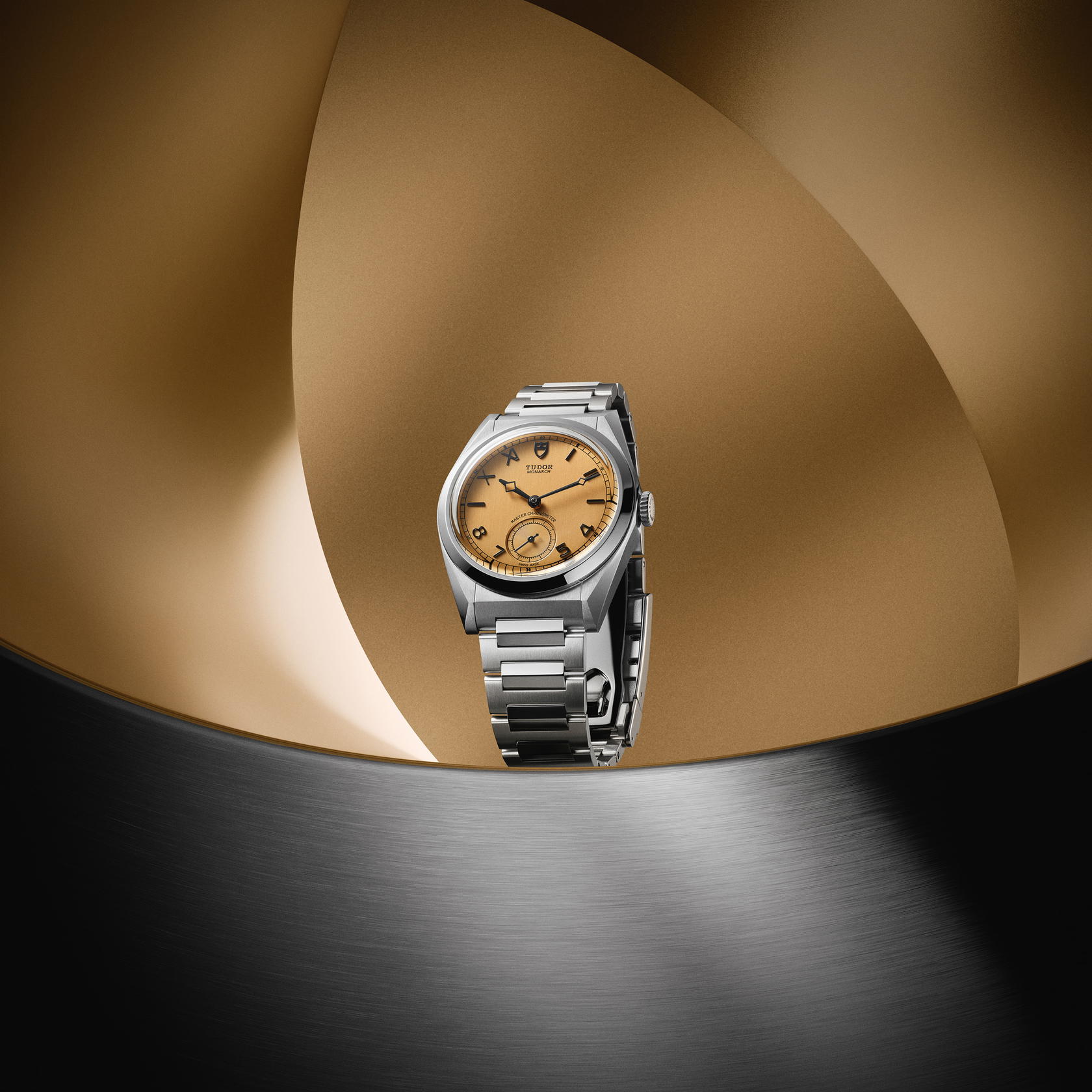
Tudor also turns 100 this year and it’s no coincidence: Hans Wilsdorf registered “The Tudor” as a separate brand alongside the Oyster patent in 1926. The centennial edition is the new Monarch, a name sourced from the archives, with a sharply faceted case and Patek Philippe matching bracelet. Its papyrus-coloured dial combines Roman numerals on the top half with Arabic on the bottom, a design Tudor refers to as “Error-Proof” and better known to collectors as the California dial. Inside is the new MT5662-2U, certified as a Master Chronometer by Metas, offering a 65-hour power reserve.
Patek Philippe
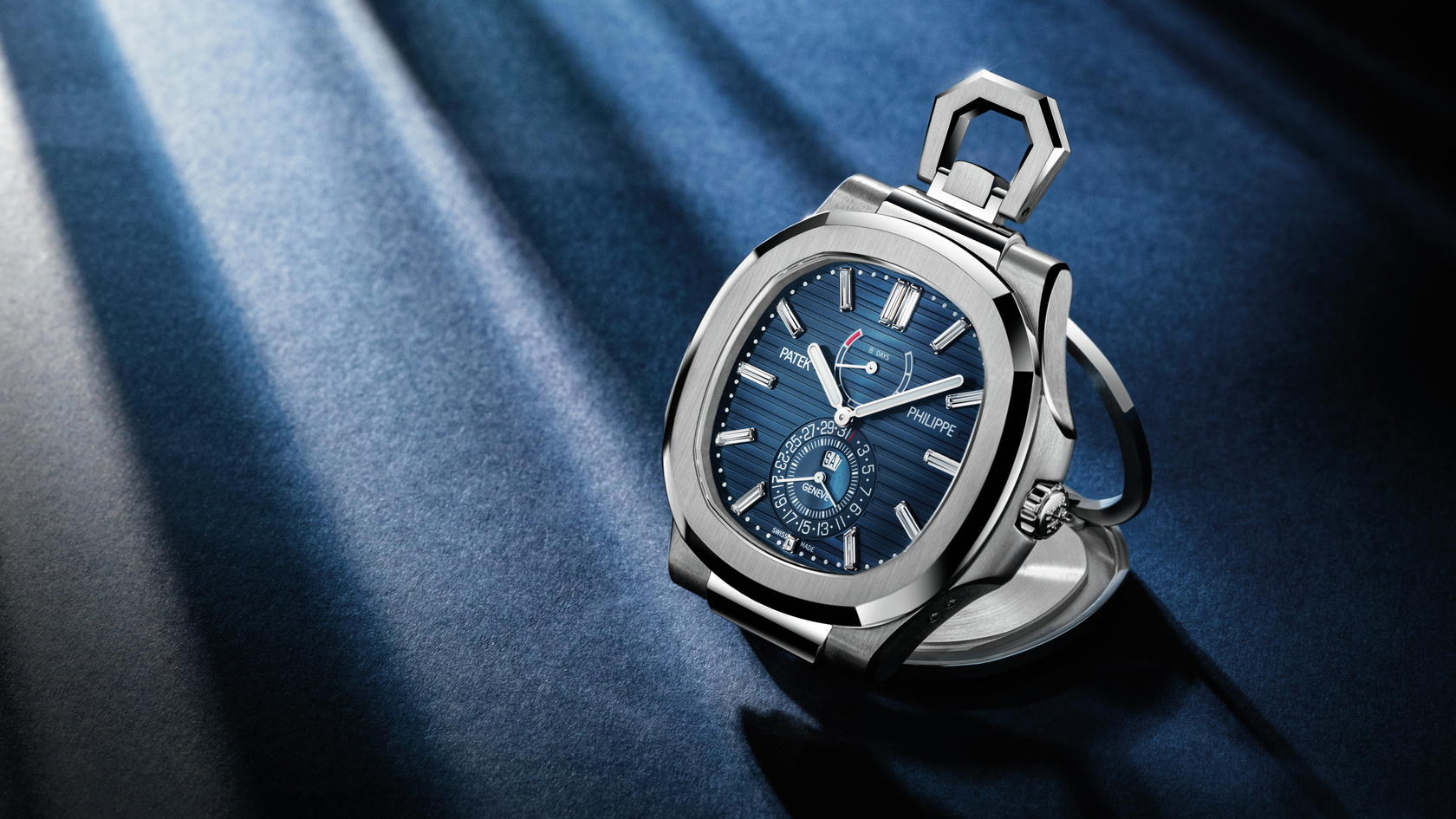
Obviously, not every anniversary requires a century, as proven by Patek Philippe, which celebrates one of its most significant milestones: 50 years of the Nautilus, the steel sports watch designed by Gérald Genta and unveiled in 1976. There were four limited editions, including three wristwatches using the ultra-thin self-winding calibre 240 and the Ref 958G-001 Nautilus desk clock.
The 50.65-mm white gold case has a hinged back, finished in sunburst blue with a Calatrava cross, that doubles as a support base. It contains the manually wound calibre 31-505 with twin barrels, providing an eight-day power reserve. Additionally, with baguette diamonds totalling 0.96ct set into the hour markers, the dial is distinctly Nautilus.
IWC
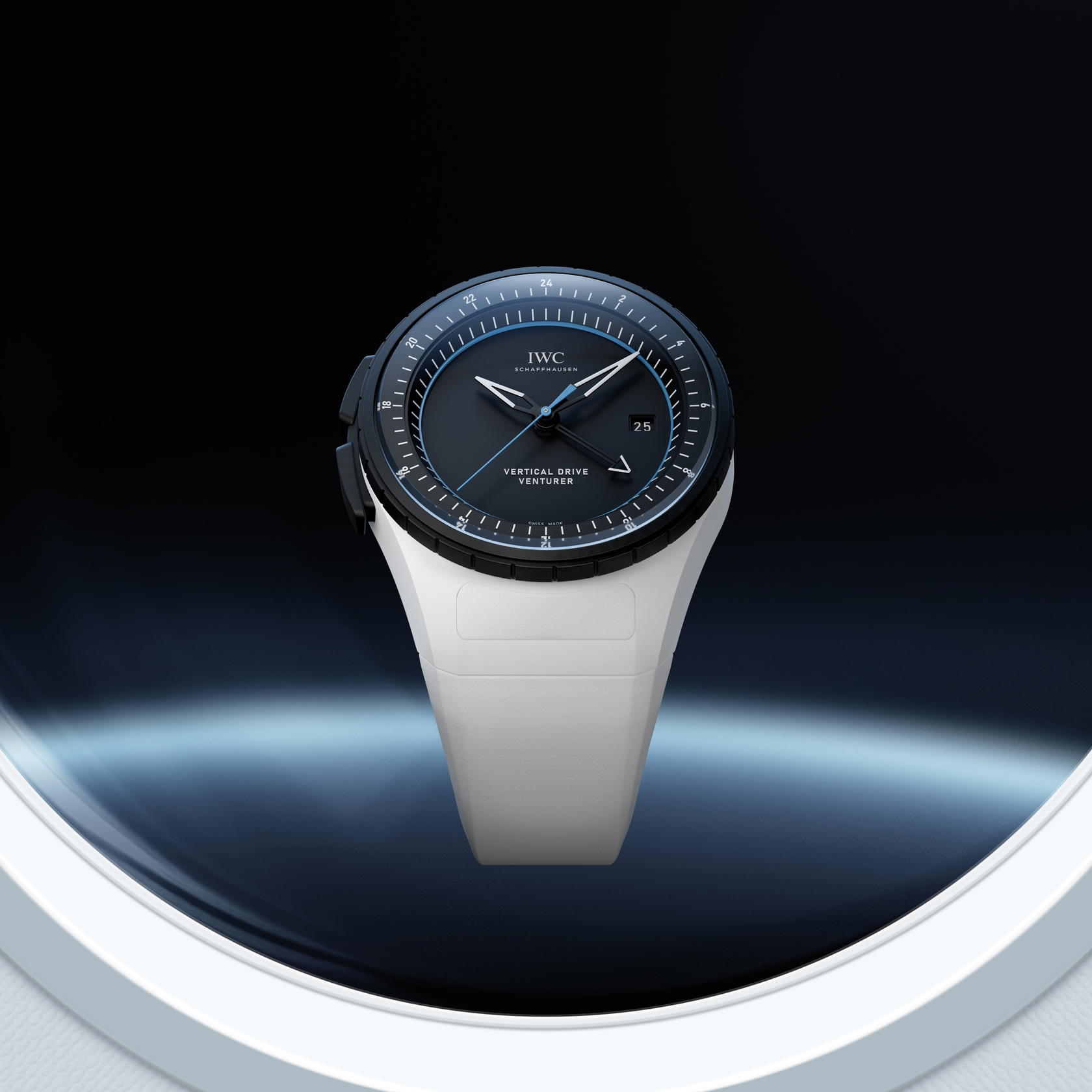
IWC focused on innovation rather than reissues of its Pilot’s Watch in its 90th year. The highlight is the Pilot’s Venturer Vertical Drive, co-developed with commercial space station company Vast and certified for human spaceflight. As there is no crown, all its functions are controlled by a patent-pending rotating bezel and a rocker switch, making it suitable to use while wearing gloves.
Parmigiani Fleurier
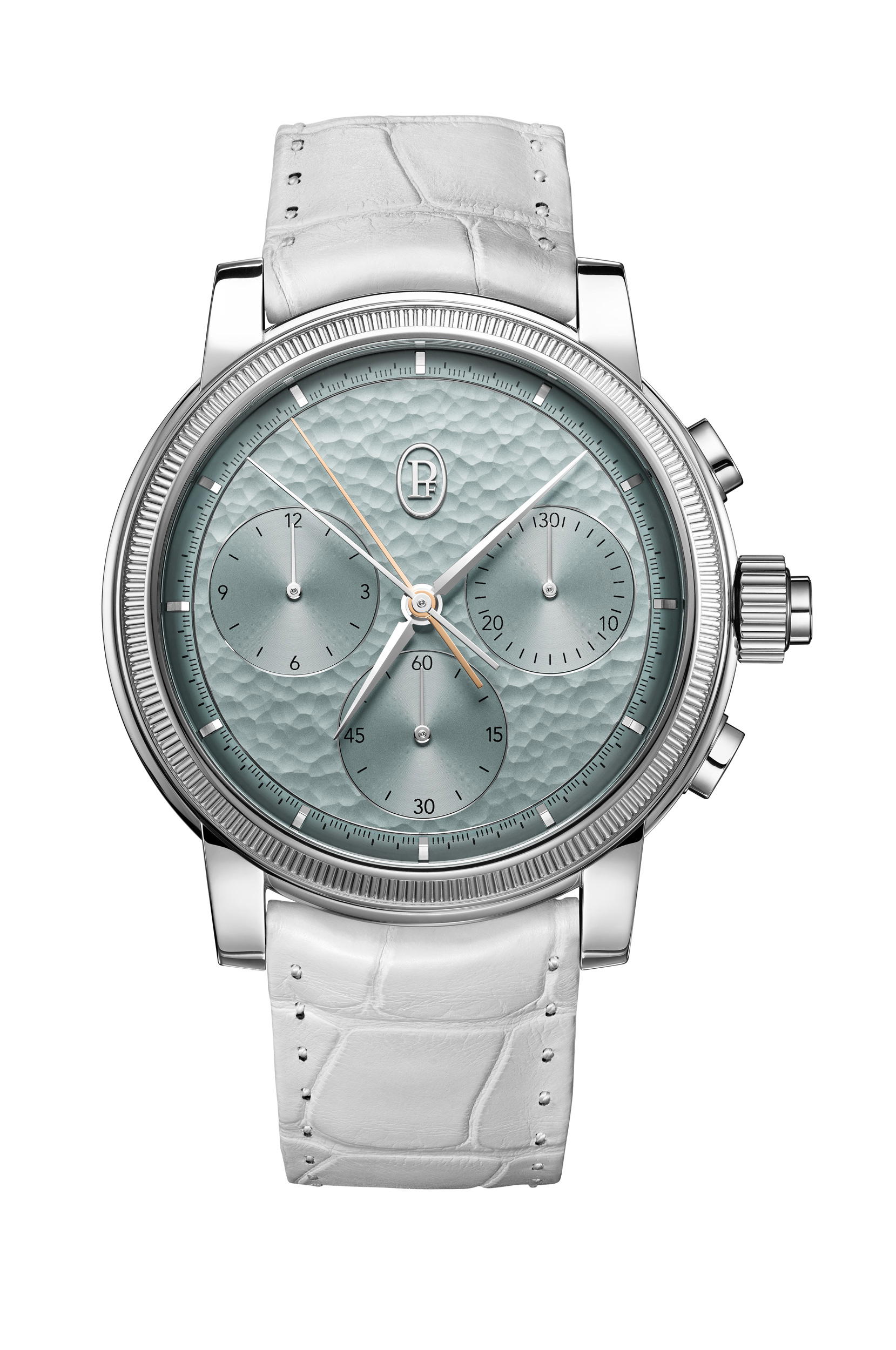
For its 30th anniversary, Parmigiani Fleurier showcased its craftsmanship in three Toric anniversary editions with a limited run of 30 pieces each, alongside exclusive platinum Tonda anniversary models. The Toric dials are the standout feature, each hand-hammered from solid gold through approximately 60 operations by a single artisan, so they are all unique. The subsidiary counters are enhanced with an azure finish, cut with diamond tools to produce fine grooves that interact with light differently from the irregular hammered surface.
On the movement side, the Petite Seconde and Quantième Perpétuel models feature rose gold—a challenging material to finish without distortion—rather than nickel-silver or brass. They are adorned with a double hand-guilloche treatment, so the Clou de Paris pyramids are paired with filet saute linework.
Cartier
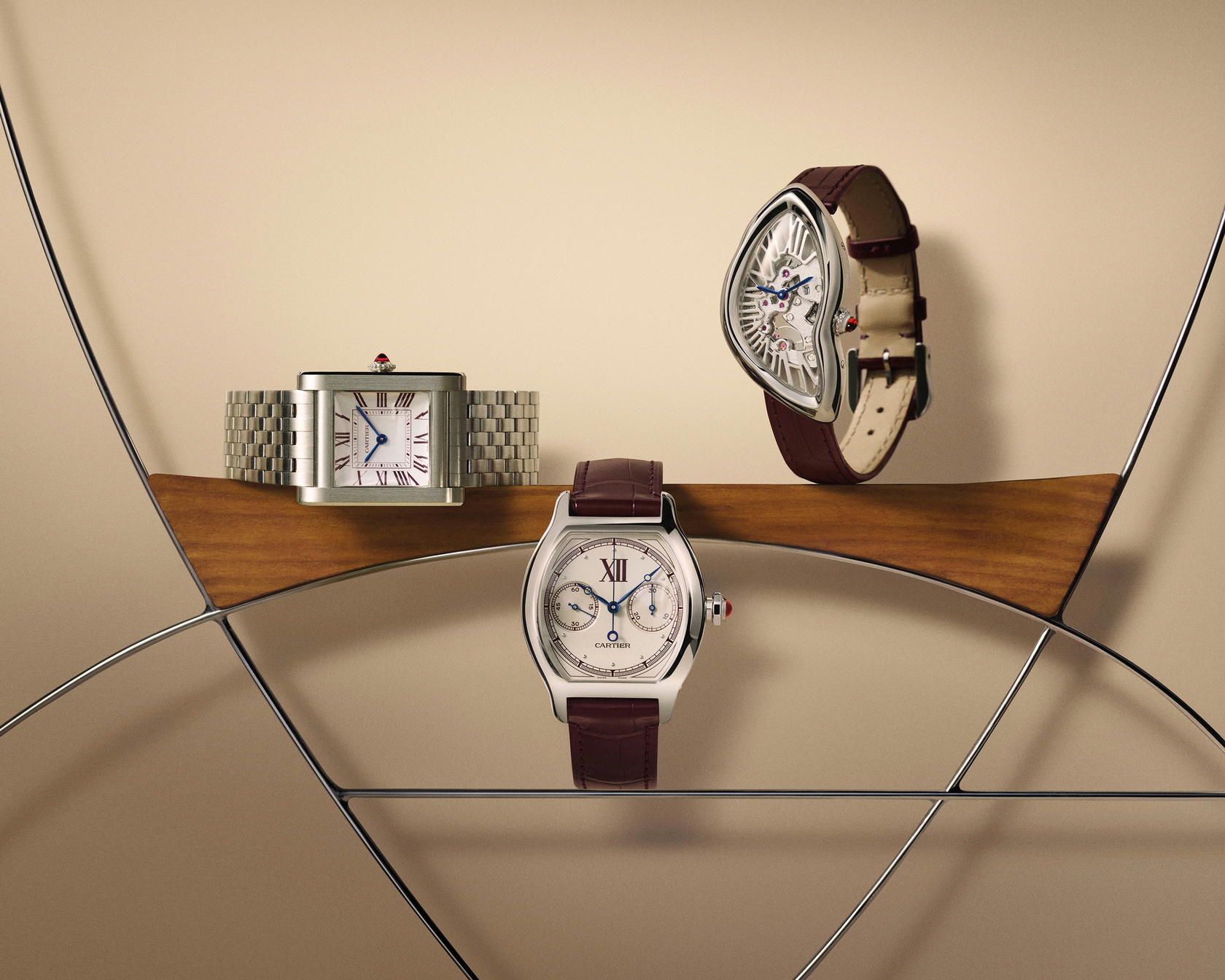
This year marks the 10h anniversary of Cartier’s celebrated Cartier Prive line. Every year since 2015, the collection has revisited the archives, reissuing historical case shapes in limited platinum editions. The cycle, however, ends with this 10th release. Three previous designs were revived for Les Opus: a Tank Normale, a Tortue Chronographe Monopoussoir, and a Crash Squelette. They are all crafted in platinum with burgundy accents, ruby cabochon crowns, and blued steel hands.
For collectors, the Crash is particularly noteworthy. The watch’s iconic asymmetric design has been reworked into a new skeleton shape, with the crown moved to 4 o’clock and the movement’s bridges shaped and hand-hammered into Roman numerals. In addition to the platinum trilogy, Cartier launched the Prive La Collection, a permanent line-up of the following yellow gold archival pieces: a second Tank Normale, a Cloche de Cartier, and a Tank Cintree.