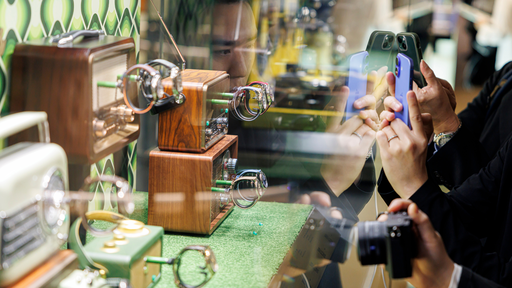

In horology, how a watch keeps time is as important as what it is made of. At this year’s Watches and Wonders Geneva, which drew close to 60,000 visitors—up nine percent from the previous year—1,750 accredited journalists and 6,000 retailers, several brands furthered that conversation through ambitious material experimentation and craftsmanship.
ROLEX
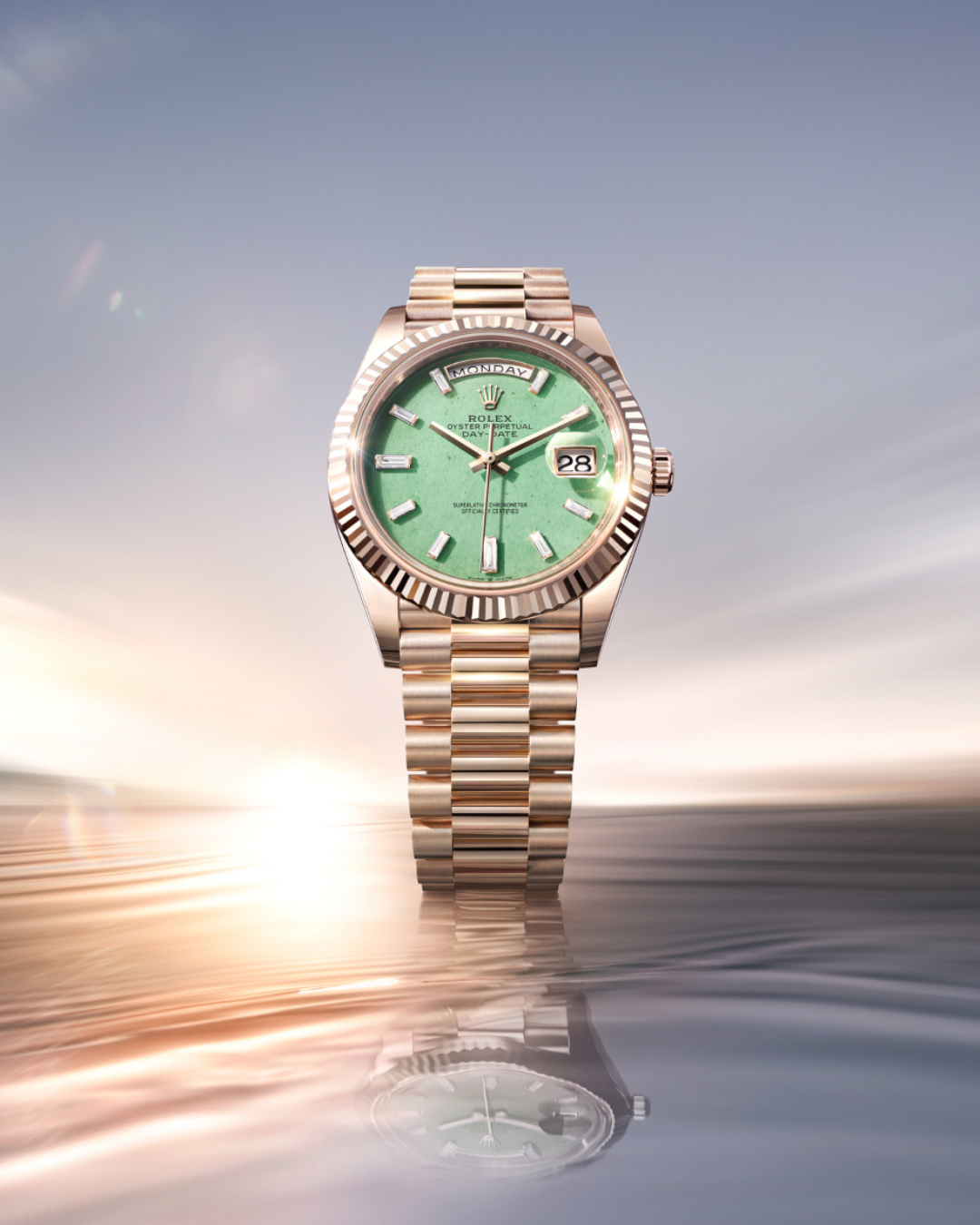
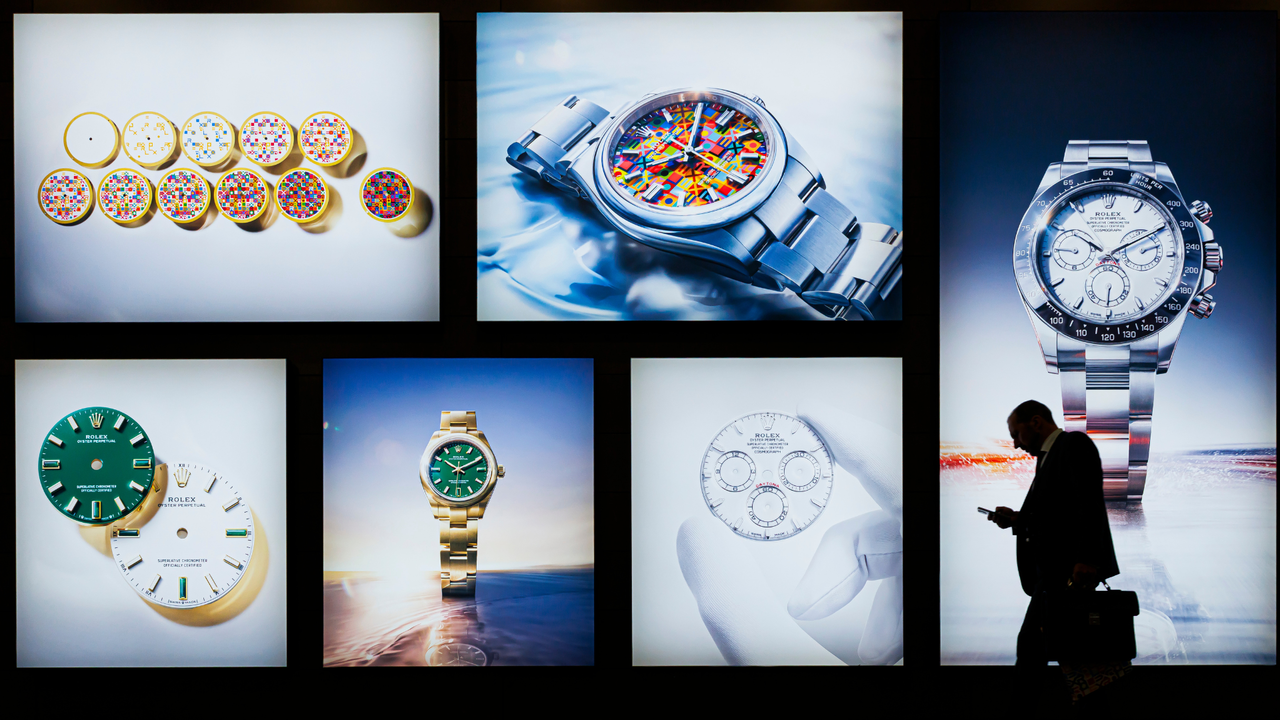
Rolex launched its first new proprietary gold alloy in 20 years. Jubilee Gold, an 18k alloy created entirely in-house, features tones ranging from gentle yellow to warm grey to soft pink, depending on the lighting. In comparison to traditional yellow gold, it offers a subtler contrast and a cooler feel than rose gold. This alloy is featured on the Oyster Perpetual Day-Date 40, along with a pale green aventurine dial and hour markers set with baguette diamonds.
PANERAI
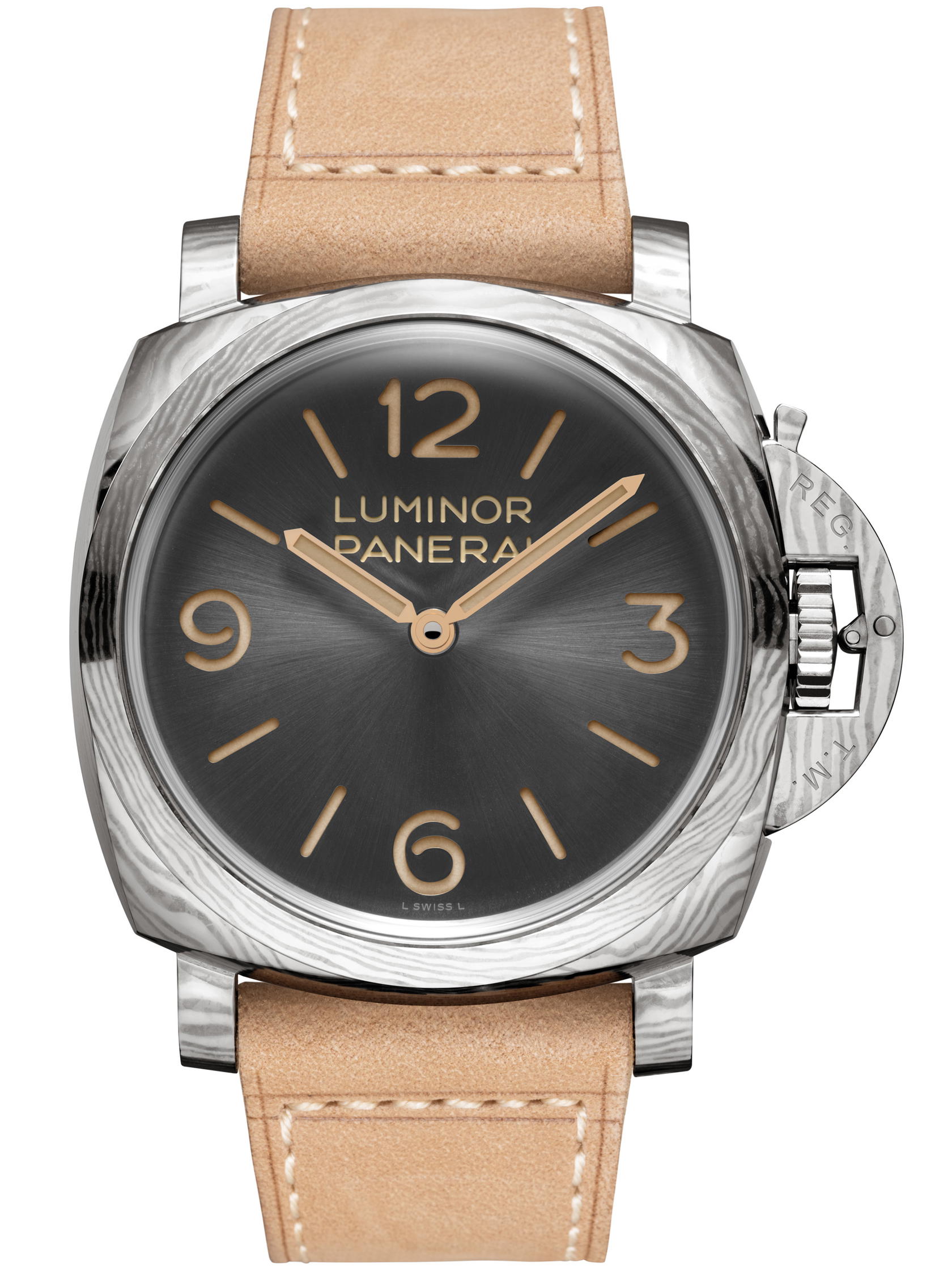
Panerai introduced two new materials. Firstly, forged titanium, made by bonding two different grades of metal under heat and pressure with a forging hammer. Each of the 100 Luminor PAM01629 cases has a unique striated pattern created by the process. Secondly, hafnium, a metal historically used in nuclear submarine control rods that has never been used in watchmaking before.
Hafnium is roughly 70 percent denser than steel, holds up exceptionally well against corrosion, and requires five-axis machining with constant monitoring and frequent tool
changes. This results in a silver-grey surface with subtle blue undertones that a conventional metal cannot replicate. It appears on the PAM01089 Submersible Navy SEALs, is limited to 35 pieces, and rated to 1,000m.
IWC
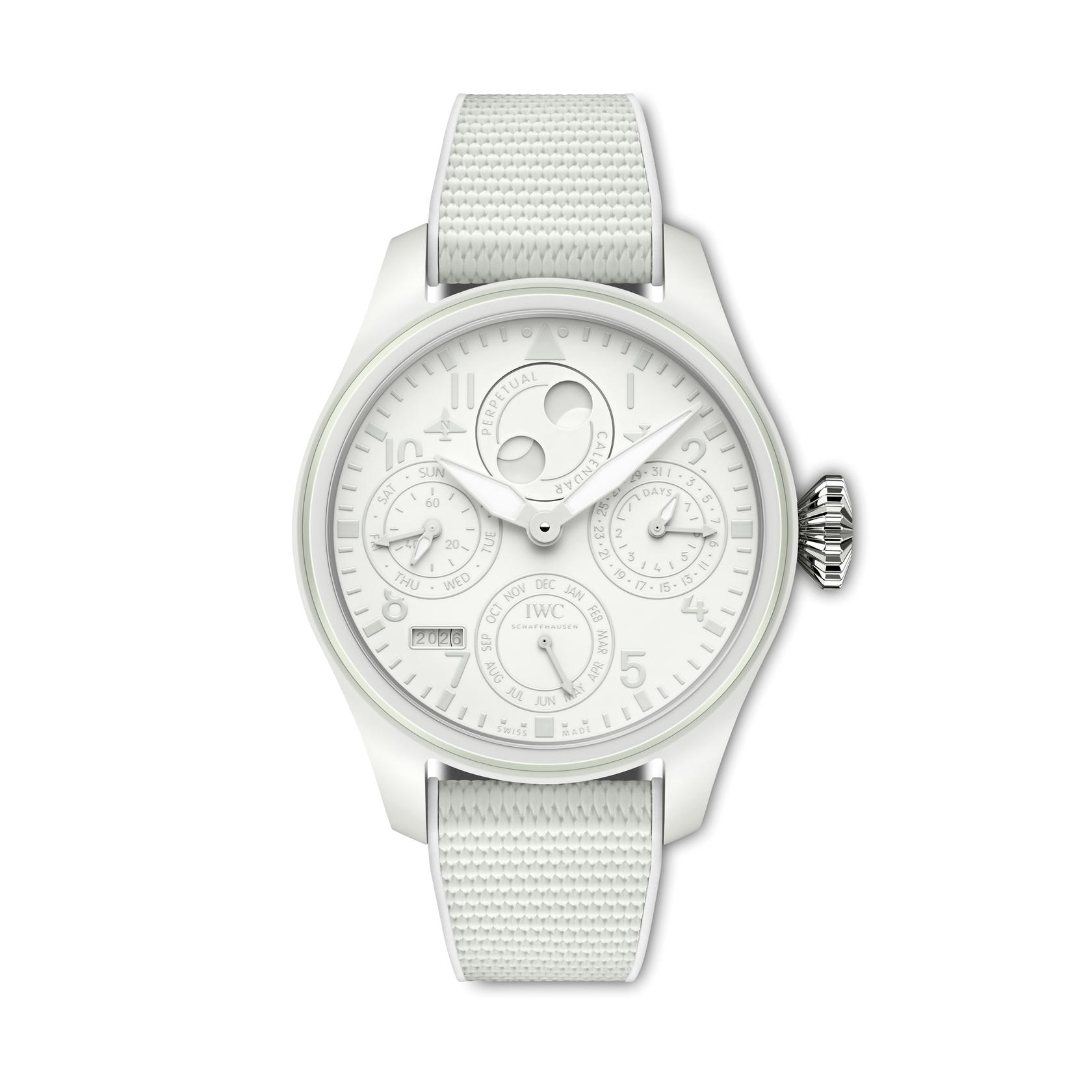
From brown silicon nitride to black boron carbide, IWC has spent four decades developing expertise in advanced ceramics. In the latest step, the Big Pilot’s Watch Perpetual Calendar Ceralume has a 46.5-mm case in luminous white ceramic, a proprietary material developed with Swiss pigment specialists RC Tritec.
The task of blending ceramic powders and Super-Luminova pigments of varying particle sizes was solved through a dedicated ball-milling process. The case functions like a light-storage battery, absorbing ambient light and re-emitting it for over 24 hours. In the dark, the case, dial, and strap glow blue, with the numerals and hands appearing as dark shadows against the luminous ground.
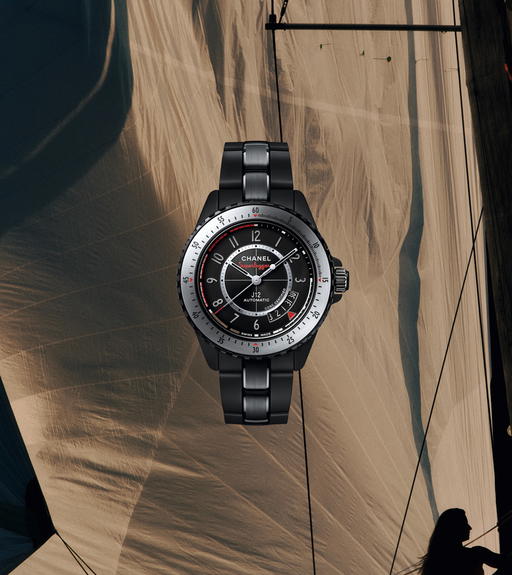
Chanel
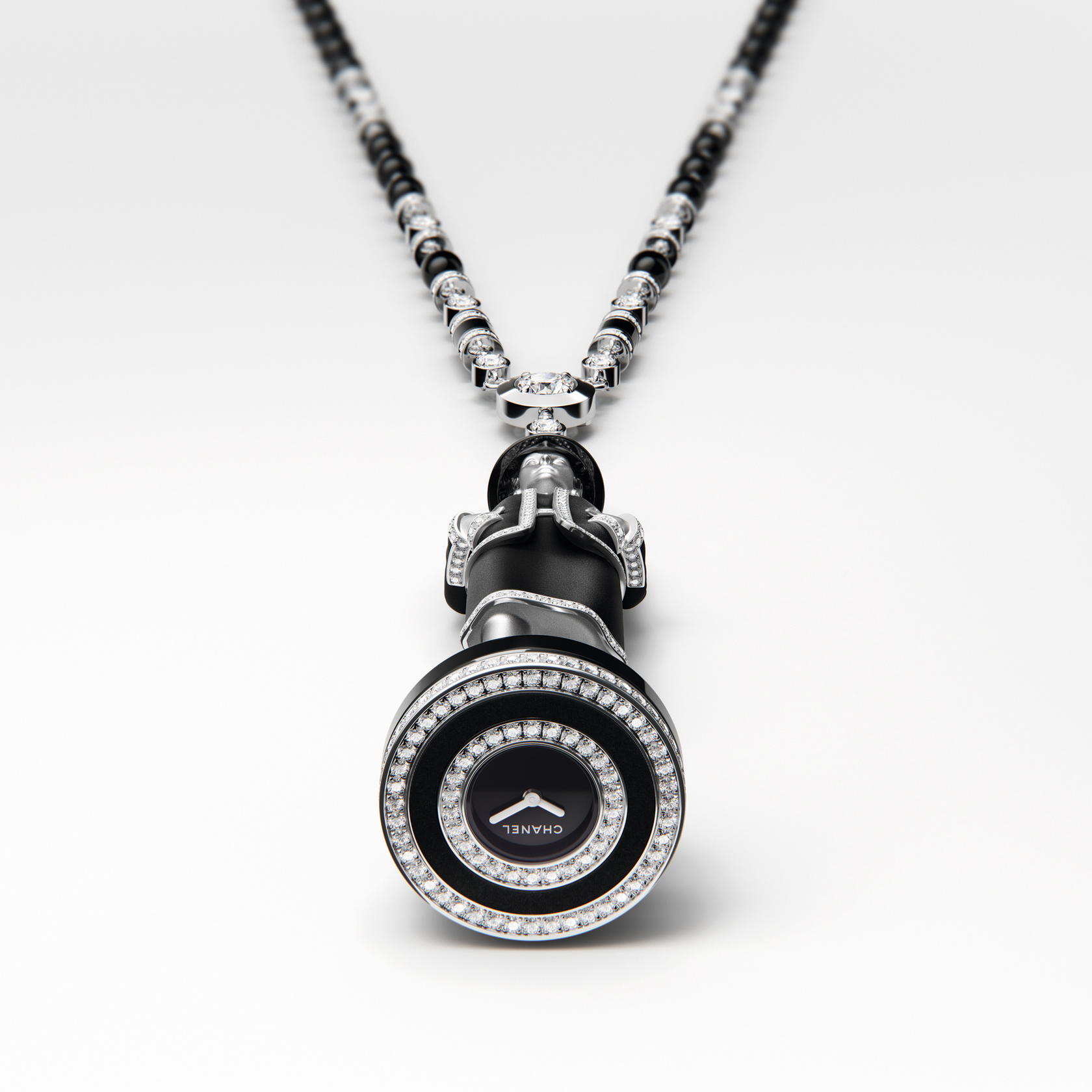
Chanel’s big launch this year isn’t a traditional watch. The Mademoiselle Privé Chessboard is a 37.9-cm square chessboard in black and white ceramic, with 64 alternating squares and a border of 516 brilliant-cut diamonds. Its 32 intricate miniature sculptures, such as Vendôme columns as rooks, lion kings, couture-bust bishops, and horse knights in ceramic or white gold, are adorned with 9,236 diamonds totalling 110.94ct.
Time is uniquely displayed by two queens—one in white gold with a tweed-set diamond suit, the other in blackened gold—each concealing a watch dial at the base, worn as necklaces on chains of white gold, diamonds, and onyx. The feat here lies not in watch movements but in Chanel’s unmatched expertise in high-resistance ceramic, achieving sculptural precision in a material seven times harder than steel. The result demonstrates the maison’s technical and artistic prowess, finished to jewellery-level tolerances.
GRAND SEIKO
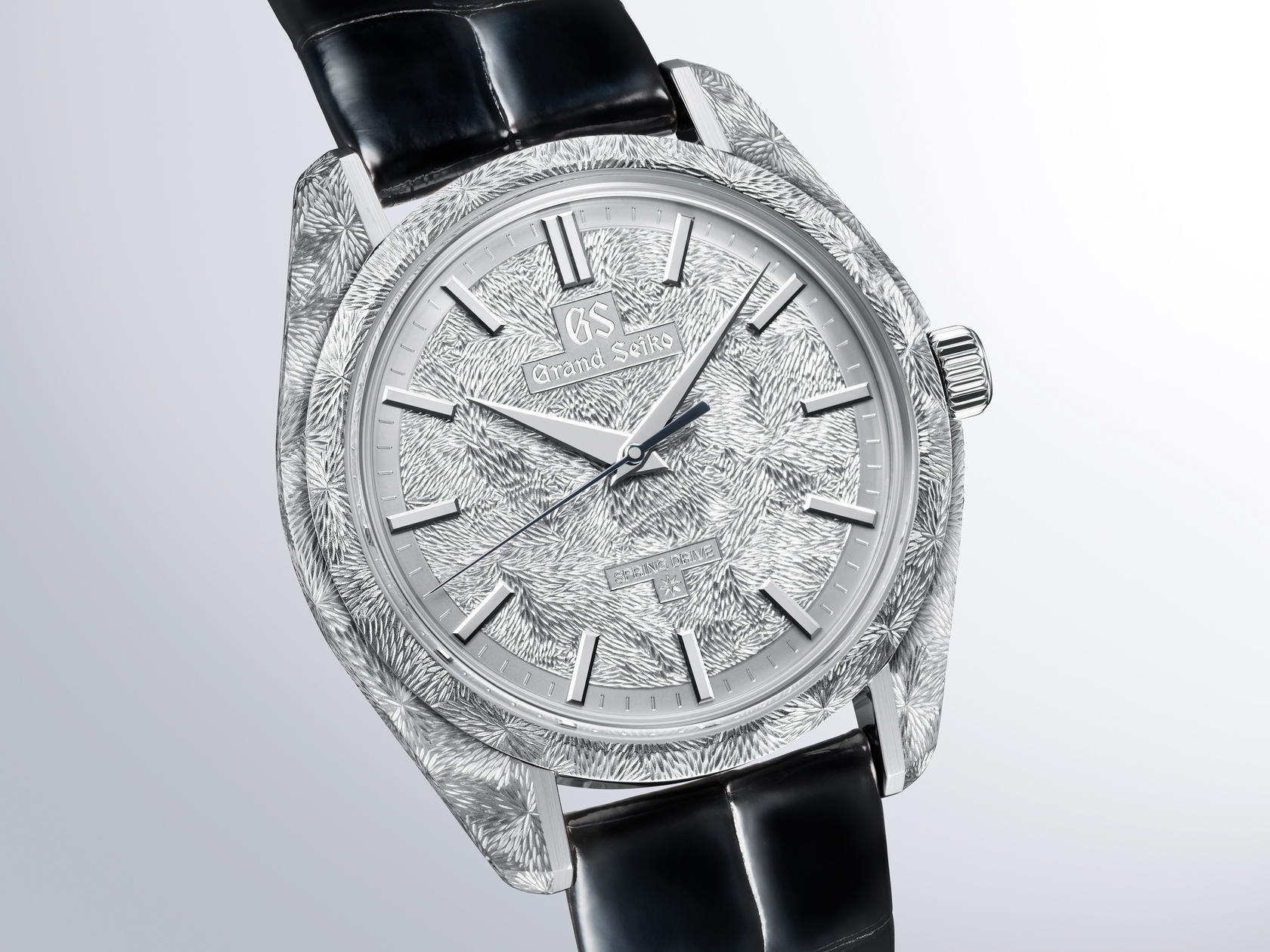
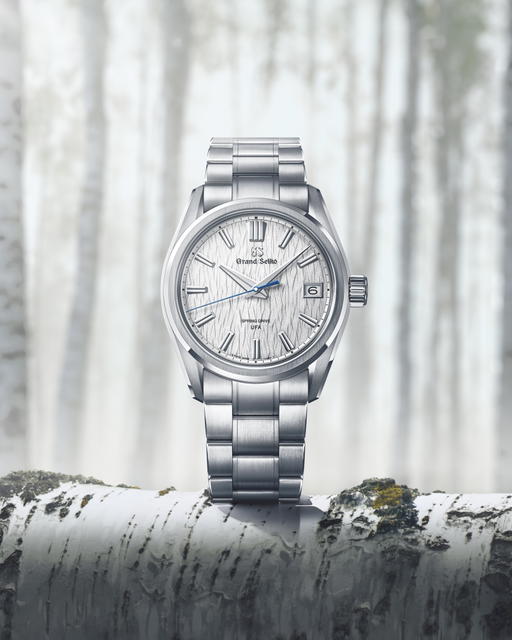
Grand Seiko’s SBGZ011 exemplifies the brand’s mastery of platinum. Limited to 50 pieces, it originates from the Micro Artist Studio in Shiojiri, where a specialised team oversees everything from movement assembly to hand-engraving. Despite platinum’s density, abrasion resistance, and challenging nature for tooling—making it rare to hand-engrave even in fine jewellery—Grand Seiko’s artisans engraved both the case and dial to depict the Tateshina Waterfall in Shinshu, with intricate lines along the ridges, over the bezel, and across the entire dial surface.
The 14k white gold hour markers and hands were hand-curved for legibility against the textured background. The watch is driven by the calibre 9R02, Grand Seiko’s thinnest Spring Drive movement at 4mm, offering an 84-hour power reserve through a dual-spring barrel and Torque Return System.