As a virtuoso of combining different materials and techniques, Wallace Chan creates stunning sculptural jewels that combine the spiritual and the natural worlds, creating subtle yet striking designs that truly amaze.
As a result of his work, Chan has introduced many game-changing innovations such as the Wallace Cut, an illusory 3D-carving technique that mixes intaglio and gem faceting, and porcelain five times as hard as intensely polished steel.
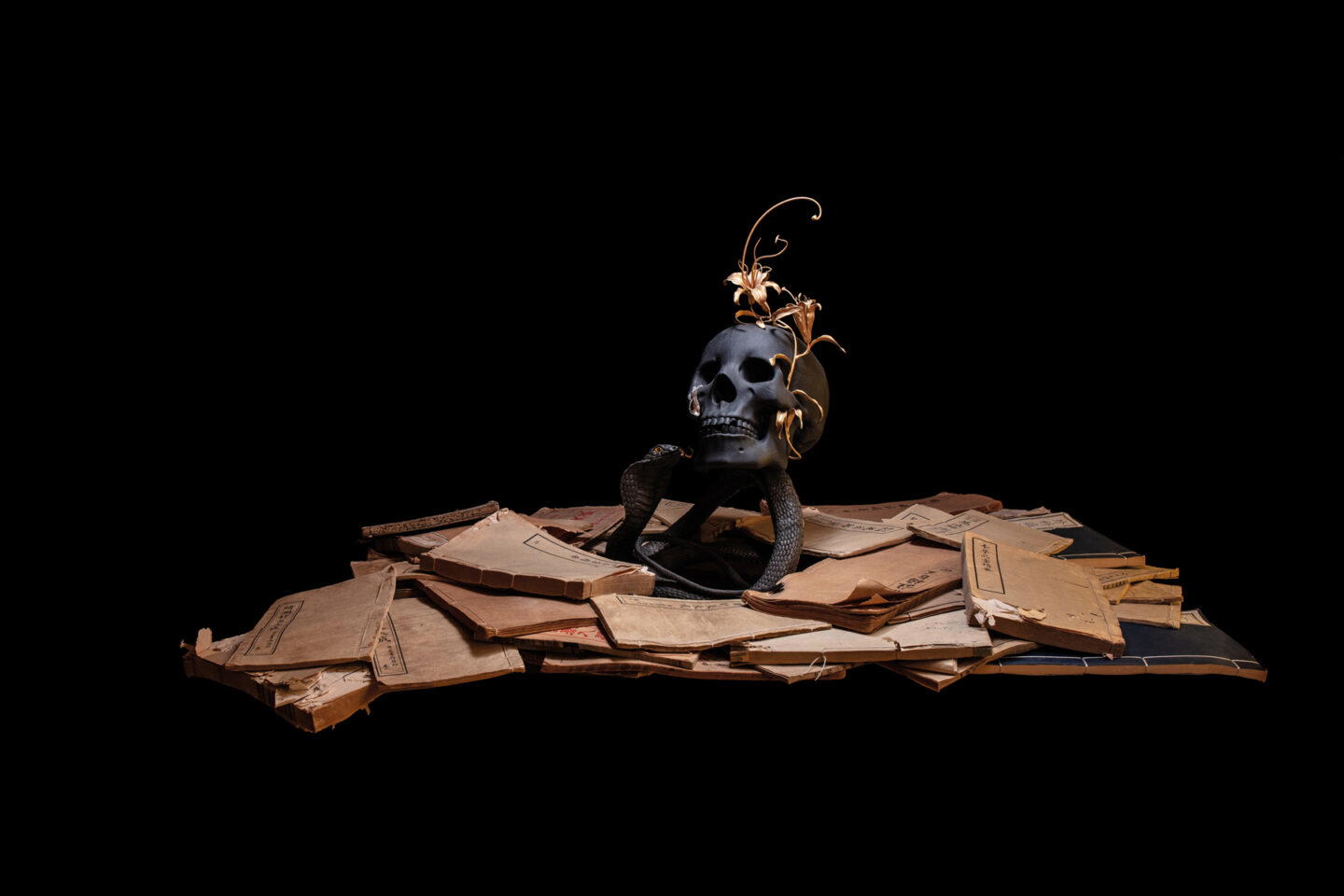
As a devout Buddhist, discoveries fascinate him because he sees the creative process as a means of reinventing himself and the world he lives in, with imagery depicting the new-born as a manifestation of himself.
Research and experimentation have always been Chan’s obsessions. His exploration of casting, melting, and inlaying processes revolutionised the use of titanium in jewellery-making. As a result, his designs exhibit an unprecedented range of colours and shapes.
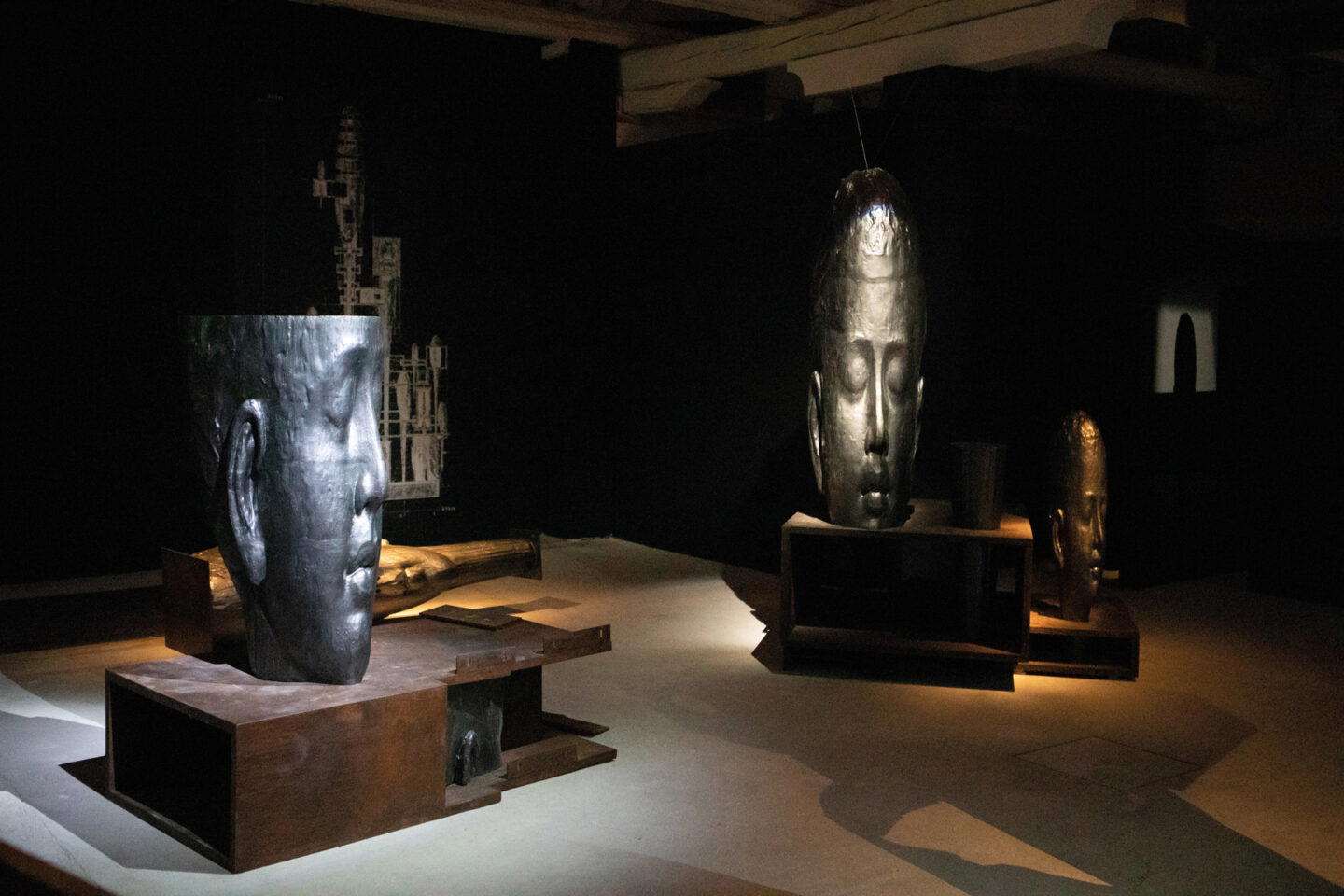
Chan discovered titanium while searching for a medium that would provide him with a larger canvas to set his larger gemstones on. He came across an article published in an early 2000s newspaper about pacemakers and the use of titanium. He had perfected titanium in jewellery, and was curious to see if the metal could also be used to create towering sculptures. In 2019, he began contemplating the series A Dialogue Between Materials and Time.
“My whole life, I have only ever wanted to create things that stand the test of time,” he discloses. “The materials I choose reflect this idea. Titanium is a natural choice. I strive to convey a sense of fluidity and rhythm with titanium, creating the illusion that the metal is easy to shape and can transform into feathers, flower petals, waves, and more.”
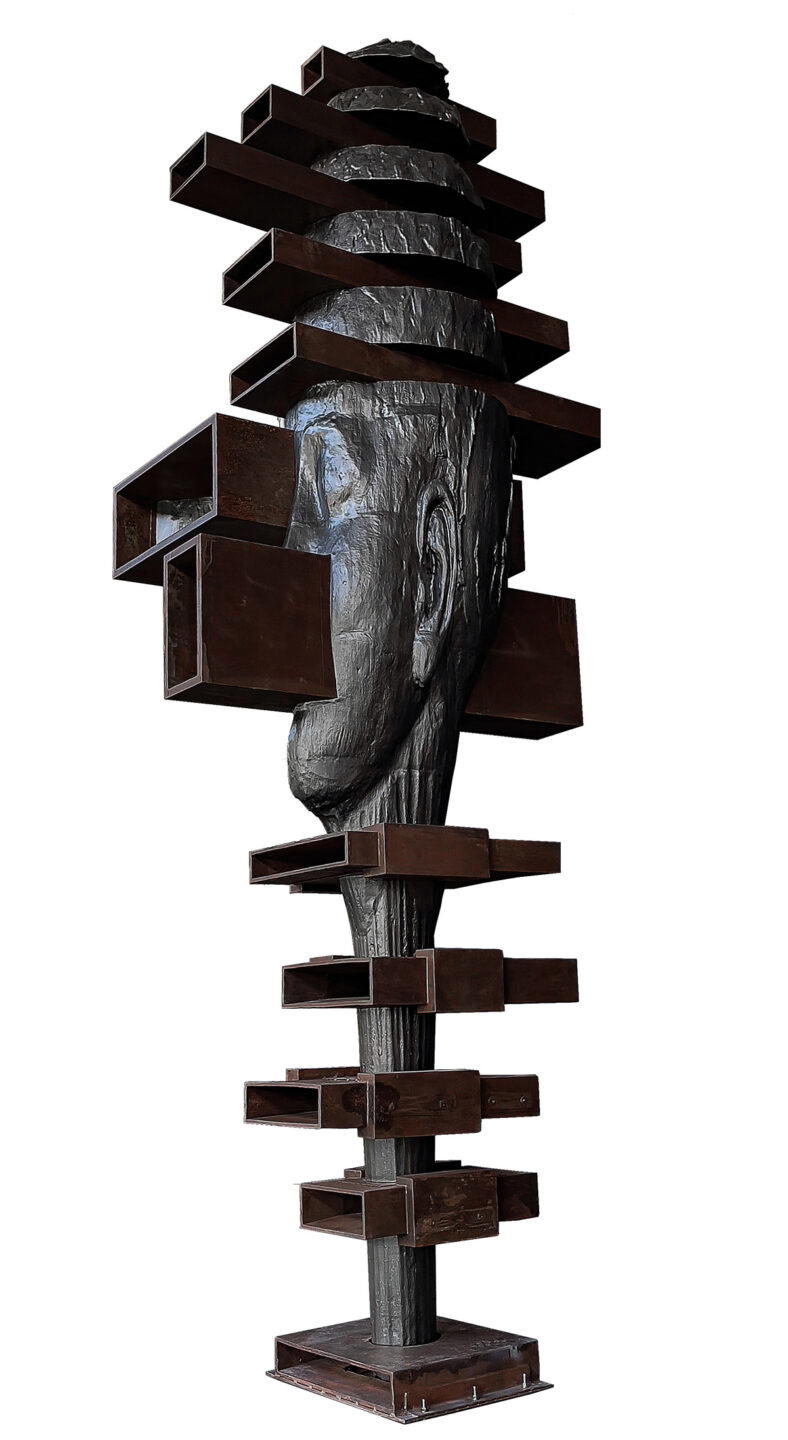
While highly acclaimed for his jewels, Chan’s sculptures in rock crystal, cement, copper, stainless steel and iron, created over the past five decades, are relatively unknown to the public. However, recent exhibits exclusively dedicated to his art will soon change this as his titanium savoir-faire translates into tiny, intricate haute joaillerie and colossal artworks. In addition to being a tough and rigid metal, titanium has a melting point of 1,700 deg C, which accounts for its popularity in the scientific, aerospace, and medical sectors.
It rarely appears in art. Chan is one of only a few artists who work with titanium to create sculptures of such size.
When you walk around my sculpture, you’re encouraged to think about how to repair. It’s the idea of hope and how you have the power inside you to rebuild everything.
Wallace Chan
Chan explains how his use of titanium has developed: “I’m always looking for growth in myself and my materials. I spent eight years working on titanium so I could create jewellery with it, but I didn’t stop there because I kept wondering how I could help titanium grow.
“Scale is one part of the growth, along with complexity and aesthetic. It was a challenging process because even in its molten state, titanium is difficult to cast or shape; and because it’s so hot, it’s really difficult to carve. You need to be super patient. That’s how I overcame the challenge: I just continued to communicate and work with the metal. There were many failures before I achieved these large-scale titanium sculptures.”
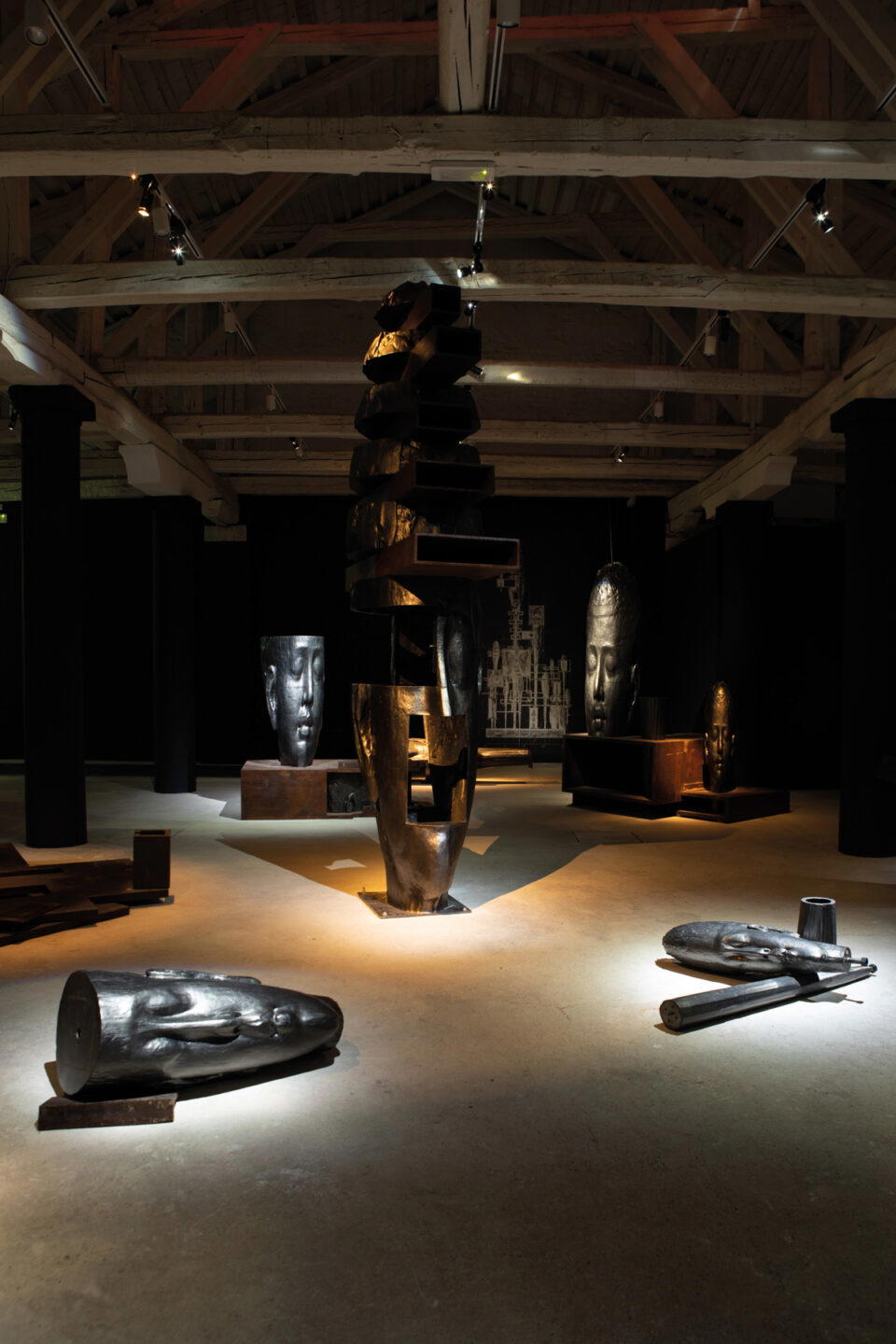
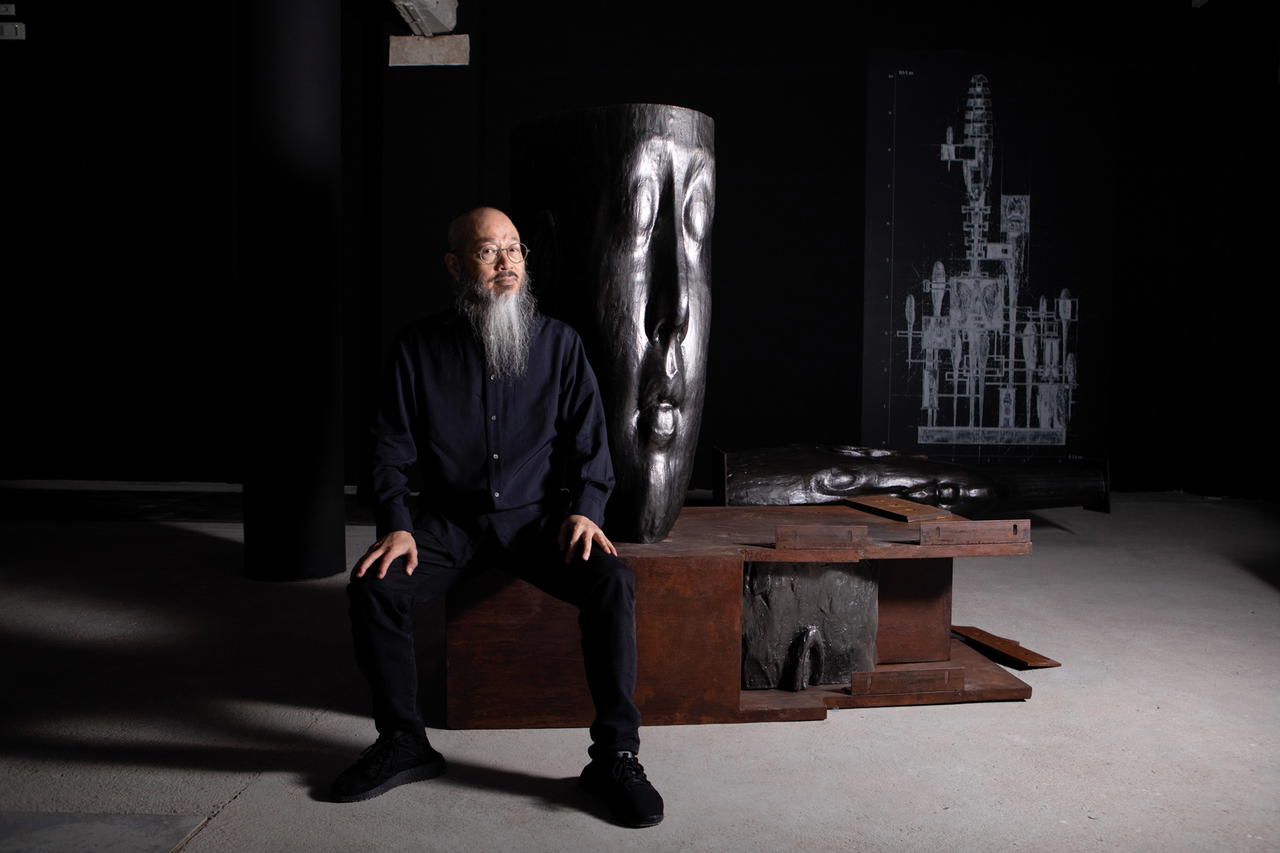
Chan’s new exhibition, Totem, is a collateral presentation of the Venice Art Biennale and will be on display until Oct 23. He disassembled Titans XIV — his 10m tall titanium sculpture intersected by iron beams — into multiple parts spread across the floor. It is his way of expressing the fragmented reality and uncertainty, especially over the past two years during the Covid-19 pandemic.
Visitors literally enter the artwork and become a part of it, wandering around a maze to find themselves. “I want to talk about how destruction can be construction, too,” he notes. “When you walk around my sculpture, you’re encouraged to think about how to repair. It’s the idea of hope and how you have the power inside you to rebuild everything.”
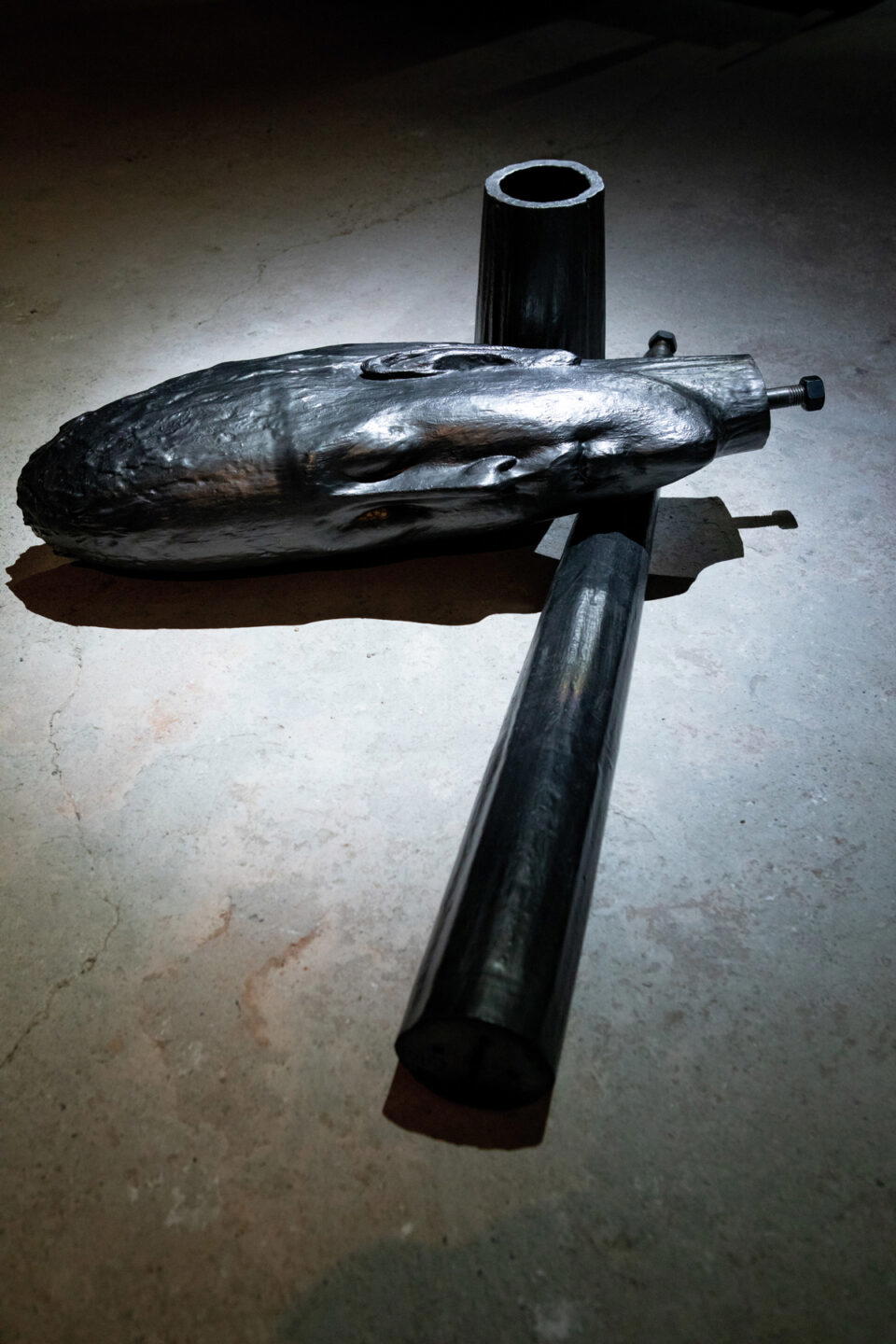
To produce his artwork, Chan completely overturned the techniques and machinery used in the past. Furthermore, to construct his enormous sculptures, he had to find a large physical space and address safety, security, and balance concerns while working with ateliers in Hong Kong, Macau, and mainland China.
There is also a similarity in his approach to both disciplines. “I’m grateful for my experience in jewellery because it’s a lot about setting parts together and balancing them, achieving harmony with different materials and the aesthetic,” he states.
“All of that comes into play when I’m working on my sculptures. It’s also a process of deconstruction, construction and reconstruction because it’s about my inner self and how I constantly strive to look for the meaning of existence. When I’m working on my works, I’m also working on myself.”