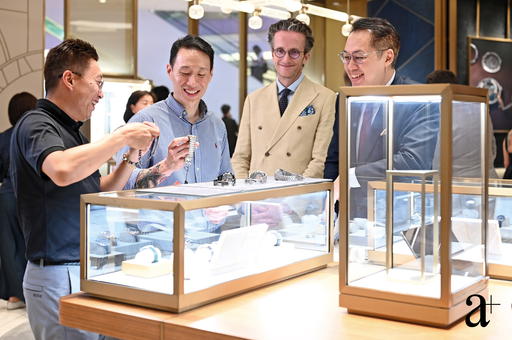
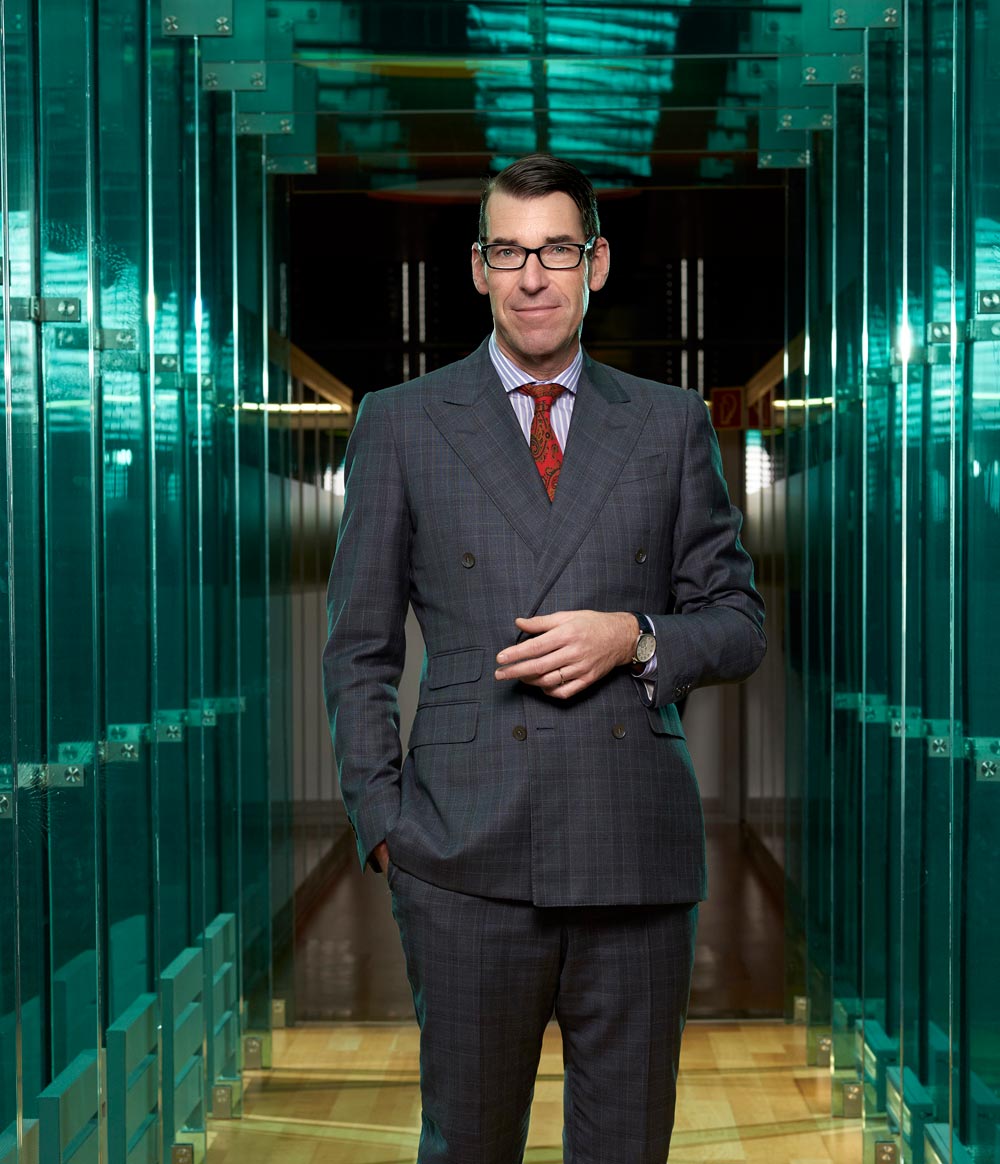
There are watchmakers, and then there’s Vacheron Constantin, the world’s oldest watchmaker. In an industry obsessed with heritage, it remains the only brand with an uninterrupted existence of 267 years. Keeping its legacy safe is Christian Selmoni, Vacheron Constantin’s style & heritage director, who was in Singapore late last year to inaugurate The Anatomy of Beauty, a retrospective exhibition on the strong alliance between the decorative arts and watchmaking techniques.
Born into a watchmaking family, the 63-year-old Swiss joined the maison in 1990. After working in sales, manufacturing, and product development, he was appointed to his current position in 2017. Selmoni is Vacheron Constantin’s bridge between the past, present, and future, providing insight into its history, challenges, and the future.
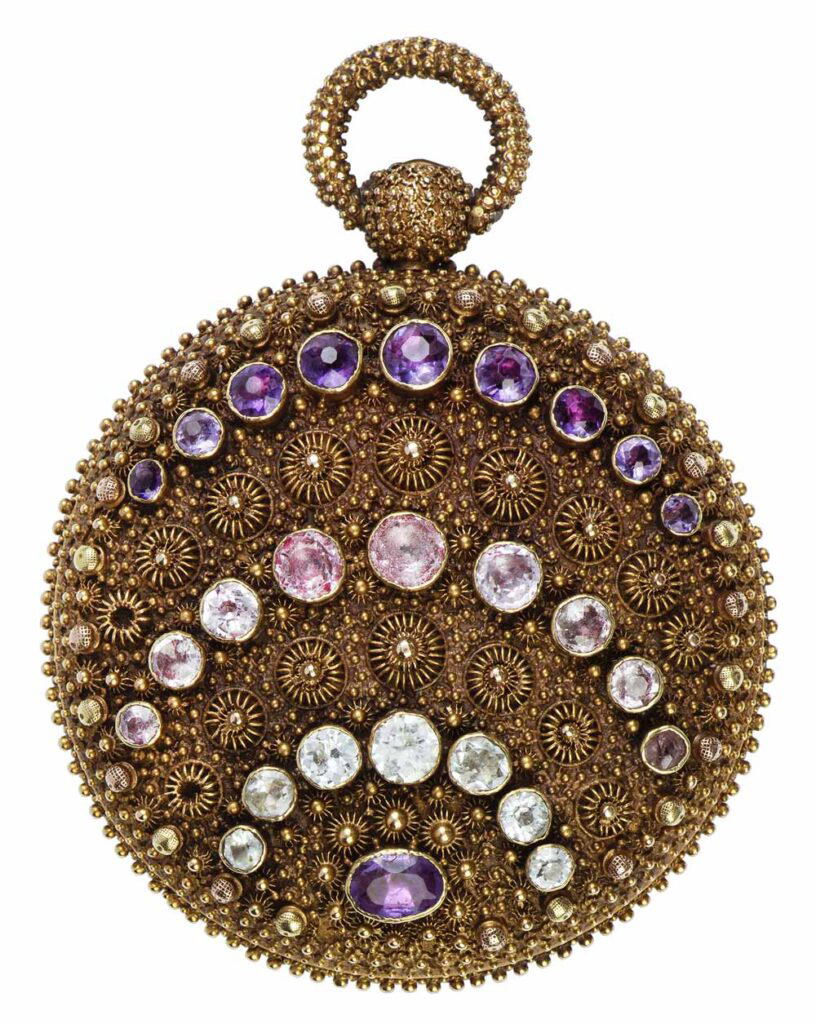
Photo: Vacheron Constantin.
Which three decades are most important to the brand in terms of style and creativity?
The first period would be around 1820. At that time, Vacheron Constantin made some stunning technical and artistic developments. Our collection includes a grande sonnerie striking watch made for a lady in 1827. Think about it: the apex of watchmaking complications, created 200 years ago for a woman!
Following the emergence of wristwatches up until the Art Deco period, the next era would be the 20th century. Being able to venture away from pocket watches allowed watchmakers and designers to escape from the round shape. Thus, most of the watch shapes that we know today—barrel, cushion, square, rectangular, lozenge—were created during the first two decades of the 20th century.
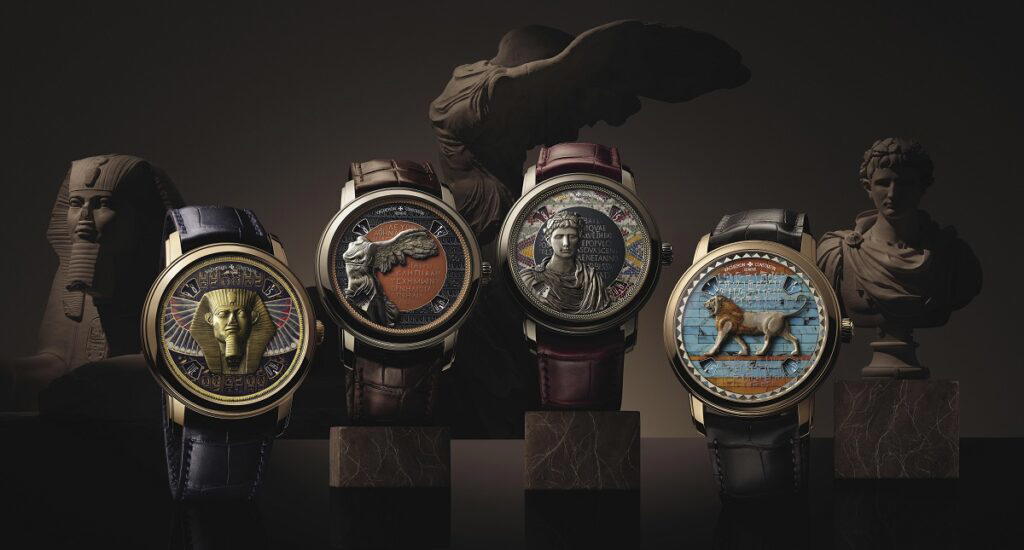
It was also during these decades that Vacheron Constantin produced phenomenal watches influenced by other cultures.
Last but not least, mechanical watches returned in the 1990s, pushing timepieces with complicated complications away from quartz watches and towards models with minute repeaters, tourbillons, and perpetual calendars.
Which métiers d’art technique is most characteristic of Vacheron Constantin’s style, and which complication best demonstrates the brand’s technical expertise?
If I had to choose one territory of technical expression, it would be astronomy. Vacheron Constantin has made some astounding astronomical timepieces. Of our four historical crafts (gem-setting, guilloching, engraving, and enamelling), I would choose enamelling. It’s probably the most sophisticated craft because you need to be a great artist and know how to control fire.
A significant part of Vacheron Constantin’s history is its intricately designed jewellery watches. Are we likely to see more of these examples in the future?
That’s a good question. Through our archives, you will find that Vacheron Constantin has a very diversified portfolio. In addition to sports watches, we also manufacture classic watches, high complications, ladies’ watches, and so on. Our collection needs to be diverse, but our style must be consistent. This makes it difficult for us to stretch our product line. Although we have this legitimacy and many great watches that are part of our identity and could eventually become new products, we cannot have fireworks in all directions. Brand building must continue to be thoughtful.
How does Vacheron Constantin maintain its heritage while remaining relevant and modern?
It remains the key question and challenge for all designers. We’re blessed with three centuries of great heritage, but we must design watches that are modern, contemporary and reflective of today. We must also maintain this precious link to our roots, which is why our creations will continue to have a classic style. I don’t mean old and dusty when I say classic. Our style will always be timeless, elegant, sophisticated, and open to new technologies and techniques. Our designs must, however, be consistent. You will lose your sense of identity if you change your mind every year. Our identity is rooted in our heritage—it’s alive and can be revisited, adapted and transformed.
Watches from the Historiques collection are a tribute to iconic designs from the past. What factors do you consider when deciding which watches to bring back?
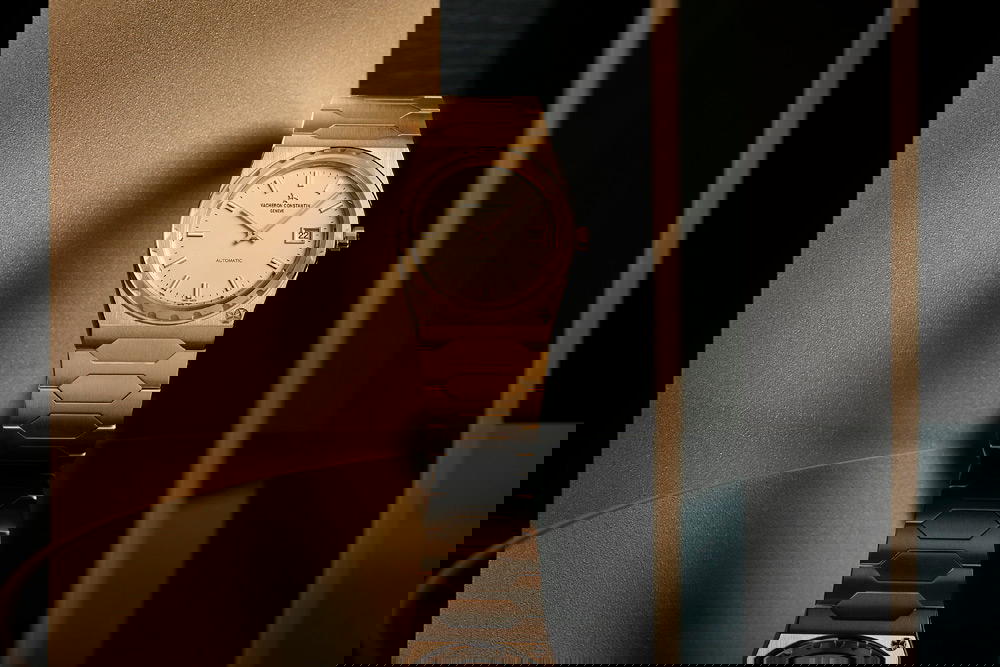
Because we’ve made many unique watches, it’s a nightmare. The Historiques is a niche collection, and we want to keep it that way. Usually, we have an internal discussion and reassess what we’ve already done. We revisited the 1920s with the American 1921, reintroduced the Cornes de vache from the 1950s, and took the Triple Calendrier from the 1940s. The 222 is a tribute to the 1970s, a fascinating era. I associate the 1970s with Blondie, The Ramones, Apple II, and the flamboyant yellow gold watches people wore in Monaco and St Moritz.