
Shipyards aren’t just where ships are built and repaired. They are also where many crewmen live when back on land.
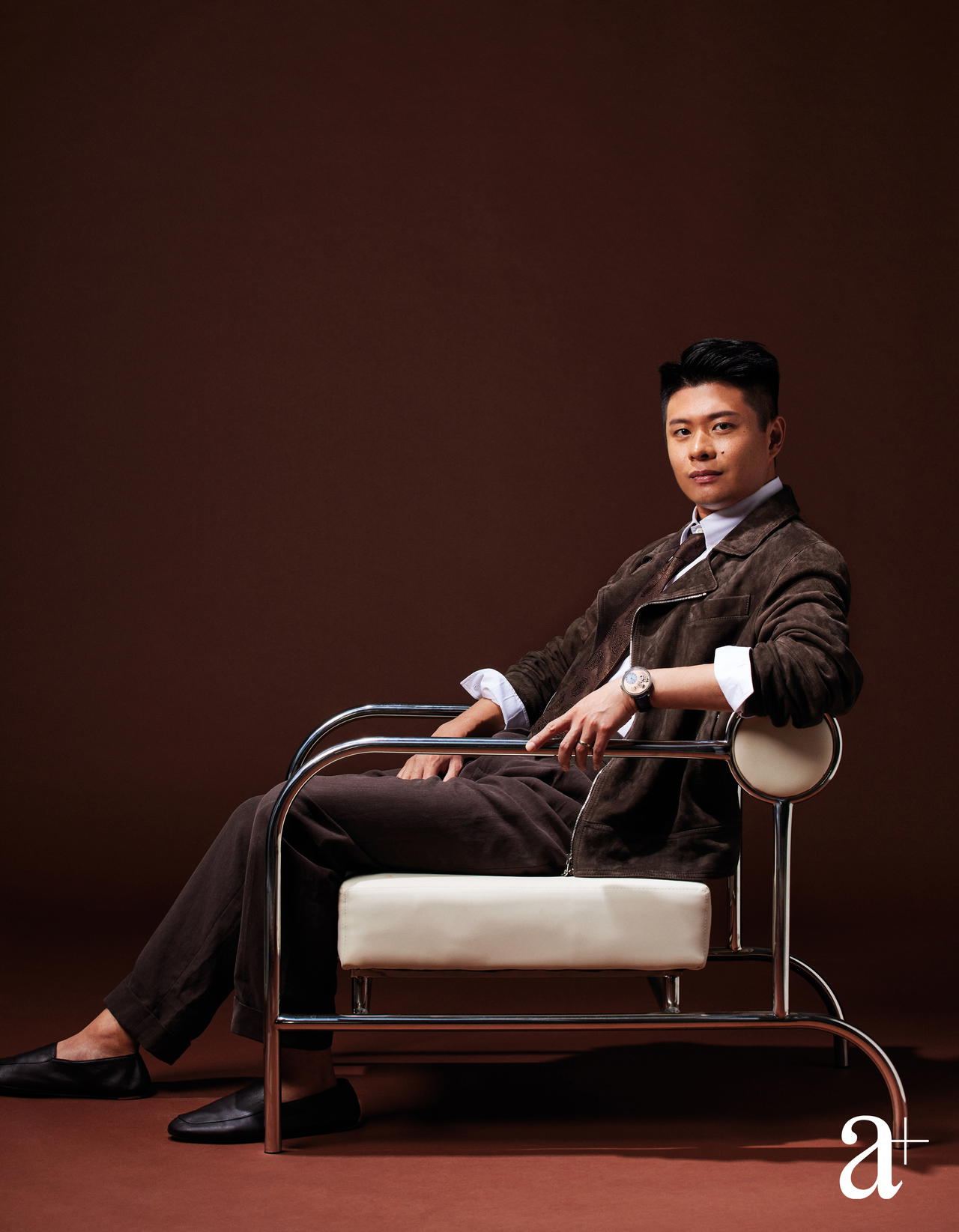
As the scion of marine services company Eng Hup Shipping, which operates about 70 coastal vessels, Tommy Phun wanted to provide a home for his workers. He began working on a proposal to acquire Bee Sin Shipyard near Jurong Port while doing national service.
It was a tall order for someone who hadn’t yet entered university. “I didn’t know how to make a financial model, write a business plan, or use Excel or PowerPoint. I had to learn everything from scratch from books,” the 36-year-old recounts.
The acquisition would have also allowed Eng Hup Shipping to be vertically integrated, so he was relieved when the deal went through in 2012, wherein he was by then pursuing a business management degree at SMU. “Now, we’re able to provide a one-stop solution with vessel building, repair, and maintenance. We can also customise, retrofit, and ensure maintenance is done very, very quickly, which takes the company to the next level.”
Given that his grandfather worked as a boatman and his father Thomas has been running Eng Hup Shipping since 1986, Phun grew up in the wheelhouses and galleys of ships. As such, joining the family business after graduation was par for the course. “My parents never said, ‘You must join us after you graduate’. It was more like, ‘Hey, since this is something you have an interest in, you might as well come on board’. Besides, I have been hanging out with crewmen since I was kid.”
As a greenhorn, Phun proved his mettle by donning overalls, getting his hands grimy in engine rooms, and cohabiting with crewmen aboard vessels for days on end. “We cooked, ate, cleaned, and slept together. This allowed me to bond with the veterans and allowed them to grow their confidence in me.”
Fuel for the future
In 2022, Tommy Phun founded Pyxis, a maritime startup with a clear-eyed goal: to steer Singapore’s coastal fleet into a low-carbon future. The company helps operators transition from diesel to electricity through a seamless “three Es” model: electric vessel manufacturing, energy infrastructure development, and Electra, a digital platform that tracks performance data in real time.
What sets Pyxis apart isn’t just its tech, but its ecosystem. Designed as a one-stop solution, it not only makes the electrification process less daunting for clients, but also accelerates its development across the industry. “There’s an underlying trend of digitalisation when vessels become electrified,” Phun explains. “This allows us to gather data to develop software and jumpstart productivity.”
There are currently three types of Pyxis electric vessels available. Pyxis One is a commercial harbour craft that ferries crew between ships and shore. Pyxis R is an electric passenger bumboat that operates along inland waterways like Marina Bay. And Pyxis L, a luxury variant, is slated to hit the waters by Q3 2025. Two solar-powered Pyxis R ferries are already cruising the Singapore River, with eight more set to join the fleet by the end of 2025.
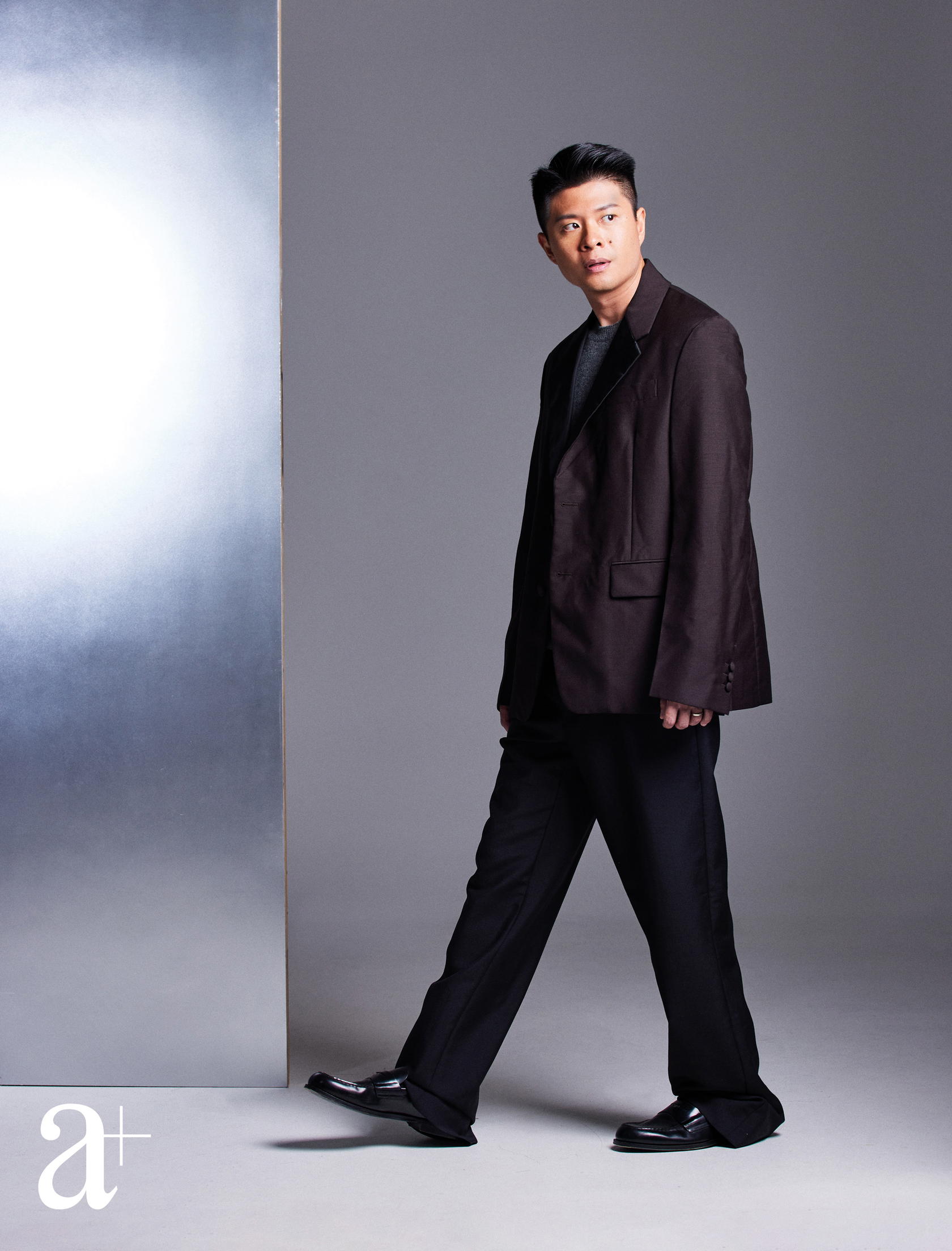
Photo: Mun Kong.
To keep costs low and production efficient, all three models share a common hull form, which allows for mass production at scale. “We may customise the top, motor, and battery, but we standardise as much as we can,” says Phun. “It’s just like with cars. They may be different models with different exteriors, but the bodies are similar.”
At present, Pyxis’ hulls are manufactured in Indonesia and shipped to Singapore for final outfitting and commissioning. But that will soon change as multiple satellite factories are in the pipeline to ramp up production and the company plans to deliver another 14 electric vessels this year alone.
The company’s ambitions don’t stop at Singapore’s shores. Pyxis is expanding internationally and is currently replicating its ecosystem in Japan through a partnership with Mitsui OSK Lines, one of the world’s largest shipping companies. The project is supported by the Japan External Trade Organization, which promotes mutual trade and investment between Japan and other countries.
A ground-up green revolution
Phun is quick to point out that Pyxis’ progress hasn’t been through a solo venture. As it is, Pyxis was founded because 14 maritime companies decided to pool their resources to look for solutions to the shared problem that is electrification. The group collectively owns 250 vessels and electrification plans for every single vessel are in the pipeline.
Five members make up the core founding team, all from second- or third-generation maritime businesses. “We currently devote 80 percent of our time to Pyxis because the mission is not only something we believe in, but also something we need to carry out to transform our own companies,” he says.
Then there are also the non-maritime investors like VC funds, which Phun says help to bridge the gap between maritime and non-maritime industries. It is why he made it a point to hire staff without traditional maritime backgrounds, among them a principal engineer formerly in defence electrical systems and software developers new to shipbuilding.
Being on the crest of a wave means Pyxis attracts plenty of young talent with a vision of transformation. It is why it is set to double its headcount to 20 staff this year. “We’re expanding really quickly,” Phun makes plain.
Changing the concept
Traditionally, Phun’s family business, Eng Hup Shipping, built and chartered diesel-powered vessels—tugs, ferries, workboats, and barges—and tendered for operational jobs. But a shift began taking place four years ago: clients began asking for green features like carbon emission reductions, supply chain sustainability, and electric options. Soon after, government directives followed and the Maritime and Port Authority of Singapore now requires all new harbour craft to operate on low-carbon energy solutions by 2030, and on full electric propulsion and net zero fuels by 2050.
“The statutory board sets the cadence, and the industry follows suit,” Phun explains. “If we don’t, we run the risk of becoming irrelevant in five to ten years. That’s what kicked off our electrification process.”
The timing, as it turns out, was favourable. Since electric vessels currently have limited battery runtimes, they’re best suited to short-distance routes—the exact kind Eng Hup Shipping already operates. Among others, it runs ferries that shuttle National Servicemen to and from Pulau Tekong. Electric vessels are not only more sustainable, but also quieter and less likely to malfunction, which translates into long-term cost savings.
Prior to founding Pyxis, he had already tried to modernise Eng Hup Shipping through digitalisation. The vision was ambitious: a master dashboard inspired by the video game Command & Conquer that would allow crewmen to track vessels, group them, and monitor maintenance status at a glance. “We spent some money, but it didn’t work,” he says.
The problem wasn’t the concept, but the backend Byzantine processes. “It’s not just about whether a button is green or red. Everything needs to be tackled at a fundamental level. If not, there will be gaps.”
Still, it was a valuable learning curve. Phun began focusing on “low-hanging fruit”—small fixes with big impact. He introduced predictive maintenance tools to pre-empt breakdowns, and installed facial scanners on ferries to streamline passenger boarding and enhance security. “They’ve made everyone’s job easier, which makes them happier,” he says.
Of all the barriers he’s faced, the toughest has been in shifting perspectives. “We can give people the best technology and tools, but for them to take the plunge, their mindsets need to change,” he says. “When we first started out, we’d meet with boat operators—typically uncles—who were very hesitant about electric vessels. It required a lot of perseverance to get them to make the switch.”
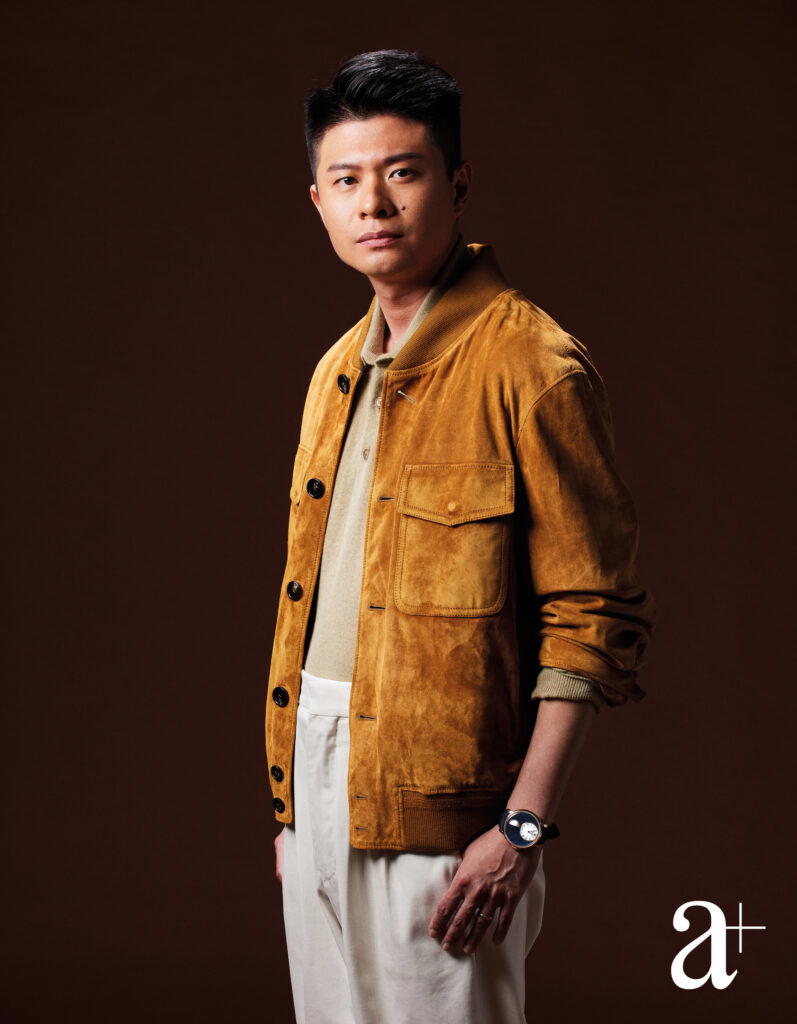

But the persistence paid off and those same operators are now advocates. “The uncles are now macam our spokespeople; they promote electric vessels to their friends. During a video interview, one of them said, ‘I may not understand the technology, but I believe in it’. It really touched me. They’re willing to pass on their legacy to a new generation that’s turning maritime into something better and greener.”
It’s safe to say Phun is both a bridge and a builder between generations, industries, and ideas. It helps that his older crew members teach younger hires what can’t be learnt in textbooks while his Gen Z staff, in turn, help their seniors adapt to new tech.
The dynamic is working. “Young employees want to feel like their work makes a direct impact. At Pyxis, we push out new technology, so the staff obviously get to make a direct impact. But the staff at Eng Hup Shipping get to do that as well. It may be a more mature company, but it’s not an MNC. It has a flat hierarchy, so whatever ideas they come up with can have top-line growth.”
Support from capable colleagues allows him to juggle his roles as Director of Eng Hup Shipping, Bee Sin Shipyard, and Pyxis. Not that he minds the load. He works weekends, even public holidays—a lifestyle he says is only sustainable because he truly enjoys what he does. That said, he expects to make adjustments soon; his first child is due in September.
If Phun had to sum up his philosophy, he’d borrow from the protagonist of A Gentleman in Moscow by Amor Towles. “We may not be able to control the cards we are dealt, but we can decide how we will respond. Even in difficult circumstances, we have the freedom to choose to be happy.”
Despite the rough seas ahead, Phun’s optimism is a compass all by itself. Whether he’s electrifying vessels or transforming mindsets, he’s steering the industry into a future that’s not only greener, but smarter.
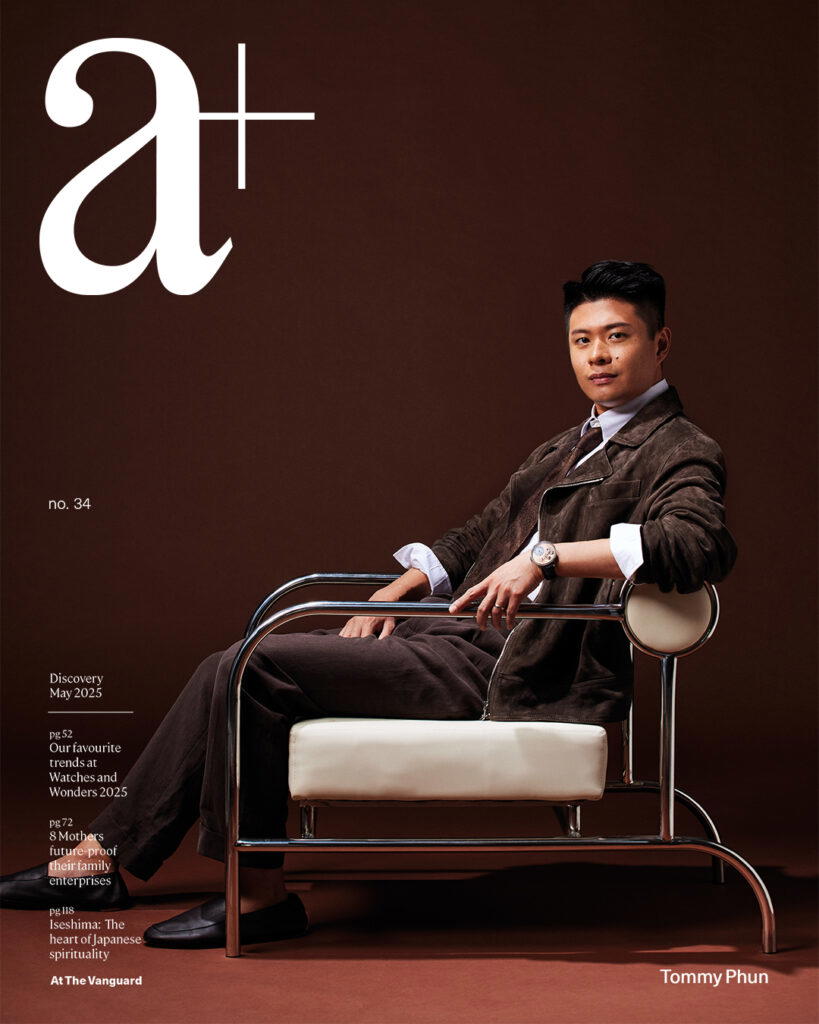
Photography Mun Kong
Styling Chia Wei Choong
Grooming Keith Bryant Lee using Kevin.Murphy & Shiseido
Photography assistant Melvin Leong