
At the 19th International Architecture Exhibition, curator, architect and engineer Carlo Ratti posed a question: how can we adapt the built environment in the face of a warming world? The answer, he proposes, lies in embracing all forms of intelligence—natural, artificial, and collective.
Titled Intelligens. Natural. Artificial.Collective, this year’s Biennale Architettura pushes back against the dominance of AI-led narratives and calls for a broader, collective rethink of architecture. For the first time, over 750 participants—from scientists and chefs to farmers and philosophers—have contributed to this dynamic, cross-disciplinary laboratory for the future.
It’s a timely theme—and one that resonates with Rolex. Since 2014, the brand has served as Exclusive Partner and Official Timepiece of the Biennale Architettura. Renowned as the world’s leading forum for architectural ideas and debate, it runs from 10 May to 23 November 2025.
As with fine watchmaking, architecture requires precision, purpose, and emotional resonance. By supporting excellence across artistic disciplines, from cinema to architecture, Rolex—through its Perpetual Arts Initiative—also invests in the cultural legacy of future generations.
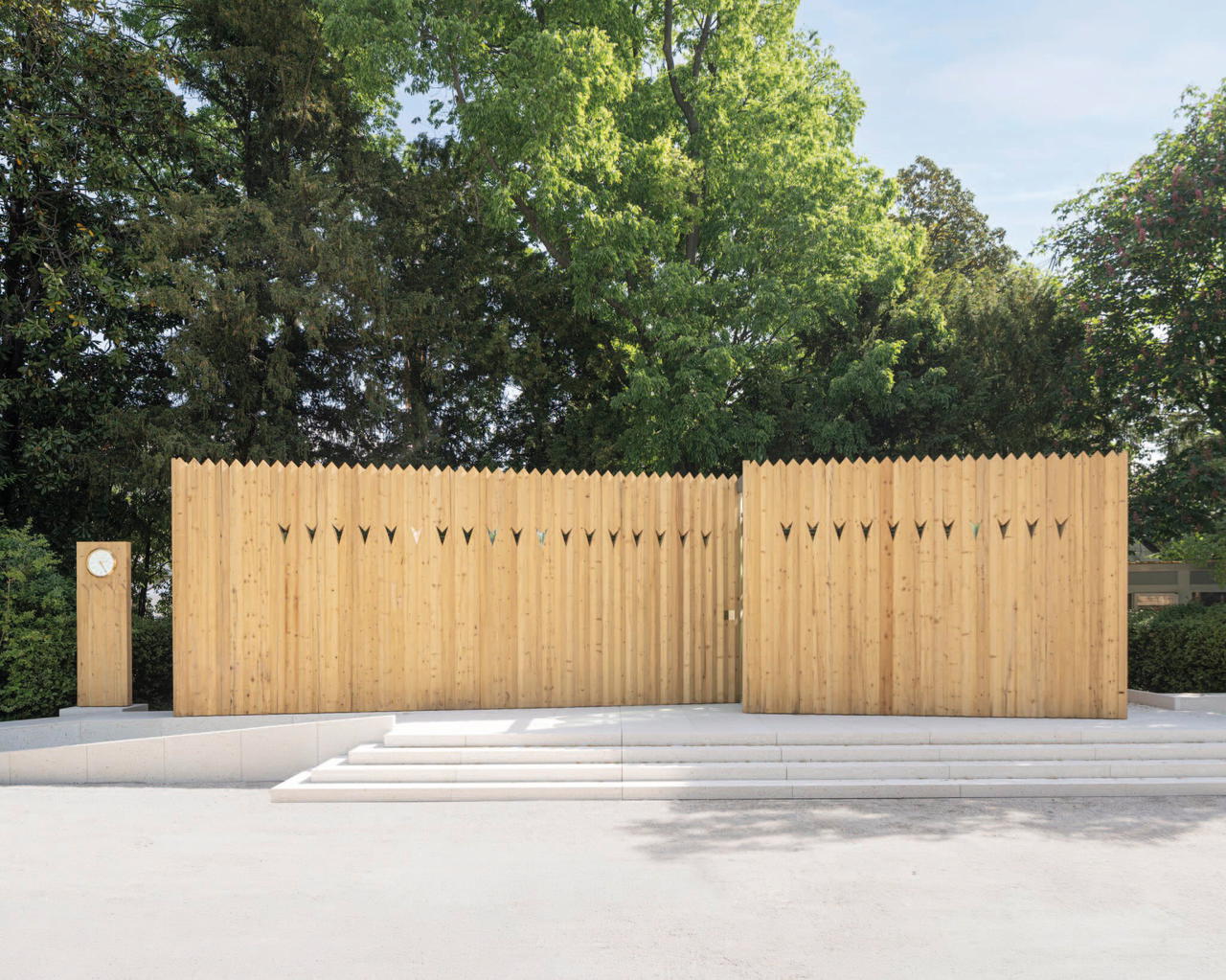
In that same spirit, Rolex unveiled a new pavilion in the Giardini for its fifth partnership with the Biennale, replacing the structure built in 2018. For the first time, Rolex invited a talented international architect, Mariam Issoufou, to design the pavilion with a brief to reflect the identity of the brand and its philosophy of sustainability that stems from creating watches that are made to last.
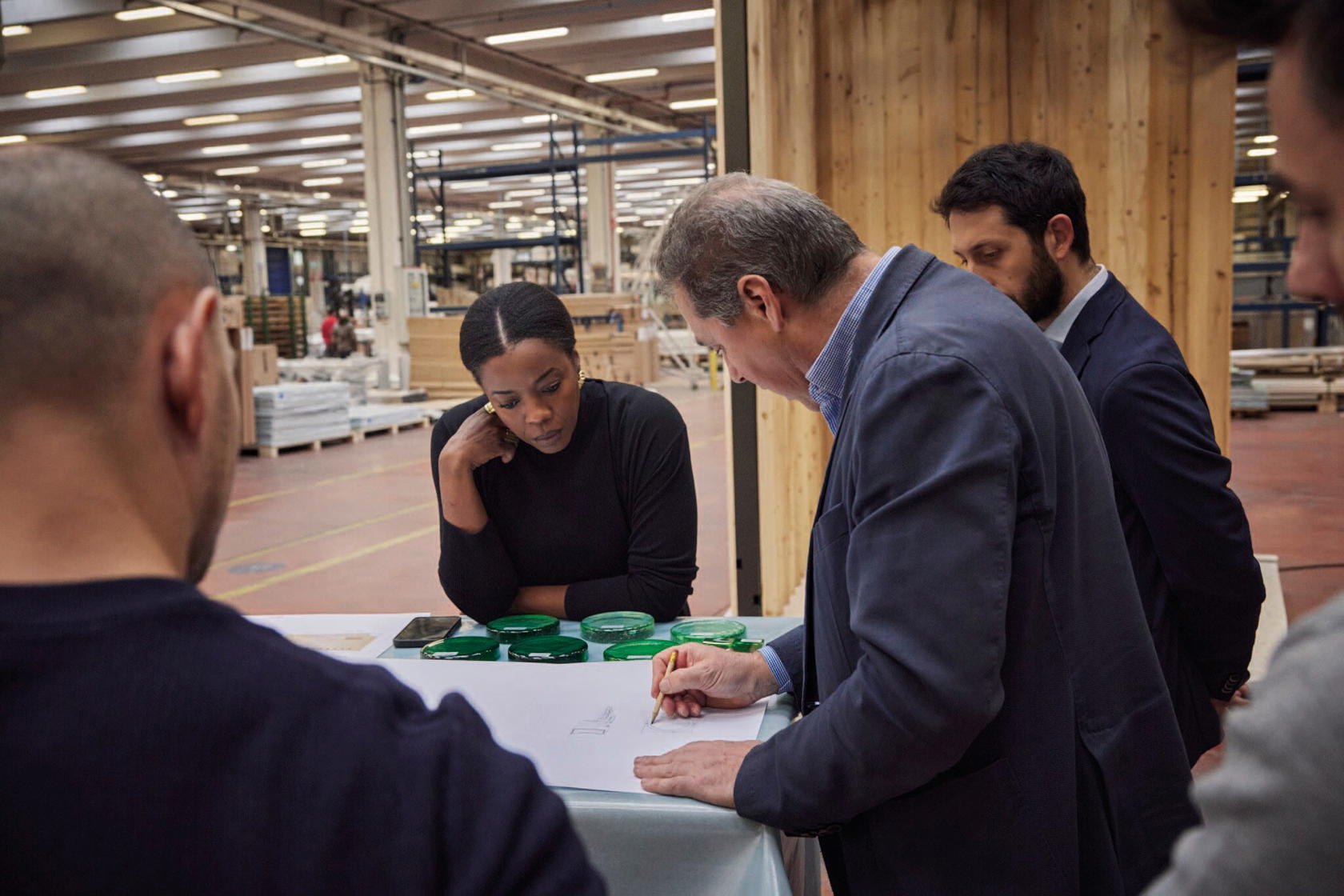
Although Issoufou’s practice spans Niamey, Zurich, and New York, for Venice, she looked inward. Inspired by the city’s ecological vulnerability and Rolex’s commitment to enduring design, she approached the project holistically. Her vision of sustainability is intersectional—one that considers not just environmental impact, but also cultural memory, social equity, and the economic empowerment of local artisans.
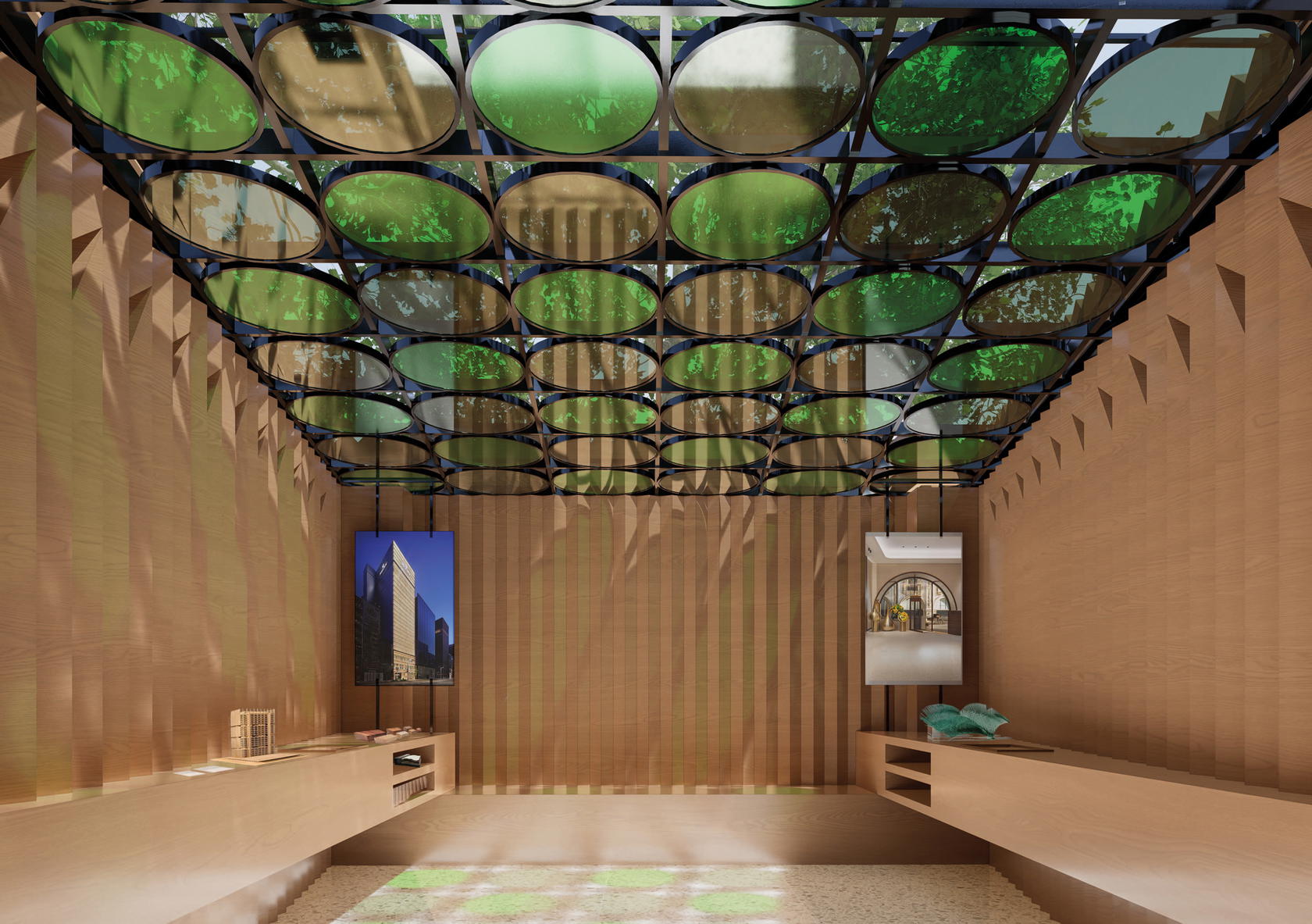
The result is a structure rooted in meaning. Its wooden facade, made from recycled beams, nods to the fluted bezel of Rolex’s signature watches. Inside, a ceiling of coloured Murano glass changes with the light, casting soft, mutable tones across terrazzo floors flecked with crushed Cottisso glass. Every detail honours the intelligence of materials, traditions, and the human hands that shaped them. A short film documenting the pavilion’s construction is on display, alongside models tracing its design evolution, and photographs of the Venetian artisans who brought it to life.
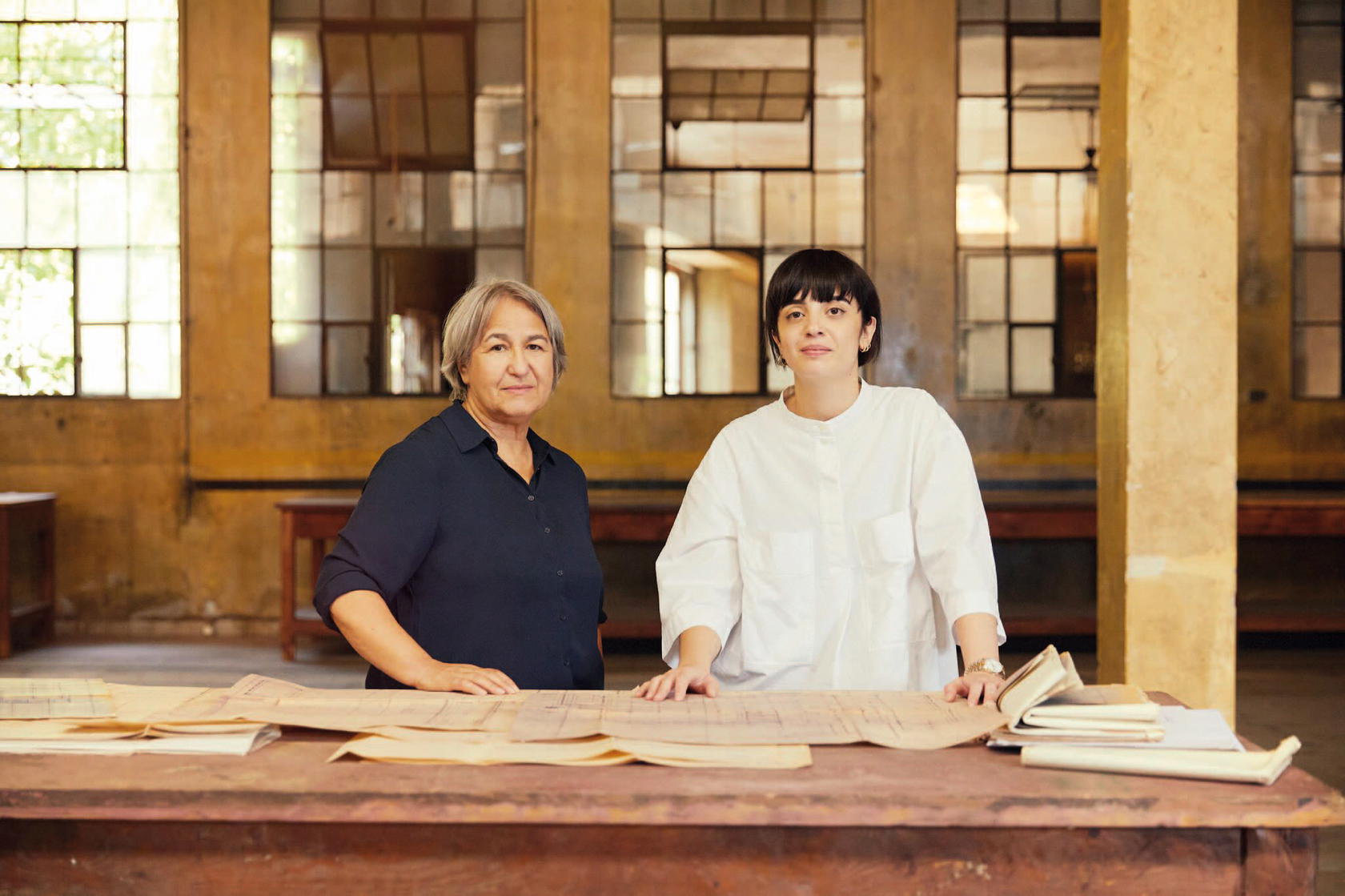
Beyond its architectural footprint, Rolex’s support extends to mentorship and renewal. An exhibition spotlights French architect Anne Lacaton, known for advocating building renewal over demolition.
Through Rolex’s mentorship programme, she guided Lebanese-Armenian architect Arine Aprahamian from 2023 to 2024. In her documentary Bourj Hammoud: The Value of the Existing, Aprahamian chronicles a two-year project on how small, strategic interventions can improve life in the dense Beirut neighbourhood where she grew up—proof that thoughtful architecture can be modest and transformative.
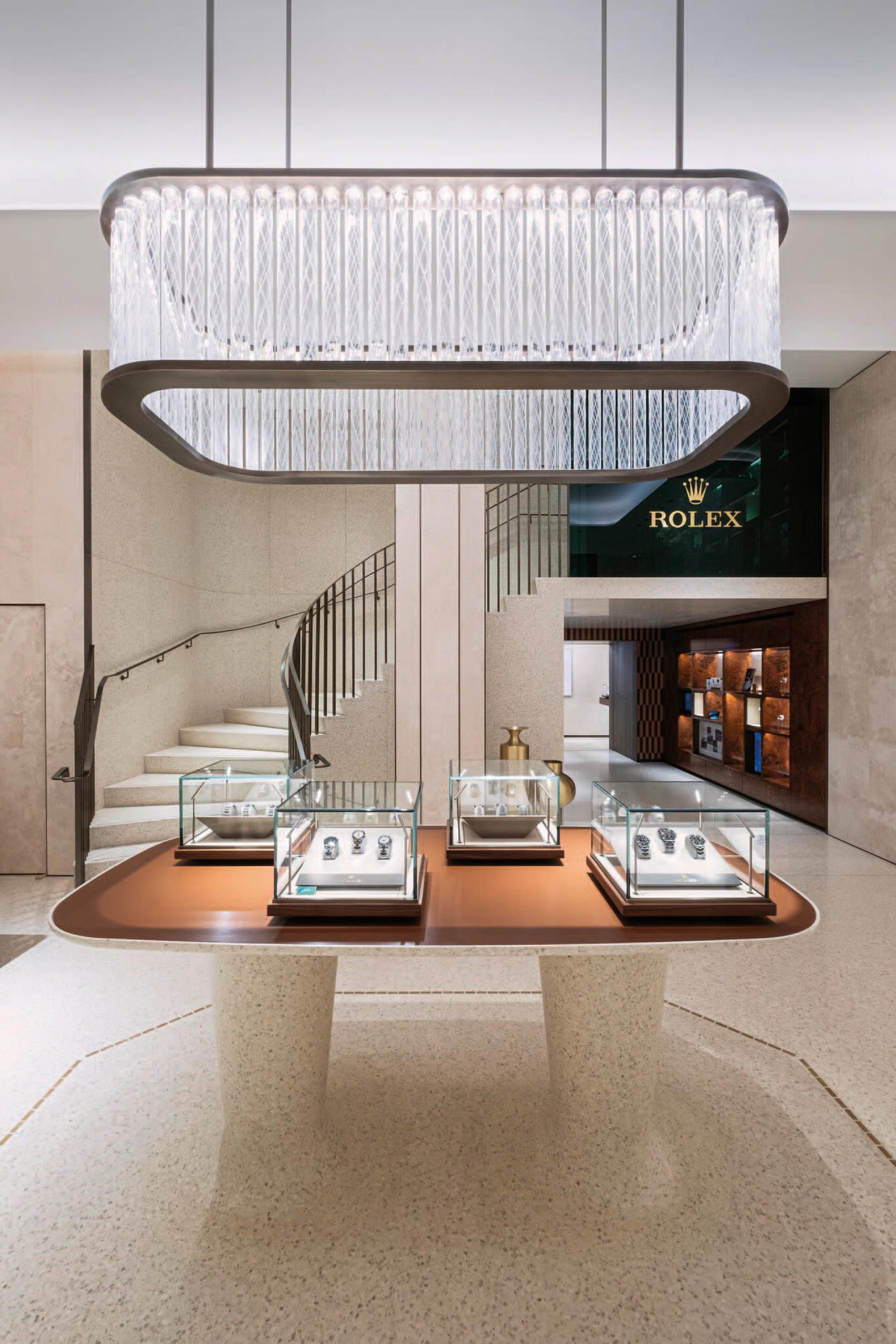
The second display highlights Rolex’s commitment to craftsmanship and thoughtful design, which has guided its building projects for over 60 years. In Milan, the brand restored its space in the historic Galleria Vittorio Emanuele II, reimagining retail design with a focus on traditional Italian artisanship, refined materials, and bespoke furnishings.
Designed by ACPV Architects Antonio Citterio Patricia Viel, the three-storey space draws on the original architecture of the Galleria, blending contemporary geometry, Venetian terrazzo, and a Milanese sensibility to create a seamless connection between city and store.
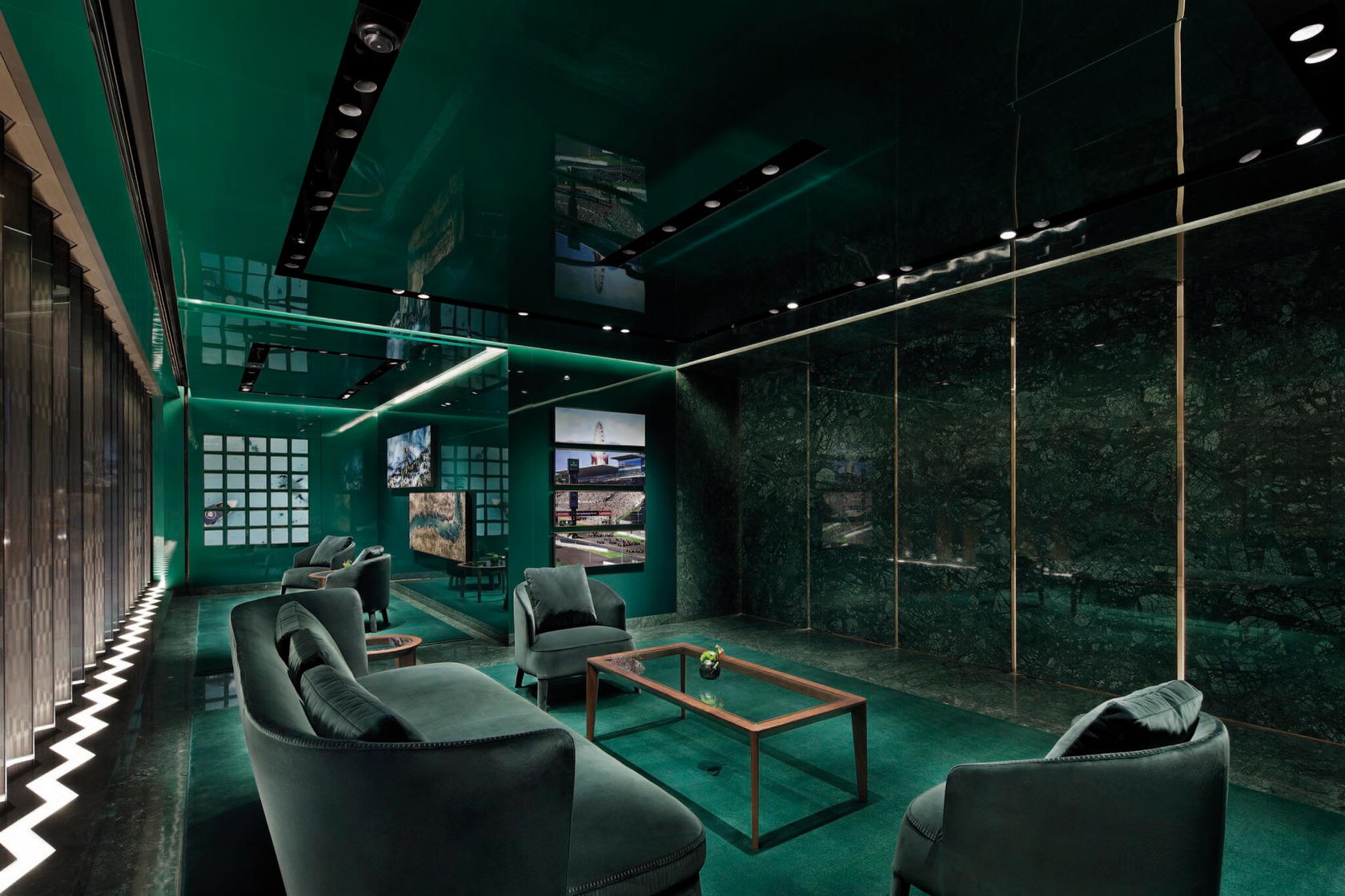
In Tokyo, the new four-storey flagship Rolex Tower fuses tradition with modernity. Designed by Gwenael Nicolas of Curiosity, the facade shimmers with a kinetic double-bezel motif—crafted from Kyoto metal mesh embedded in glass—that shifts with the viewer’s angle. A subtle palette of travertine, senwood, and frosted glass is paired with traditional Nishijin-ori fabric, and deep green, lacquer-like furniture, lending the space a distinctly Japanese aesthetic.
Across these varied expressions—whether in Venice, Beirut, Milan or Tokyo—Rolex’s architectural collaborations reflect a single, unifying ethos: a belief that great design leaves a cultural mark that outlasts time.