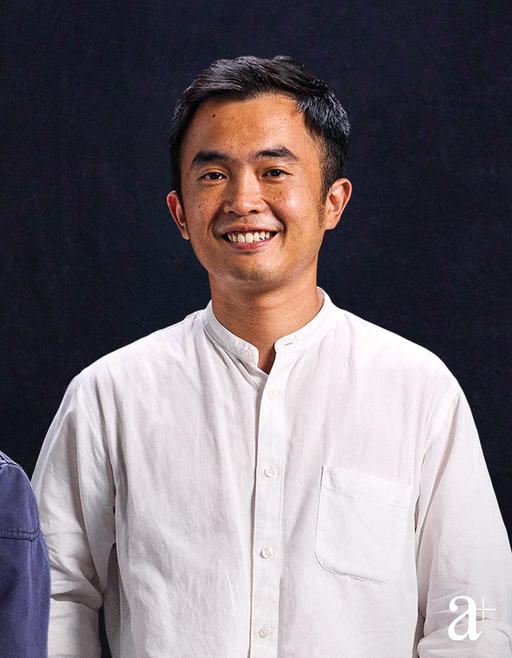

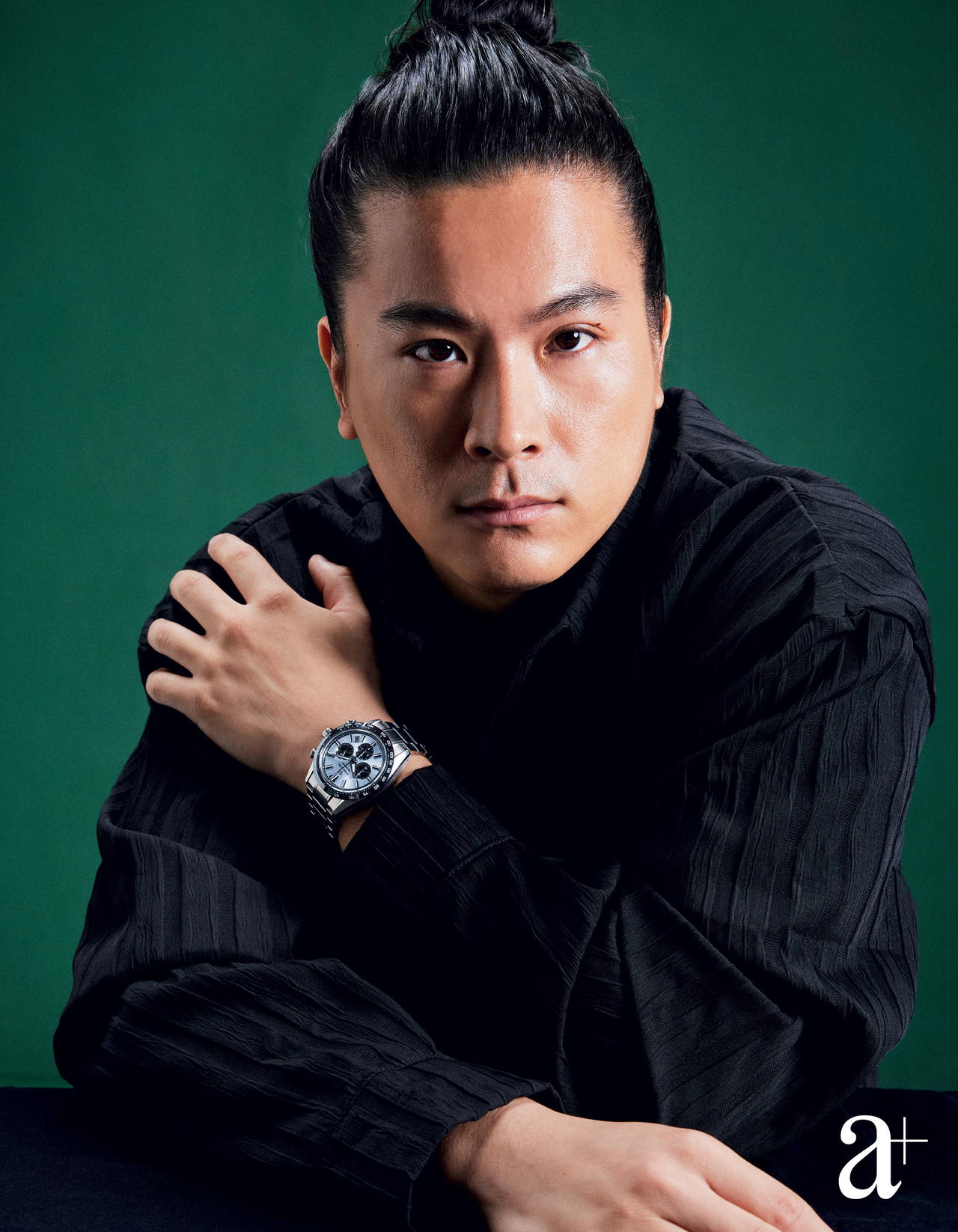
There are two key challenges in local plastic waste management, says Paul Lee. For one, recycling doesn’t come naturally to us. Compared to countries like Germany or Japan, where waste separation is ingrained culturally and reinforced through policy and infrastructure, Singapore’s system is largely centralised and downstream. “We rely heavily on incineration and recycling often happens after disposal rather than at the source. This means people don’t build an intuitive relationship with materials—what they are, where they go, and what happens after use,” explains the director of Plastify, which recycles plastic waste into functional goods.
In addition, we don’t get to see the end product, which contributes to a dearth of transparency and education. “I remember plastic recycling in school involved cutting a PET bottle into half and placing a plant in it. Recycling existed but it wasn’t transparent, engaging, or relatable.
“People were expected to recycle without really understanding what happens after they drop something into a bin.”
Paul Lee on inadequate recycling education
That disconnect gave rise to Plastify, which operates out of a workshop at Mayfair Industrial Building in Jalan Pemimpin. Its products include coasters, plant pots, carabiners, and Jenga sets made from waste plastic collected through public drop-offs, community drives, and corporate partnerships.
The company also conducts educational workshops that allow participants to recycle their own plastic waste and create recycled plastic products using mobile injection machines. Recent workshops had nurses from Khoo Teck Puat Hospital making clipboards and rulers from kidney dishes and bottle caps.
Plastify primarily works with Type 2 (HDPE) and Type 5 (PP) plastics, and none of its products contain colourants or additives. To keep the material honest and traceable, Lee’s team constantly conducts experiments to improve strength and consistency.
A common misconception, Lee says, is that the recycling triangle indicates whether an item can be recycled. In truth, the symbol simply identifies the plastic type. Out of the seven plastic types available, only Types 1, 2, 4, and 5 are recyclable in Singapore.
The rest are either too complex, contaminated, or economically unviable to process. Another misconception is that everything placed inside the country’s blue bins will be recycled even though contamination rates are high and sorting is limited.
In recognition of its efforts, Plastify was awarded a grant by the United Nations Development Programme and the Ministry of Sustainability and the Environment’s SG Eco Fund to scale its workshops, invest in better machines, and increase its educational outreach. Brands it has collaborated with include F1, Samsonite, and NTUC.
Seeing people reconnect with materials they once deemed worthless is what Lee finds most rewarding about his work. It helps that he finds joy teaching in schools and collaborating with different communities, from elderly care and special needs organisations to global brands and public agencies.
His plans for Plastify include more long-term partnerships and fewer one-time activations. A new 3D printing machine that will enable new structural forms and more ambitious product lines is in the pipeline.
Those looking to follow in his footsteps should first be fiercely obsessive about their environmental cause, Lee says. They should also learn to communicate and build partnerships as many environmental projects are funded or scaled through corporate, institutional, and government collaborations.
It’s important to drill down into your course of action. “Passion matters, but execution matters just as much. It is critical to tell your story effectively, understand the business side of things, and translate environmental ideals into practical, workable values.”
Photography Mun Kong
Art direction Ed Harland
Hair Jimmy Yap using Goldwell
Makeup Rina Sim using Armani Beauty
Grooming for Wang Yan Sophia Soh/The Suburbs Studio using Chanel Beauty & Kevin Murphy
Photography assistant Hizuan Zailani