Our kayaks glide over water so clear, it reveals the seagrass swaying beneath us, my mind stilled by the gentle lapping against the hull. A school of tiny silvery fish startles and arcs across the surface, and in the distance, a pair of Philippine ducks lift off into the sky.
Cris Belleza points to a nest holding a single tiny egg, barely visible inside a tree. A former fisherman, the 39-year-old is one of Manami Resort’s nature butlers, guiding guests through the landscape and its rhythms by drawing on the inherited knowledge of local communities.
Reaching this remote corner of the Philippines is a full day’s journey: a flight from Singapore to Manila, then a connection to Bacolod–Silay International Airport in Negros Occidental, historically the country’s sugar capital. A four-hour drive follows, past rice fields, sugar plantations, and local villages, with the coastline flashing tantalising blue between forested hills.
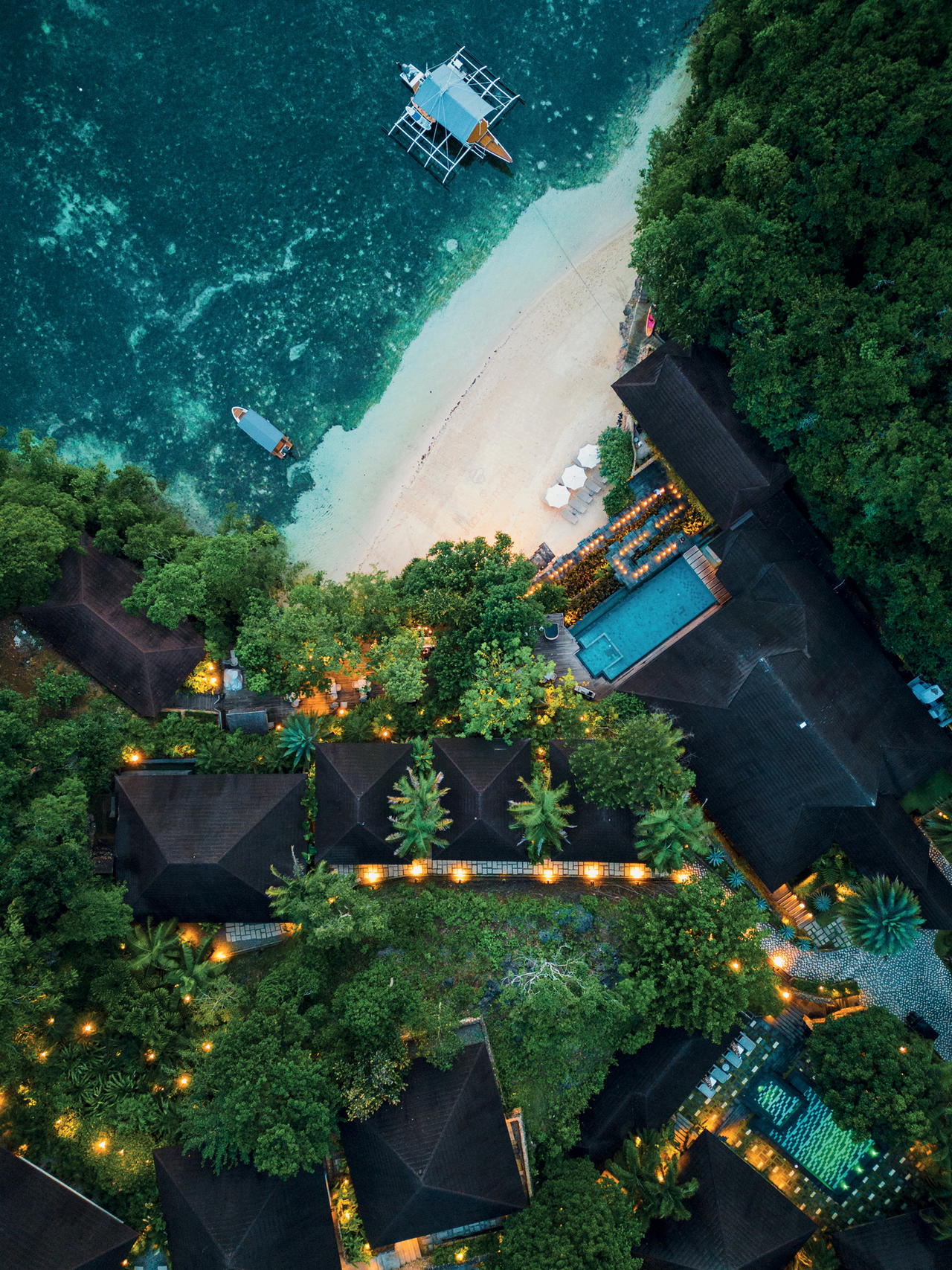
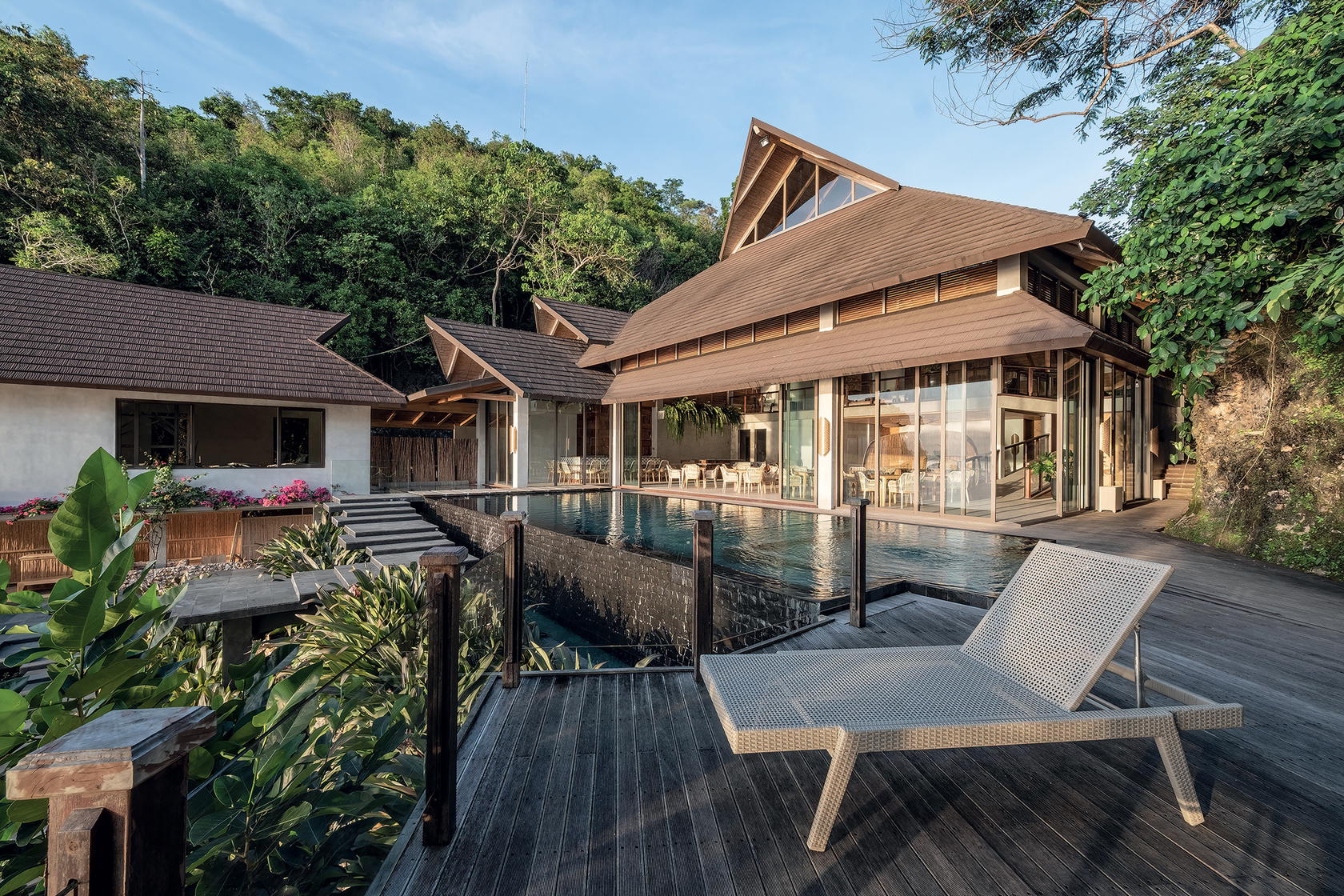
The journey’s reward is isolation: an intimate 18-key property set on the western edge of Negros Occidental, tucked into jungle-covered hills hugged by cliffs on one side and pristine, jewel-like water on the other.
Opened in April 2023, its name means “beautiful” in Hiligaynon (Ilonggo), one of the region’s local dialects. It’s owned by Cristina Corro, heiress to a Negros sugar-planting family and former banker turned environmental advocate, and her husband Andrei Corro. Their mission is to build a sanctuary that spotlights the overlooked richness of Sipalay’s forests and reefs.
Exuding breezy boho island chic, its villas open to ocean views framed by swaying trees and limestone islets. Capiz-shell artworks, abaca mats, and Gmelina wood furnishings fill the spaces. It’s a member of Small Luxury Hotels of the World and was recently added to the Michelin Guide Hotel 2026 list.
REEF RETREAT
The most active day begins with a private boat trip aboard one of the resort’s motorised bangkas (traditional Filipino boats), out to Tinagong Dagat, a hidden, glassy-calm inlet within the larger Campomanes Bay.
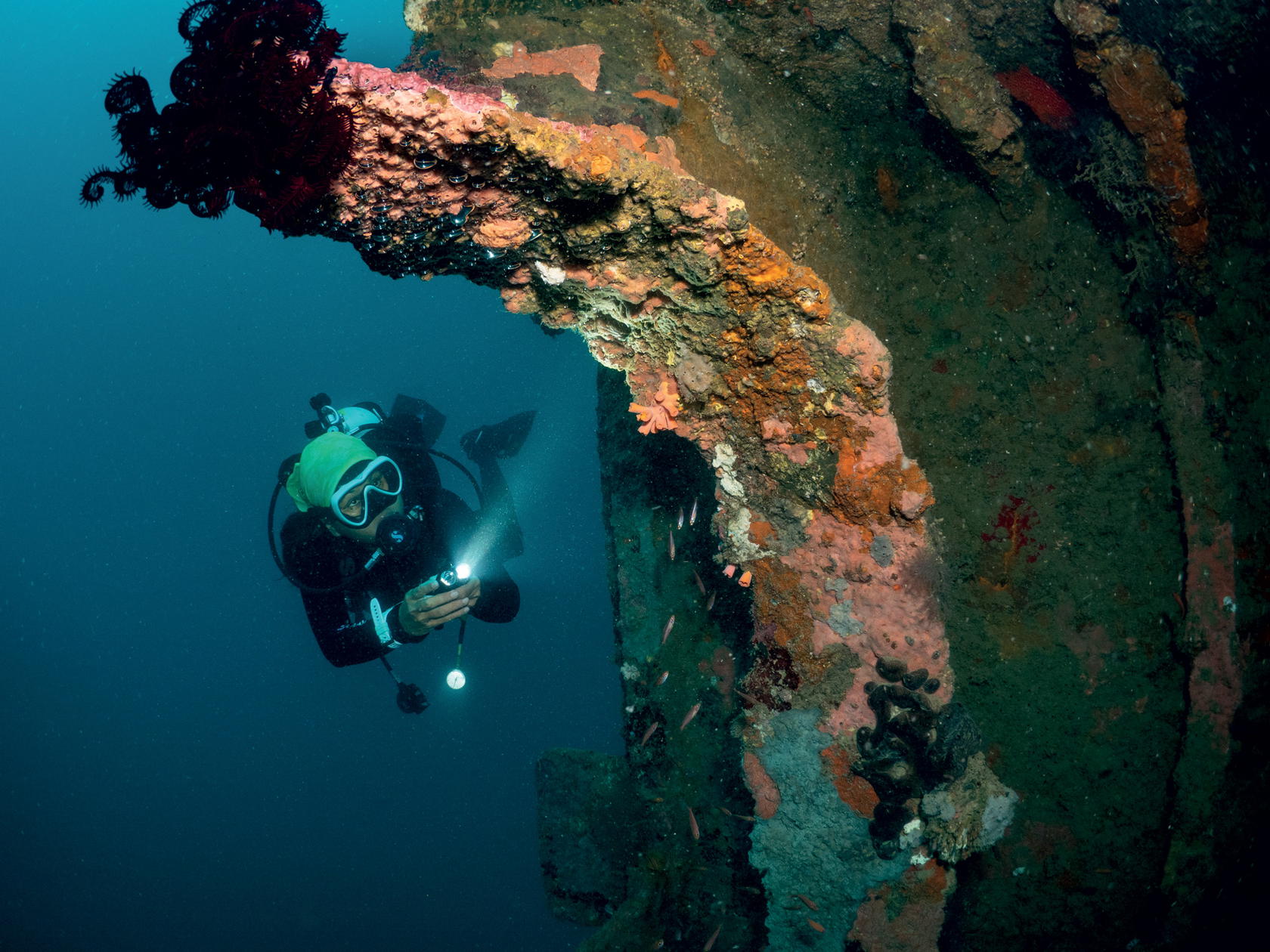
The trip ends at Eva’s Point, a sanctuary home to parrotfish, sergeant major damselfish, batfish, and more, where I snorkel over largely untouched coral gardens, fixated on a large blue starfish as fish dart around me, while the crew sets up a coal barbecue on board.
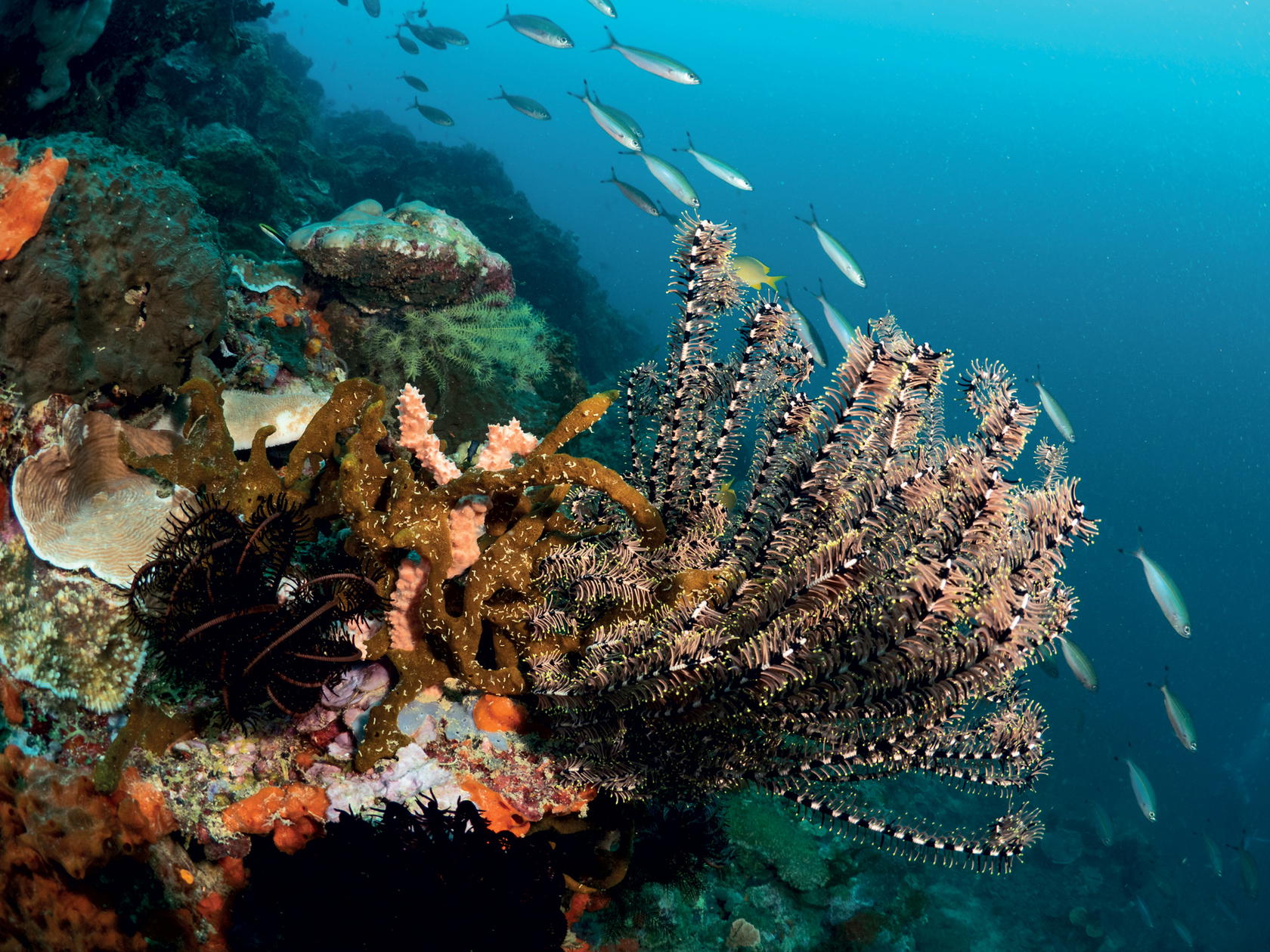
Corro, an avid diver herself, wants Sipalay to be known for both its diving and its scenery. Recent exploratory dives by the Manami team revealed two new sites: Jonel’s Garden, with coral formations sheltering snappers and barracuda, and GAP, located just minutes from the resort and already famed for larger pelagic life. Divers can expect green sea turtles, pygmy seahorses, and dense shoals of fusiliers.
Resident marine biologist Alexis Duran has logged around 600 species of fish, invertebrates, and coral so far, with some recorded nowhere else in the Philippines outside Malaysian and Indonesian waters. She wears that obsession on her skin, too—tattoos of sea slugs, thresher sharks, and manta rays adorn her arms. “This is a very remote area, so we have to build our own database,” the 26-year-old notes.
FLAVOURS OF NEGROS
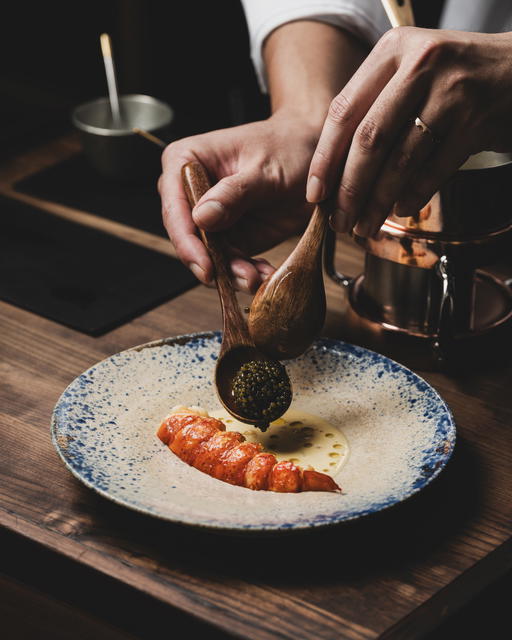
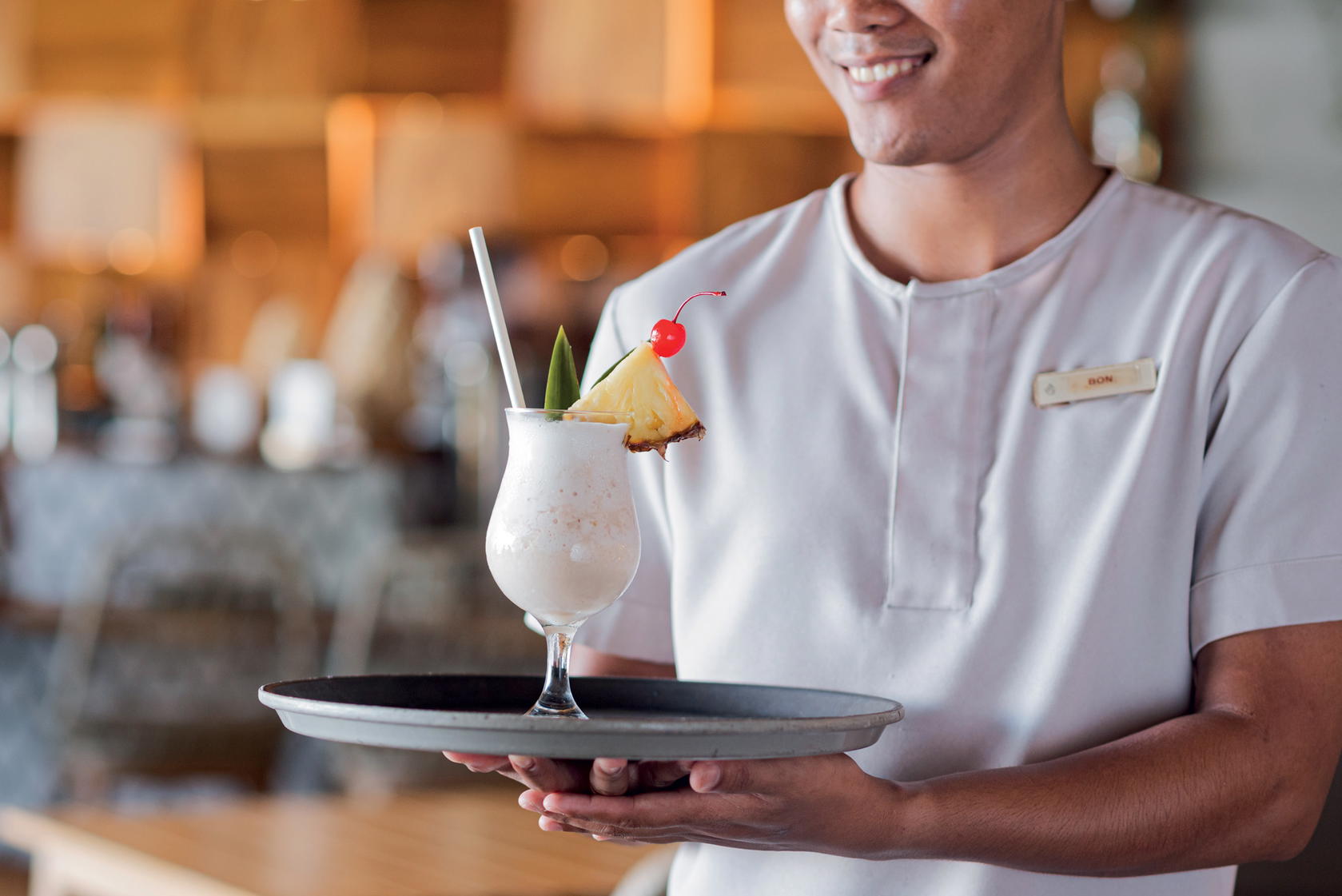
Negrense food is taken seriously at Manami. Lingaw, the resort’s sole restaurant, honours local flavours with a menu rooted in Negrense, Spanish and Italian influences, sourcing ingredients almost entirely from the island.
We sample kansi, a tangy beef marrow soup soured with batwan fruit; binakol, a light chicken soup cooked in coconut water with papaya and moringa; bangus, using flaked milkfish instead of pork; and kinilaw de negros, a tart ceviche.
But the dish we demolish is ginataang pako—mountain-foraged springy fiddlehead ferns, simmered in coconut milk, topped with smoked bangus flakes and pickled red onions. True to Negros’ sugar history, we also try our hand at making piaya, a flaky flatbread rolled thin and filled with gooey muscovado sugar or purple yam paste.
“Before, even I wanted to migrate to see the world. But then you realise you have a really good place here, and you love it.”
Giro Solatorio, General Manager, Manami Resort
Afternoon storms roll in most days and pass, leaving a honey-gold light that settles over the property at sunset. I read and dabble with watercolours on the balcony as resort peacocks wander over to inspect.
At the Linong Spa, its stunning design draws on a modern rendition of the bahay kubo, the traditional Filipino dwelling, built from nipa, rattan, and bamboo. After a gentle body scrub and outdoor shower, I ascend a softly lit staircase to the private hillside cabanas for a sunset massage, feeling every bit like a forest nymph.



A BEAUTIFUL WAY OF LIFE
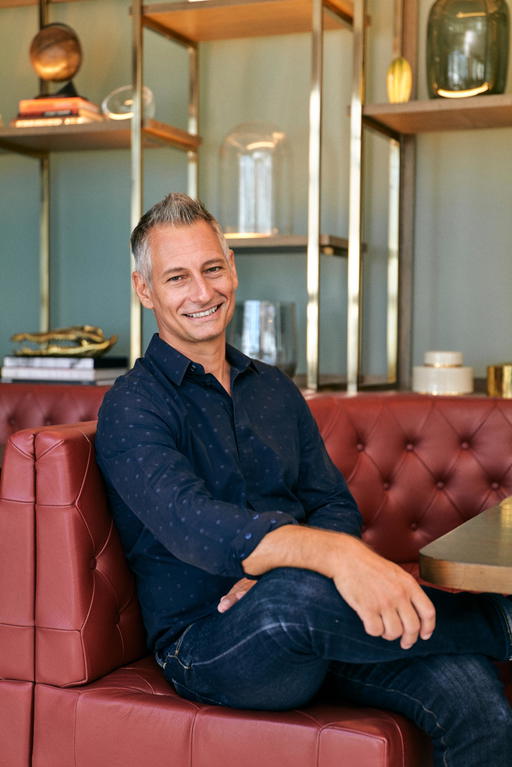
For now, Sipalay remains an insider’s secret, spared the party crowds of Boracay or the surf haven of Siargao. “It’s a bit off the radar, but it’s positioned as a niche market, for people who want less crowded places,” says the property’s general manager Giro Solatorio, who grew up visiting Sipalay from Bacolod with his father to swim and boat and still regards it as Negros’ best-kept summer spot. His parents worked in the sugar industry that built much of Negros. Solatorio, now 32, left the sugar trade to study tourism and work in Manila, but the pull of the coast—and of home—brought him back after the pandemic.
Most staff are from Sipalay and nearby towns, among them former fishermen and construction workers who helped build the resort from the ground up, have since bought motorcycles or funded their children’s education. My nature butler Belleza explains that this work, unlike seasonal fishing, lets him support his family without leaving Sipalay for higher wages elsewhere. Along the way he’s picked up English, and a newfound confidence with guests.
Education runs alongside conservation. Guests learn about seagrass beds that nurse young reef fish, easy to mistake for something to clear away. The harder task is with local fishing communities who depend on the sea to survive; the resort encourages more sustainable practices around catches like barongoy, the flying fish, with Duran
showing residents photographs she has documented to shift how they see what lies beneath the surface.
After Super Typhoon Rai devastated local mangroves in 2021, Manami partnered with GForest and Silliman University to replant them with the nearby Cayhagan community—two seedlings for every booking made.
Manami already draws a strong following from local travellers and Europe. Phase two is under way: eight new “Forest Rooms”, expanded wellness facilities, and hiking and biking trails through the rice paddies. It’s part of a broader shift across Negros Occidental, where Danjugan Island and the Sagay Marine Reserve draw the same eco-conscious travellers.
Solatorio hopes more people will come to see the region’s biodiversity for themselves, and the interconnectedness of land and sea that shape life here. “Before, even I wanted to migrate to see the world,” he says. “But then you realise you have a really good place here, and you love it.”
It echoes the local saying “Manami nga Pangabuhi”—the beautiful way of life that underpins the unhurried rhythm of Negros. Guests should leave with a little more curiosity, care, and respect than when they arrived, so Sipalay stays beautiful.