
Dining at Zen is a decadent, four-hour affair in a beautifully preserved 1920s shophouse on Bukit Pasoh Road, in Chinatown’s conservation area. Here, every meal unfolds across three floors, each space framing a different course. Time seems to fly by.
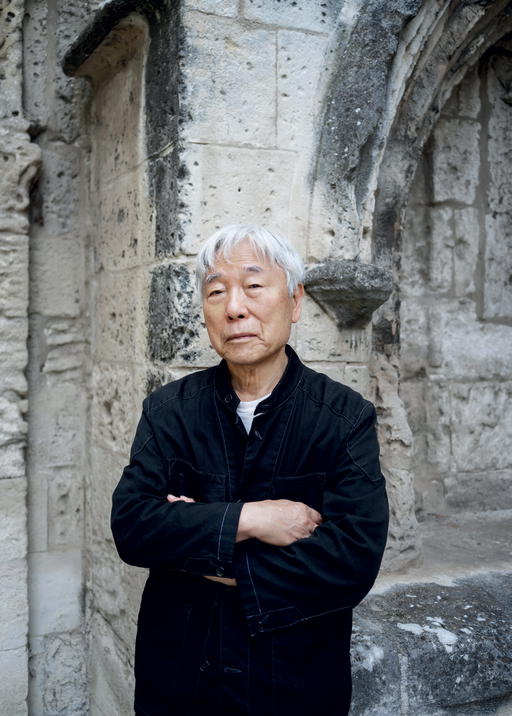
Zen is the brainchild of Swedish-born Bjorn Frantzen—the world’s only chef with three Michelin three-starred restaurants: Frantzen in Stockholm, FZN in Dubai, and Zen in Singapore. The modern Nordic establishment debuted in November 2018 and has drawn numerous diners. It recently reopened after a three-month refresh.
“While Zen shares my Nordic, French, and Japanese culinary DNA, it has a distinct Singaporean voice. The local team, regional ingredients, and city’s energy have given it a confident and independent identity,” he says.
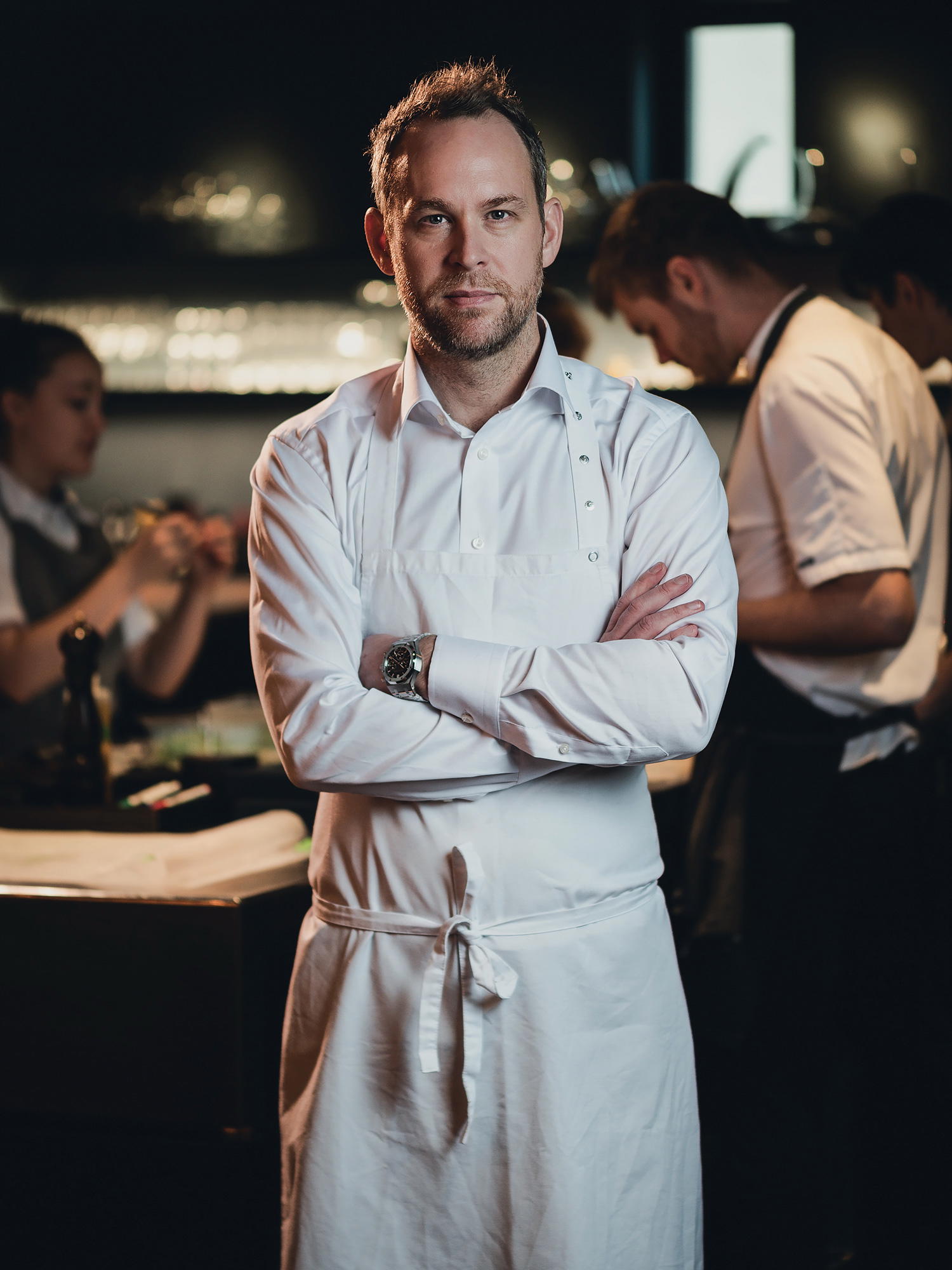
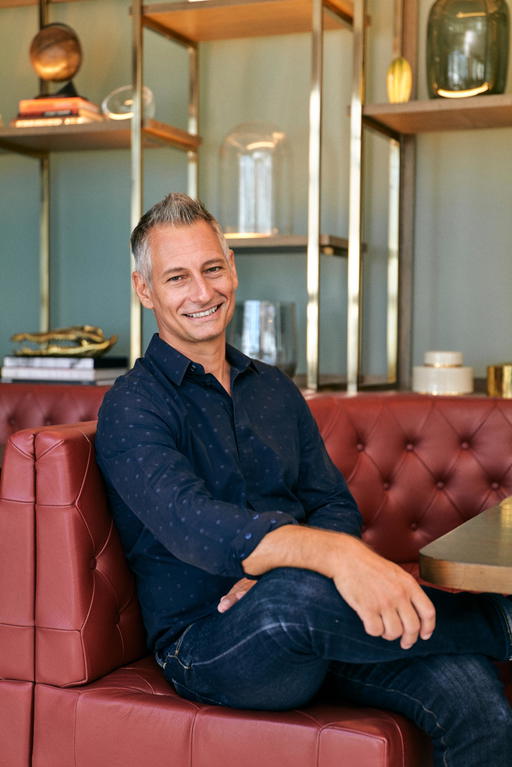
Frantzen attended Zen 2.0’s preview, but the restaurant is supported by a local team led by Head Chef Kelvin Ng and General Manager Rachel Ezekiel, who have both been with Zen for nearly five years. Ng earned his trust by understanding Zen from the inside out, having risen through its kitchen from chef de partie to chef de cuisine. “Kelvin combines technical precision with curiosity, calm leadership, and an authentic Singaporean perspective,” Frantzen notes.
Diners familiar with Zen before the refresh will find a space elevated with earthy browns, cosy rugs and armchairs, and an eclectic array of eye-catching Scandinavian art. The space is a collaboration between Frantzen Group and Stockholm-based interior architectural studio JOYN. Look closely and you’ll notice textural contrasts: raffia wall coverings’ papery lightness against smooth, fossilised matte stone countertops, and clay-like dark limestone stucco against the sheen of Japanese Kit Kat tiles. Blinds of airy cotton, linen, and silk soften the tropical daylight.
Upon ringing the doorbell, guests are welcomed into The Kitchen, a new intimate 16-seat chef’s counter on the ground floor. A glass of crisp, refreshing Champagne Ulysse Collin Grand Vin is quickly served.
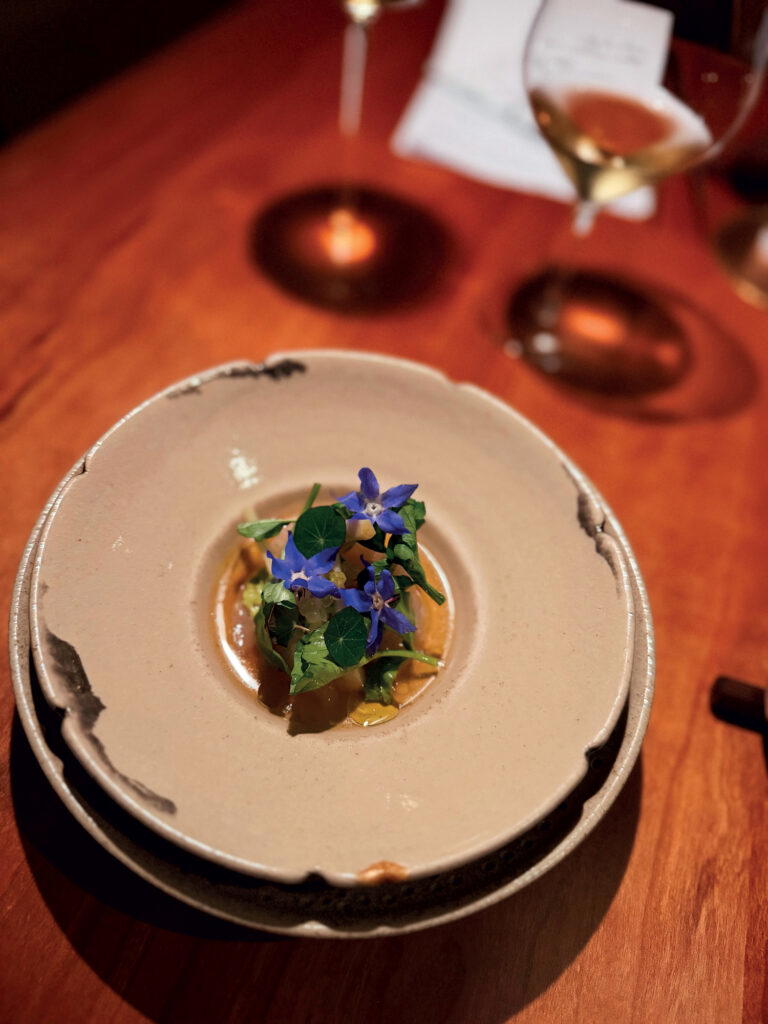
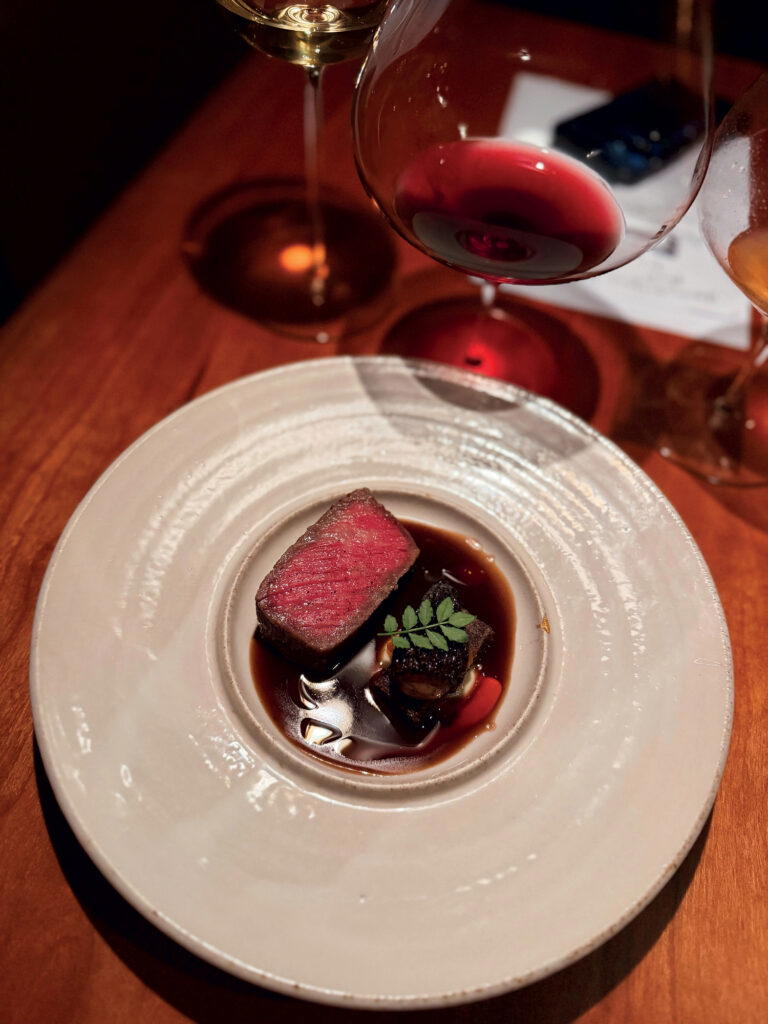
While Zen followers will be pleased to learn that the menu has retained crowd favourites like French Toast, Onion Soup, and Raraka, many are also looking forward to the new creations.
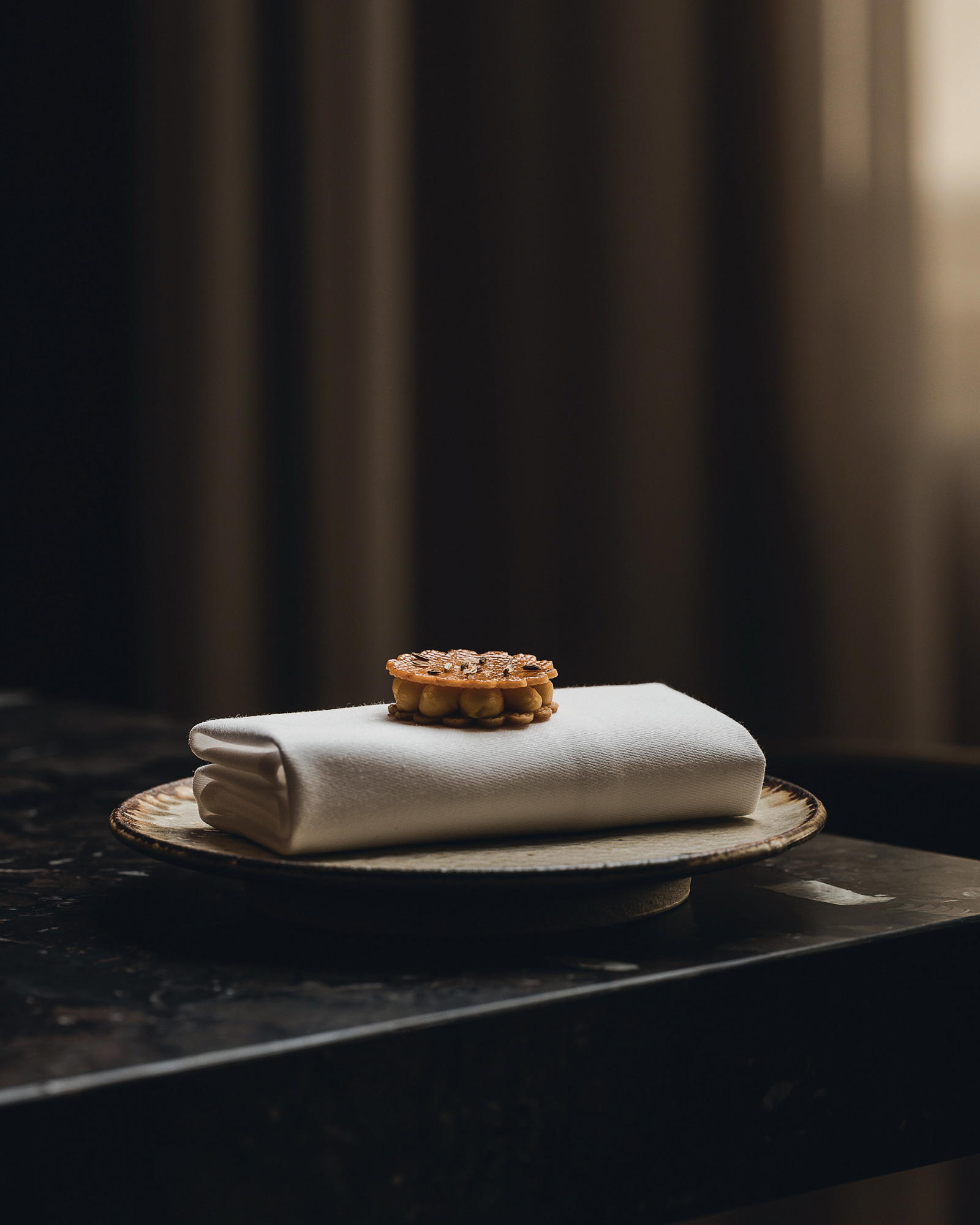
The meal opens with seven snacks prepared before my eyes. Notable highlights include Pate Brisee Vasterbotten Cheese and the signature French Toast “Grande Tradition 2008”.
The former, inspired by classic Swedish Vasterbotten cheese pie, features two crunchy crackers sandwiching a silky mousse of the sharp Swedish hard cheese, while the latter is a blockish sourdough brioche toast swirled with truffle cream and crowned with lavish shavings of black truffle.
As the dish arrives, staff guide us on the appropriate bite counts—one or two maximum. The toast is a “two-bite” snack, but I cannot help stretching it to three to savour every umami mouthful.
“The original concept worked for 2018, but guest journeys had grown familiar. The new bar creates a more energetic and direct connection between our guests and chefs from the start,” Frantzen explains.
After the snacks, we head upstairs to The Dining Room on the second floor, where stunning mains await. The first thing that catches the eye is a chandelier by Ann Wolff for Kosta Boda, featuring the brand’s Snowball candle holders. A daily-changing display of carefully sourced ingredients—from wagyu beef to Frantzen N25 caviar and Yamanashi peaches—also greets diners.
Frantzen reveals his current favourite ingredients: “Marron for its sweetness, shima aji for clean richness, and fermented Kampot pepper for its aromatic heat and complexity.” All three shine across the six main courses, with tableside service delivering final flourishes.
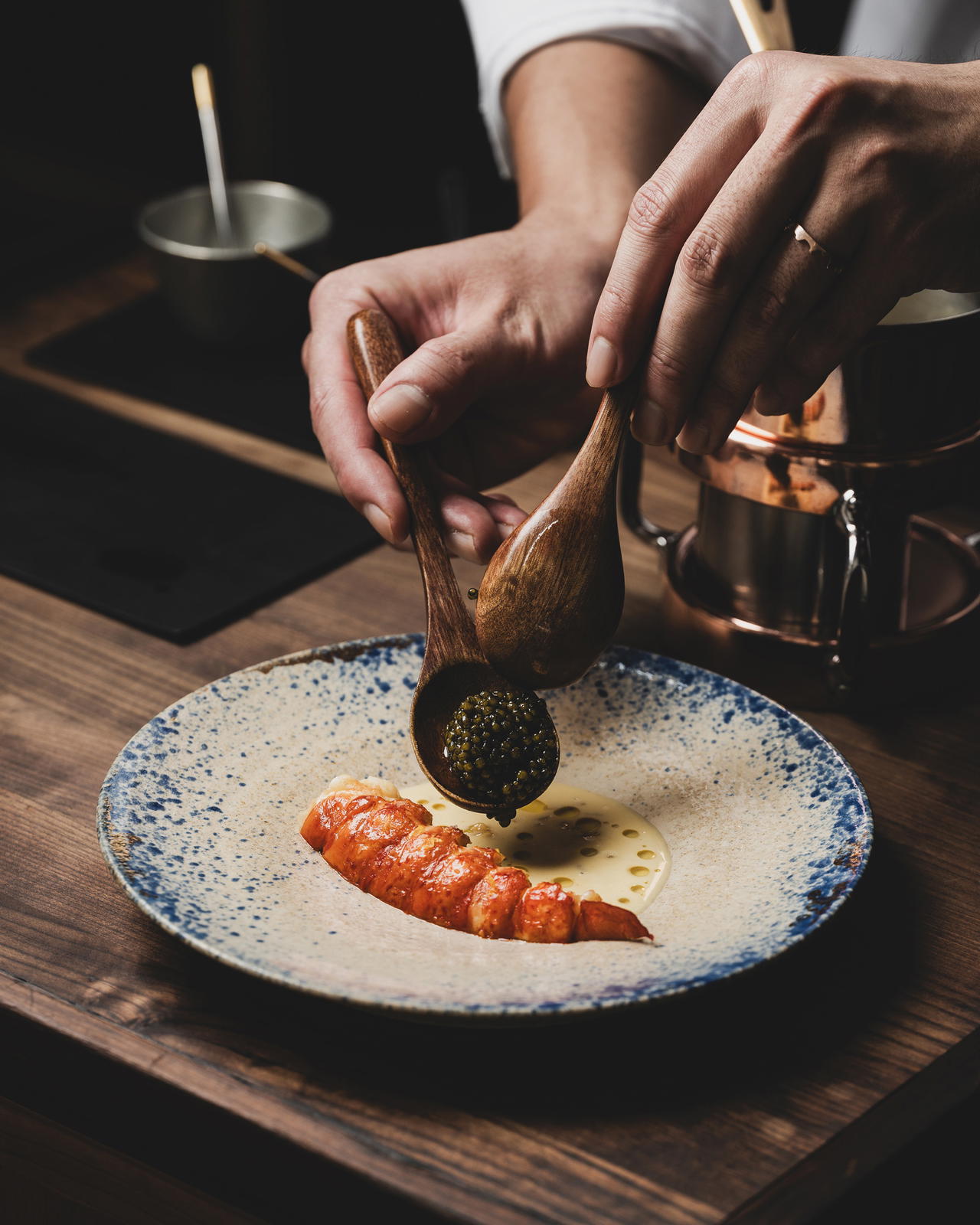
In the menu, Marron showcases the delicate sweetness and firm texture of the freshwater crayfish, bathed in walnut-brown-butter sauce and topped with Frantzen N25 caviar.
Crudo, made with shima aji (white trevally), arrives in a garden-like creation with artichoke barigoule—a classic Provencal French preparation of young artichokes braised in a savoury white-wine broth, olive oil, garlic, and aromatics such as carrots and onions—quince and vibrant nasturtium blooms. The fish has a clean, buttery likeness to saba and kanpachi, which is closely related to yellowtail.
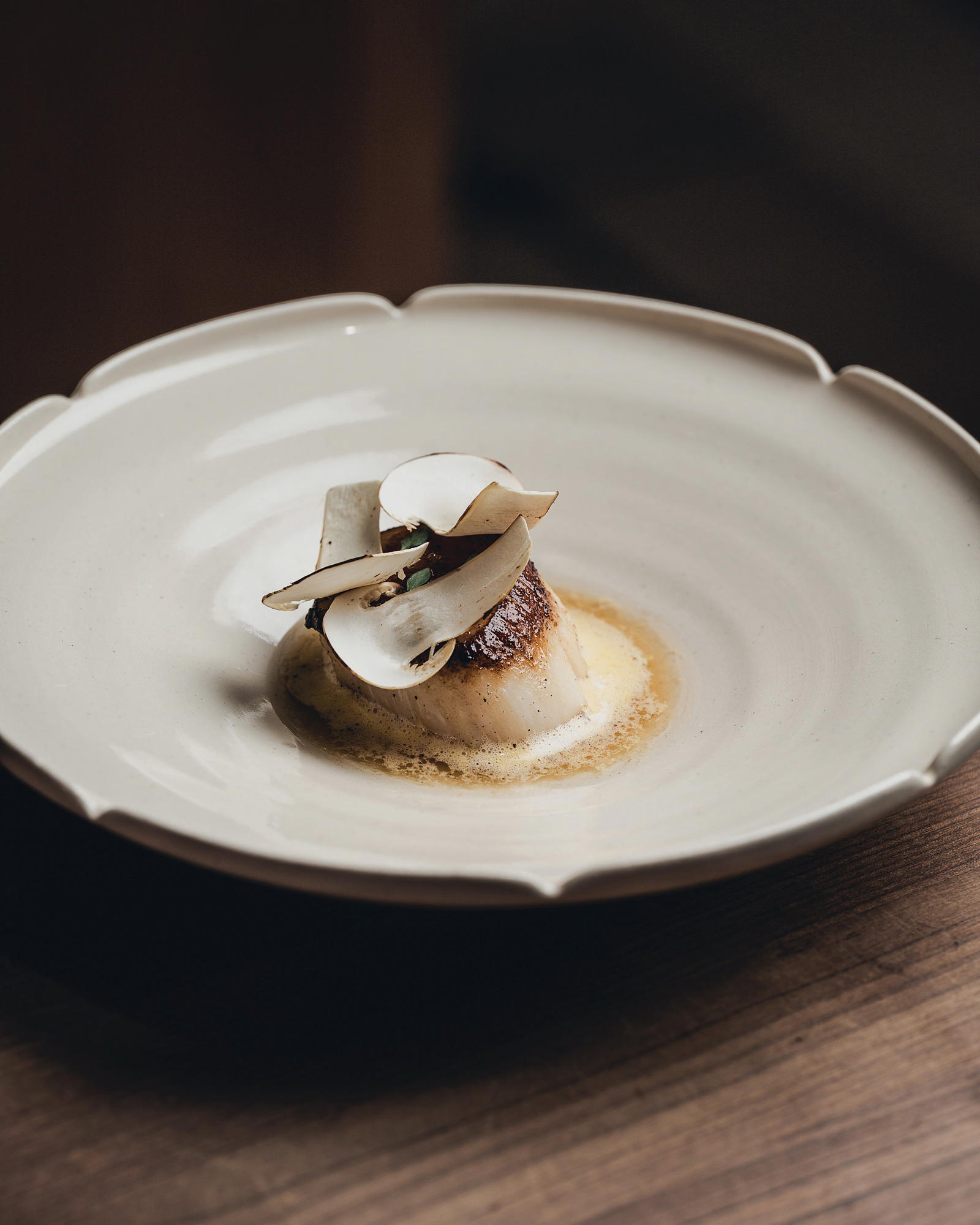
The Wagyu, my favourite, is beautifully flavoured with fermented Kampot pepper for a Southeast Asian-inflected depth. The pepper’s heat and fruity notes cut through the rich, moderately marbled beef.
Although the menu doesn’t feature literal Singaporean classics, the influence is evident in the team’s approach, regional ingredients, and Singapore’s affinity for acidity, spice, and texture. Frantzen’s aim is a dining experience that feels connected to this region while unmistakably Zen. “Being in Singapore gives us access to an incredible range of produce from Japan, Southeast Asia, Australia and the wider region, and that naturally influences how the food develops,” he explains.
By the time I make it to The Living Room for desserts on the third level, I’m pleasantly full but still excited. The sweet endings are understated with Waffle Party offering childhood comfort through mikan-honey-drizzled ice cream and heart-shaped waffles.
A final basket of freshly sliced Japanese fruits, including Shine Muscat grapes, Miyazaki mango and Crown muskmelon, makes for a fitting finish to a meal devoted to provenance.
As Frantzen sums it up, “Luxury in fine dining isn’t gold or formality; it’s time, attention and genuine care. Everything should be precise while still relaxed, personal, and effortless.” And perhaps that’s why, after four hours, the experience doesn’t feel lengthy at all.