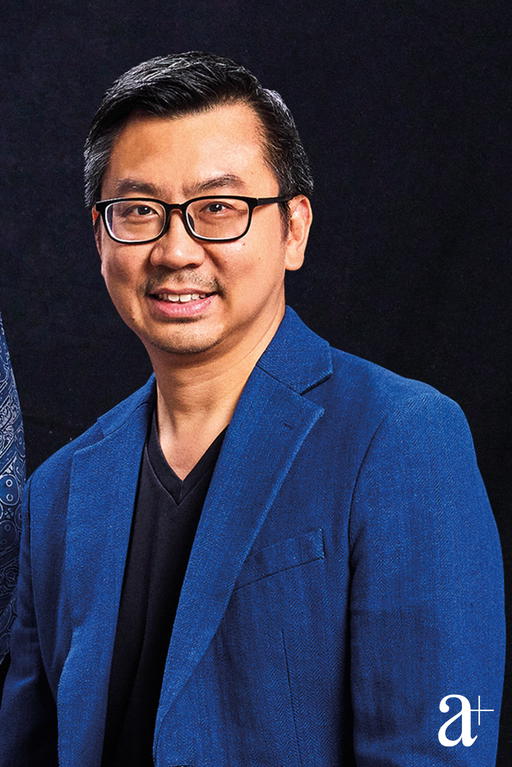

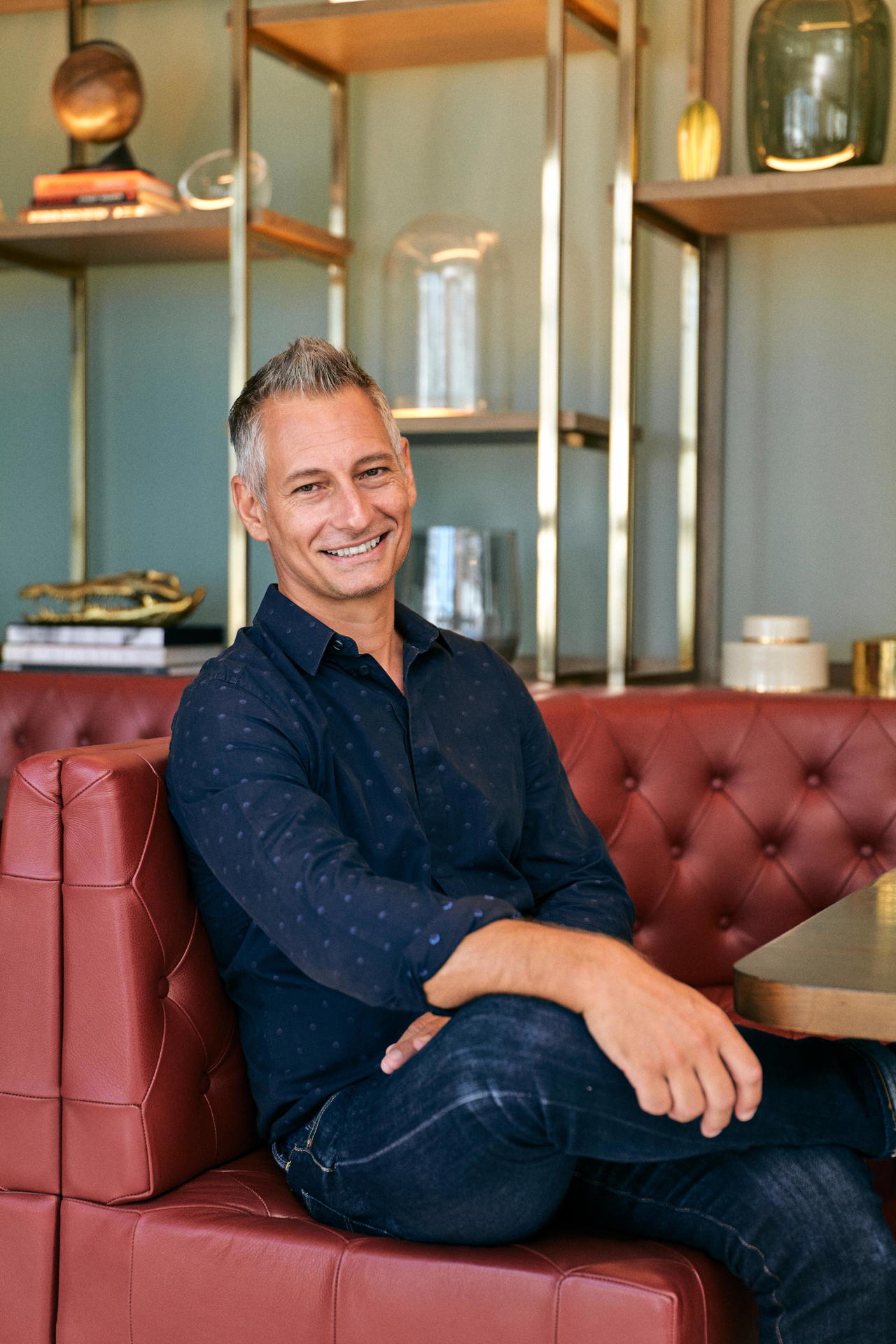
There’s always a reason not to invest. Therefore, we should focus on opportunities in the market and not be paralysed by risks, says Guillaume Pichoir. The CEO of Da Paolo Group would rather back a strong idea in a tough market than pursue growth just because the industry is showing optimism.
“Da Paolo has been around for 37 years. We’ve weathered recessions, bullish markets, Sars, Covid-19, inflation, you name it. If you wait for perfect conditions, you’ll probably be waiting forever,” Pichoir says.
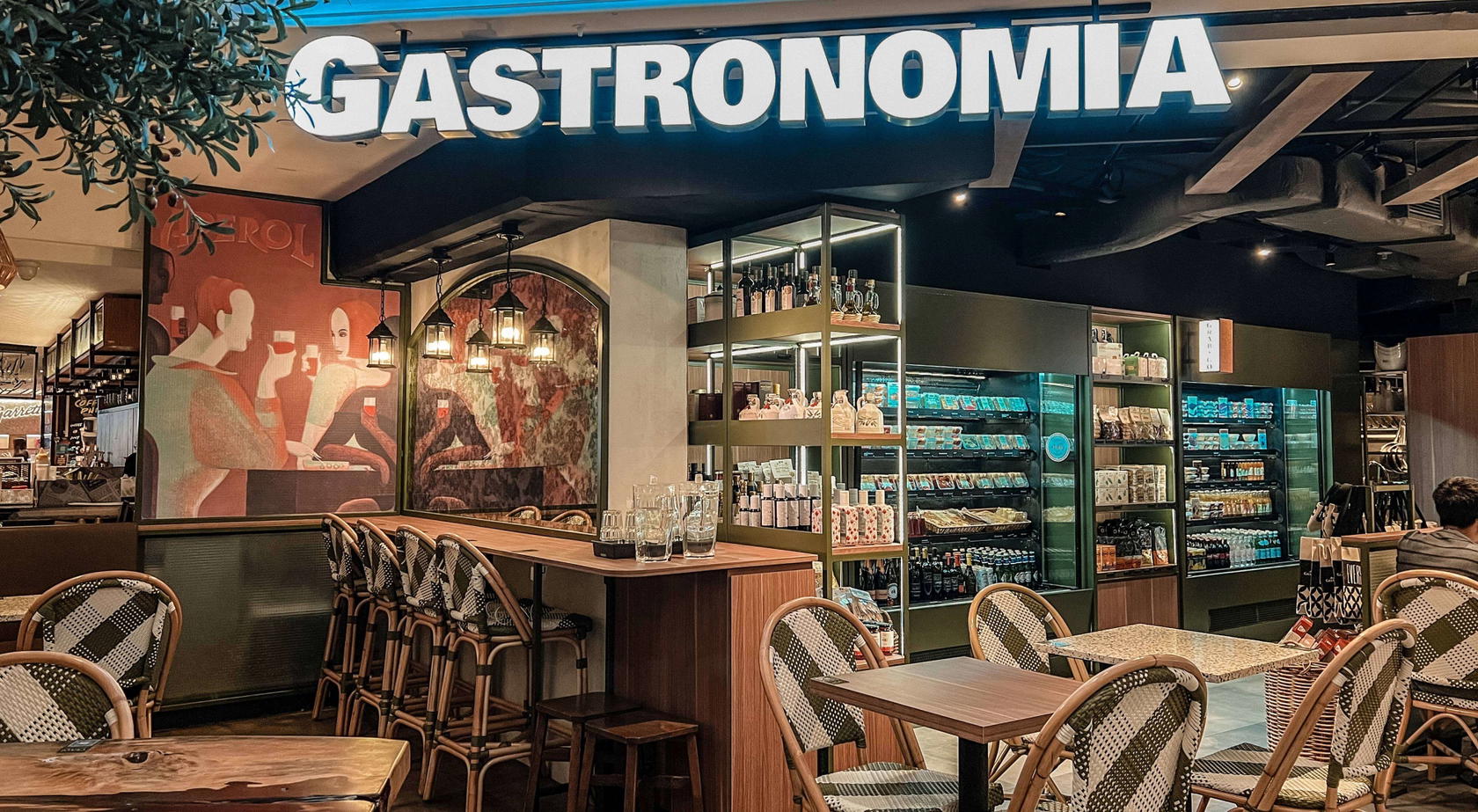
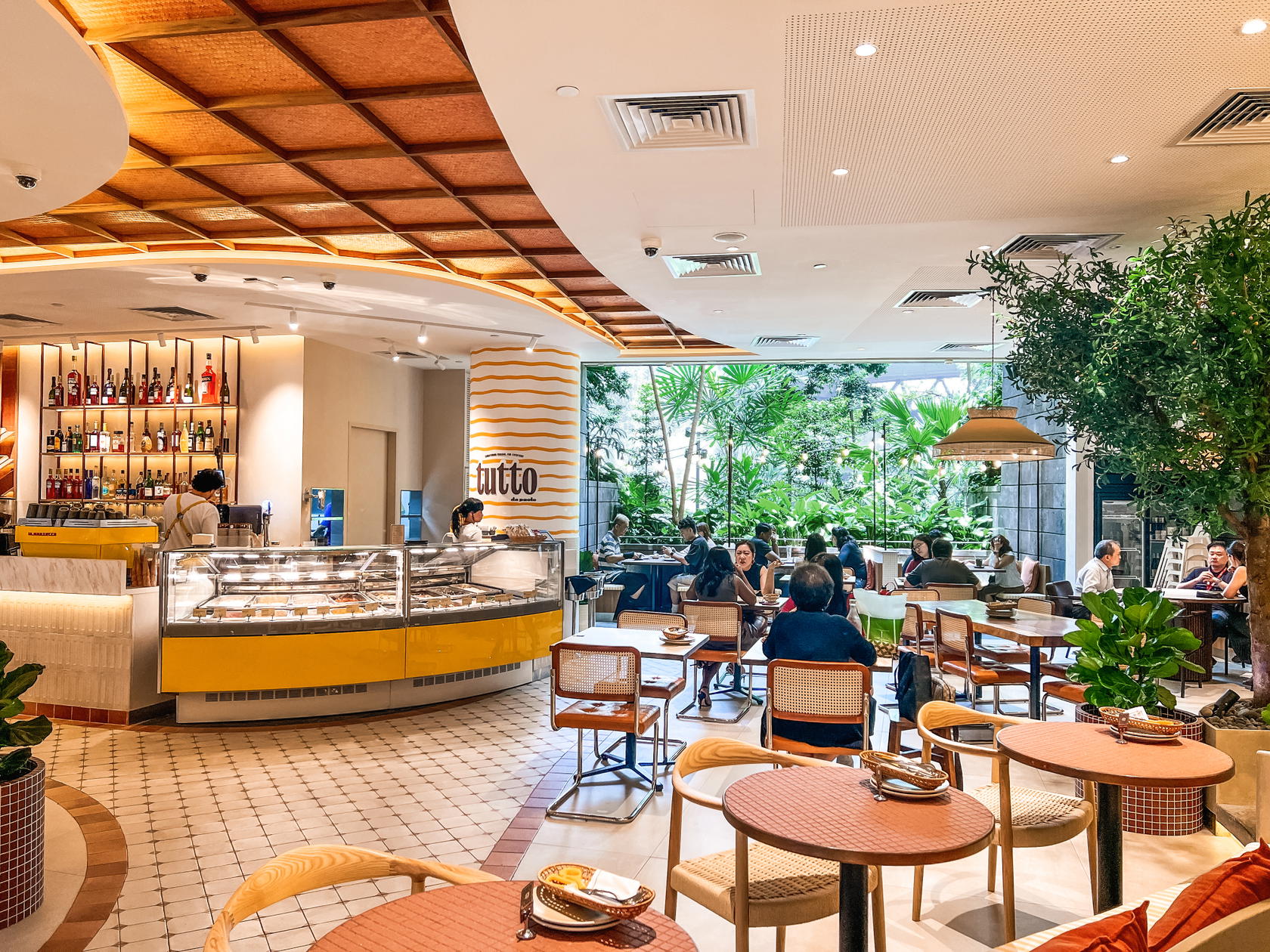
Da Paolo operates restaurants, casual cafes, and gourmet delis across four concepts: Gastronomia for casual Italian fare, Tutto for Italian pasta and pizza, Da Paolo Dempsey for Italian food and cocktails, and Greens & Grains for grain bowls. The group runs nine outlets around the island, with another opening later this year.
An engineer by training, Pichoir is French and spent the early part of his career in software and technology management. He joined F&B after meeting his wife Francesca Scarpa, daughter of the company’s founders Paolo and Judie Scarpa, and took on his current role in 2010.
The brand’s “everyday Italian” ethos, he explains, began from a desire to make the Italian way of eating part of everyday life in Singapore rather than something reserved for special occasions. Its growth has been guided by shifts in customer habits and by what the business could or needed to do at different points in time.
Pichoir cites an example: the group couldn’t manufacture products for the B2B market without central kitchens, so 15 years ago, it shuttered most of its restaurants and focused on Gastronomia—with every outlet a hybrid of restaurant, gourmet retail, and deli. “We felt it was a more differentiated format with more potential than the trattorias the company had become famous for early on.”
In a fiercely competitive local dining scene, Pichoir contends that F&B companies must constantly evolve without losing sight of what keeps customers coming back. He doesn’t think that success can be attributed to a particular interior, a format or even a dish. For Da Paolo, the enduring currency is quality, consistency, and authentic ingredients.
New concepts are in the pipeline, and the company is looking for the right locations to bring them to life. In the meantime, it will continue strengthening its foundations. “Improving our organisation— from developing the team to streamlining production, warehousing, and logistics—is as crucial as opening new restaurants.”
Pichoir shares five lessons he has learnt in the business.
1. Don’t confuse growth with getting bigger
At one point, we had 14 restaurants and Gastronomia outlets. Now we have nine, with another later this year. We also operate delivery, catering, and contract manufacturing businesses. If you judge growth by outlet count alone, we’ve shrunk.
Yet we’ve launched and learnt from various food ventures, from the highly successful Da Paolo PizzaBar to the delivery- only ‘Priority’ brands we created after Covid-19. Those experiences have made us better organised, more diversified and more capable, with a clearer understanding of market expectations. That kind of growth— less obvious on a spreadsheet but strengthens the business—matters most.
2. Protect what your brand stands for, not what it used to look like
Da Paolo began as a single Italian restaurant in 1989. If we had spent the next 37 years trying to recreate that exact restaurant, we wouldn’t be relevant today. Nostalgia isn’t a business strategy. You must be unemotional about moving on and forward. When we opened more Gastronomia outlets, people asked, ‘Why can’t I get table service here? I’ve known Da Paolo for 20 years—why is it different?’ That used to worry the team and me. Over time, we’ve learnt that customers may be surprised by change, but they generally understand and appreciate an evolving offering as long as we stay true to the fundamentals that define who we are.
3. When working with family, be clear-eyed about what that entails
Working with family can be incredibly rewarding, but you must enter it with your eyes open. Francesca, my wife, is also deeply involved in the group, so family and business naturally overlap for us. That brings strong advantages, such as trust, shared history, and a long-term view of what you’re building. But do not romanticise it.
Business decisions sometimes require uncomfortable conversations, and those conversations don’t magically disappear just because the party on the other side of the table is family. You must be able to disagree professionally without bringing every dispute home, and that is easier said than done.
4. Tech is good, but GIGO kills it
I’m a big believer in using technology to run a business more effectively, but I’ve also learnt how easy it is to invest time and money in IT systems and still have little to show for it.
GIGO is an old computing term—garbage in, garbage out. You can have the best systems in the world, but if people aren’t disciplined about entering the right information, or don’t understand why it matters, all you’ve done is automate bad data. That bad data then cascades through every downstream report and drives poor decisions. So, prioritise information discipline ahead of technology. IT starts I. Information comes before technology.