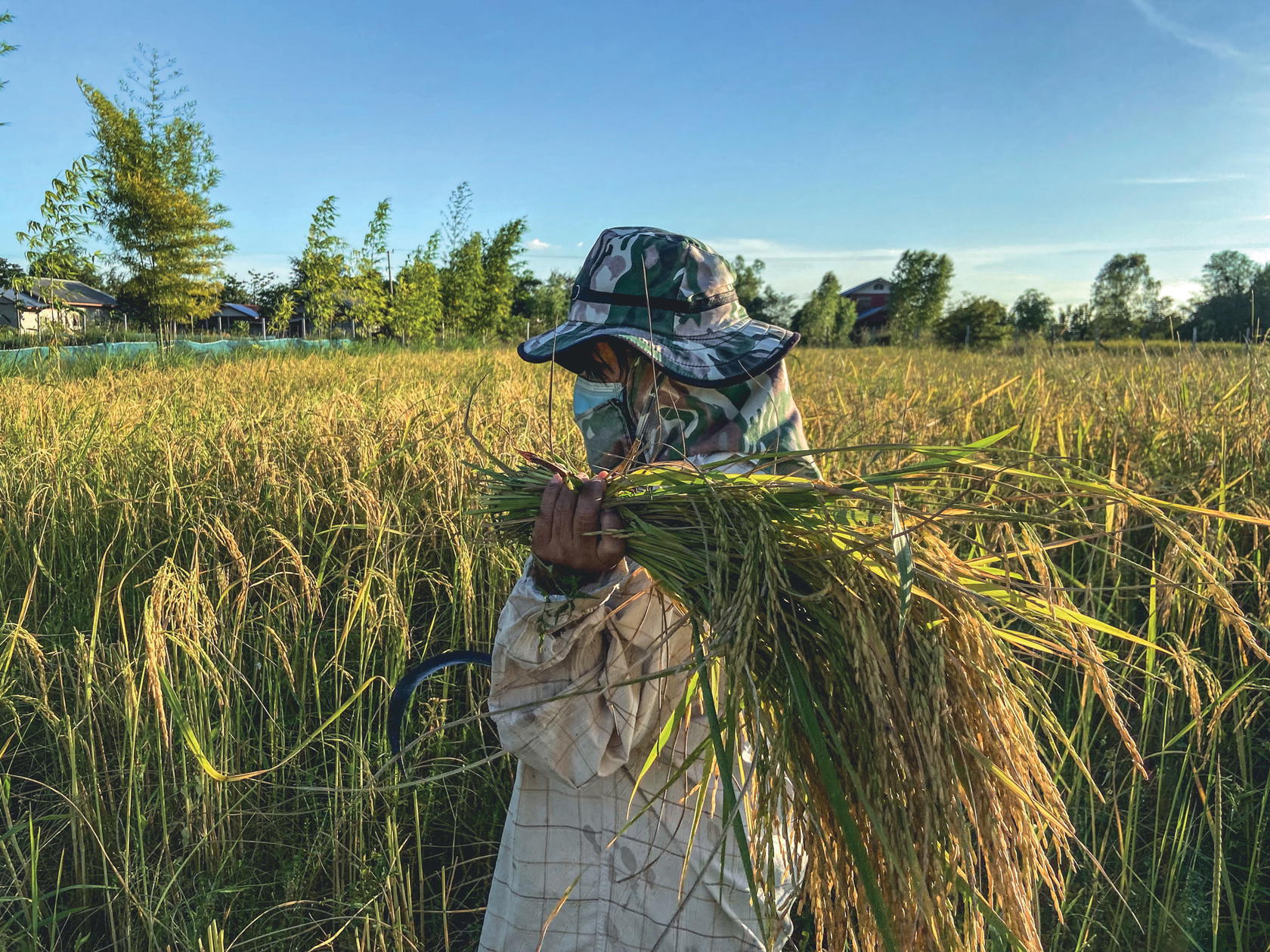
In Thailand’s northeastern Isan region, sato was once part of rural life. Rice was grown, harvested, eaten, and some of it fermented into sato, a low-alcohol drink shared at festivals and family gatherings.
Today, sato appears on drinks lists and tasting menus across Bangkok. Producers are experimenting with indigenous rice varieties and controlled fermentation, while chefs are exploring how its sweetness, acidity, and texture work with food. The evolution is unexpected for a drink long dismissed as a rustic, homemade brew.
That revival is also part of a much older tradition. Sato belongs to a wider family of rice-fermented drinks across Asia, from lao hai (a cloudy, mildly sweet, fermented rice wine) in Laos to ru’o’u can (an un-distilled fermented version) in Vietnam.
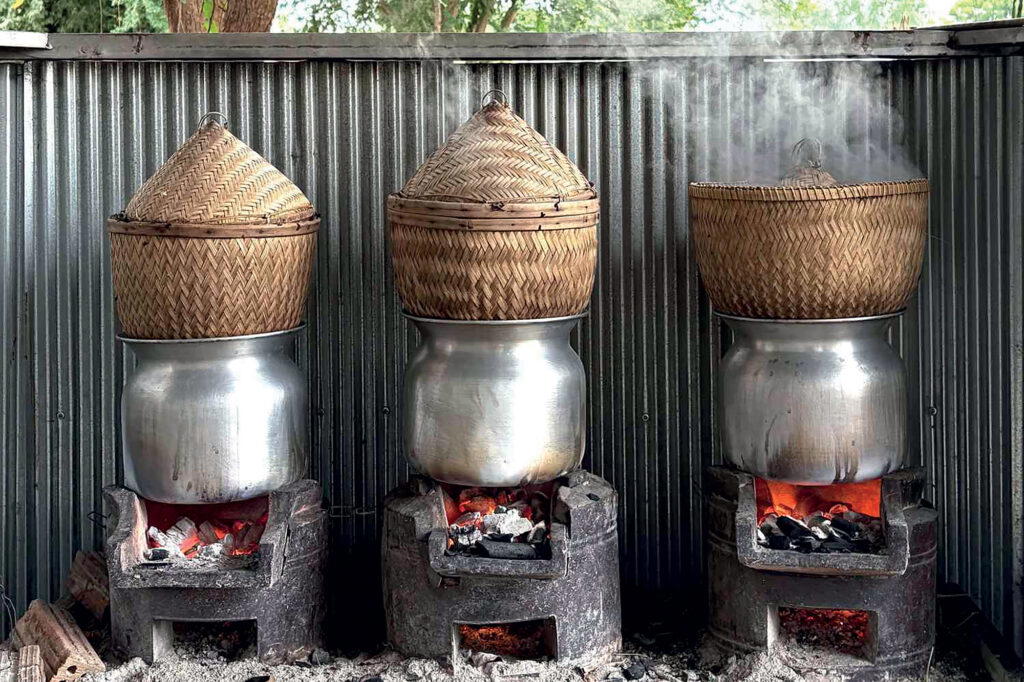
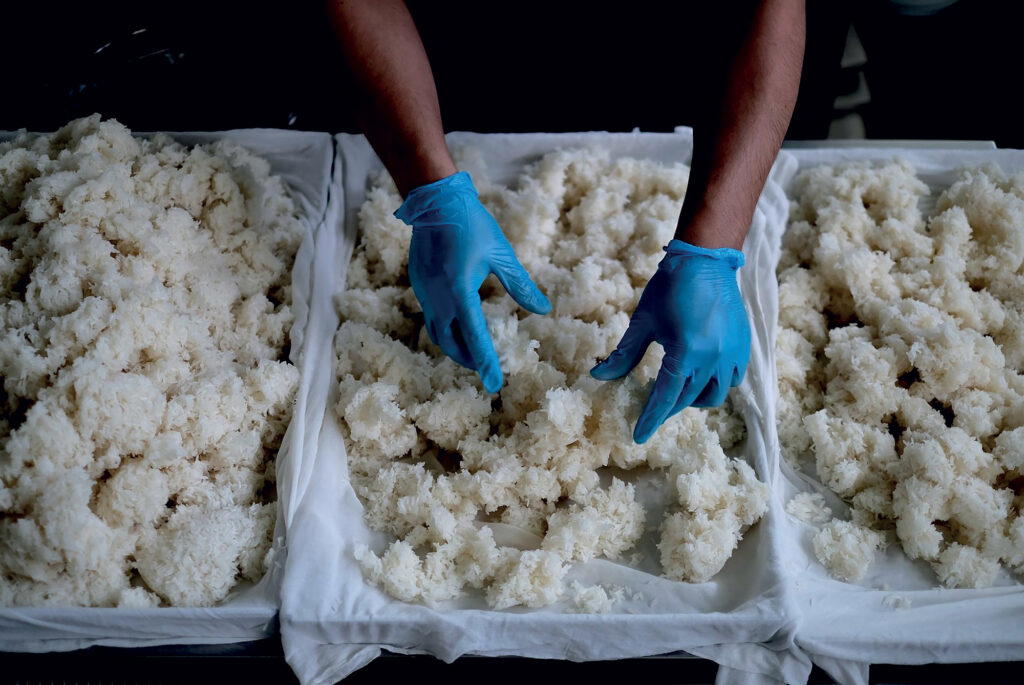
To make sato, sticky rice is soaked, steamed, and mixed with luk paeng, a dried starter containing moulds, yeasts and (depending on the maker) bacteria, herbs and spices. The moulds convert starch in the rice into sugars, which yeast turns into alcohol. Sato typically contains between seven and 12 percent alcohol by volume.
Bringing precision to tradition
Nattachai Ungsriwong, founder and brewmaster of Devanom Brewing Company in Nonthaburi, began brewing craft beer and mead in 2014. As he explored Thailand’s own brewing traditions, he turned to sato, a drink he felt reflected the country’s history. “Sato is an integral part of Thai heritage and has been made for generations, yet was perceived as a rustic, village beverage for generations,” Ungsriwong says.
Devanom applies modern methods to those traditional foundations. It uses aromatic, high-quality rice, which is soaked and steamed before being mixed with luk paeng. The rice is then fermented for around 30 days with selected yeast and cold-conditioned for three to six months. The use of selected yeast, controlled cultures, and extended cold-conditioning gives Devanom greater control over the fermentation while retaining the character of traditionally made sato.
“We don’t over-process it or strip out what makes it distinctive just to make it ‘cleaner’. If a drink doesn’t still taste like sato—funky, alive, a little unpredictable—then we’ve failed.”
Yoan Martin, Co-owner, Electric Sheep
The brewery also isolates strains from traditional luk paeng and propagates them as controlled cultures. This allows Devanom to preserve the complexity of natural fermentation while producing a more consistent flavour from batch to batch.
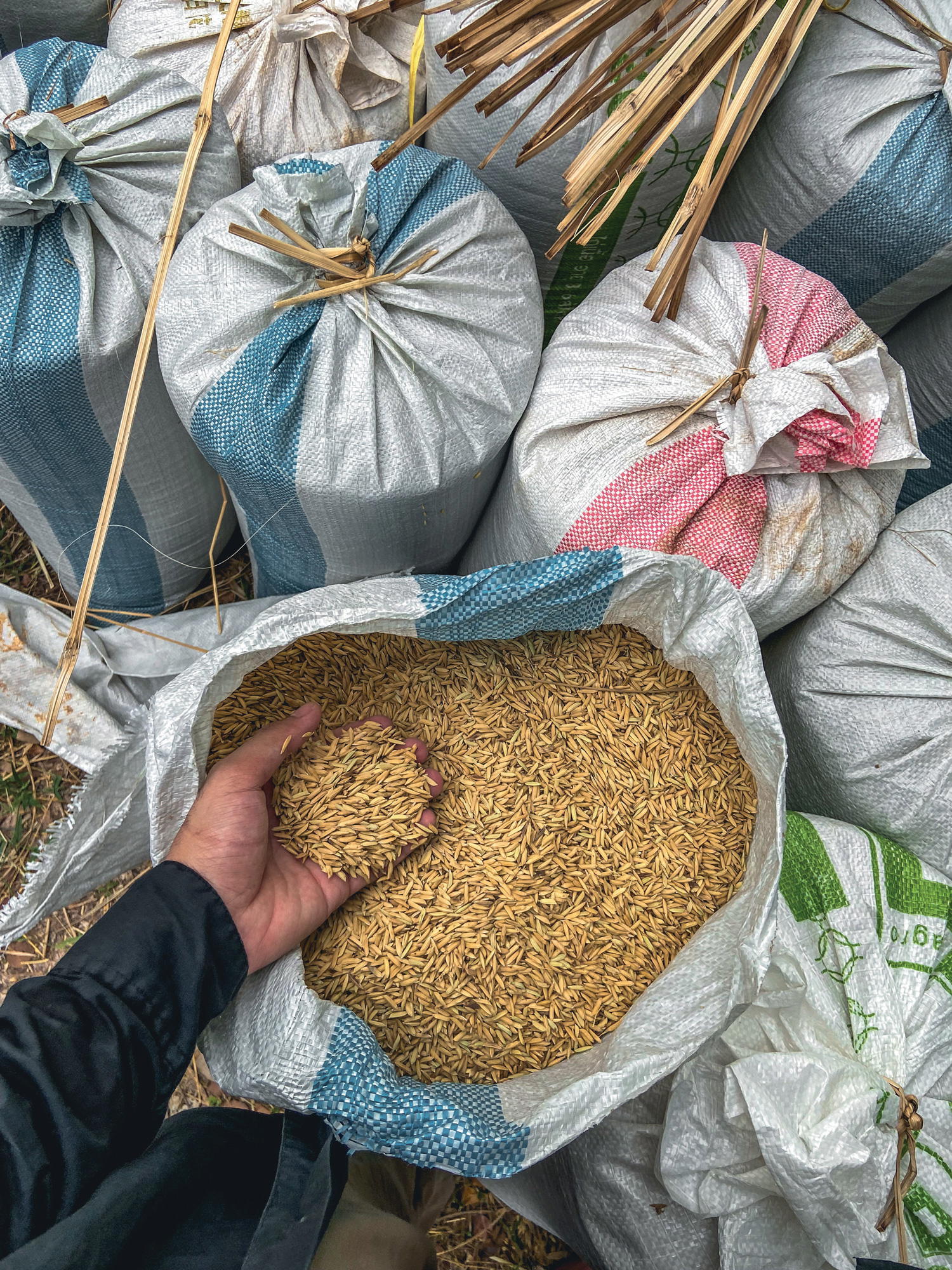
Devanom works with a range of rice varieties—kiaw ngoo sticky rice from Chiang Rai, jasmine rice from Kanchanaburi, luem pua black sticky rice from Sakon Nakhon and sangyod red rice from Phatthalung. Each variety is brewed separately, yielding a different sato with its own flavour profile. Kiaw ngoo adds body and sweetness, jasmine offers floral notes, and black sticky rice contributes nuttiness and berry hints, while sangyod brings earthiness, according to the founder.
In addition to Devanom, other brewers are also helping sato evolve from a homemade rural drink into a more visible part of Thailand’s contemporary drinks culture.
His grandmother’s recipe
Keng Songpon Pharuphon, founder of Nanuanchun, an artisanal brand produced in northeastern Thailand, was an architect in Bangkok before returning to his roots and his family farm in Kalasin. He tried selling rice online and making chilli pastes, but eventually rediscovered a traditional recipe his grandmother had taught him at 14: khao mak, a sweet, fermented rice dish. It inspired his journey into sato, giving him a way to turn a family tradition into a modern rice wine and launch his business in 2021. “She told me that if I added water to it, it would become sato,” he recalls.
He shared his first batch with friends. Then, responding to one of their Instagram posts, Mint Jarukittikun of Samrub Samrub Thai, a well-known restaurant in Bangkok’s Silom district, contacted him, resulting in his first sale. The restaurant serves sato as a pairing with regional Thai tasting menus, using its sweetness and acidity to balance intensely seasoned dishes.
Pharuphon says he didn’t reinvent the process. “I simply had to learn how to control it; to observe the fermentation, changes in the environment, and the different factors that influence it, so that I could maintain the flavour.”
On his family farm, rice is harvested once a year and its texture and taste shift with storage, so no two batches taste the same. Fresh rice produces a softer sato, while older rice yields a more pronounced flavour. Weather and temperature also influence development and taste as traditional sato ferments at ambient temperatures, and seasonal changes give each batch its own character.
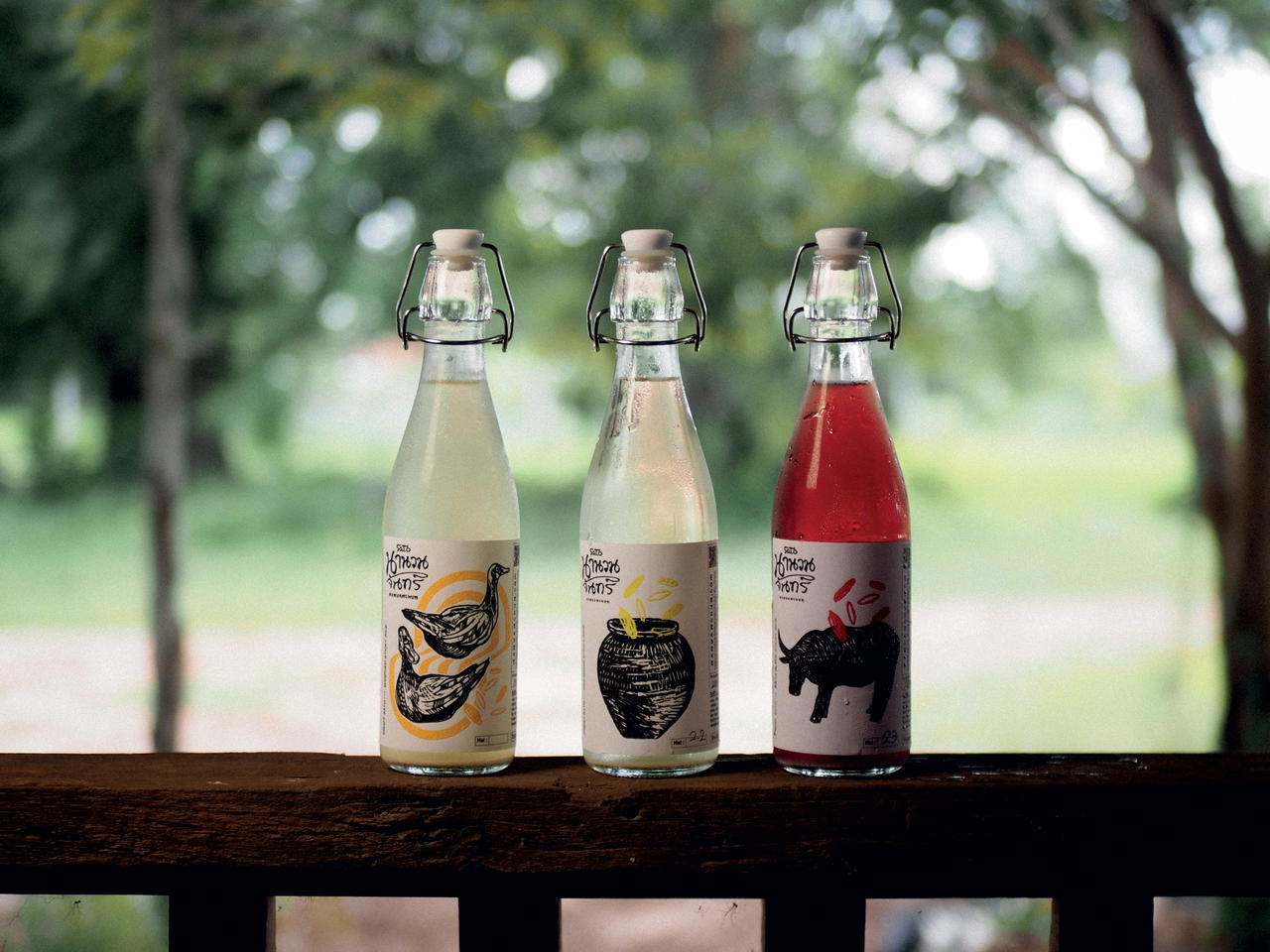
“Each batch reflects the character of that particular rice and season,” Pharuphon says. “I don’t want sato to be limited to a single flavour profile.” Nanuanchun offers several expressions of sato, including Fresh Sato Kaowong, made with native white sticky rice, and Fresh Sato Asita, made with black sticky rice. Both are also available as sparkling Pet-Nat versions. The character of the brewery’s sato varies with the rice variety, luk paeng, ingredient ratios, and fermentation time.
“When I first brought Nanuanchun to Samrub Samrub Thai, I felt a little nervous,” he says. “What surprised me was how closely the chefs engaged with it—the rice, the fermentation, and its cultural history. I realised that this drink didn’t need to become something else to be appreciated; it simply needed to be placed in a different context.”
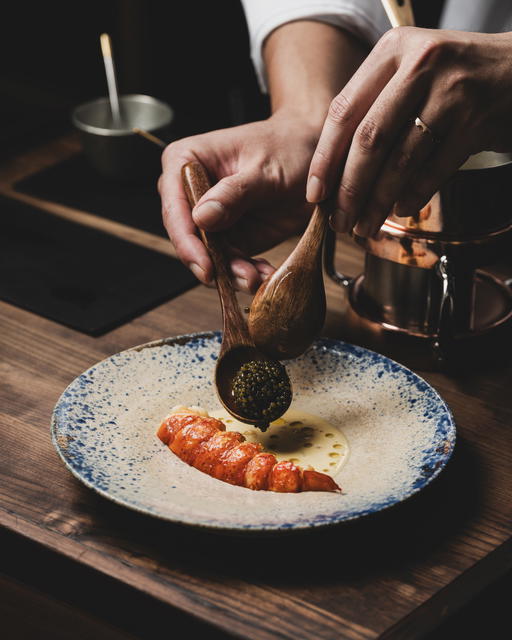
In the Thai capital’s fine-dining scene, sato is increasingly being served alongside tasting menus, where it is treated as a beverage with its own character and paired it with food rather than shown only as a traditional rice wine.
Others are pushing sato’s revival in various directions, exploring how different Thai rice varieties can shape the drink.
Growing tasting menus
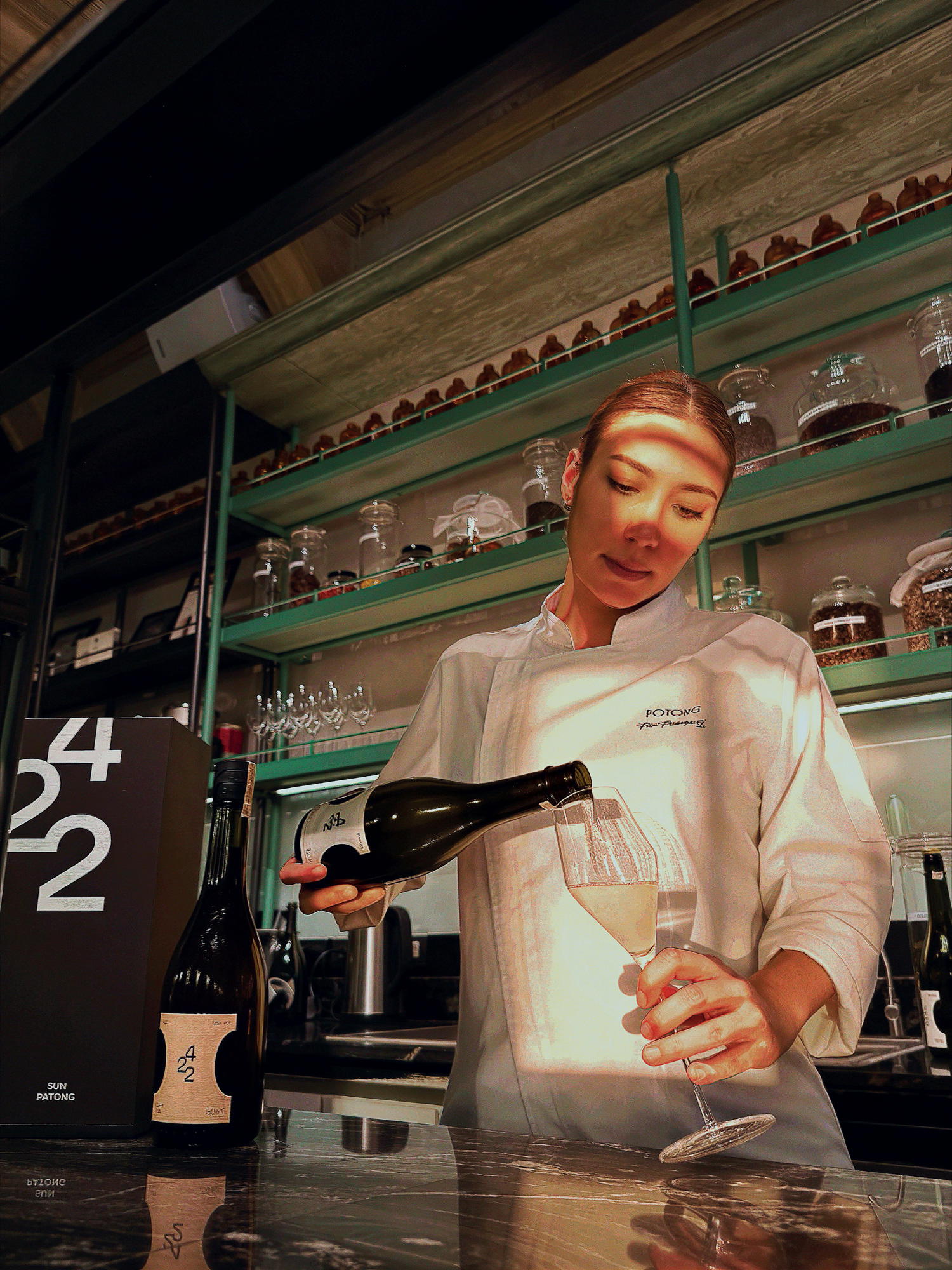
Chef Pichaya ‘Pam’ Soontornyanakij is advancing its exploration with her 422 Project. Named the World’s Best Female Chef in 2025, she experiments with sato using diverse Thai rice varieties, treating the grain as a defining part of the drink’s character. Her work adds another dimension to the revival—showing sato as a product of Thailand’s diverse rice culture, not just a traditional beverage.
Traditional sato used whatever rice was available locally. Sato 422 takes a deliberate approach, brewing individual varieties such as Khao Niew Luam Pua and San Pa Tong separately to illuminate how each shapes fermentation, texture, acidity and aroma. The aim is to highlight the character of the rice itself rather than blending grains into a single house style.
“We wanted to approach sato with the same respect given to wine,” she says. “Each rice variety is a defining part of the drink, not a backdrop. Rather than blending different grains into a single house style, we wanted to approach sato with the same respect given to wine.”
The project has grown into Still Rice, a brewery with two labels: 422, the premium range built around individual rice varieties, and Kwan Khao, the more experimental line exploring sparkling sato and other contemporary interpretations.
Soontornyanakij, of course, is careful about comparisons with sake or wine. “We never approached sato as something that should imitate wine or sake. It has its own identity, and we wanted to understand it on its own terms.” For her, that identity lies in the relationship between Thai rice, luk paeng and fermentation, creating a drink whose character shifts with the grain, the starter, and the method.
As sato finds a place on tasting menus, some bars are taking the revival further, treating it as an ingredient in contemporary drinks.
Into the cocktail glass
Amerigo Tito Sesti and Yoan Martin, co-chefs and owners of Electric Sheep in Talat Noi, are expanding the rice wine’s reach in Bangkok’s drinks culture.
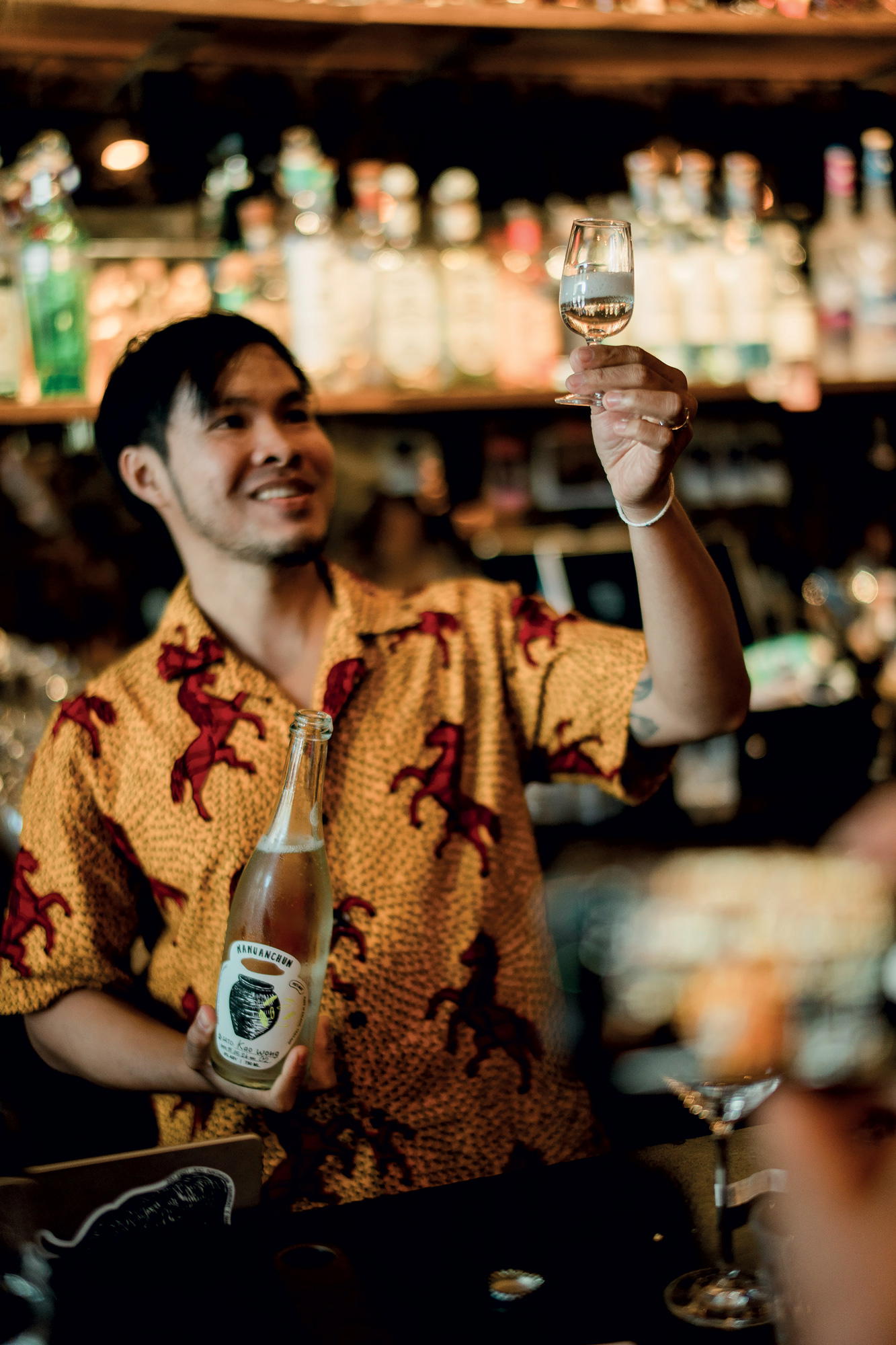
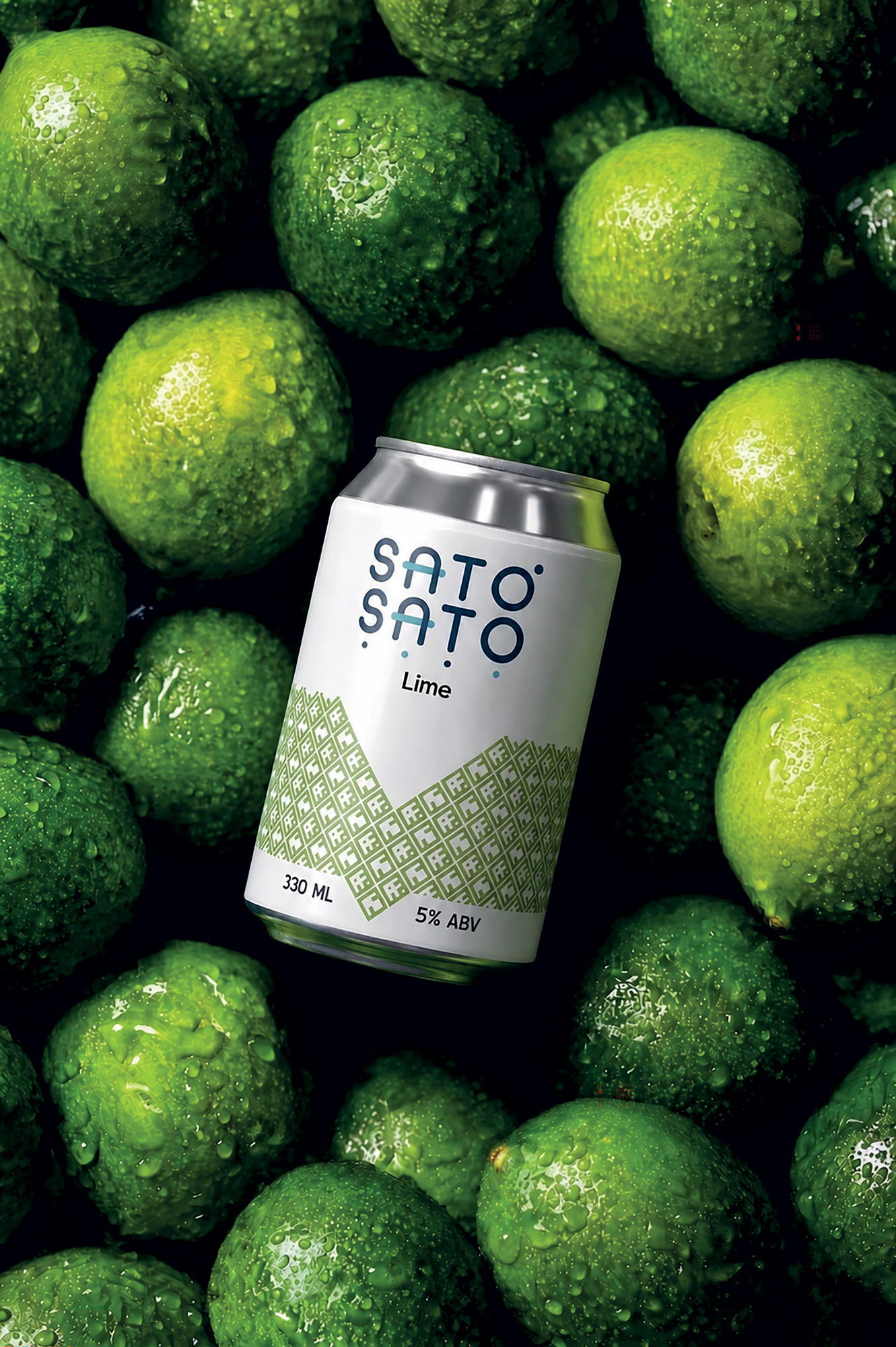
They work with producers like Sato and Devanom, serving it neat as well as spotlighting it in cocktails—and even in drinks like the Rachael, which blends Allure Rose Sato with Kilo Vodka and house-made strawberry cordial.
“Sometimes, it’s the backbone of the drink; other times, it adds depth or a savoury, fermented edge to a spirit-based creation,” Sesti says.
“We don’t over-process it or strip out what makes it distinctive just to make it ‘cleaner’. If a drink doesn’t still taste like sato—funky, alive, a little unpredictable—then we’ve failed,” Martin adds.
Historically, Thailand’s tight alcohol laws kept small-scale brewing out of the formal drinks industry. From the 1950s, home brewing without a licence was effectively illegal, keeping traditional drinks such as sato in home kitchens and village jars rather than on commercial shelves.
Rules relaxed in the early 2000s, with the government allowing small producers to legally make fermented and distilled alcohol in 2001. In 2003, the Thaksin government brought local liquor into the OTOP (one tambon, one product) scheme, giving communities a route to develop and sell products associated with their locality.
At that time, sato and its stronger, distilled cousin lao khao were associated largely with rural communities and closely linked to Isan, while more refined commercial spirits were accorded greater social status.
By the time Nanuanchun appeared on fine-dining menus, Pharuphon noticed a change in how his community talked about sato. A drink once seen as an ordinary local product was gaining recognition in the capital, bringing pride to the farmers and producers behind it.
Sato is also finding an audience beyond Thailand. A bottled version called Sip Song Sato, created by Sip Song Bar in Vienna, gained traction after debuting at Vienna Fashion Week in September 2024. The Department of International Trade Promotion is working to introduce it to Poland through Thai restaurants and business-matching events in Warsaw and Krakow, part of a broader effort to use Thai food and drink as soft power across the EU.
In New York, Soothr in Long Island City has a dedicated Sato Room serving house infusions alongside sake and shochu. In Seattle, Khamphone Jot Voraphaychith runs Village Ghost, a sato brewery producing a longer-fermented version reaching about 14 percent alcohol.
The challenge is making sato consistent enough for a wider market without losing what makes it distinctive. Soontornyanakij believes the key is not to reshape it for an international audience, but to elevate its quality while remaining rooted in Thai ingredients, fermentation, and food culture.
“Hopefully, moving it into fine dining doesn’t change what sato is; it simply allows more people to discover and appreciate something that has always been part of Thai culture,” she adds.
She hopes sato can follow the path of other traditional fermented drinks such as sake, soju, and makgeolli—gaining international recognition without mimicking those categories.
“Thailand has its own ingredients, fermentation traditions, and food culture. Sato should be proud of that identity rather than trying to imitate another beverage. If we continue to improve quality while respecting its heritage, sato can eventually stand alongside the world’s great traditional fermented beverages on its own merits.”