Most entrepreneurs have experienced that dreaded moment when their product—and their once-indomitable confidence—crumbled.
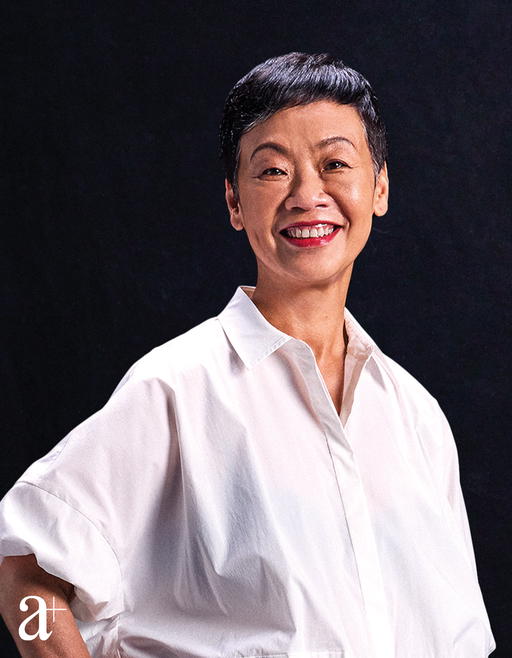
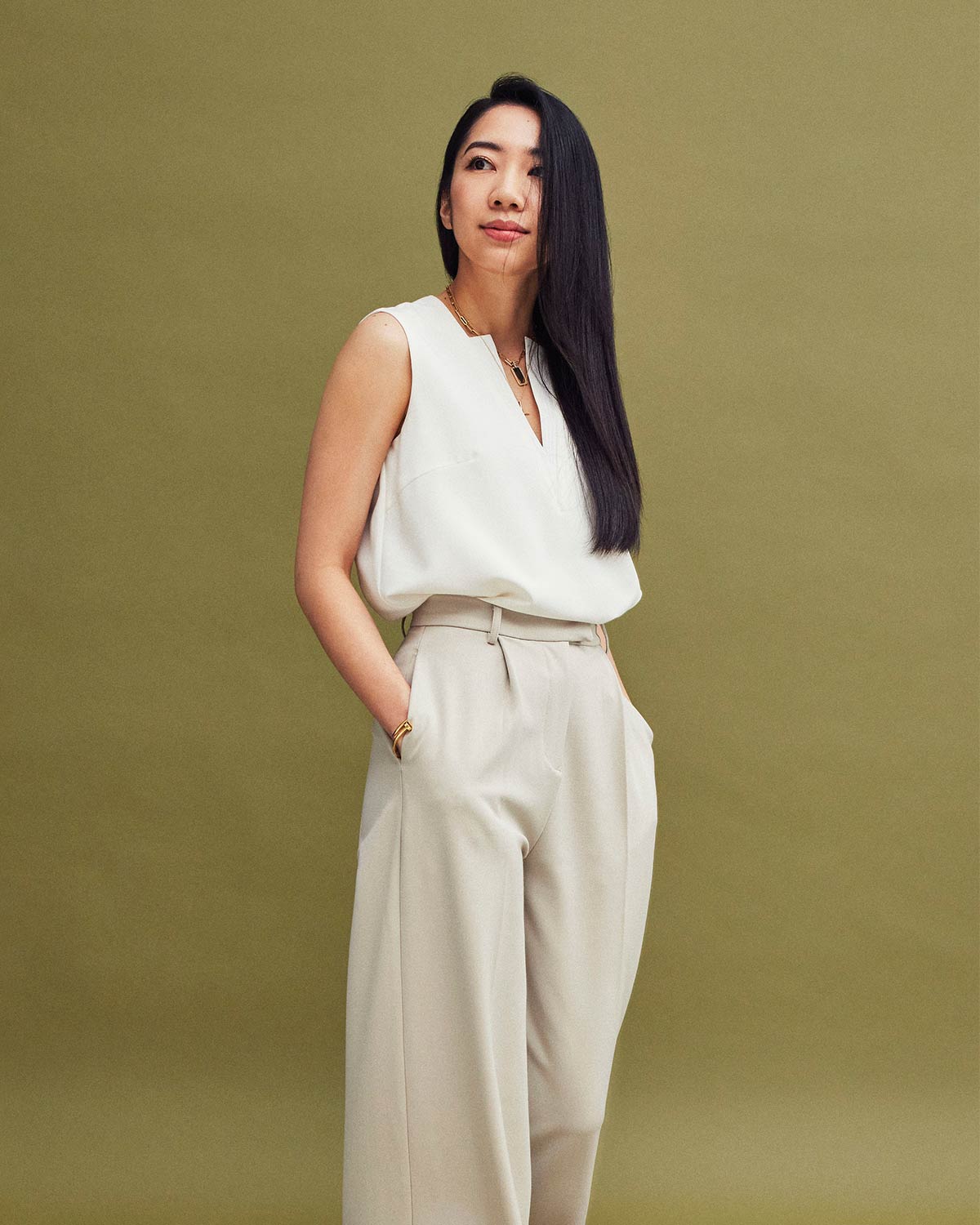
It happened to Wu Kailing when she received the first batch of stock samples for her clothing brand, The Form. “I was in shock, thinking, ‘What on earth are these things?’ I would never in a million years wear them!’ I sat down, crying and wondering what I did wrong.”
Wu, however, didn’t wallow long in self-pity before she forged ahead to give the fashion world what it sorely needs: less.
The Form promotes slow fashion by offering women capsule collections that fly in the face of trendy, frequently replaced clothing. Despite having a closet filled with clothes, Wu felt like she had nothing to wear, which led to her passion-turned-mission. “I kept reaching for the same things. Over time, these pieces would fall apart,” she recalls.
“I am thrilled when people tell me they only wear The Form now. If Uniqlo is what people think of when they want everyday basics, I want The Form to be at the top of their minds for elevated classics.”
Wu Kailing reflects on The Form’s growth
This propelled her to start her brand of womenswear in 2018, which she would sell online and at pop-up fashion events. In speaking with customers, she found that they were moving away from fast fashion and embracing a more conscious shopping approach as well.
Within two years of founding The Form, demand was promising enough for Wu to take the plunge and leave her day job at Cartier to focus on her business full-time. From pop-up events, she moved on to a six-month lease at Funan, which fortuitously ended just before the 2020 circuit breaker period. Wu opened The Form’s first permanent retail space at Raffles City Singapore in December 2022 after the pandemic boosted its e-commerce business.
Thankful her company allowed her to pursue a side gig, Wu was determined to give both her all. “From 6pm until two or three in the morning, I worked on The Form. I was often sick because I was sleeping only two or three hours a day.”
She had help along the way. Wu’s mother, who had dressmaking knowledge, taught her how to communicate what she needed to the suppliers.
When the time came to renovate her first store, she faced many challenges because “you don’t know what you don’t know”, so she turned to her engineer aunt for guidance. “In the beginning, I didn’t want to ask for help because I felt it was my journey, and I shouldn’t be burdening others with my problems. But I realised that if I didn’t start asking, I would struggle.”
Even so, her dedication to going it alone manifests in every other area of the business, with the exception of a small retail team at the store. She manages marketing, design, production, deliveries, human resources, accounting, and stock replenishments. She also models the clothes on the brand’s social media platforms. “People think starting your own business means having control over your time, but it’s the opposite,” she says.
She hopes to expand the backend team to focus more on production in the coming year. She describes The Form’s style as having “a clean silhouette with a touch of something extra”. That can appear as rippling gathers on drape-neck tops or ribbon-tied sleeves on blouses.
Wu designs four to five major collections a year and splits each into smaller drops. Another testament to her strict quality control is that none of the pieces she has worn since the brand’s founding have deteriorated. Eventually, she hopes to have more physical stores here and is eyeing the US for overseas expansion. “I am thrilled when people tell me they only wear The Form now,” she says. “If Uniqlo is what people think of when they want everyday basics, I want The Form to be at the top of their minds for elevated classics.”
Photography: Mun Kong
Art Direction & Styling: Chia Wei Choong
Hair: Aung Apichai, using Kevin.Murphy
Makeup: Keith Bryant Lee, using Shiseido
Photography Assistant: Alfred Phang