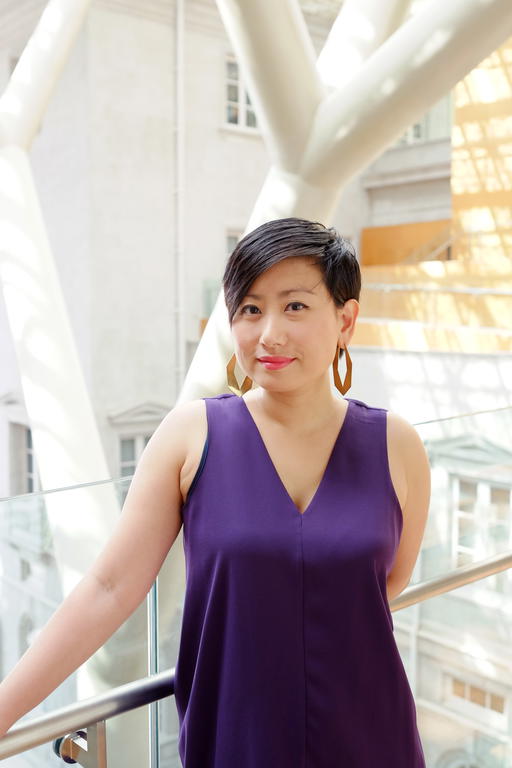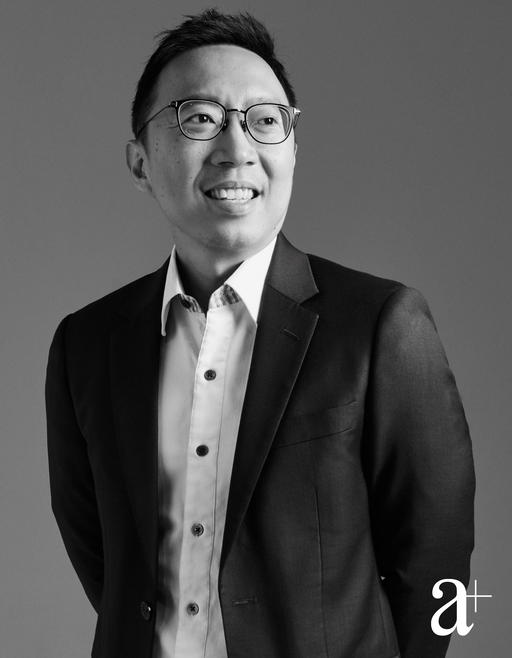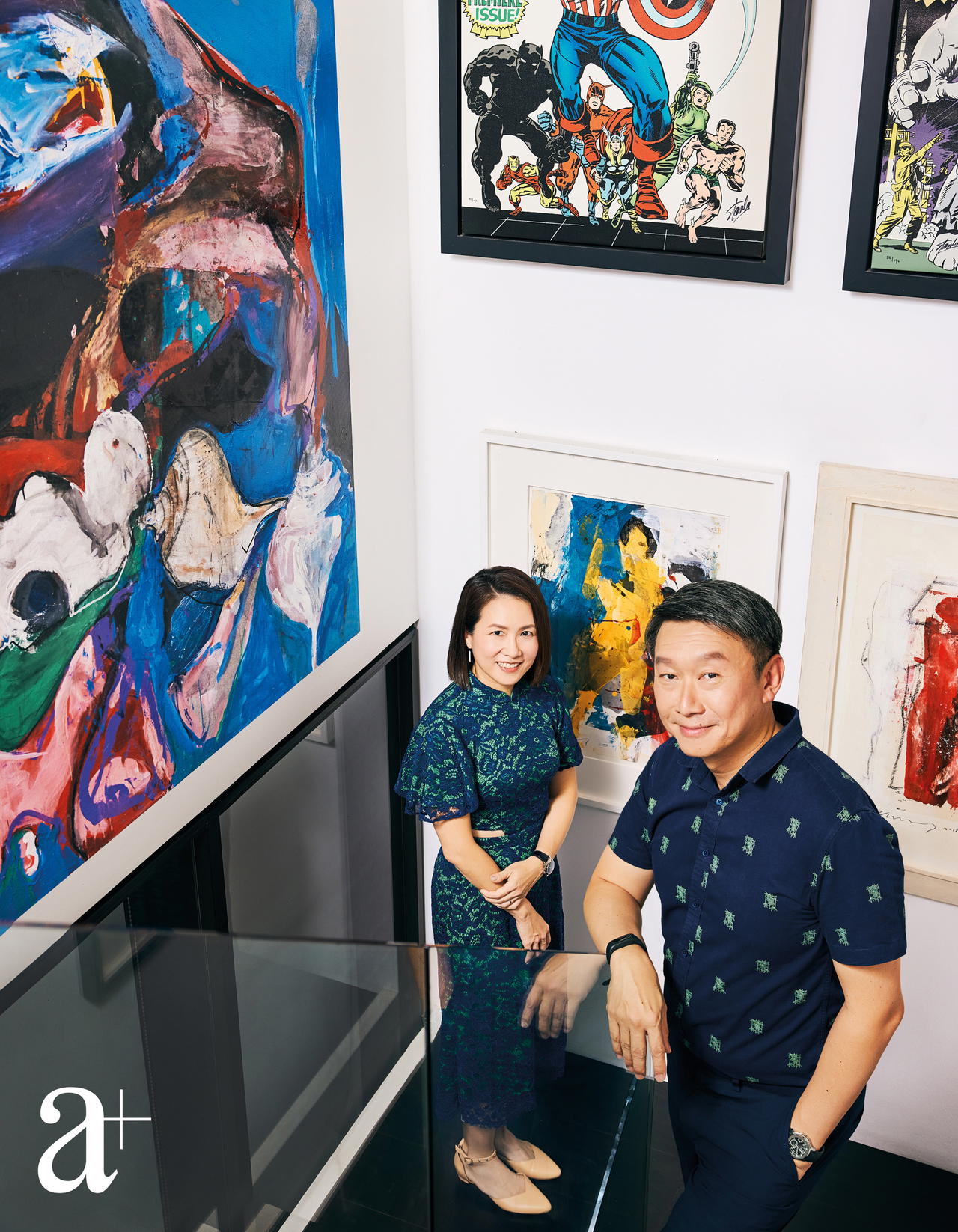
For this powerhouse lawyer couple, art represents connection, history, and a sense of place. Their collecting journey, which began in London, has evolved into something more than just admiration. Now, Paul and Lena Ng have become flag bearers of Singapore art.
Why do you buy what you buy?
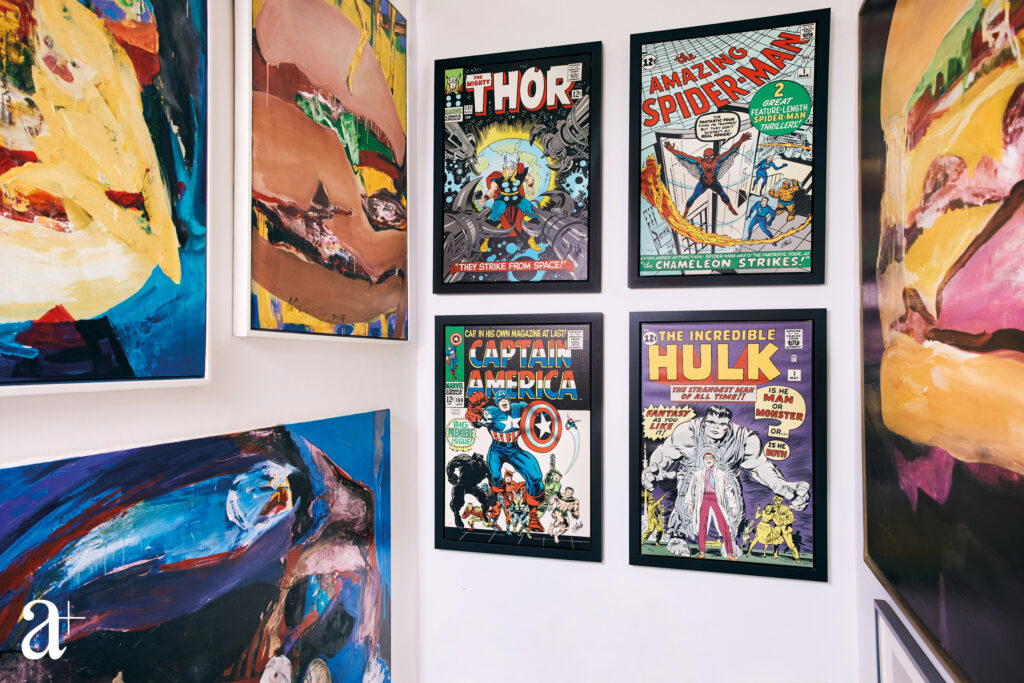
Lena: There must be something about the piece of art that attracts us. It could be the story of how we came across the piece, the experience of the purchase, or the artist. All too often buyers purchase art based on what others are collecting and for investment only. We do sometimes do that too, but we try to not to be swept up by temporary trends and fads and focus on the art itself. Not to compromise our artistic preferences, and to avoid arguments [laughs], Paul and I also collect our own separate pieces.
Paul: Collecting is human nature. In ancient times, when people had less and life was more uncertain, we still collected things. The search for meaning begins after we’ve taken care of our basic needs. Art helps you to find that. For some of the art we have, we don’t feel that we own it. We consider ourselves as custodians for the next person, so there’s a responsibility to take care of it. Like what we say or how we dress, our curation of art speaks about who we are. In recent times, we focus on collecting Singapore art, as we feel it connects us to the history of Singapore. I lived for over 20 years overseas, so art helps me to connect to our home after having been away for so long.
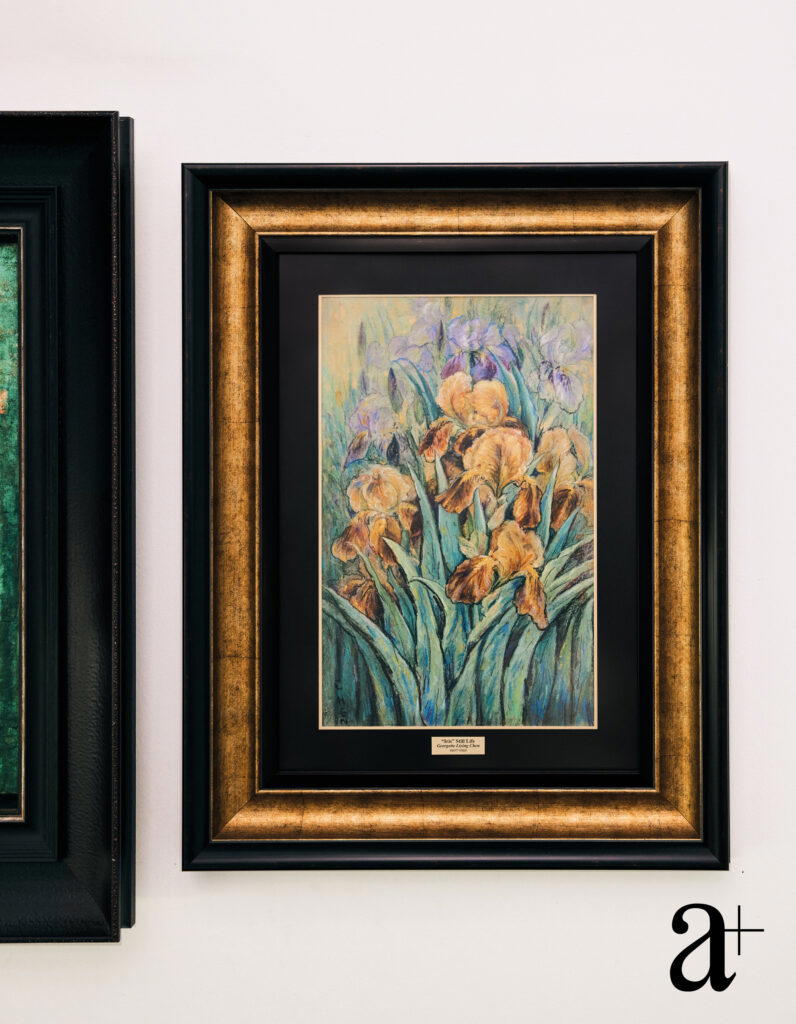
Photo: Zaphs Zhang/The Republic Studios
I love that. Tell me more about your support for the art scene in Singapore.
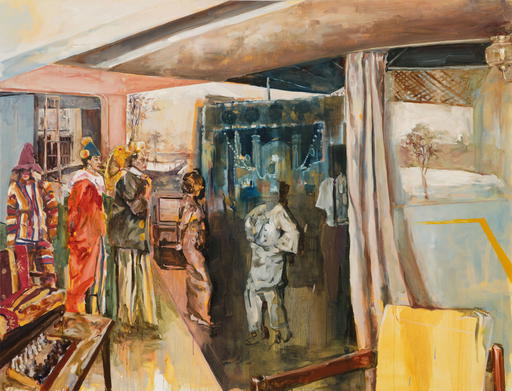
Lena: When we first returned to Singapore in 2009, we didn’t know much about the art scene in the city. Over time, we realised that there are Singaporean artists whom we didn’t learn about in school, but who are meaningful to the country’s history. We collect the old masters like Chen Wen Hsi, whose art sits on the back of our $50 note. The other is Cheong Soo Pieng.
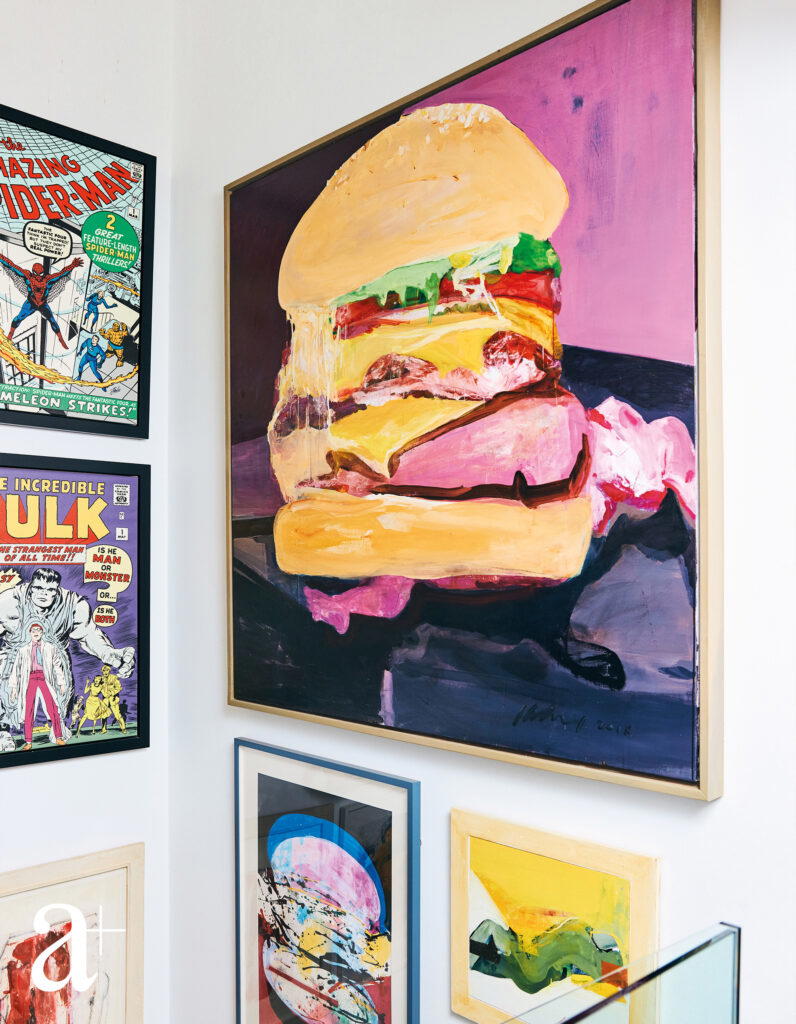
We also love second-generation artists such as Wong Keen, whose life story of how he left Singapore in the early ’60s to grow as an artist in New York resonated with us.
Besides visual art, we also support performance art. For Singapore Ballet, Paul sits on the board and we are both on the Ambassadors’ Council. It marries his love for still art with the performing arts, having himself been a competitive Latin dancer in his younger days.
You mentioned being a custodian of art. What does that mean to you?
Paul: So, at first, you just buy art randomly, at an auction or from a gallery. There is no shortage of people trying to help you buy art [laughs]. We find great enjoyment in meeting collectors with similar interests.
One of our art friends is Koh Seow Chuan. I believe he will go down in history as arguably one of Singapore’s most important collectors. He was the first chairman of National Gallery Singapore, which has a section named after him! We’ve had the privilege of talking with him and his wife Wen Gin about collecting and have benefited from his deep and thoughtful insights on making art collecting a life-long pursuit. That is something we resonate with. The next stage for us will be to select one artist and collect them more academically, meaning to have a collection that shows the evolution of their work over a lifetime. It’ll most definitely be a Singapore artist.
What drives you to collect art?
Paul: For Singapore art to thrive, there needs to be collectors. If you look at first-world cities like Korea, Japan, and Taiwan, Singapore is far behind when it comes to the number and quality of private collectors.
There is the public sector, which includes national museums and ministry-led arts organisations, and then there is the private sector, including galleries, private museums, and private art organisations.
Generally, art has not been an essential part of everyday life for citizens. My mother still asks me, “Why are you buying art?”
We feel that we also perform a function. For example, if there are no collectors, there would be no galleries, and if there are no galleries, it would be difficult for Singaporeans to pursue art as a living. One would need to rely on government mandates and there’s only so much they can do.
That’s why we support art schools, private museums, and meaningful art movements in Singapore.
Do you remember the first artwork you bought?
Paul: It was a widely celebrated series called ‘The Souls’ by Damien Hirst. We’d bought decorative pieces for the house before this, but this was the first artwork we invested in.
Lena: It was also perfect because we could buy one piece for each of our children. We’ve run out of walls, so they’re in storage.