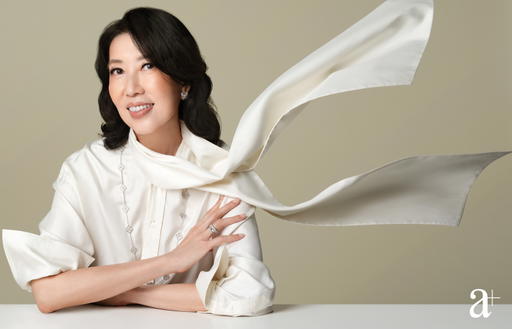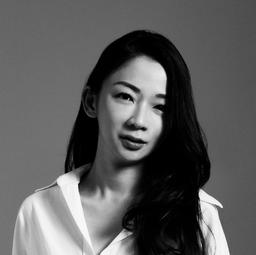
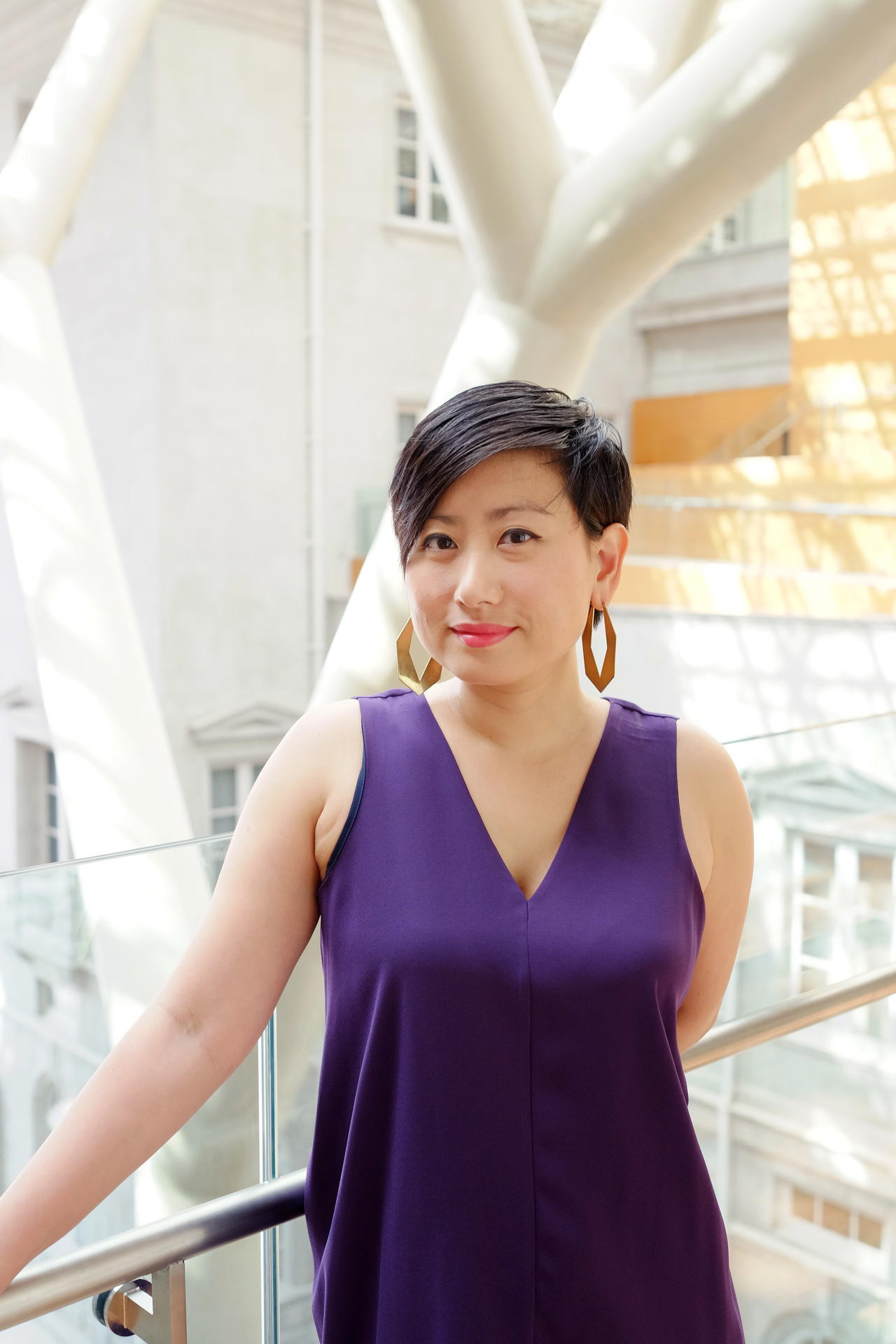
It is a misconception that curators spend most of their time sourcing artwork. In truth, a large portion of their job involves carrying out rigorous research, writing, making conservation decisions, and crafting narratives that meaningfully engage audiences, says Dr Adele Tan, Senior Curator and Assistant Director (Curatorial Programmes) at National Gallery Singapore.
It is also a mistaken belief that curators only focus on individual pieces. To create a coherent and insightful visitor experience, they also consider broader dialogues, artistfocused clusters, as well as exhibition space and design, she adds.
After earning a master’s and PhD in art history from London’s Courtauld Institute of Art, Tan joined the museum’s curatorial staff in 2010 and assumed her current position in 2018. Although curatorial work is rooted in rigorous research and writing, a senior curator also serves as an administrator, so her job scope includes growing relationships with stakeholders, apportioning budgets, planning event calendars, and allocating human resources at a more meta level, she explains.
Home to more than 9,000 items, the National Gallery Singapore is the world’s largest public collection of modern Southeast Asian art. In addition to overseeing the recent curatorial revamp of the DBS Singapore Gallery, Tan and her team curated more than 400 artworks for its new exhibition, “Singapore Stories: Pathways and Detours in Art”. It was developed to commemorate both the museum’s 10th anniversary and Singapore’s 60th year of independence.
She reveals that ‘Gibbons’ (1977) by Chen Wen Hsi was chosen as the centrepiece of the DBS Singapore Gallery 1 for two reasons. First, it was the largest ink painting made by the pioneering Chinese-born Singaporean artist, who died in 1991.
Second, it captures the subject he was most celebrated for. As such, Tan and her colleagues pushed for its conservation despite the piece’s embrittlement, stains, and tears after years of display at the former CPF Building. “It not only embodies his artistic mastery, but also the bold and innovative spirit of Singapore’s artists from that era,” she points out.
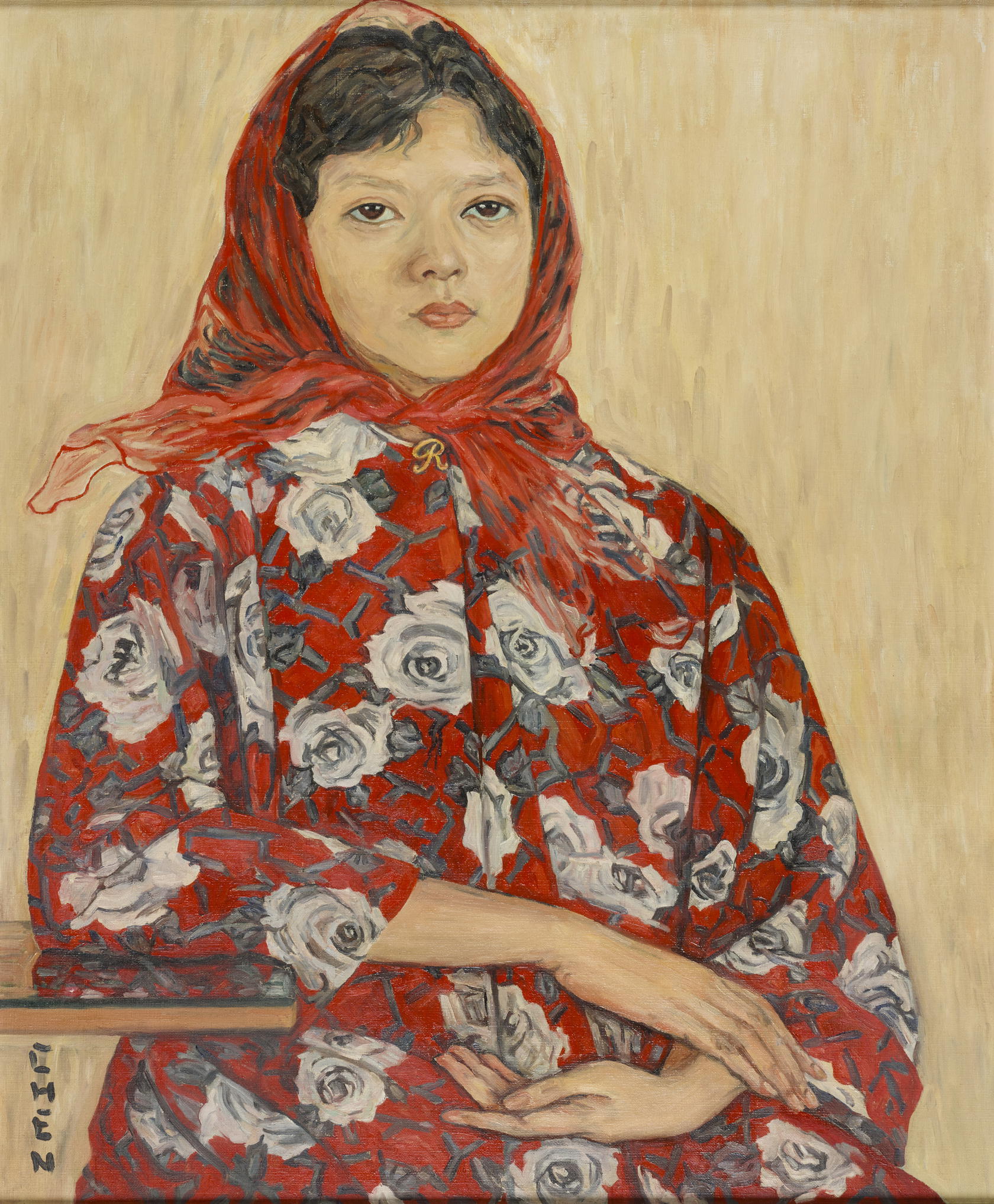
Another highlight of “Singapore Stories” is ‘Rohani’ (1963) by Georgette Chen, who died in 1993. A portrait the Singaporean painter made of a student when she taught at the Nanyang Academy of Fine Arts, its inclusion emphasises her numerous contributions as both an artist and educator. Chen was also once the teacher of prominent local sculptor Ng Eng Teng.
The only SG60 programme dedicated to Singapore’s art history, “Singapore Stories” shines a spotlight on the way artists have shaped our cultural landscape and engaged with questions around identity, community, and belonging.
Tan reckons that the exhibition facilitates a “detour in art” as it speaks to artists’ alternative pathways, experiments, and unexpected creative journeys. Simply put, it allows us to understand Singapore’s artistic heritage through a new lens.
It helps that audiences are now ready to move beyond linear narratives in art, she avers. “Unlike a linear narrative that presents history as a single, chronological story, a non-linear approach allows for overlaps, divergences, and returns, which more accurately reflects how artists have worked and responded to their times.”
But her endeavours have not been without challenges. Curating “Singapore Stories”, for instance, was a particularly arduous task as she wanted to capture the depth and complexity of Singapore’s art history. For this reason, selecting the works required careful engagement with diverse materials, archives, and viewpoints.
She also faces the ongoing challenge of balancing her curatorial work with her personal life. Because curators tend to be “deeply immersed in their profession”, as she puts it, she often finds it difficult to draw a line between work and passion. “When I visit exhibitions, write, or research, I am driven by a genuine desire to understand artists and their works rather than an obligation.”
Despite our small market, there are advantages to engaging in art in Singapore, she says. Thanks to our role as a hub for knowledge sharing and building networks across Southeast Asia, curators have access to not only a regional artistic community, but also opportunities to collaborate on sourcing, research exchange, and exhibitions and scholarship connections.
“The way artists are treated and art is consumed in a country reflects, I would argue, its quality of life.”
Dr Adele Tan on art as a profound mirror of culture
When Tan isn’t picking out artworks, she also lectures at National University of Singapore on art history. She is of the opinion that the next generation of artists will only continue to push the proverbial envelope. “I’ve met many intelligent and spirited young people in my classrooms, and they want a change for the better, whether in terms of art, environment, or economics.
“Knowledge of one’s home base is always essential to understand how certain conditions have shaped the ways in which we express ourselves as an individual, a community, and a country.”