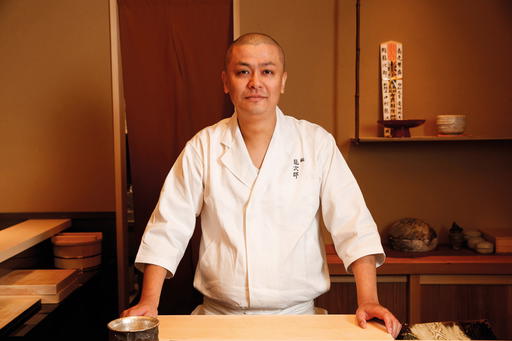
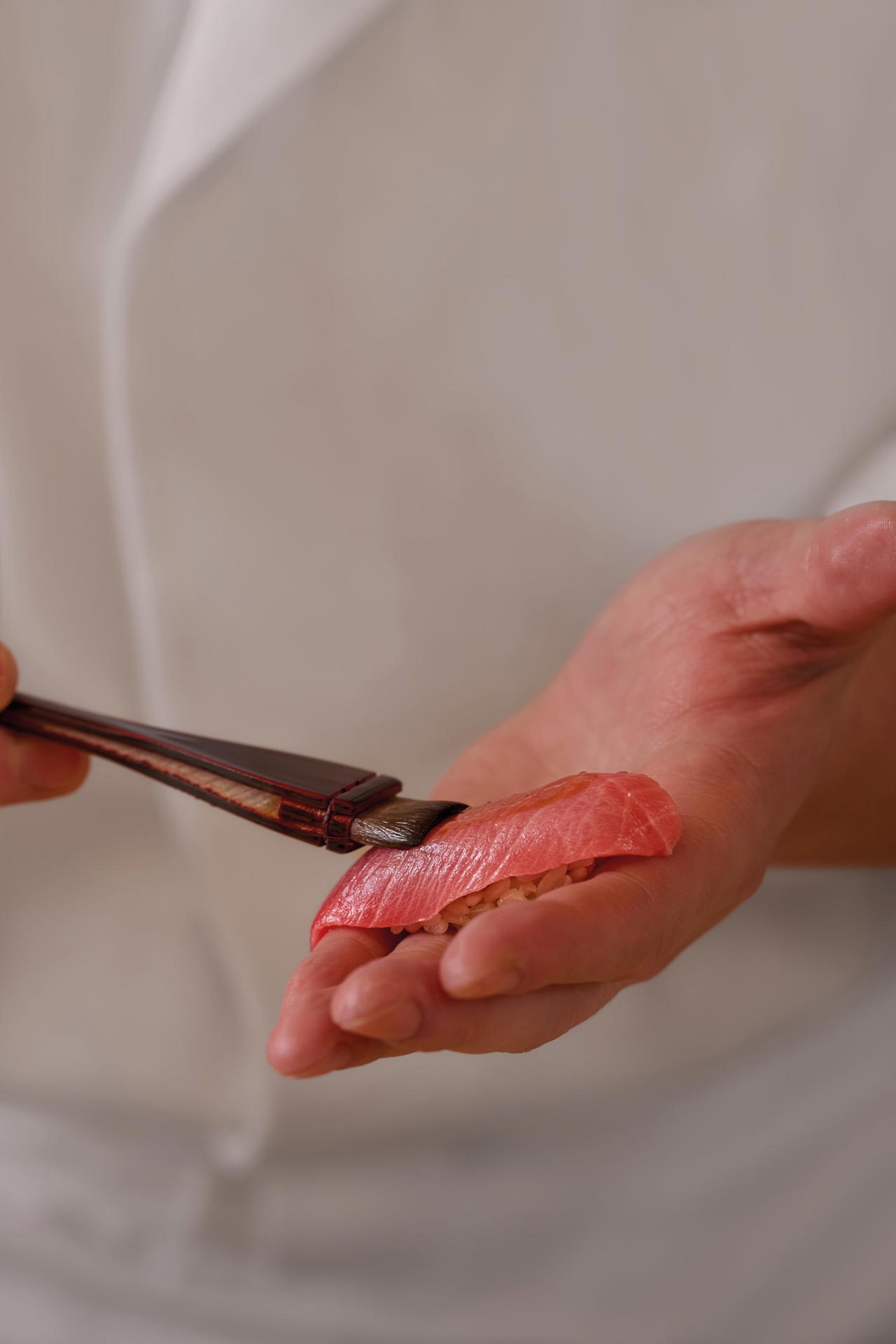
The first time I met Ryujiro Nakamura was when his one-Michelin-starred Sushi Ryujiro from Tokyo made its Singapore debut at Shaw Centre in partnership with Les Amis Group two years ago. Although the delicious opening course of chutoro sushi impressed me, the overall experience left me underwhelmed.
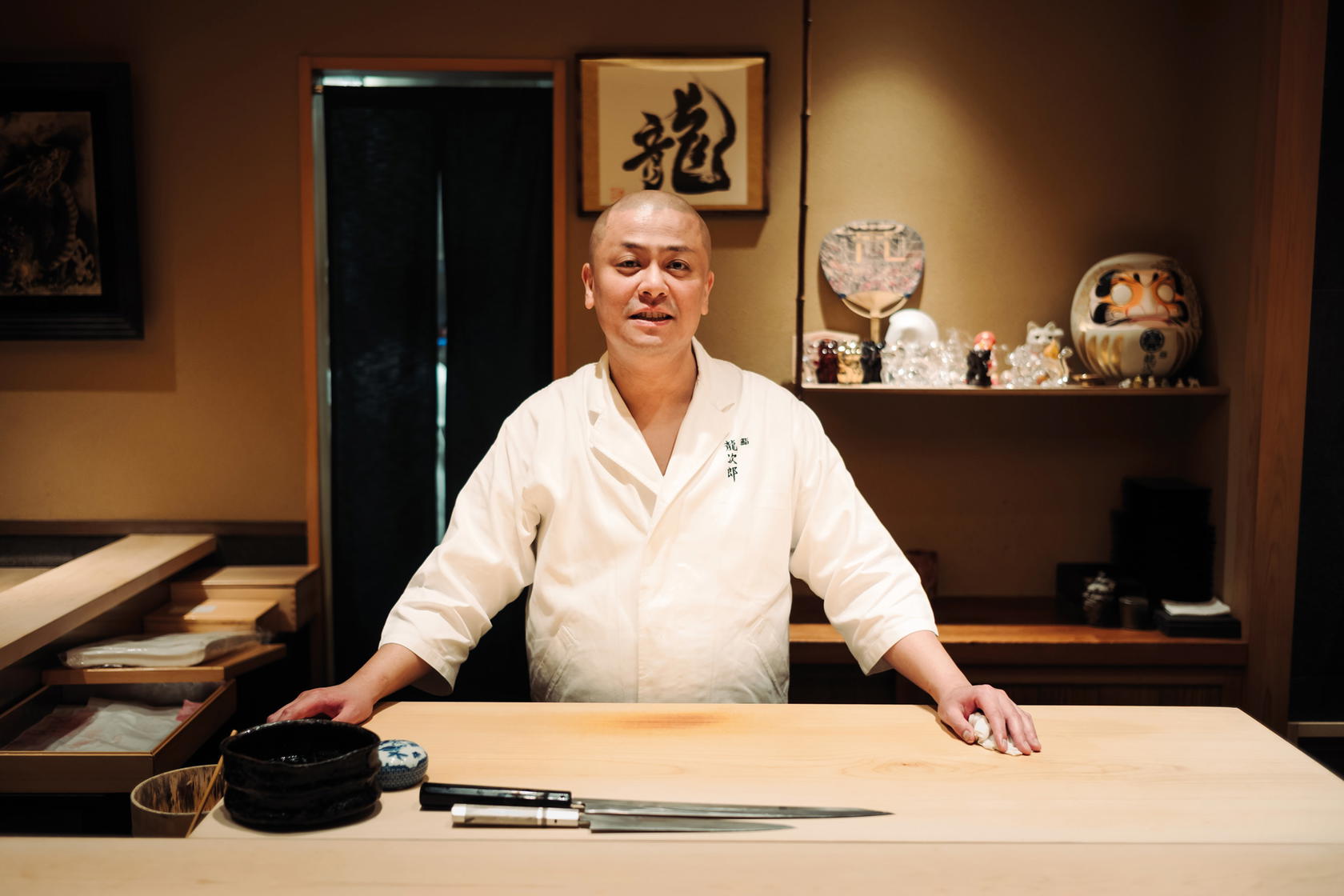
Now located at The Capitol Kempinski Hotel Singapore, Nakamura presents his most complete vision yet. “To me, complete means bringing together all aspects of the dining experience—from the fishermen who provide our seafood and other Japanese ingredients to the craftsmanship behind every dish—to create harmony and a lasting impression that our guests carry with them. Our Michelin-starred restaurant in Tokyo has always been about more than just food,” he explains.
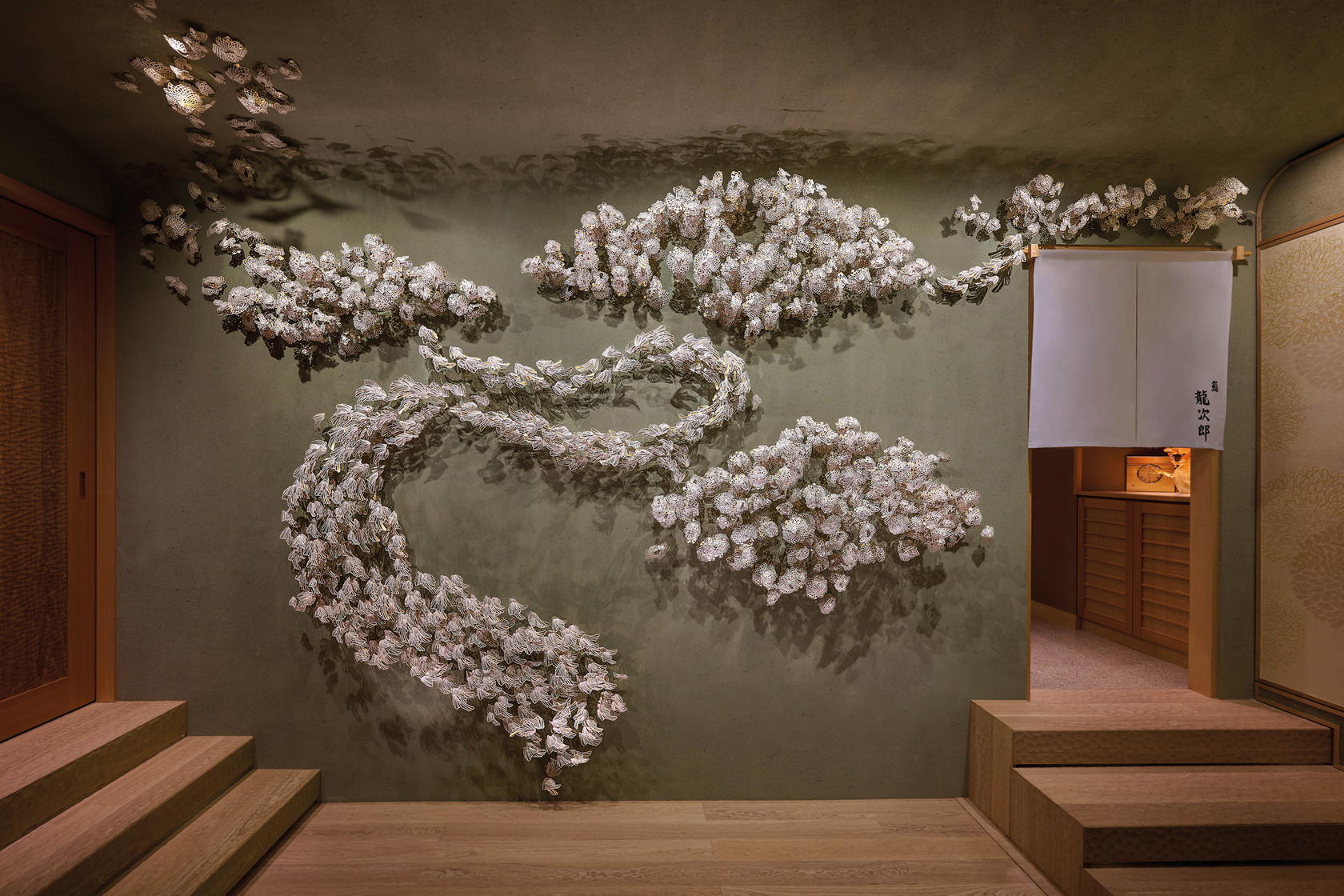
Under Nakamura’s direct guidance, the intimate 10-seat sushiya embodies every element of that philosophy. In the first minute of arrival, guests are greeted by a striking installation by Barcelona-based art studio Wanda Barcelona. Inspired by an abstract interpretation of Japanese pine trees and mythical dragon scales, the paper installation evokes the graceful movement of underwater life through a silent current flowing across the wall.
The hand-finished tsuchikabe walls, made of layered mixtures of mud, sand, chopped rice straw, and water, envelop the restaurant in a serene, tactile warmth that makes dining here feel both homely and elegant.
Seated at the hinoki counter, my lunch begins with five appetisers, each as delicate and pristine as the next. My Tomorokoshi arrives in an adorable vessel topped with a charming figurine. It awakens my palate with sweet corn puree, the salty richness of Royal Hybrid Oscietra caviar from China, and a wasabi-dashi jelly that adds the gentlest hint of heat.
Next is Mahata, a light, refreshing combination of sliced mahata (grouper) and Hokkaido hokkigai (surf clam), simply dressed with salt, wasabi, and soya sauce. I also sample Awabi, a dinner-only dish showcasing kuro-awabi, or black abalone, from Chiba Prefecture. Among Japan’s rarest and most prized abalone varieties, it is paired with an intensely umami-rich abalone liver sauce.
“Our steamed abalone is exceptionally large—far larger than what is commonly found even in Japan. Slow steaming brings out a wonderfully roasted aroma, while the tender yet pleasantly firm texture makes each bite deeply satisfying,” he shares.
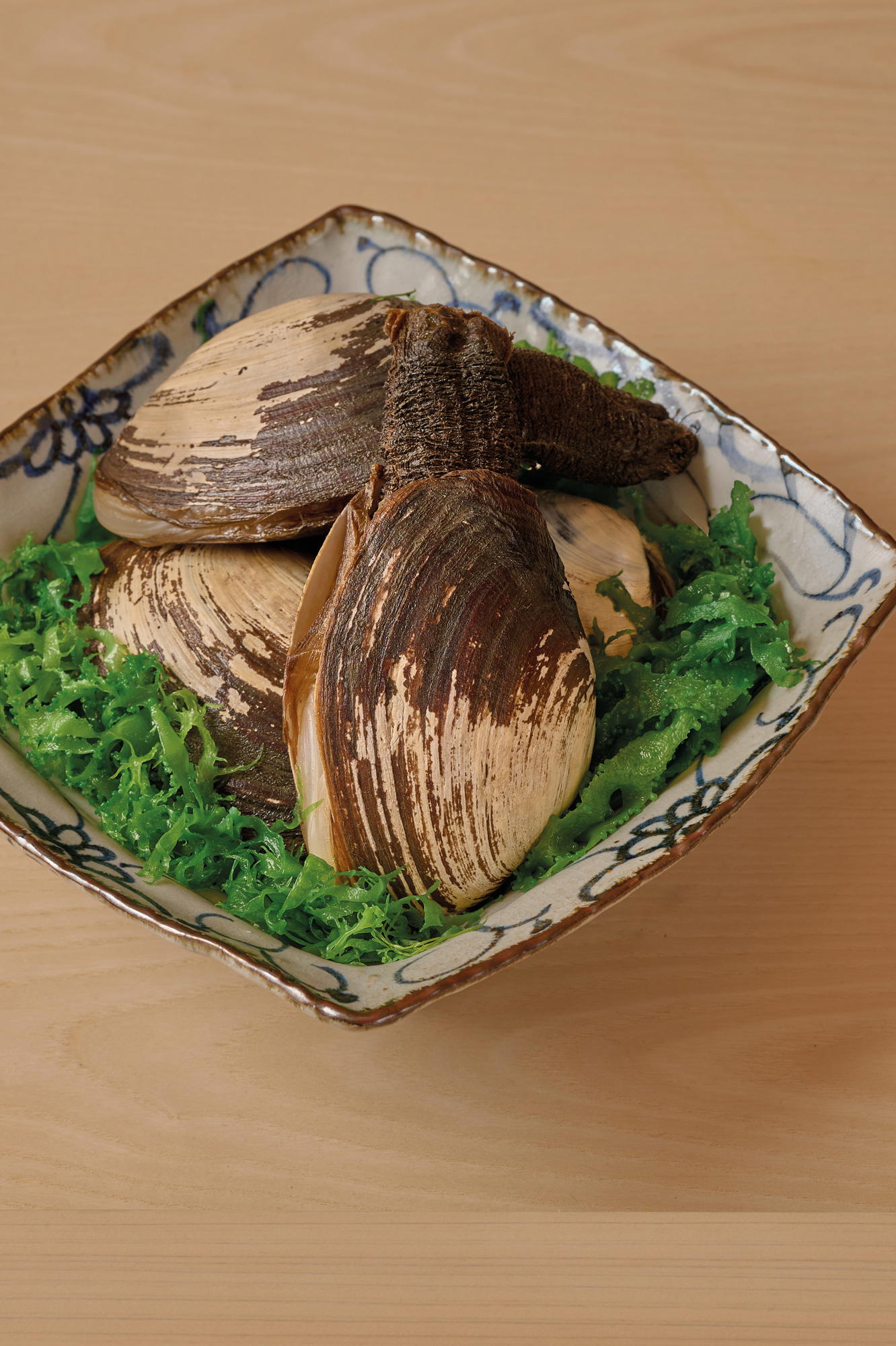
As Nakamura won’t be based in Singapore, his protege, Executive Chef Naruki Ikeda, who trained extensively at Sushi Ryujiro in Tokyo, leads the kitchen here. Fluent in English, he effortlessly explains the provenance of each ingredient and the techniques behind the dishes. This includes how the abalone liver is gently cooked with sake to achieve maximum tenderness.
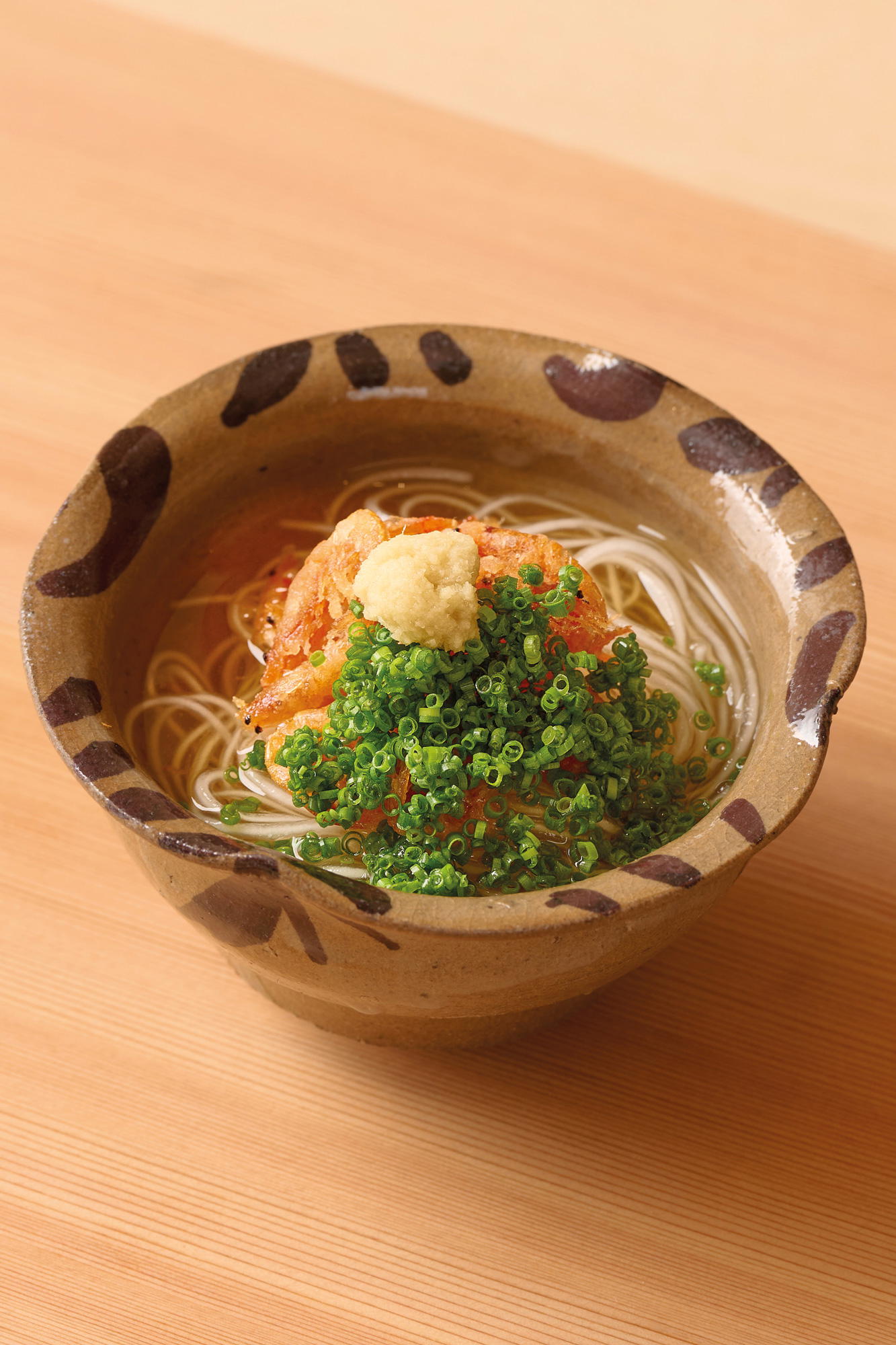
Somen, the final appetiser, combines Nara arrowroot somen with Shizuoka sakura ebi. The dish is particularly well suited to Singapore, according to Nakamura: “It offers a beautiful balance of roasted fragrance, rich umami, and refreshing lightness, creating an unforgettable seasonal experience.”
A seven-piece sushi course follows, beginning with botan ebi from Niigata. As the shrimp is marinated in kelp to firm its texture and remove excess moisture, its natural sweetness comes through beautifully.
Nodoguro (blackthroat seaperch) and the trio of akami, chutoro, and otoro, are among my favourites. Sourced from Ishikawa Prefecture along Japan’s Sea of Japan coast, nodoguro is celebrated for its rich, buttery flesh, delicate sweetness, and deep umami. Every bite is bright and balanced with yuzu zest and sudachi.
The tuna, sourced from Yamayuki, a global bluefin tuna wholesaler operating out of Tokyo’s Toyosu Market, is caught off Sakaiminato in Tottori Prefecture. While each cut has its own appeal, the Otoro stands out for its luxurious richness and buttery texture.
To Nakamura, exceptional sushi begins with the relationships behind every ingredient. It has taken him many years to earn the trust of independent fishermen from coastal communities across Japan, as well as producers and suppliers who entrust him with their finest seasonal catches and produce.
In this way, Sushi Ryujiro has access to exceptional seafood and ingredients rarely available conventionally. Four times a week, they are flown into Singapore.
“One example is the seasonal red uni from Fukui. Even in Japan, you cannot just request it. It depends entirely on the season and what is available in nature. We are privileged to be able to offer our Singapore guests something rarely available outside Japan whenever we have the chance,” he says.
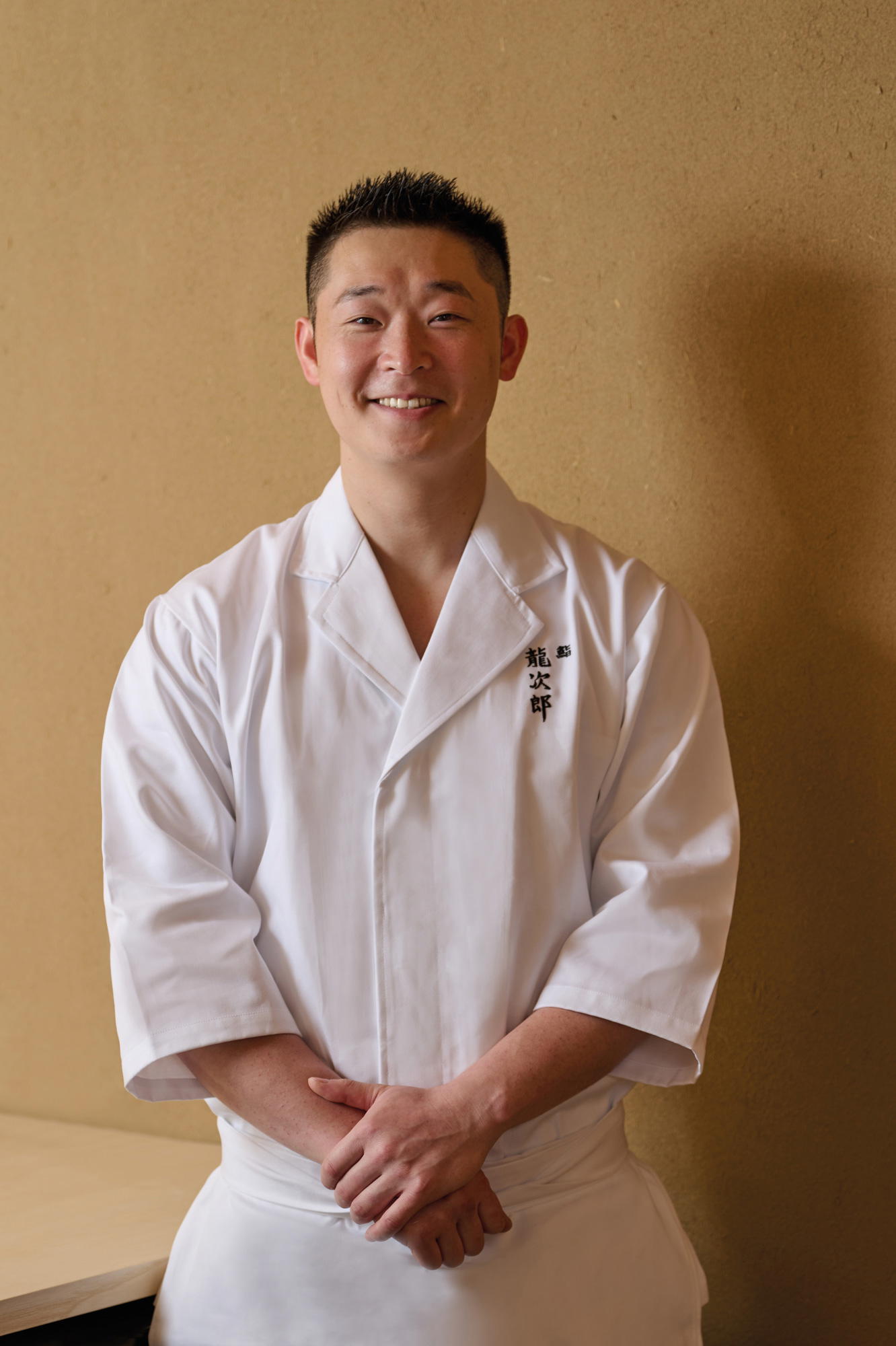
At the end of the day, Nakamura hopes every guest leaves feeling cared for. Besides the sushi, he wants them to remember the warmth and sincerity of Japanese hospitality. “Whether someone visits us in Tokyo or Singapore, I want them to feel the same sincerity and attention to detail. That consistency reflects who we are as Sushi Ryujiro.”
As the meal ends with a refreshing dessert of lightly poached Okayama peach, mint tea jelly, umeshu jelly, and Chantilly cream, I am already looking forward to my next visit. Sushi Ryujiro’s return feels like Nakamura’s long-held vision is finally being realised here—and it leaves a deeper, more lasting impression than when I first met him.