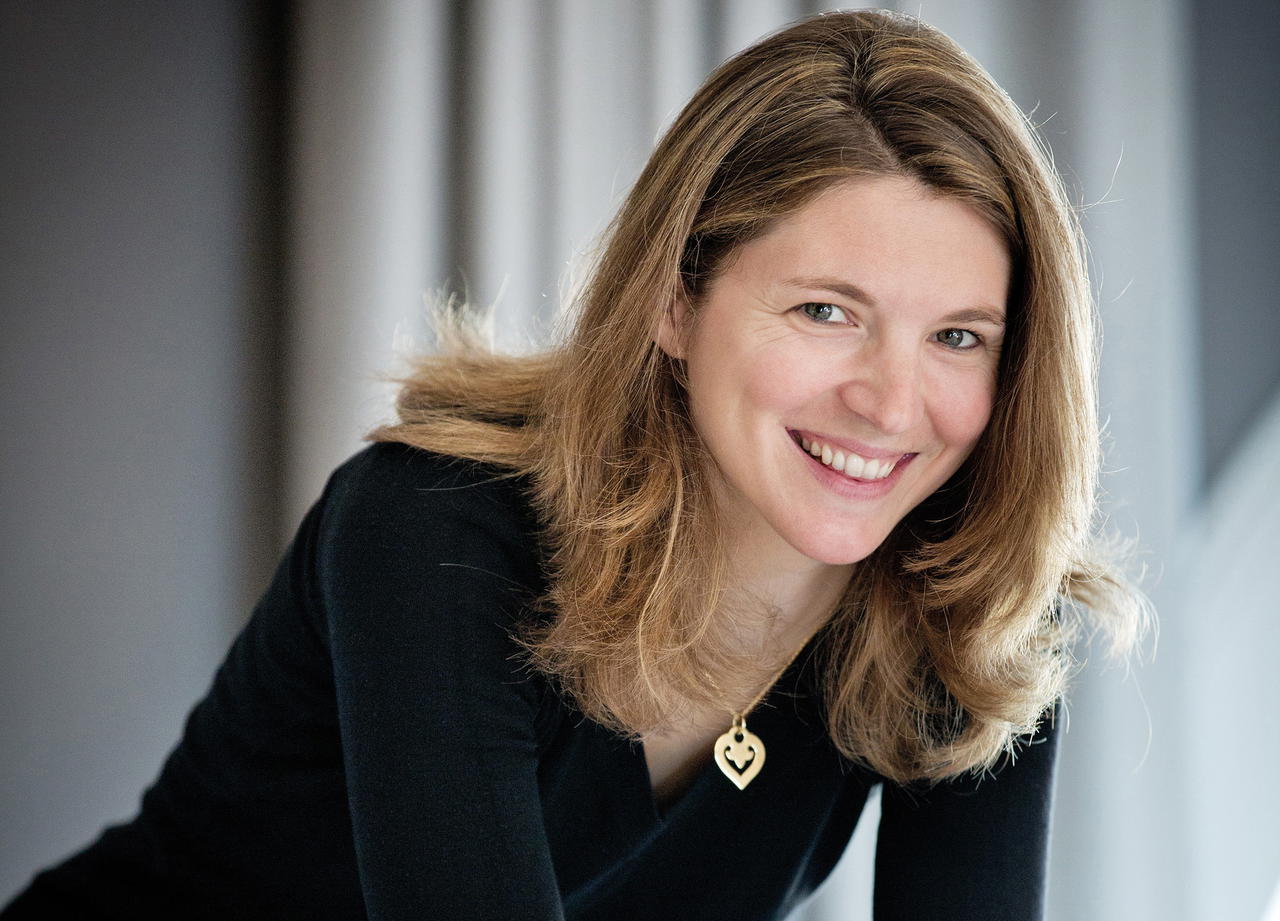
Stéphanie de Boüard-Rivoal’s path to becoming the President and CEO of Château Angélus was written in the stars, given her deep-rooted connection to the family business and the historic winery named after three local churches that simultaneously ring the Angelus Prayer three times a day.
From a young age, she knew she would one day take over from her father, Hubert de Boüard, who led the house for almost 30 years. Only the third woman to manage the estate since 1782, when her ancestor Jean de Boüard de Laforest, a King’s bodyguard, settled in the medieval village of Saint-Émilion, she left a private banking career in London at UBS then Pictet to perpetuate the Angelus legacy.
The challenge of running a family business in the competitive world of fine wine is no small feat, and de Boüard-Rivoal has had to work hard to stay independent despite increasing pressure from large corporate groups. After initially owning two percent, she gradually acquired more than 50 percent of the company by buying shares from family members who were eager to sell.
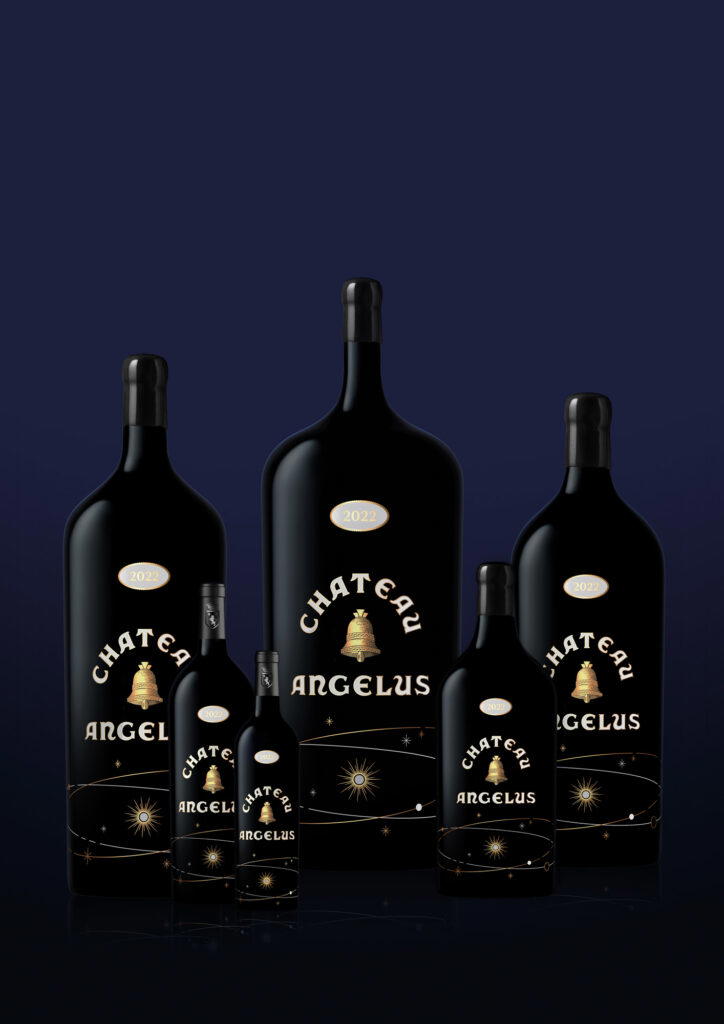
Under her guidance, it has grown into a premier wine estate, producing top-quality wines, including Château Angelus and Le Carillon d’Angelus, since 2012. As a result of the strategic initiatives she implemented, the vineyard grew from 35ha to 131ha, staff numbers from 24 to 180, and turnover from 15 million euros (S$21.2 million) to 25 million euros.
In addition, production increased from 100,000 to 400,000 bottles, notably after the Tempo d’Angelus cuvee was introduced. De Boüard-Rivoal’s accomplishments include diversifying beyond winemaking and entering the hospitality sector with the Michelin-starred restaurants, Logis de la Cadène in Saint-Émilion and Le Gabriel in Bordeaux, and the La Maison de la Cadène and L’Auberge de la Commanderie hotels.
A 9-ha farm in Saint-Loubès provides local produce to the restaurants and creates unique experiences that reflect the estate’s elegance and authenticity. In 2022, it ushered in a new era after a decade without concessions. Following in the footsteps of Cheval Blanc and Ausone, Château Angélus left the official Grand Cru classification of Saint-Émilion wine after 10 years at the top and achieving Premier Grand Cru Classe “A” status in 2012.
Having reached the peak of categorisation and striving to push boundaries even further, the winery focuses on producing the highest quality wines. Looking ahead, de Boüard-Rivoal aims to take the brand to new heights. The cosmos themed Le Majestueux 2022 is a turning point in its history.
A symbolic vintage representing energy, minerality, depth, and vivacity, it displays a rarely achieved balance and is the result of years of hard work and expertise, testifying to the ability of both the Angelus team and its vines to adapt to climate change.
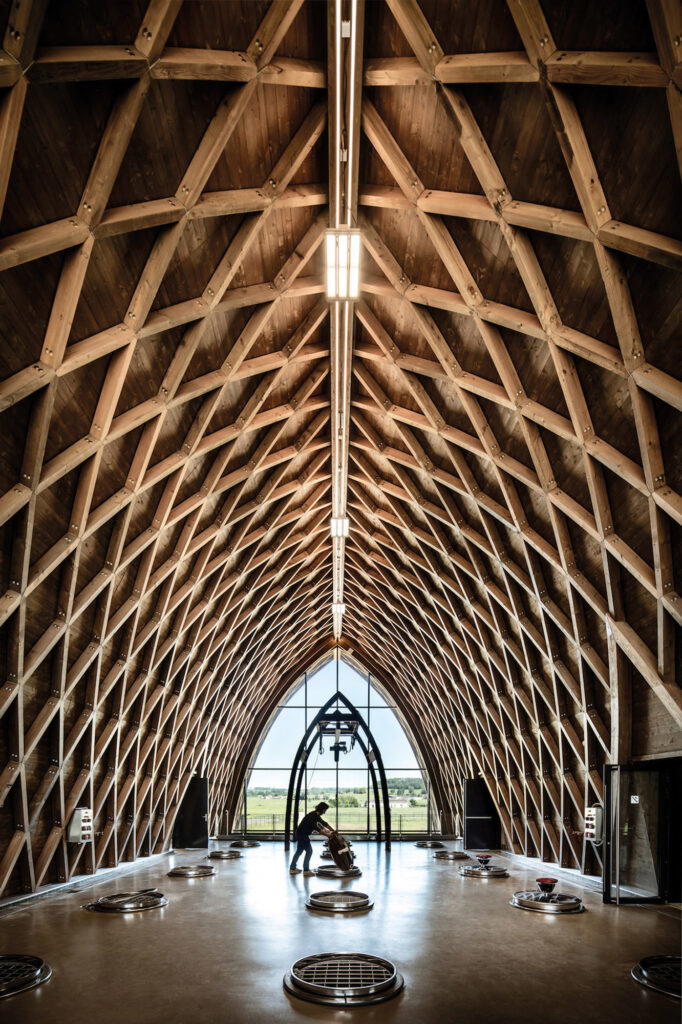
In addition to highlighting the pure and complex characteristics of cabernet franc, the estate’s signature grape, this release highlights the modern blend of tradition and innovation that defines the estate’s future. With its truncated cone-shaped vats suspended from the ceiling, it empties them by gravity without using pumps.
Dedicated to evolving the brand while staying true to the values that have sustained it for generations, de Boüard-Rivoal’s vision and commitment to excellence ensure Angelus will be a revered name in fine wine for centuries to come.
Can you describe the moment you knew you would join Château Angélus and continue the family legacy?
I knew very early on, when I was about seven or eight years old, that I was going to take over from my father. Although I did not know when or under what circumstances, I grew up with a kind of secret belief that I would eventually join the family business at Angelus and continue our legacy.
I did it because I truly believed it was the only way to keep Angelus in our family, since the estate might have been sold otherwise. When I arrived, we had almost 30 shareholders; now we only have nine. To consolidate the capital, I bought the shares from my brothers, sisters, and two cousins’ families. To make this possible, I took on a significant amount of debt.
What do you do to keep developing and evolving your wines for the current era while maintaining their essence?
If we work with what nature offers, then the winemaking will also reflect the sensitivity of the “conductor”. In this respect, our wines have evolved slightly over the years, gaining more “femininity”: more elegance, more freshness, and a more focused texture.
I say this with due humility as my goal is to maintain the quality of our greatest vintages: 1929, 1947, 1961, 1990, 2000, 2005, 2010, and 2022. However, it will be 40 to 50 years before we can fully assess the results of the vintages I am managing.
Over the past 12 years, what have you been most proud of as CEO of Château Angélus?
I am happy with the consolidation of the shareholding. Operationally, I am pleased with our progress. The estate has grown through an ambitious land acquisition strategy, and we have launched new cuvees such as Hommage a Elisabeth Bouchet, an ultra-premium, limited-production cabernet franc made only in exceptional vintages, as well as Tempo d’Angelus, which exemplifies Bordeaux’s ability to produce affordable wines.
There was also the establishment of a hospitality division, including hotels, three restaurants, and a farm between Bordeaux and Saint-Émilion.
“In this respect, our wines have evolved slightly during my tenure, gaining more ‘femininity’: more elegance, more freshness, and a more focused texture.”
STÉPHANIE DE BOÜARD-RIVOAL
What is the vision behind Château Angélus Le Majestueux 2022, and why is it significant for the brand?
In our history, this is a milestone. It is not just the best vintage ever produced but it also marks the end of an archaic, irrelevant classification system we are no longer bound by. It can be crude to classify excellence.
Would you compare Tan Swie Hian to Canaletto or Monet, for example? Or Tchaikovsky to Mozart or Handel? The artistic genius of these masters cannot be captured by such comparisons. It is the rewards we receive from our customers that matter most to us.
What are your plans for taking the brand to the next level in the coming years?
After a decade of significant internal and external growth, we are in the process of consolidating. We will always consider opportunities, but our main focus is to expand our distribution system, making it more selective, efficient, and larger.
As far as pure quality is concerned, we have reached our highest standards, so we strive to maintain the exceptional level of quality we have demonstrated over the past 40 years.