Ferragamo is synonymous with luxury leather products, specifically handcrafted leather shoes. But what about wines? No, not at all. Otherwise, Il Borro would be branded “Ferragamo Wines” instead.
This was a deliberate decision by Salvatore Ferragamo Jr., the eldest grandson of fashion magnate Salvatore Ferragamo, whose name he shares. “For Il Borro to succeed as a wine brand, it’s important to keep them separate,” he asserts to me during the interview.
“We do not put the name Ferragamo anywhere on the product because we want customers to enjoy the wine for its quality alone,” says Ferragamo Jr. He understands well that while wines with celebrity-like status might enjoy short-term success, true respect in the wine community comes from quality that speaks for itself.
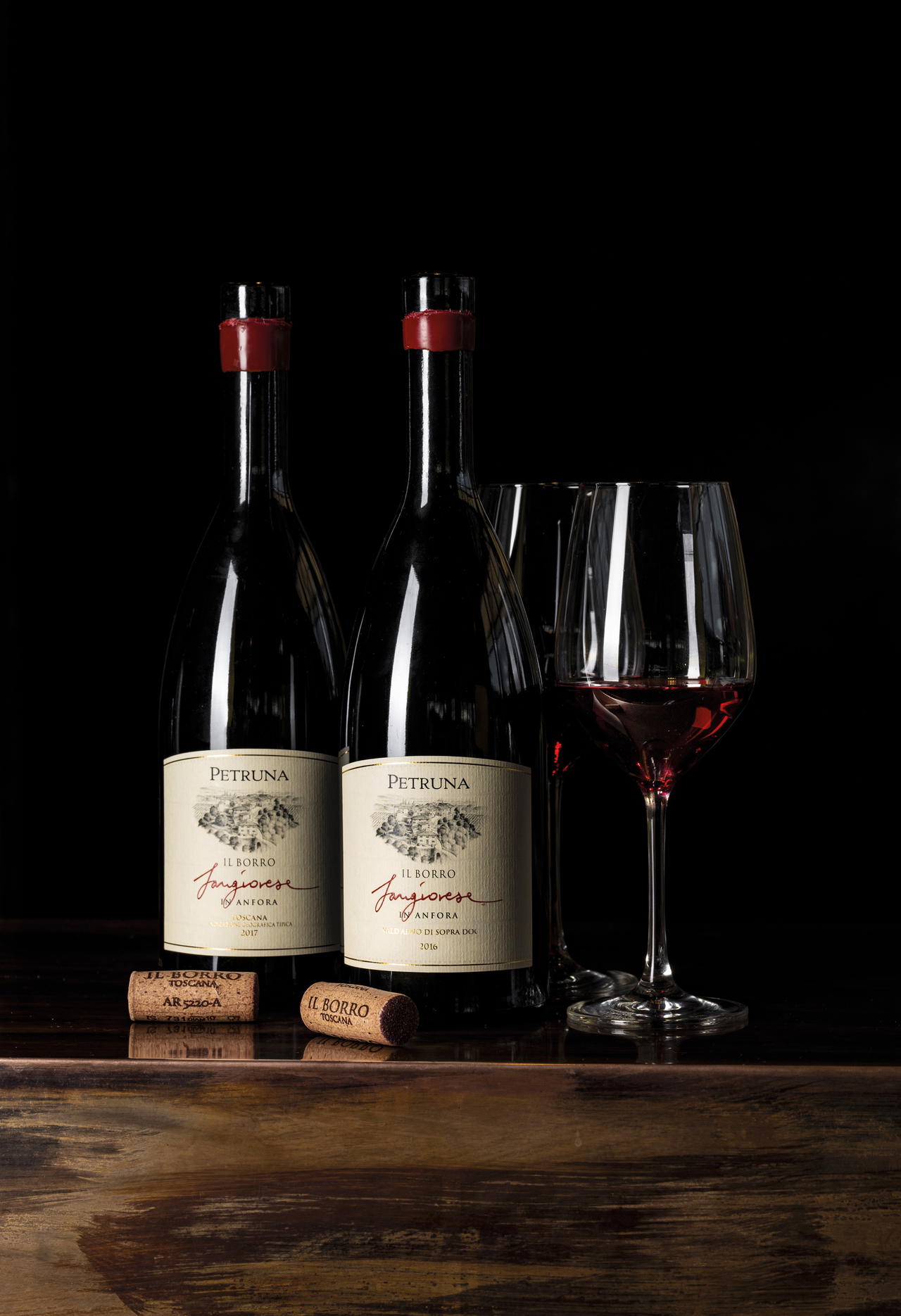
The strategy of keeping the domains separate has paid off since Il Borro wines are enjoyed by wine critics and consumers alike, and highly rated by the likes of James Suckling and Robert Parker. “The best compliment I have ever received was, ‘I did not know your family made these wines’,” he grins widely with clear pride.
While his twin brother James Ferragamo serves as Chief Transformation & Sustainability Officer at Salvatore Ferragamo Group, Ferragamo Jr. has chosen to contribute to his family’s legacy by spearheading Il Borro’s winemaking and hospitality initiatives. “I have a great desire to contribute to my family in new activities,” he reveals. “In my brother’s case, he is much more driven towards producing wonderful luxury products. I like to build things from zero and contribute to my family that way.”
Like the twins, Salvatore Ferragamo Group and Il Borro share many similarities—most importantly, their passion to maintain the highest standards of a continuing legacy.
Ferragamo Jr. acknowledges that “succession planning is always very complicated in any family”. He reveals the three aspects he believes crucial to navigating the complexity of a family business to sustain Il Borro for generations.
Firstly, he advocates for an external CEO to prevent “a member of the family from having to defend his position with other family members”. Secondly, having a board with expertise from various parts of the business, be it the hotel, restaurant, or winery, at the helm of Il Borro is non-negotiable. “They can contribute with their advice at a high level to the company.”
Most importantly, he encourages family members considering joining Il Borro to gain external work experiences. “Don’t just join because you feel you’re born into the family and you deserve that role,” he shares. “Join because you have been working, you understand what it means to be in a workplace, and you understand the sacrifice of work.”
Similarly, to join the Salvatore Ferragamo Group, a family member must adhere to stringent criteria. They must have a bachelor’s degree, an MBA, and at least three years of external working experience. This rigorous selection process ensures that only top talent from the family join and steer the 97-year-old business forward.
It may explain why, despite a large family in its third generation, the Group continues to be presided over by capable family members, unlike many of their publicly listed luxury fashion counterparts.
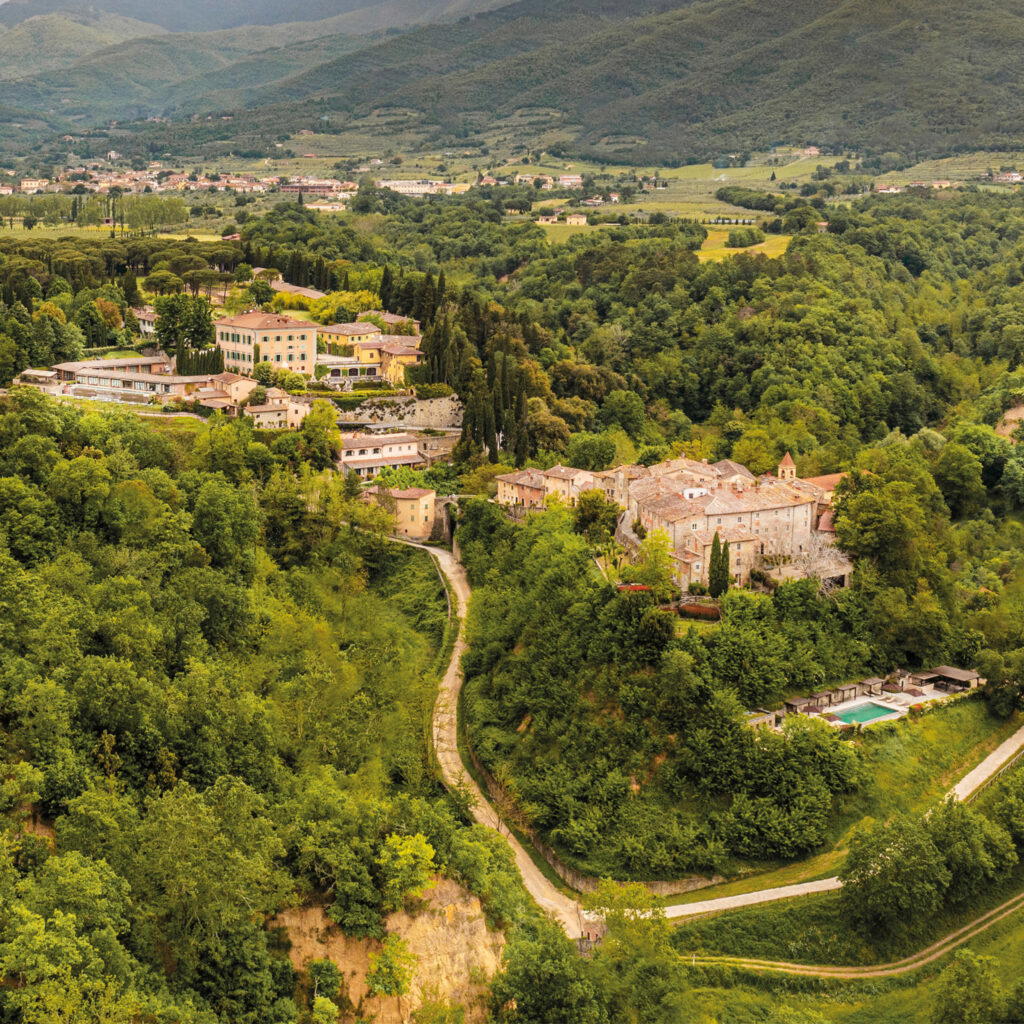
To be forward-looking, it is also important to consider history. Il Borro was originally a castle in the 12th century. In Tuscan terminology, ‘borro’ refers to a ravine created as the result of the erosion of water. With its ancient walls on a spur of rock, Il Borro was a fortress. Its unconquerable geographical position held strategic economic and political significance.
Since the year 1000, it has passed through the hands of several notable families, including the Dal Forno, the Medici-Tornaquinci, and the Hohenlohe-Waldenburg.
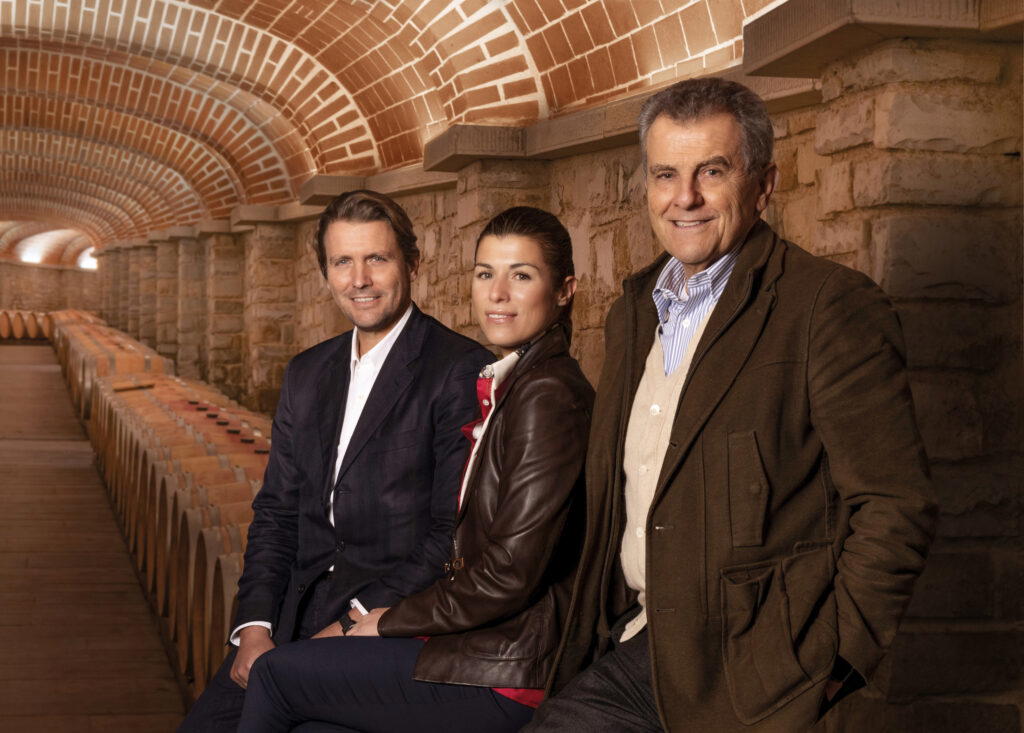
Like his grandfather, Ferragamo Jr. is a visionary. When his father bought over this ancient estate from the Duke Amedeo of Savoy-Aosta in 1993, he recognised potential in its abandoned land. The father and son duo not only restored the estate to its former glory, but also enhanced the hamlet surrounding it.
It began from scratch in a medieval village situated in the rolling hills of Tuscany, driven by a man who “jumped at the opportunity of transforming the place into one that produces unique products with the concepts of terroir and sustainability” in mind. Over three decades later, Il Borro now boasts a reputable winery, a luxury resort, and a global bistro group.
Despite sustainability being the buzzword of this decade, it wasn’t the case in the 1990s. However, Ferragamo Jr.’s love of the Tuscan countryside and wines ensures sustainability is woven into every aspect of this 1,100-ha estate. Il Borro’s wines are organically certified, which is no small feat as any European winery can attest. Still, it aims for even greater accomplishments.
You are enveloped in the relaxing scent of lavender and low humming of nature as you drive into the Relais & Châteaux Resort on a picturesque summer day. Frolicking in the pool with vineyards on the horizon and the Tuscan hills in the background feels surreal—every detail of this lavish estate has been thoughtfully put together by an architect clearly passionate about his craft.
Although Ferragamo Jr. has taken a different path than his famous grandfather, they share more than just names. He maintains the same exacting standards for succession planning and craftsmanship, ensuring the Ferragamo legacy will continue for generations—both in luxury leather and fine wine. In his words, “We believe passion and Ferragamo stay together.”
If you are new to Il Borro wines, I suggest the Bolle di Borro, a traditional method sparkling wine made from 100 percent sangiovese. It is life-changing and made me
fall in love with traditional method sparkling rosé outside of Champagne. Salvatore Ferragamo Jr. recommends the Nitrito, “a truly unique Cabernet Sauvignon” with less than 2,000 bottles produced a year in horse-tended vineyards.