
While living and working in London, Jin Lee found her skin constantly irritated and cracked because of the dry weather. She turned to cold processed soaps, which were affordable and readily available at the health store, pharmacy or supermarket, and offered a more eco-friendly option. They were also different from the liquid or mass-manufactured cheap bar soaps that dried her skin.
When she moved back to Singapore before Covid-19, she wondered: how could she replicate such soaps herself, rather than buy them off the shelf?
Jin made her first soap using geranium and patchouli after finding a soap-making workshop here. It led her down a rabbit hole of learning about centuries-old soap making through books and YouTube videos.
Initially, she bought different ingredients and tried to create many recipes at a workshop’s DIY studio. In the end, she made 400 types of soap, which she gave away to family and friends. Many started asking if she was making more because they loved the products.
Encouraged by the response, Jin started Plural Supply in 2021, rolling out bar soaps like goat’s milk and lavender face and body soap. One of the gentlest in its range, it is made from olive oil and fresh goat’s milk from Hay Dairies in Lim Chu Kang. As a result, the lather is creamy and silky, making it ideal for skin prone to eczema.
As the brand name grew through word of mouth and pop-up events, she expanded the product range, making liquid soaps, candles and lotions, too.
I stumbled upon the brand at Boutique Fairs Singapore last November and picked up a pine tar and cedarwood body soap, which exuded a warm and woody scent. With roots in Europe and a staple in ayurvedic medicine, the soap relieves skin and scalp irritations like psoriasis, eczema and dandruff. Other Plural Supply soaps include geranium and hibiscus, fresh aloe and rosemary, barley grass and tea tree body soap, and patchouli and oats.
In Singapore, many people are embracing the slow life, working with their hands, and consuming with greater mindfulness. Jin’s lilting voice makes talking to her feel like a meandering journey. She prefers to stay out of the spotlight, allowing her products to be the centre of attention. With her background in data analysis and mathematics, the soap-making process provides the scientific rigour of testing, research, and playful experimentation.
As much as possible, the Plural Supply team sources organic ingredients directly from producers and cooperatives. They avoid endangered plants and their oils, and any ingredients whose production, harvesting or use comes at a cost to the environment.
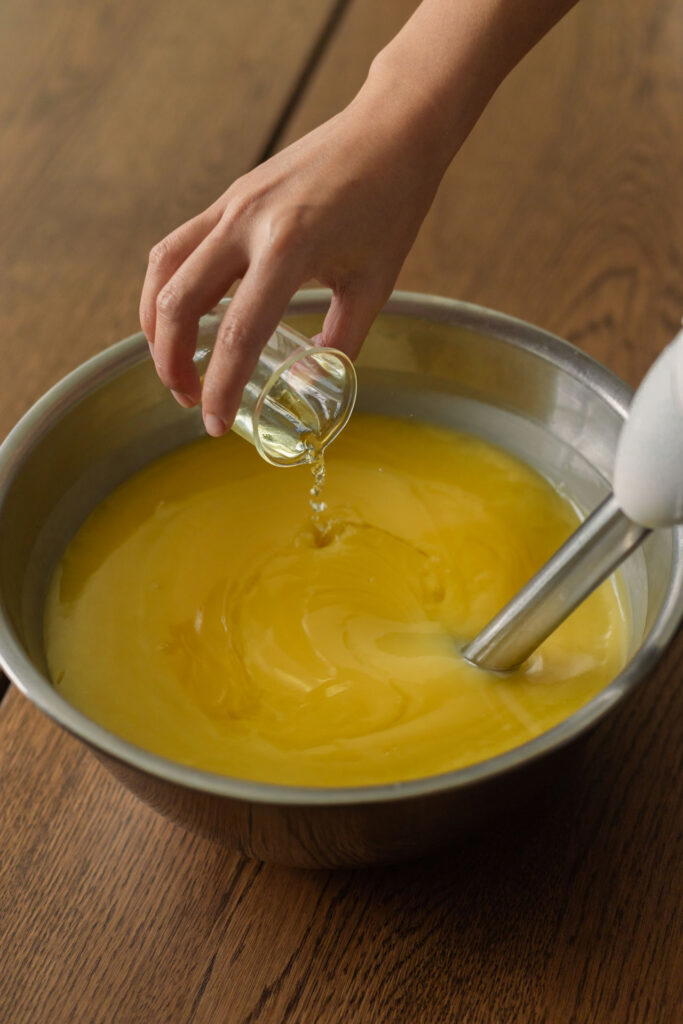
Instead, the brand uses organic essential oils and absolute oils certified by the US Department of Agriculture or European Union. In contrast to synthetic fragrances, organically derived oils can be broken down when they return to the earth.
Jin sources black castor oil from a women’s cooperative in Haiti, citronella and hinoki cypress essential oils harvested from fallen trees in typhoon seasons from a producer in Taiwan, and jojoba oil from Mexico.
“We look for growers who go above and beyond in their care for the soil and the earth. Knowing the origin of our ingredients assures us that our growers care for the land and helps us view our products as part of a larger system,” says Jin.
What is a soap maker’s life like, some might wonder? “The most important thing is that your mood must be good. You cannot be in a rush because it’ll show up in your soap,” says Jin.
The basic ingredients for home-made soap are oils or fats (such as olive oil, coconut oil or shea butter), lye (sodium hydroxide), and water. Sodium hydroxide is a controlled chemical, so it must be purchased and used at a National Environment Agency-approved facility. Her soaps are made at the Sugar & Spice studio in Ubi Avenue, which she shares with other soap makers and crafters.
In the first step, the equipment is sterilised, oils and butters are measured, and lye and colouring ingredients are prepared. Then, she blends all of them together. She leaves the soap to harden for a few days after blending. During this time, a chemical reaction known as saponification occurs.
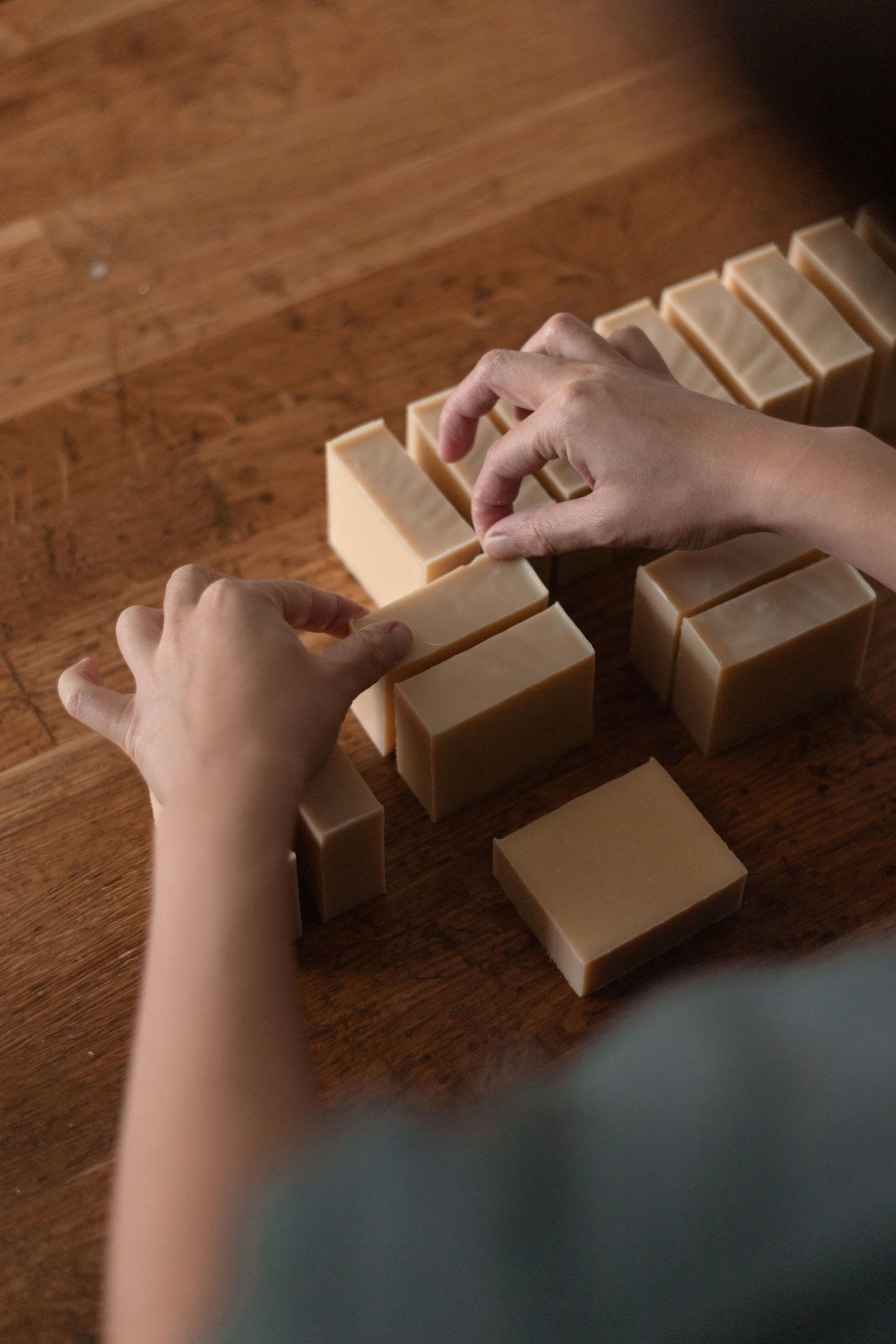
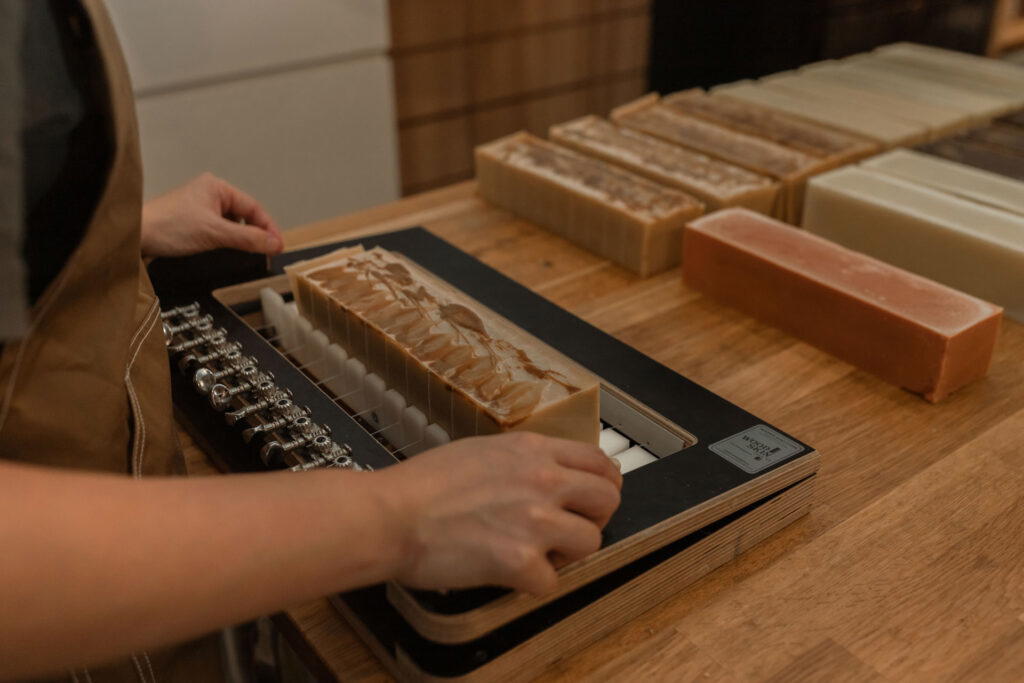
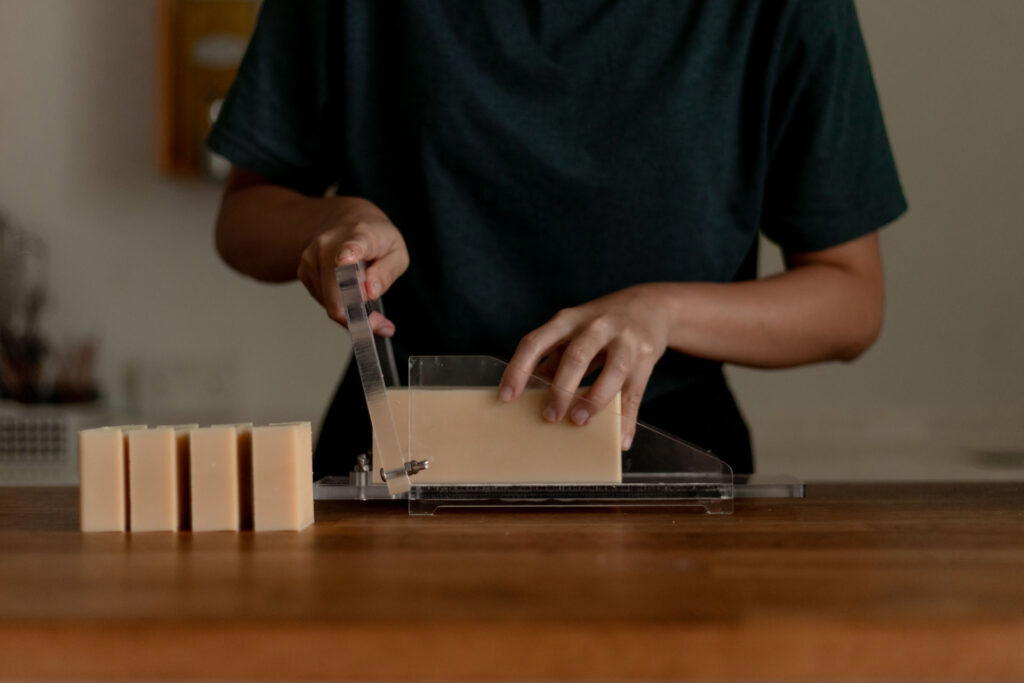
Jin’s favourite part of the process comes next. She slices the length of the soap into equal slabs. As she explains, looking at a cross-section reveals how well the soap was produced and if there were any hiccups along the way.
Everything adds up. If the mixture isn’t well-blended, air bubbles will form and the soap will become lumpy. If the essential oils are poured too quickly, they may not integrate well with the mixture. Moreover, if the temperature isn’t lowered enough, it can affect the soap’s colour. Jin also reports that if liquid soap is heated too much, it can triple in size, causing a mini volcanic explosion and a massive clean-up. She’s experienced it one too many times.
Even experimenting with colour can generate interesting results. For instance, she experimented with fresh tomato purée to get a rich red and blue pea flower for the blue. The result, however, was totally different. Sometimes magic happens, too. You can get beautiful colourful streaks on the inside.
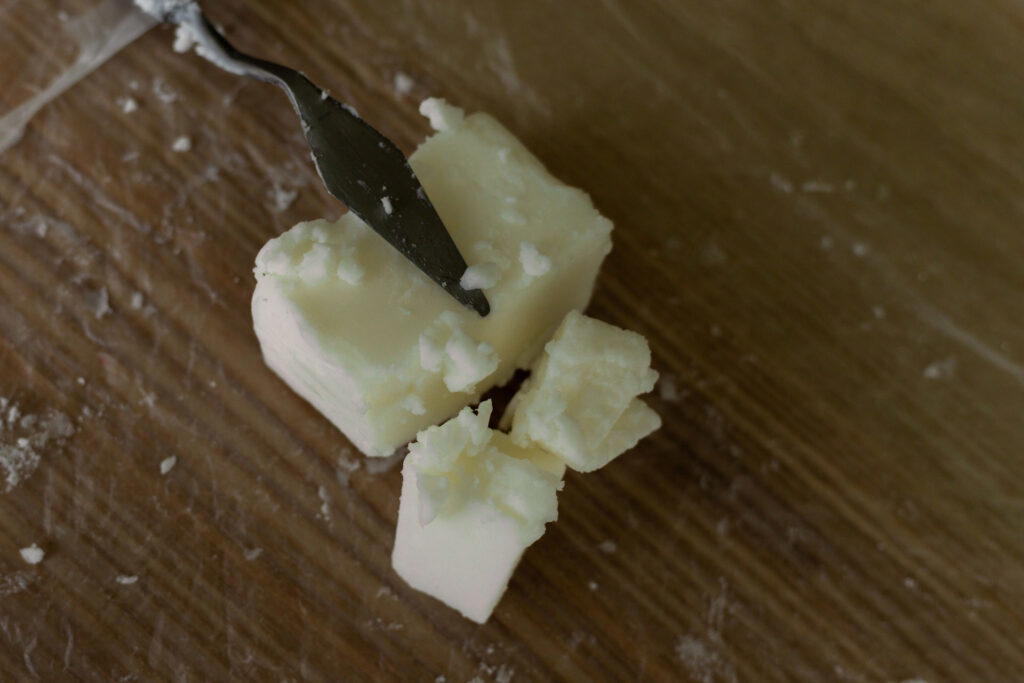
As a result, Plural Supply’s products are more muted and earth-toned in colour because it’s difficult to colour soaps and candles using only natural ingredients.
To extend its longevity, given Singapore’s humid weather, the soap is aired for two to six months after stamping. It requires precision and patience, but is “tremendously empowering,” says Jin.
“Making my products from scratch allows me to learn so much during the process. Each time I develop a new soap, I learn about how an ingredient might work with a soap base or how certain combinations can help ease skin conditions like my dry and sensitive skin or a friend’s severe eczema.”
She continues, “Making your products also teaches you a lot about the people you make them for, because everyone comes back with stories. My friend now takes extra-long showers because of the barley grass and tea tree body soap. Another customer once took a four-hour nap with the help of our islay coconut wax candle.”
Jin produces the soap in small batches of 1 kg to 2 kg every few months, resulting in about 20 soap bars. She and her team spend the downtime making other products, running candle-making workshops, and doing pop-ups. Last year, they also consciously shared the creation process online and made and donated doggie soaps to the Animal Concerns Research and Education Society Gala.
The biggest challenge for Jin is converting new customers into returning ones, especially in countries like Singapore where liquid soap is more commonly used. “It takes months for people to finish a bar of soap, and think about whether they want to buy the same thing again. That’s how slow this business is.”
Among her goals for 2024 are to expand the soap collection, eliminate unnecessary packaging, use more locally sourced ingredients, and experiment more with colours. For instance, Plural Supply recently rescued aloe vera from a shuttered farm. Much of its supply now grows in the backyards of people Jin and her team know. Recently, it also collaborated with local botanical ink-making studio Wild Dot, which provided the company with annatto seeds sourced from their garden. After cooking the seeds in oil for a few hours, the mixture turns a vivid orange.
“It’s amazing that we have all the different herbs and ingredients to make these natural products. Even though it’s a luxury to have the time and energy to learn these things, especially in an environment like Singapore, I encourage people to slow down, see what they can make, or what they would like to change about their daily living habits that would be good for them and the environment.”