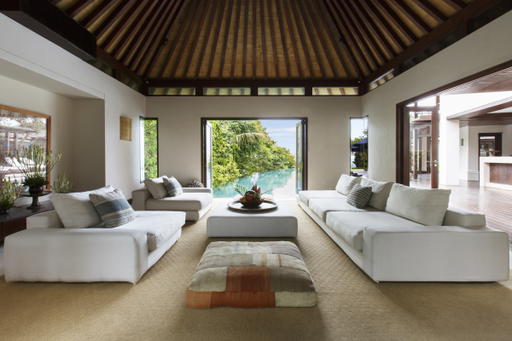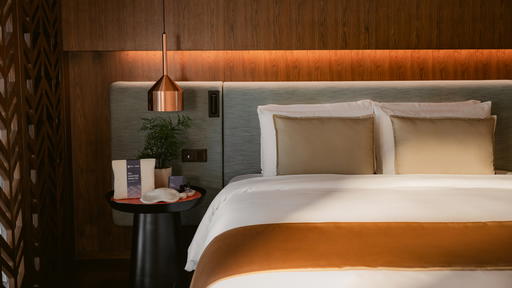

Luxury hotels have long stood for abundance: more space, more service, more choices. But when all three are readily available, true distinction rests less on volume and more on character. This could mean a clear point of view, an intimate connection to the locale, or a stay so rooted in its setting that it cannot be replicated elsewhere.
This is the essence of Small Luxury Hotels of the World (SLH). Rather than standardising the guest experience, the collection seeks independently owned properties with a sense of place and a distinctive personality, while offering travellers the reassurance of a rigorously vetted global network.
Founded in 1991 by hoteliers Paul Kerr and Sir David Michels, SLH now represents more than 700 independently owned boutique properties in over 100 countries. Its growth hinges on a simple proposition: give independent hotels the reach, distribution, and credibility of a global network without compromising what makes them unique.
In Switzerland, where luxury standards are already exceedingly high, the goal is to move beyond flawless service, superb infrastructure, and sustainability to identify what makes a property unmistakably singular.
For example, Art Hotel Riposo in Ascona is a family-run boutique hotel combining the character of a historic Swiss property with a more relaxed Mediterranean sensibility. The SLH member takes pride in an interior design style featuring carefully chosen artwork set against a lively palette.
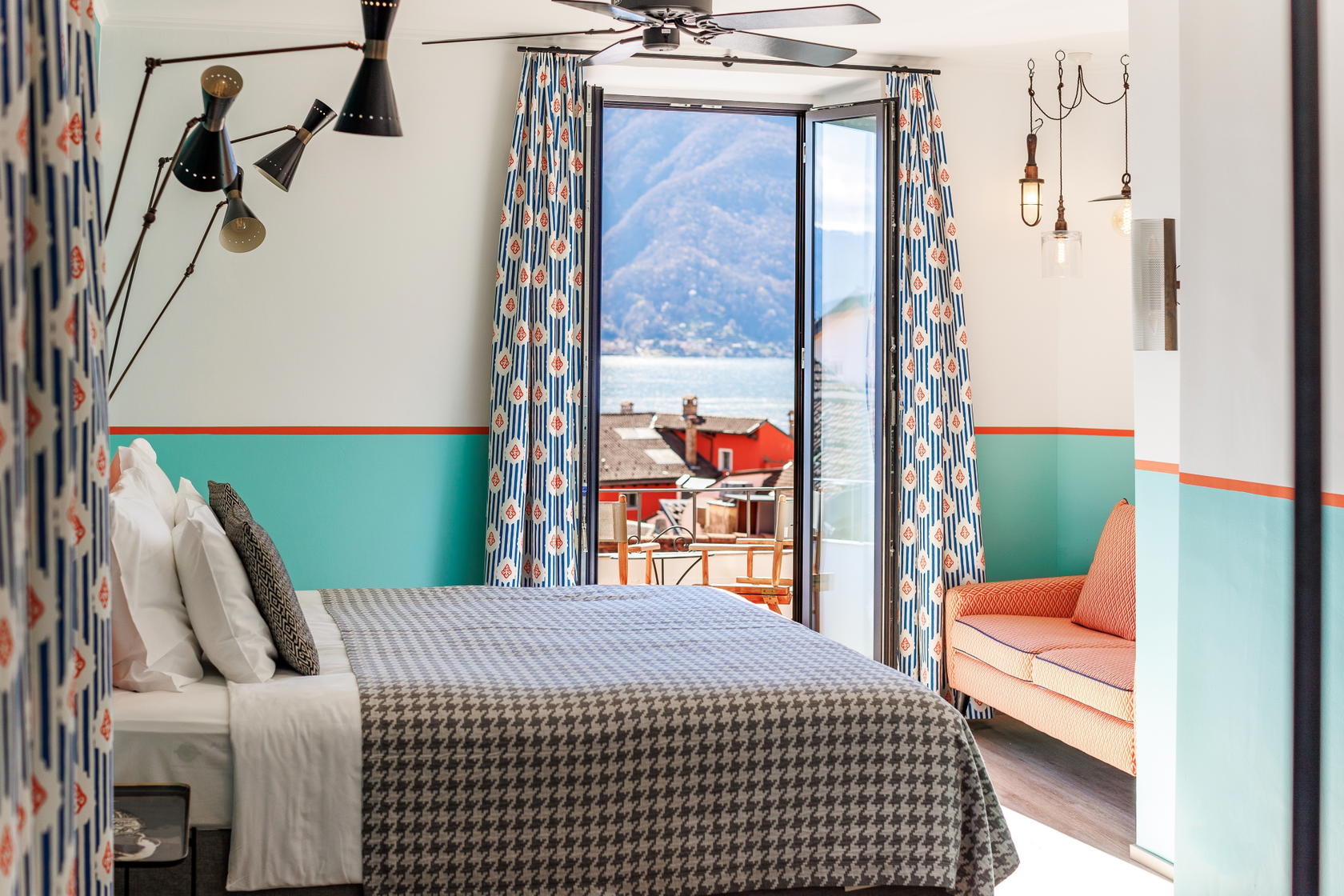
The hotel’s Ristorante Riposo brings the same easygoing spirit to the table, combining local Ticino specialities with Mediterranean classics.
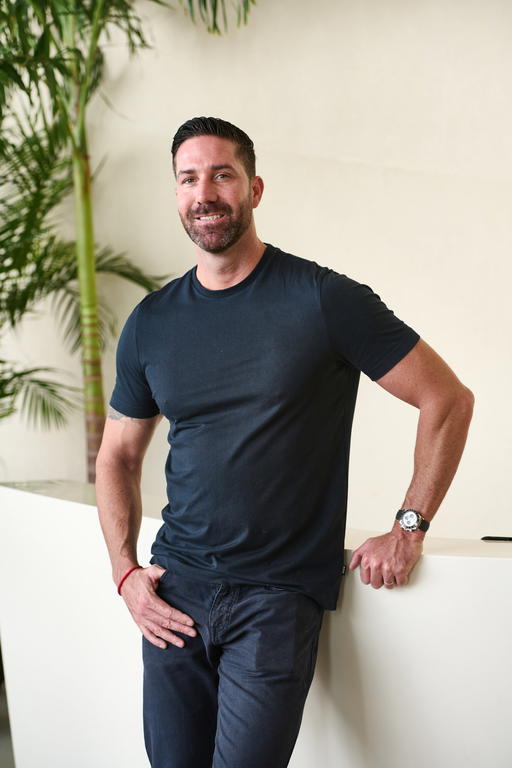
The threshold, then, is not merely quality but character. “What we’re seeking is what we look for everywhere: independent ownership, a genuine sense of place, and a personality you couldn’t transplant anywhere else,” says Richard Hyde, SLH COO.
This distinction is particularly pertinent in Switzerland, where hospitality boasts a deep institutional heritage. The country is the birthplace of modern hotel-management education and has developed a hospitality tradition that blends the formality of world- class service with the intimacy of a family-owned retreat, Hyde notes.
It also has an inherent advantage as travellers increasingly seek wellness and restorative stays. Alpine air, lake views, and the country’s growing emphasis on what its tourism board calls “Swiss Silent Luxury” create an environment in which guests can switch off with ease.
Yet perhaps the more compelling advantage of Swiss boutique hotels may be continuity. “Many properties have stayed in the same family for generations, with small details that reveal a deep institutional memory—from time-honoured recipes that ever change to the same ski guide the family has trusted for 30 years.”
THE SWISS ADVANTAGE
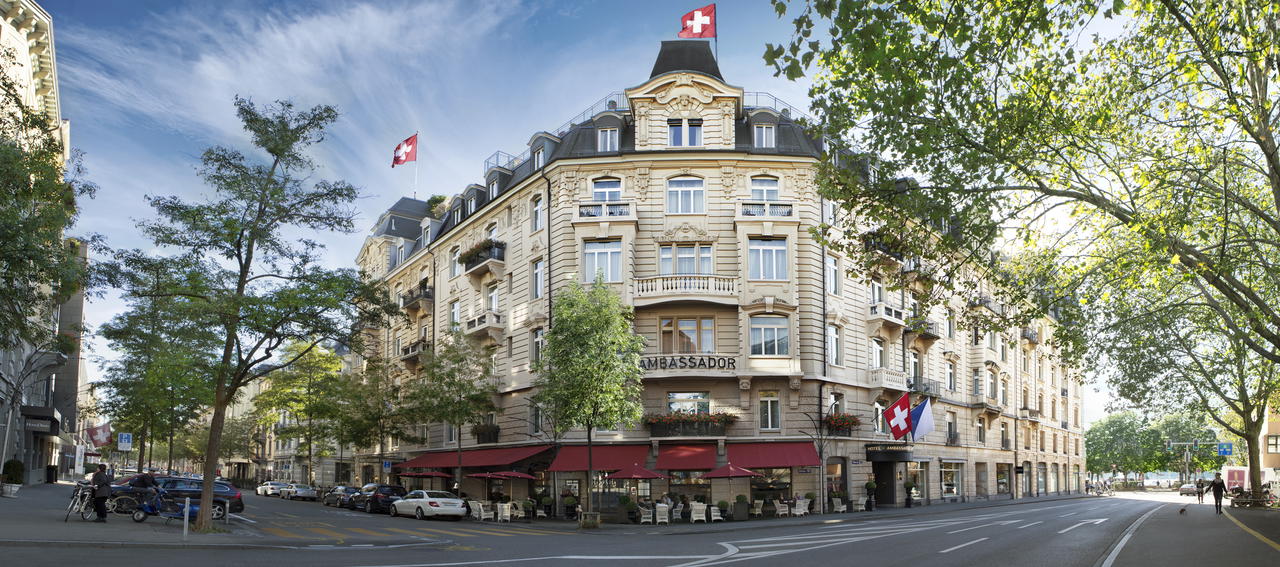
Ambassador Hotel Zurich, another SLH member and that is managed by Meili Selection Hotels, embodies that continuity. Its 44 rooms and suites occupy a building constructed in 1899 as an opulent residence that later played a role in Zurich’s silk trade. “Zurich was a major trading hub, but this isn’t widely known. This building had a huge part in that, and it isn’t something all tourists recognise,” says Elia Luca Morgenthaler, the cluster hotel manager of Meili Selection Hotels.
At the Ambassador, that history meets with the intimacy of a smaller property. Its smaller spaces are designed to feel like extensions of a private home, with attentiveness balanced by discretion to suit each guest’s preferences.
This balance also strengthens the Ambassador’s connections to Zurich. The hotel combines international hospitality with a distinctly Swiss approach, using its bar and restaurant to attract local clientele as well. The interaction between residents and guests invites visitors to experience Zurich beyond its usual highlights. “The USP of hospitality lies in balancing discretion with truly personal service.”
Personal service begins with the people delivering it, says Morgenthaler. Experiences are also increasingly part of the proposition, as travellers want more than a comfortable room. “Service must be personal. You need good staff who live hospitality and like to interact with guests.”
Individuality is only valuable if travellers can find the hotels that deliver it. For Morgenthaler, SLH provides access to a client base specifically seeking independent luxury hotels, with guests arriving with expectations of high service standards, well-maintained properties, and a consistently standout experience.
SCALING WITHOUT STANDARDISING
That same blend of independence and international reach is evident at Hotel Villa Honegg, an SLH member located in Ennetburgen. The 25-room Art Nouveau property on Mount Burgenstock has long attracted international guests, and joining SLH has amplified its appeal.
Its small scale remains central to the experience it offers. Marcel Hinderer, its general manager, who has worked in larger properties and seen the limitations of scale, observes, “The trend towards boutique hotels has grown across age groups in recent years. We now attract many guests in their mid-20s and honeymooners as well, many from overseas.”
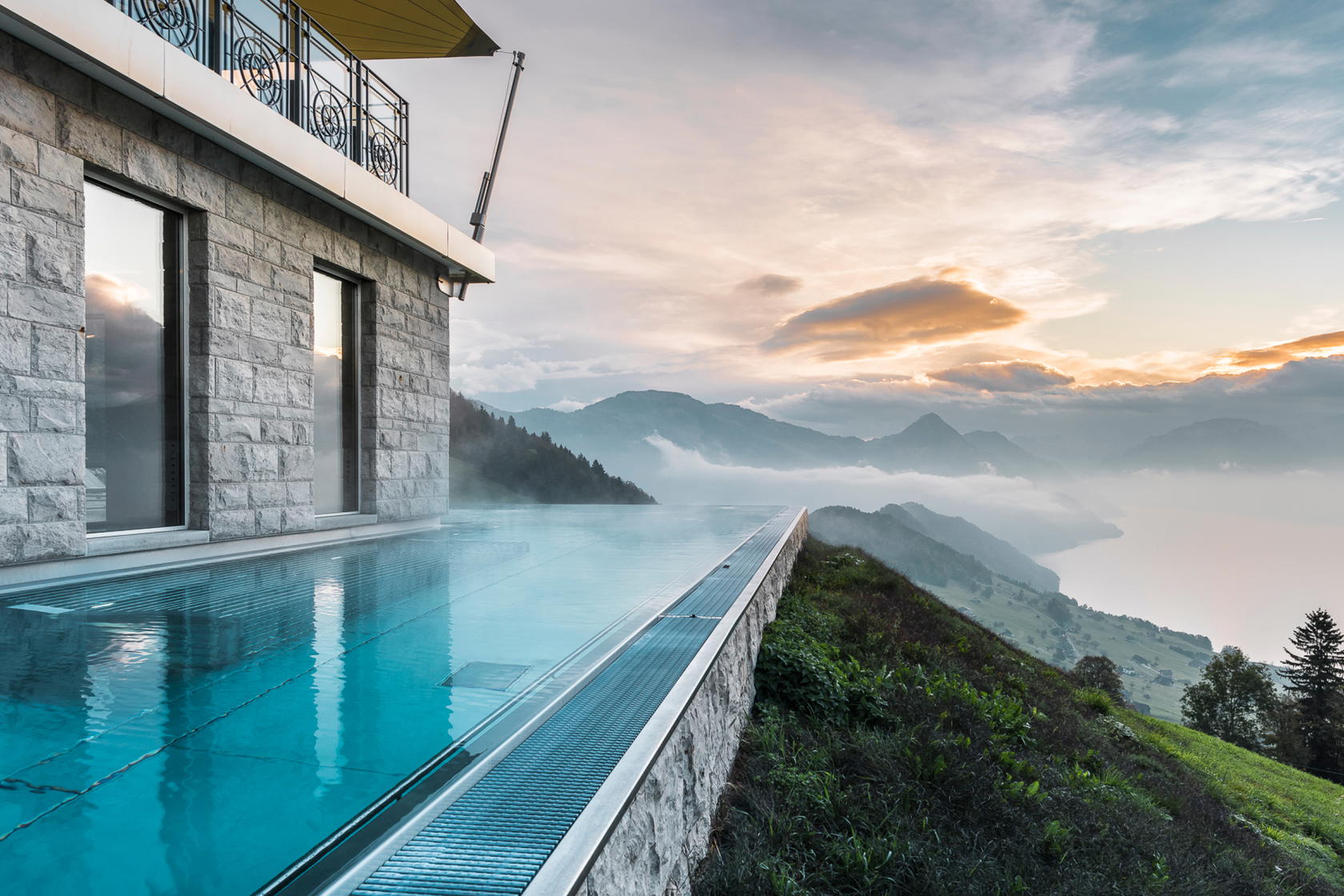
Such attention to individual preferences translates into loyalty. By understanding guests’ preferences, smaller properties can tailor experiences for more meaningful stays. Villa Honegg’s clientele is now split between international and domestic travellers.
Hinderer sees SLH’s value beyond the guest proposition. Villa Honegg’s membership gives it access to a broader hotel network, global distribution systems, and travel agents, boosting its visibility and booking reach internationally. As a result of the SLH standards, the hotel is also more internationally competitive.
That reach also shapes who discovers the property, Hyde notes. With its Hilton Honors partnership, SLH has brought more US travellers as well as Asian travellers from India, Japan, and China. “The appetite for European travel, including Switzerland, plays a real part in that story. Hotel Villa Honegg has become hugely popular with Thai guests. It’s a lovely example of how a single property’s reputation can travel across a market.”
The appeal, of course, varies from market to market. According to Hyde, Asian travellers often approach Switzerland with greater intentionality, whether travelling solo or with a family, and tend to value craftsmanship, heritage, precision, and detail. In contrast, Europeans and North Americans are often repeat visitors seeking familiarity and restoration. However, both engage with the same landscape differently.
“Neither of them is more valuable than the other; they are just different relationships with the same landscape.”
Richard Hyde on the different markets
To SLH, this convergence of independent supply and international demand is a key driver of growth. The network provides smaller properties with the reach and visibility of a global platform while preserving their autonomy. In Switzerland, where many hotels offer similar rooms, amenities, and prices, this distinctive edge becomes especially meaningful.
NEXT-GEN SWISS LUXURY
According to Morgenthaler, that shift also extends to responsibility and sustainability, which guests have been paying closer attention to over the past decade.
The Ambassador prioritises seasonal produce in its menus while accommodating requests for out-of-season ingredients, and has introduced LED lighting and timers to curb energy use. It is also exploring ways to reduce resource consumption without compromising the luxury experience, such as offering guests a drink at the bar in exchange for opting out of daily bed linen changes.
Ultimately, the advantage of these hotels may lie in what their scale enables rather than what it restricts. “A family running a three- generation hotel knows its regular guests’ preferences without needing a CRM system,” Hyde points out.
That familiarity also allows independent properties to make decisions quickly and lean into what makes them distinctly Swiss, or uniquely themselves, without conforming to a rigid brand standard. A new generation of owners and hospitality professionals is carrying this model forward, bringing a more contemporary approach to Swiss luxury while retaining the independence that defines these properties.
“What is exciting now is the calibre of people leading the charge: a fresh generation of owners elevating Swiss luxury with a contemporary edge, alongside talented hospitality-school graduates choosing small hotels over large chains for the stronger sense of ownership,” Hyde concludes.