
If you’re anything like me, choosing a hotel in Bali overwhelms you more than you care to admit. A plethora of options results in decision fatigue. We delay booking anything until the very last minute.
I was as such thrilled to discover Small Luxury Hotels of the World (SLH), founded in 1991 by hoteliers Paul Kerr and Sir David Michels. It currently counts over 700 independently-owned boutique properties in more than 100 countries as members.
The small luxury hotel category is typically defined by private experiences and personalised services. Unlike large luxury chains, it comprises small- to medium-sized businesses, each with its own distinct identity.
“Rather than a standard style guide, the SLH brand is a promise to guests that wherever they stay within our collection, they will find quality, authenticity, and a property that knows exactly what it is. The character in that promise is entirely the hotel’s own, ” says Mark Wong, senior vice president for Asia-Pacific.
“As a company, we are anti-chain, anti-same. Like a fingerprint, we want every impression left on a guest’s memory to be distinct.”
Due to the programme’s competitive edge in distribution, sales, and marketing support, SLH membership remains in high demand. Member properties have access to global booking channels and distribution platforms, enabling them to reach both travel trade partners and consumers worldwide. They can also participate in high-profile sales events, marketing campaigns, and partnership programmes, including an exclusive collaboration with Hilton Hotels & Resorts.
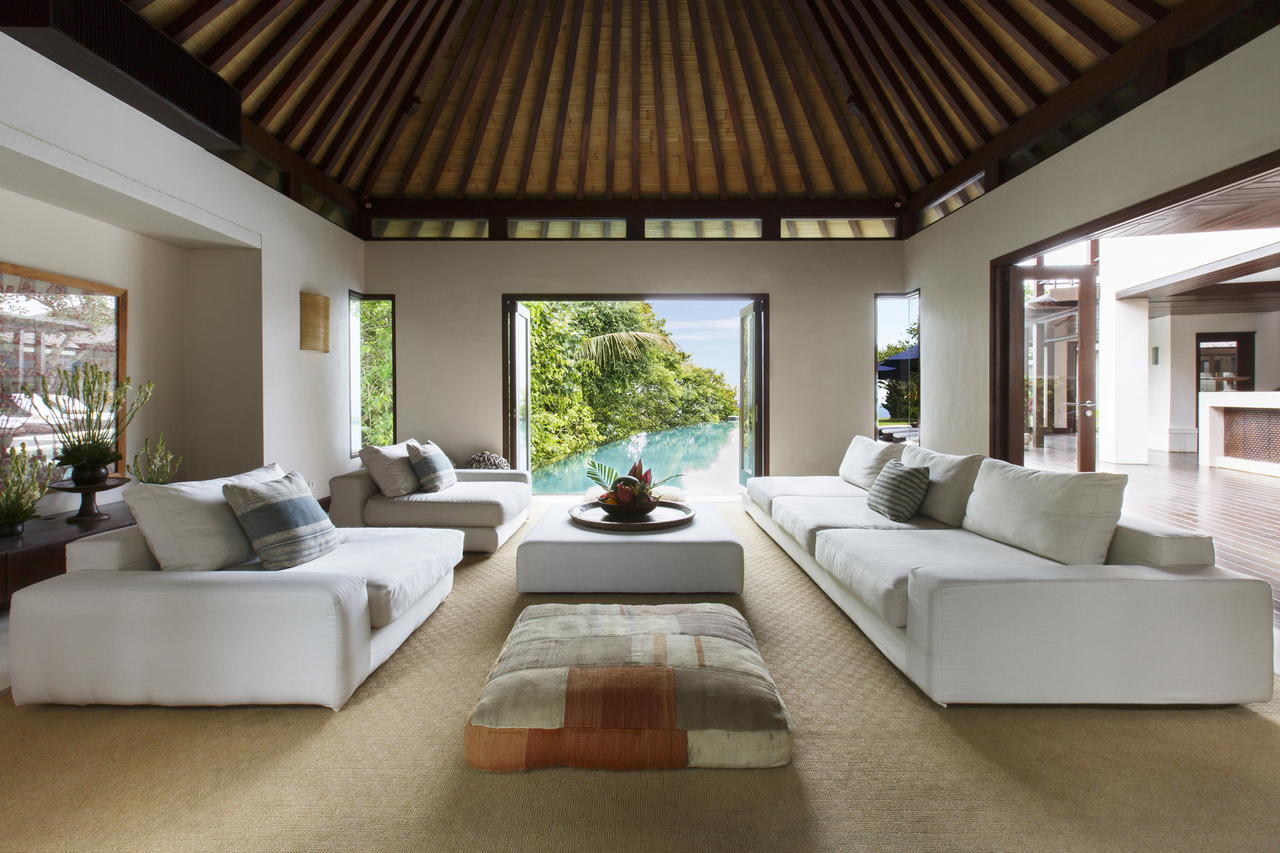
SLH currently has 150 member hotels across Asia Pacific, with 20 more in the pipeline. In Bali, the collection includes eight properties, with three more expected to open soon. Among them is The Ungasan Clifftop Resort, perched on a dramatic limestone cliff overlooking the Indian Ocean in Uluwatu. With just seven villas, each comprising five bedrooms, it offers a rare balance of grandeur and intimacy, says Simon Dornan, the resort’s general manager.
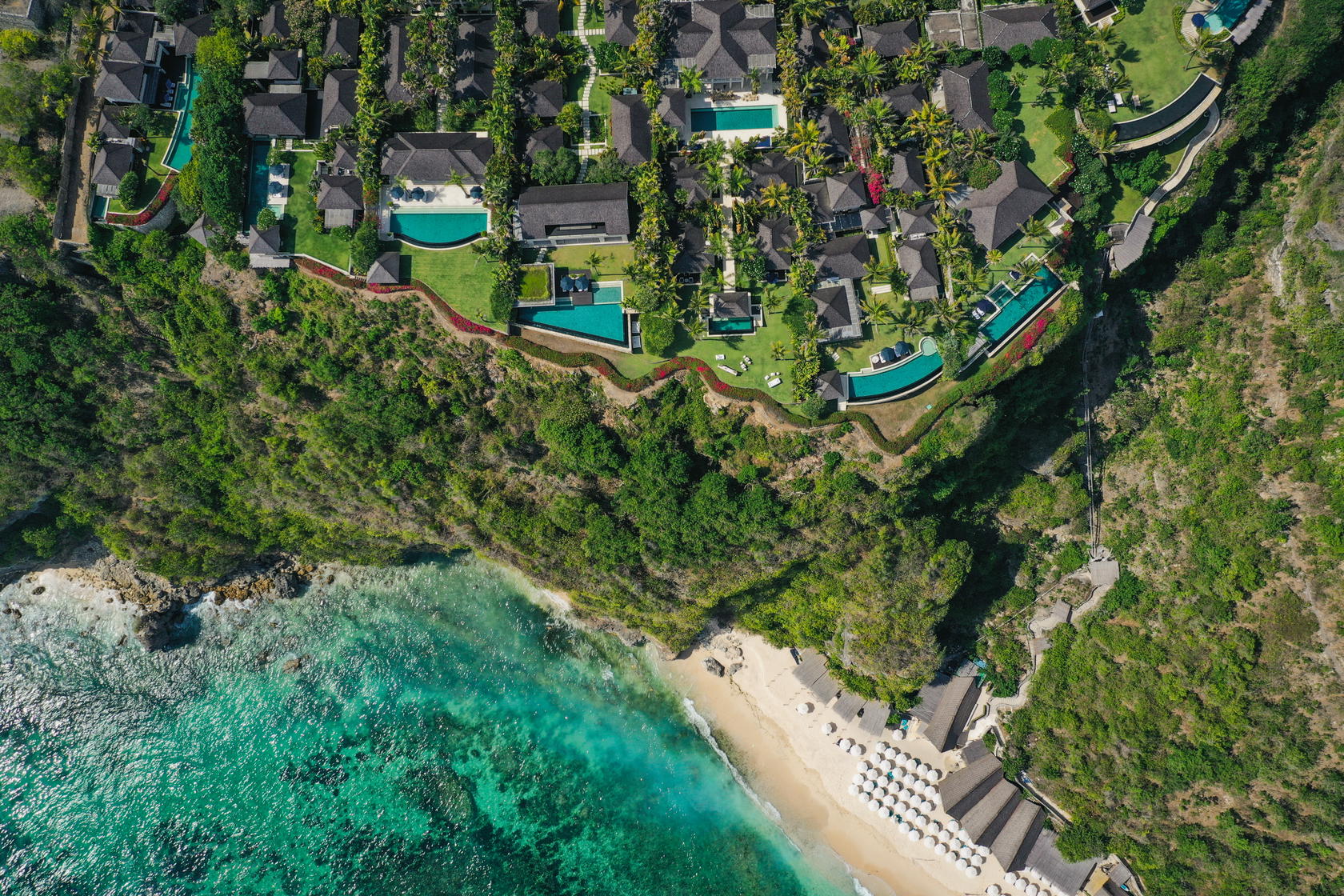
He is quick to point out the way in which SLH has opened doors for the property. Firstly, distribution. SLH guests arrive with clear expectations, resulting in notably high conversion rates. Then there’s the peer network, which enables candid exchanges with like-minded hoteliers on shared challenges—something he reckons no conference can facilitate.
Finally, brand signals. “In a market as noisily self-promotional as Bali luxury, independent SLH endorsement communicates credibility more efficiently than anything we could say about ourselves,” he notes. “I’ve seen this become the deciding factor for guests choosing us over a comparable independent property.”
Dornan’s sentiments are echoed by Revivo Wellness Resort’s general manager Sofyan Hadi. The property, also an SLH member, comprises 22 suites and villas within a tranquil compound in Nusa Dua.
Being a part of SLH has strengthened Revivo’s global visibility and connected it with like-minded travellers who value intimate, high-quality experiences, Sofyan says. The discerning, experience-driven nature of SLH makes a difference. “This partnership has allowed us to reach a wider audience while maintaining our unique identity as a boutique wellness destination.”
RIGOROUS STANDARDS
I can attest to SLH’s uncompromising standards, having recently stayed at both The Ungasan Clifftop Resort and Revivo Wellness Resort. Each caters to different audiences.
At The Ungasan, every villa can accommodate at least 10 guests and comes with a private pool. This makes it ideal for weddings, group trips, and multi-generational family stays—essentially any occasion that calls for a private celebration. Couples may book an individual room within a villa.
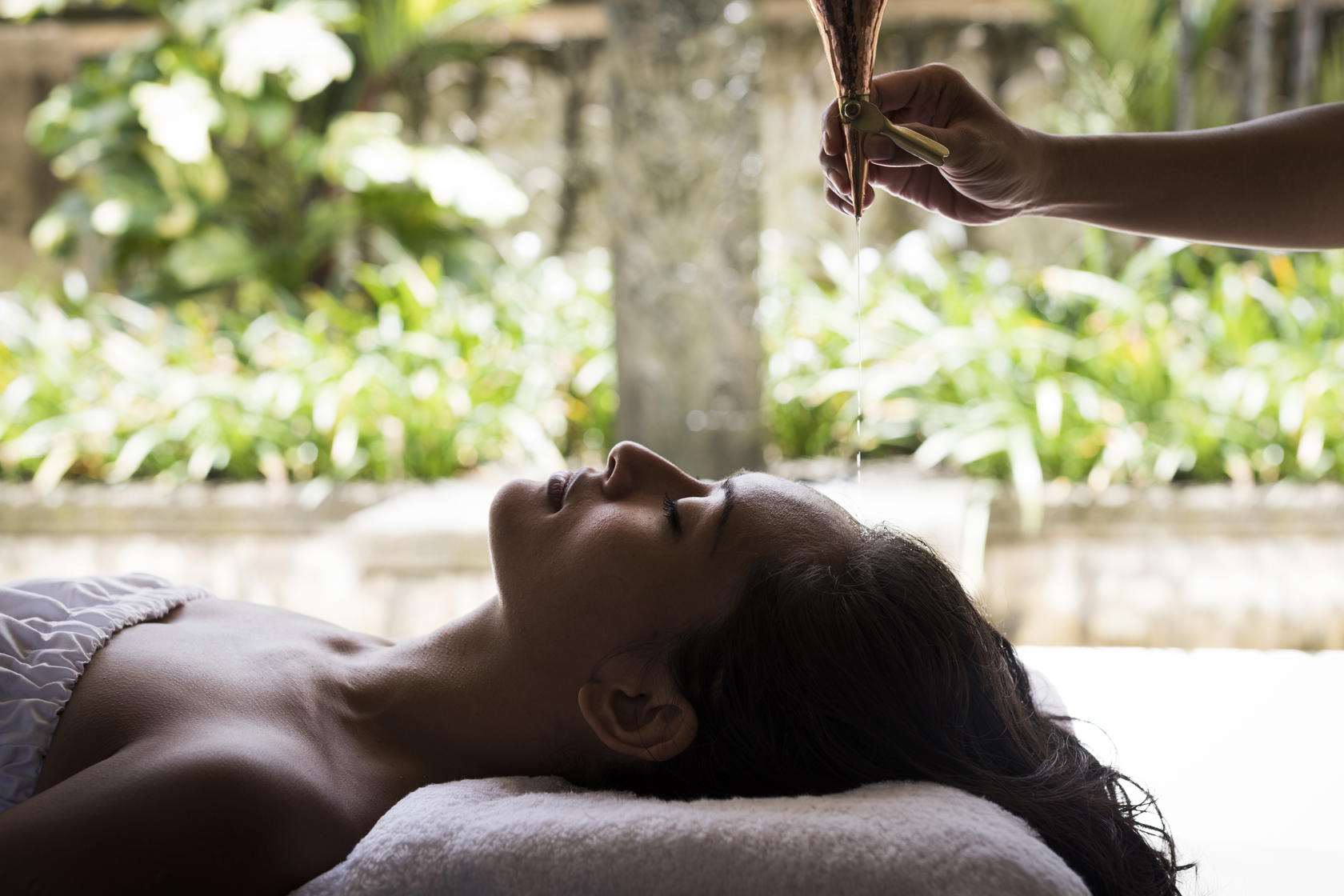
Revivo, on the other hand, addresses a wide spectrum of wellness needs. In addition to foundational lifestyle interventions that support longevity and healthspan, it also offers targeted programmes focused on stress management, sleep optimisation, weight management, and women’s hormonal health. Personalised coaching, mindfulness practices, and therapeutic treatments, among other tailored well-being solutions, guide transformation.
“The vetting process of member hotels is rigorous by design—and unapologetically so,” Wong says. Each prospective property undergoes a comprehensive assessment during the application process, followed by annual mystery inspections to maintain membership. Over 150 trained inspectors worldwide ensure every hotel consistently meets benchmarks aligned with international standards, guaranteeing consistent quality across the board.
Last year, SLH introduced 10 Minimum Sustainability Standards that every member hotel is expected to meet by 2027. Among them are water and energy efficiency, local and ethical procurement, as well as diversity, equity, accessibility and inclusion (DEAI), all aligned with Global Sustainable Tourism Council (GSTC) criteria.
Wong says SLH’s Considerate Collection, which currently comprises 83 properties in 42 countries, is the pinnacle of this commitment. Hotels within the collection are recognised by the GSTC across three pillars: community-mindedness, cultural custodianship, and environmental responsibility. In his book, maintaining authenticity while scaling a global portfolio requires the SLH team to be highly selective and to trust the owners. “We work directly with owners and many of them are deeply invested in developing their local communities. This involves hiring local staff, sourcing from local farmers, and revitalising surrounding villages,” he says.
Dornan and Sofyan agree. About 70 percent of The Ungasan’s dining and wellness offerings are Balinese or locally inspired, while 30 percent are global in nature. In Dornan’s view, “The global elements serve the Balinese ones, not the other way around.”
Revivo prioritises staff development and sustainable practices which includes reducing single-use plastics, sourcing locally, and supporting local artisans. “Our goal is to operate responsibly and ensure authenticity and cultural preservation, while incorporating Balinese cultural elements into our guest experience,” Sofyan says.
REDEFINING LUXURY
What does “luxury” mean in today’s ever-evolving hospitality landscape? For Wong, it has transformed from something tangible into something felt. Discerning travellers are increasingly drawn to experiences that cannot be replicated at scale. These include genuine human connection, a sense of place, and meaningful encounters. Privacy has also become paramount.
“It’s a shift towards private villas with individual entrances—smaller properties where you’re not sharing a lobby with 400 other guests. This is why our average hotel room size is now around 50 rooms.”
Mark Wong on growing demand for more intimate spaces
He believes that traditional five-star opulence is being redefined, not discarded. “A six-room property like the Siri Sala Private Thai Villa can be as luxurious as any grande dame hotel. Ultimately, luxury is about feeling understood, welcomed, and having a sense of belonging.”
At The Ungasan, luxury is increasingly defined by slow travel and hyper-personalisation. “Guests who go deeper tend to leave more satisfied than those chasing a highlight reel,” Dornan concludes. Amidst mounting pressure on Bali’s infrastructure and the effects of overdevelopment, he believes true luxury operators have a responsibility to position themselves with clarity and intent. Rather than passively benefiting from Bali’s appeal, they should act as thoughtful stewards by preserving what makes it so special in the first place.
At Revivo, luxury centres on prevention and sustainable lifestyle change, reflecting a post-pandemic shift towards more proactive health management. Rather than focusing on reactive recovery, the emphasis is on long-term well-being. “A meaningful transformation for guests is not just about feeling better during their stay, but leaving with the tools, awareness, and motivation to sustain those changes over time,” Sofyan explains.
Guests can benefit from staying loyal to SLH through its Club by SLH loyalty programme. The app provides a seamless booking experience along with immediate member perks such as complimentary breakfast, early check-in, late check-out, room upgrades, and access to exclusive rates.
It is exciting, then, that SLH is poised to expand. While India and China remain important growth markets in Asia- Pacific for 2026, Vietnam is emerging as a noteworthy new player, Wong notes. SLH recently welcomed Azerai Ke Ga Bay and Azerai La Residence Hue, both founded by Adrian Zecha, the visionary behind Aman Resorts.“Chains have begun to recognise what we’ve always known: luxury travellers today seek character and authenticity. However, big-box brand architecture and rigid design guidelines can be difficult to adapt to individual hotels.
“SLH offers independent hoteliers a global platform and community to express themselves. From a commercial standpoint, properties with 50 rooms or less don’t fit traditional chain models. The smarter move is collaboration rather than competition. Our exclusive partnership with Hilton Hotels & Resorts brings together operational independence and global distribution.”