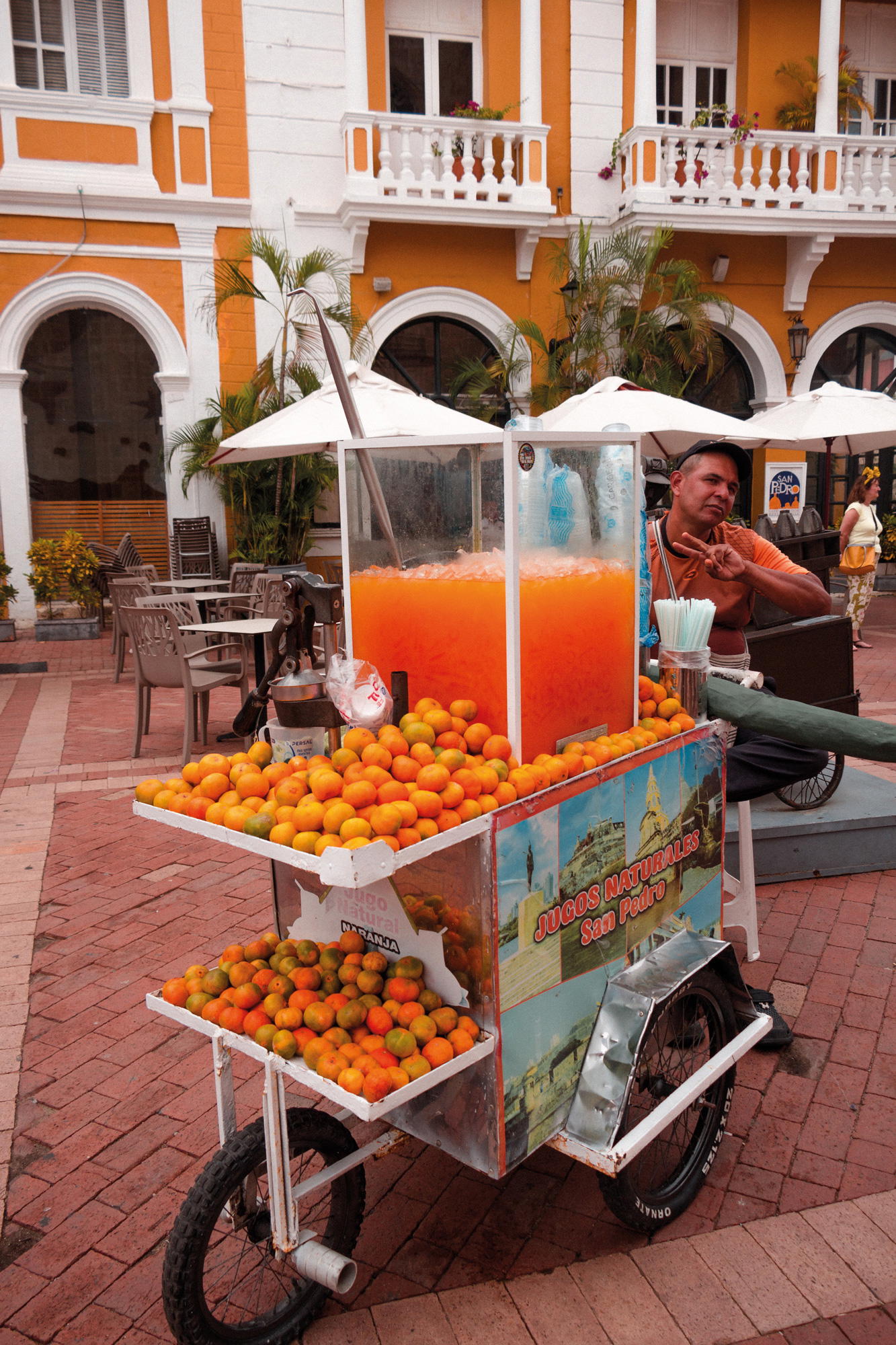
I bite into a multi-layered, deep-fried arepa de huevo in the hot afternoon, a street food that captures the essence of Cartagena’s history in one bite. After tasting the crunchy, savoury yellow corn shell, I taste the creamy richness of the egg inside.
A dollop of suero costeño—a fermented cream—adds the perfect tangy finish. “The arepa de huevo sums up Cartagena’s cultural influences perfectly,” says Kristy Ellis, the founder of Cartagena Connections, a food and walking tour company.
BEYOND THE POSTCARD CITY
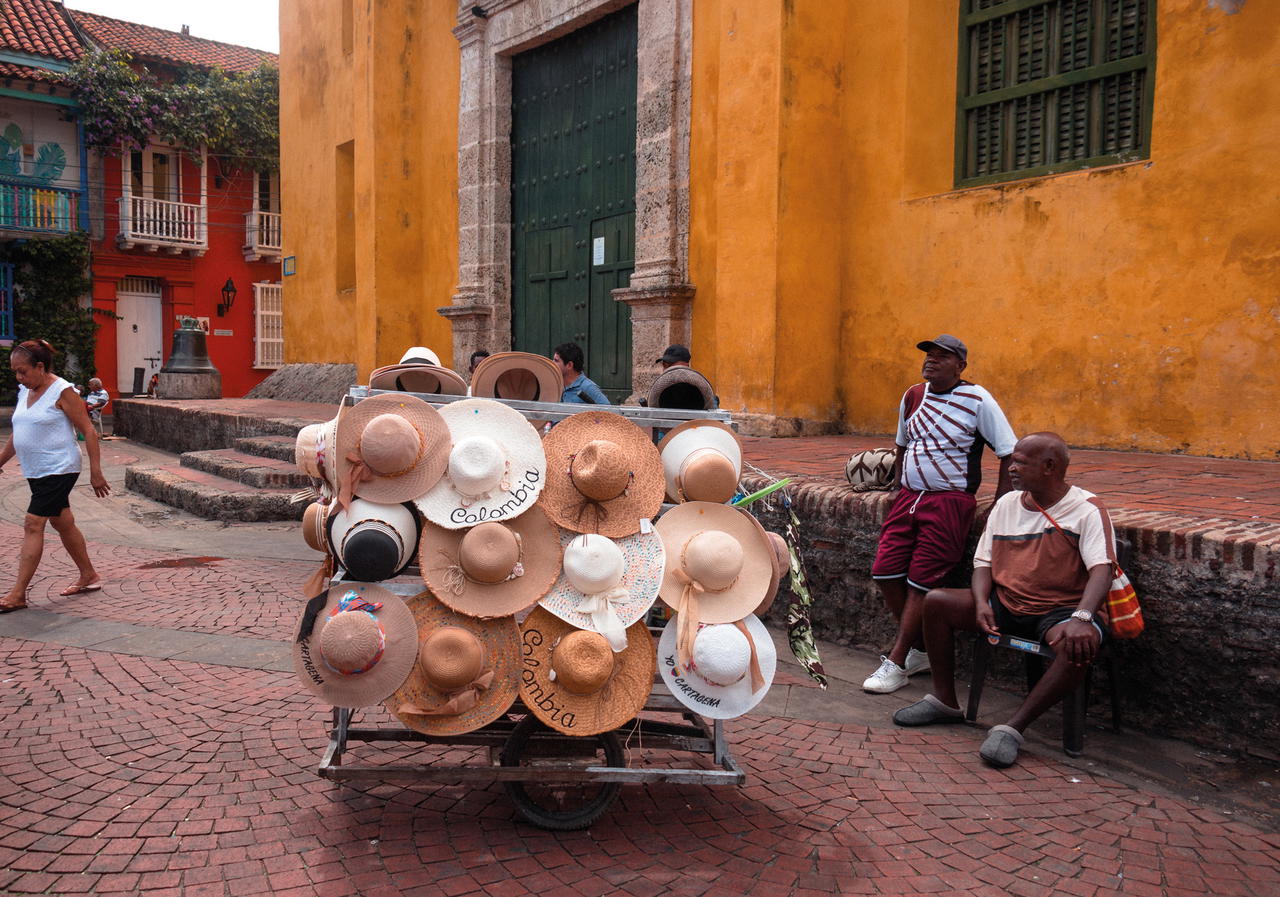
Throughout Cartagena’s walled city, pastel balconies, horse-drawn carriages, and sunlit plazas characterise its historic core. However, as I explore beyond its postcard image, I discover a place shaped by centuries of trade, migration, and Afro-Caribbean culture that’s just now entering a new phase of global attention.
Ellis introduces me to the city through the arepa de huevo or egg-stuffed arepa, a beloved Caribbean-Colombian street food. Its ingredients and techniques map the identity of this port city. “The Spaniards introduced domesticated chickens; indigenous communities have grown varieties of corn for centuries; Africans introduced deep-frying techniques; and suero costeño, often compared to labneh, is indication of a possible Middle Eastern influence.”
The Spanish settled in Cartagena in the 16th century as a colonial port, building a walled city with extensive fortifications and making it a hub for gold and transatlantic commerce. To distinguish it from the Spanish city of Cartagena, they called it Cartagena de Indias.
In the centuries that followed, enslaved Africans arrived to work in fortifications, domestic services, mines, and plantations, laying the foundations of the city’s Afro-Caribbean culture. To escape the Ottoman Empire, migrants from Syria, Lebanon, and Palestine arrived later. Its storied past has made Cartagena one of Colombia’s most ethnically diverse cities with a distinctive Afro-Caribbean cultural identity.
WALLS THAT SPEAK, STREETS THAT MOVE
I experience the city by making Getsemani my base, a neighborhood that was once home to outcasts, Africans, and artisans in Cuban-style homes. It has always been a stronghold for social change, from independence movements to today’s community activism.
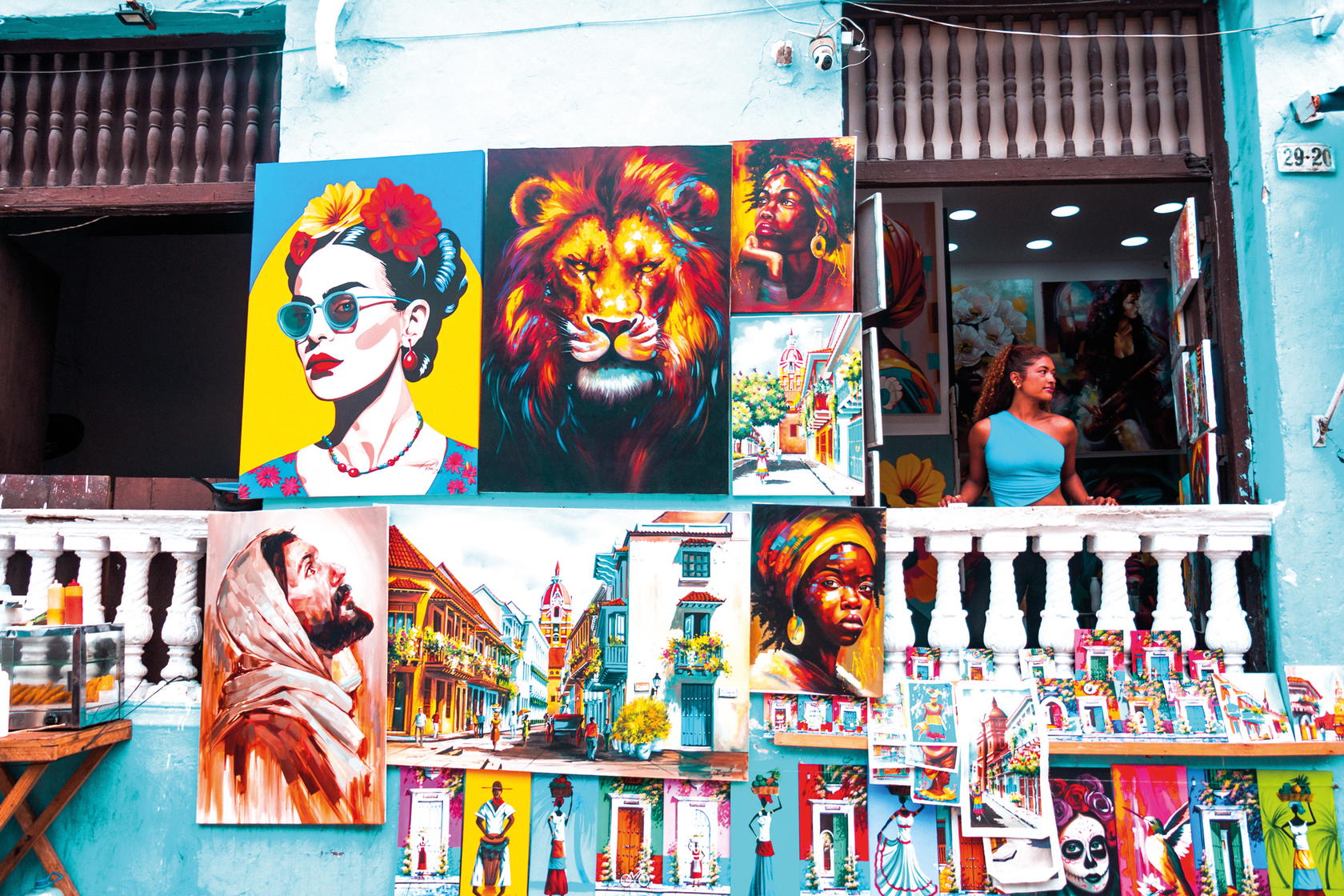
By evening, the place takes on a lively, party-like atmosphere, with music and dance animating its streets. Artists display vibrant, arresting paintings that celebrate African heritage and are available for purchase.
Getsemani’s wall murals convey strong social messages on Afro-Caribbean identity, gentrification, social inequality, and injustice. Tracing their roots back to formerly enslaved communities that formed independent settlements, the ubiquitous Palenqueras (Afro-Colombian women) are the symbols of resistance, still strutting through Getsemani’s streets in their bright red-blue-yellow ruffled gowns selling fruits and sweetmeats.
Outside the Church of Holy Trinity stands a statue of Afro-descendant independence leader Pedro Romero, who fought against colonial rule and represented the power of the common man and the resistance. In the evenings, I observe locals dancing the energetic champeta, born in Cartagena, and the slow, hypnotic Cumbia.
Nearby, the lively salsa bar Café Havana spills music onto the streets. In recent times, the city has embraced a new phase of global attention. In April this year, for instance, Four Seasons Cartagena threw open its doors on the outskirts of Getsemani, signalling the city’s emergence as a high-end destination and attracting globally minded travellers.
Cartagena’s contradictions feel deliberate rather than disruptive. The balance between preservation and reinvention persists unresolved, particularly in the interplay between community-rooted culture and a growing global luxury presence.
WHERE INGREDIENTS TELL STORIES
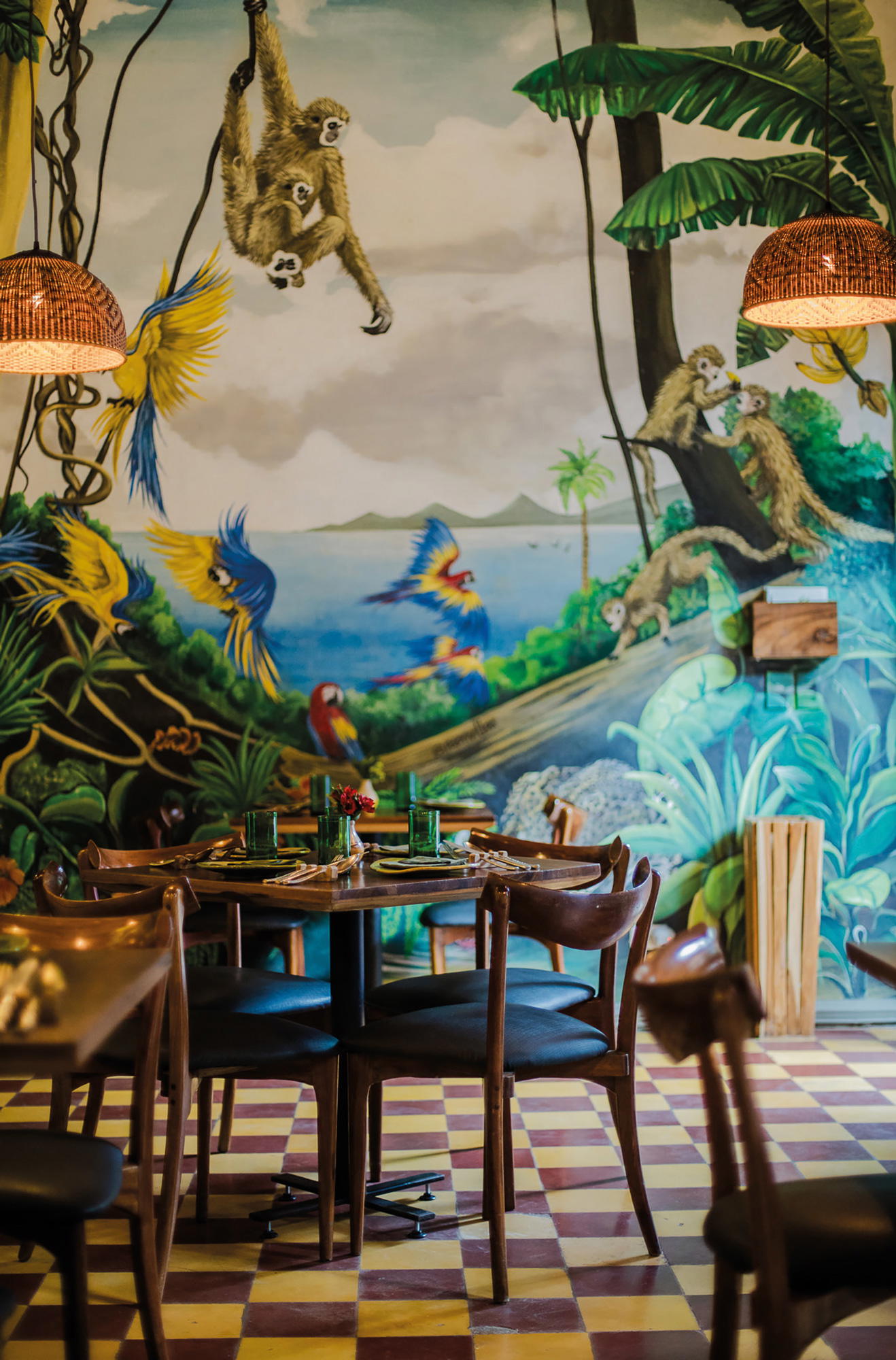
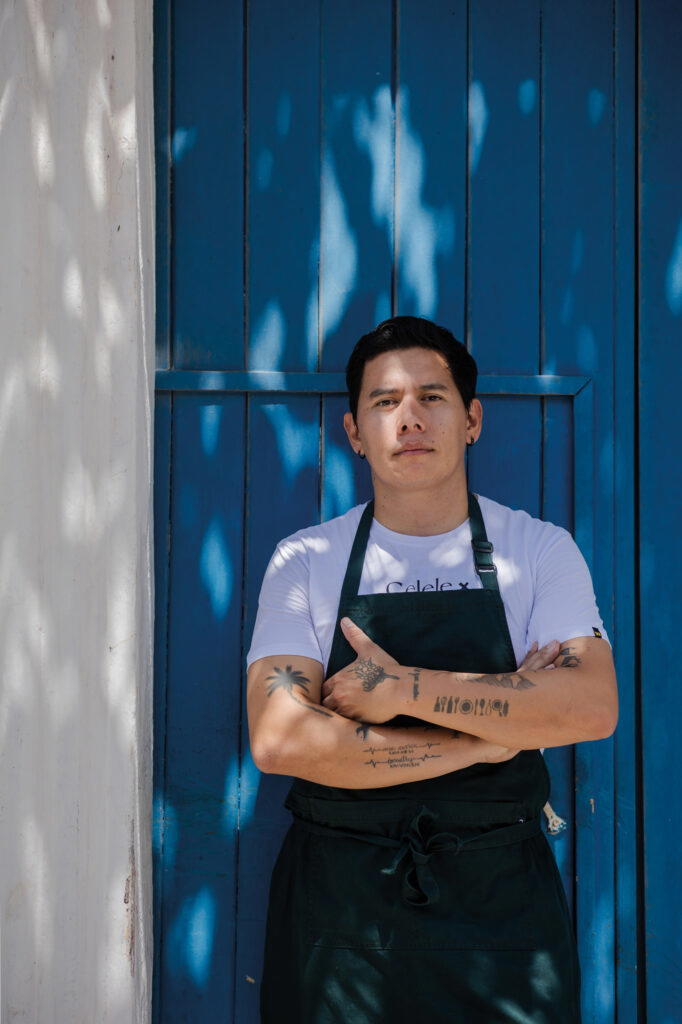
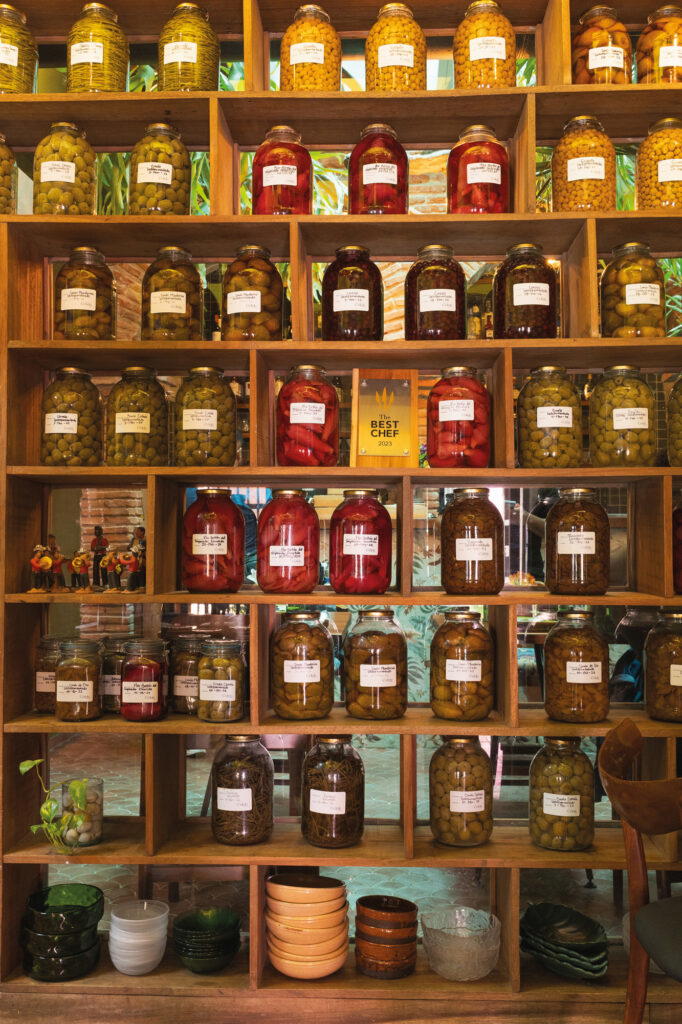
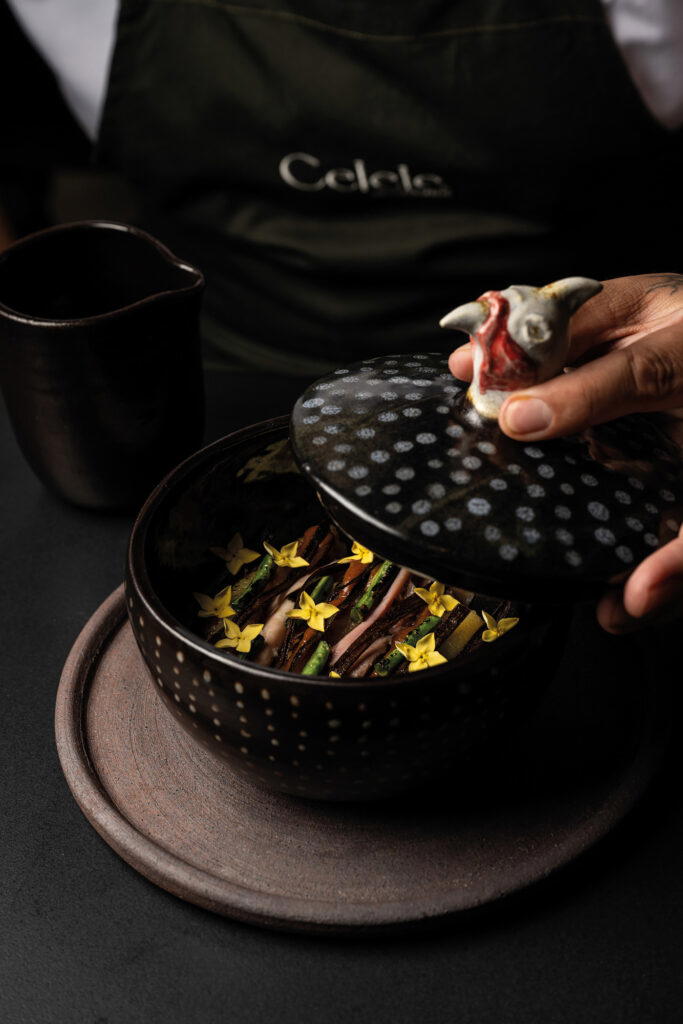
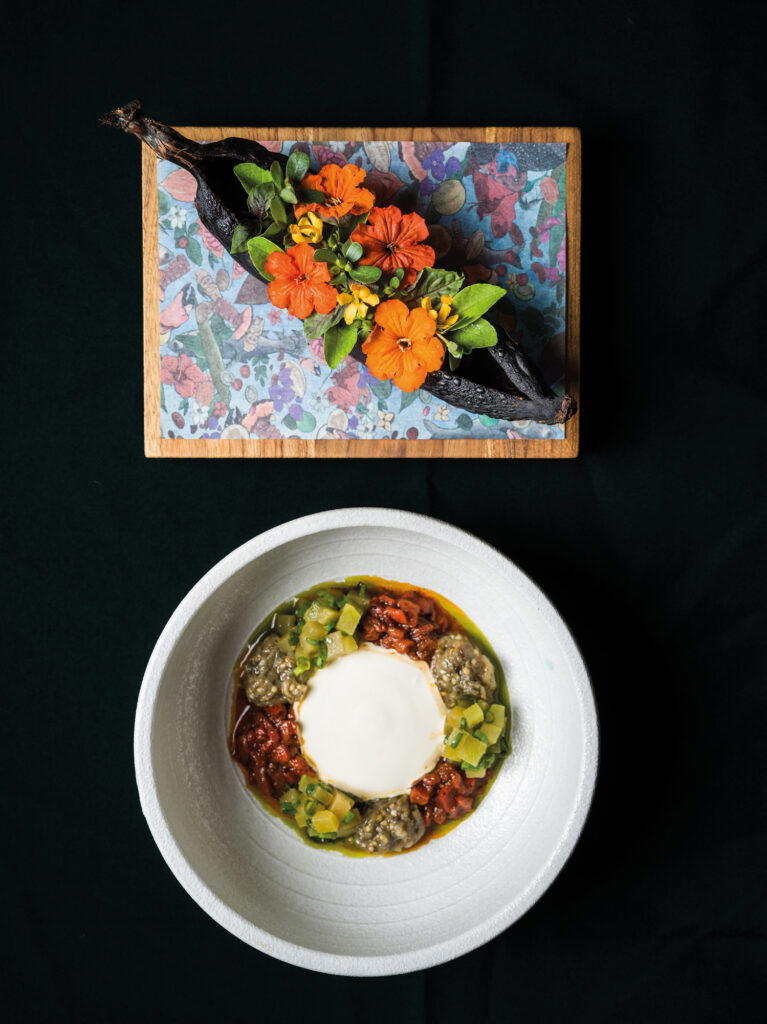
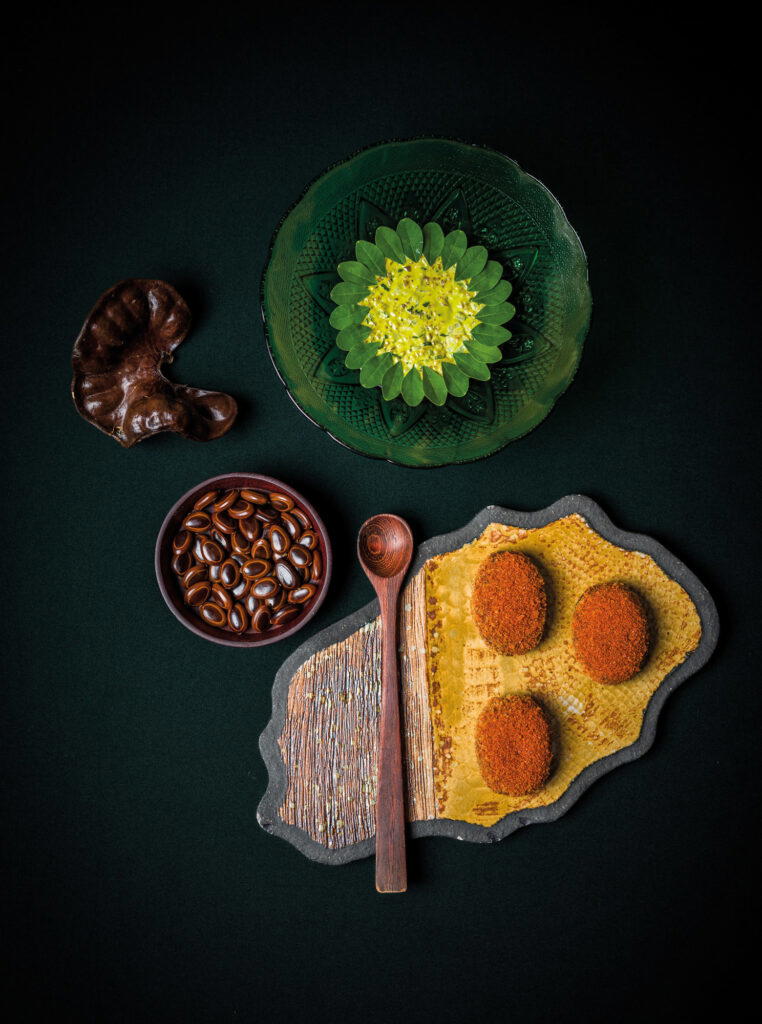
At Celele restaurant, chef Jaime Rodriguez reimagines Caribbean-Colombian cuisine using wild, sustainable, and seasonal ingredients sourced from indigenous communities and farmers. His dishes seamlessly blend tradition with a touch of the contemporary.
A prized member of The World’s 50 Best Restaurants, he is passionate about showcasing the versatility of wild ingredients for his customers. “Cartagena’s historical significance has contributed to the diverse ingredients and techniques used in the city’s cuisine,” Rodriguez explains.
At La Cocina de Pepina, chef Christian Sepulveda serves dishes inspired by his grandmother’s recipes rooted in the culinary traditions of Córdoba, a region southwest of Cartagena on the Caribbean coast. I sample rustic dishes like hearty mote de queso, a yam and cheese soup, and carne salada featuring salted and sun-dried beef cooked with vinegar, honey and seasonings. Boronia, a sweet-savoury mix of eggplant and ripe plantain, creatively combines two ingredients not typically associated with the region.
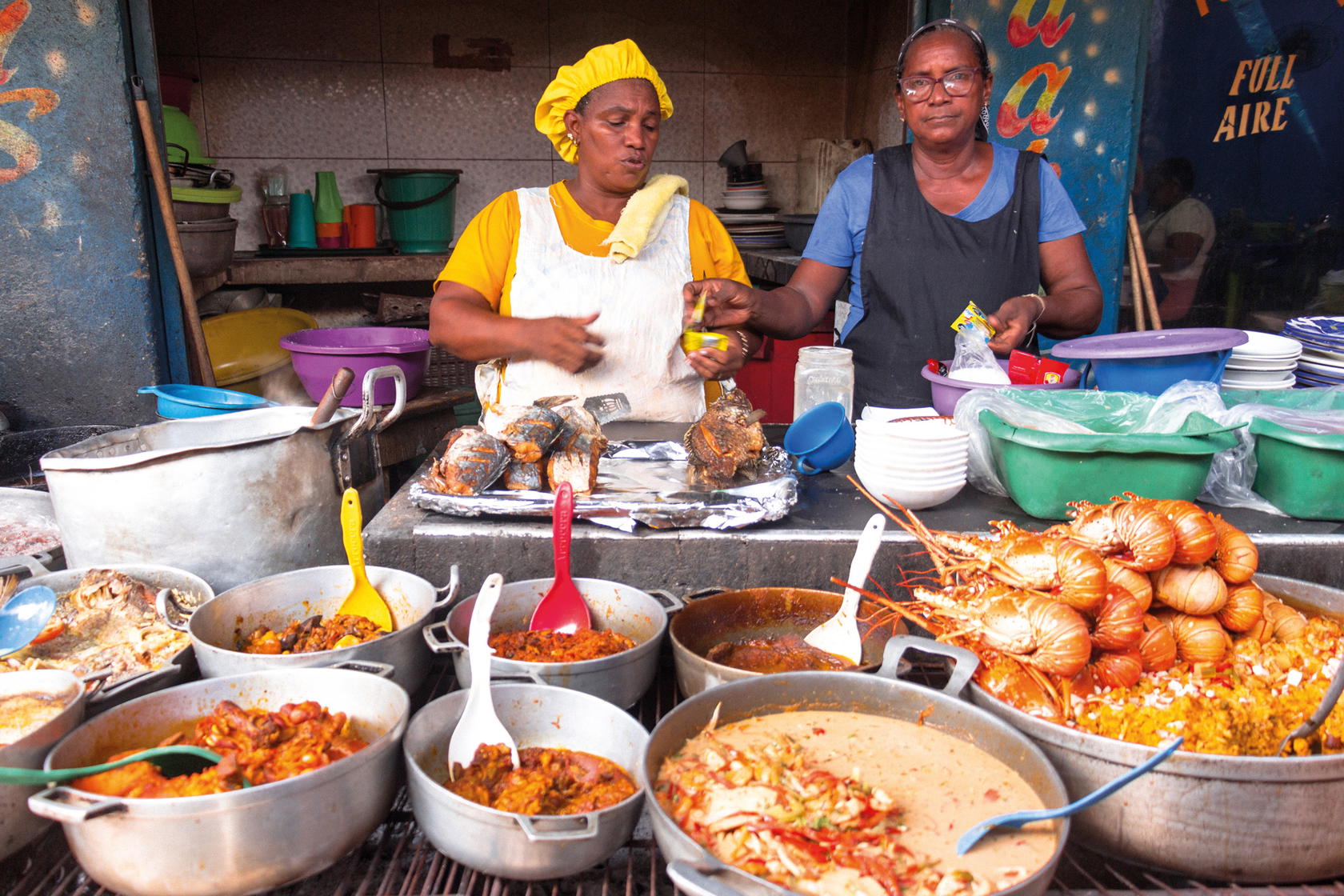
Cartagena’s markets bring ingredients and trade to life beyond its- restaurants. At Mercado de Bazurto, fish from the Caribbean coast and produce from inland farms flow in a constant, unstructured exchange. This is where the city’s cuisine takes shape—an everyday exchange that defines how Cartagena eats.
THE BEAUTY OF BECOMING
What lingers with me is how seamlessly these influences coexist in Cartagena. The city’s contradictions feel deliberate rather than disruptive, and the tension between preservation and reinvention persists unresolved, particularly in the interplay between community-rooted culture and a growing global luxury presence.
Walking its streets, where the air is thick with salt and music, I realise this Unesco World Heritage city is not simply preserved but continuously shaped by movement, migration, and the steady influx of new influences. It is this fluidity, rather than its facades, that gives Cartagena its enduring allure.