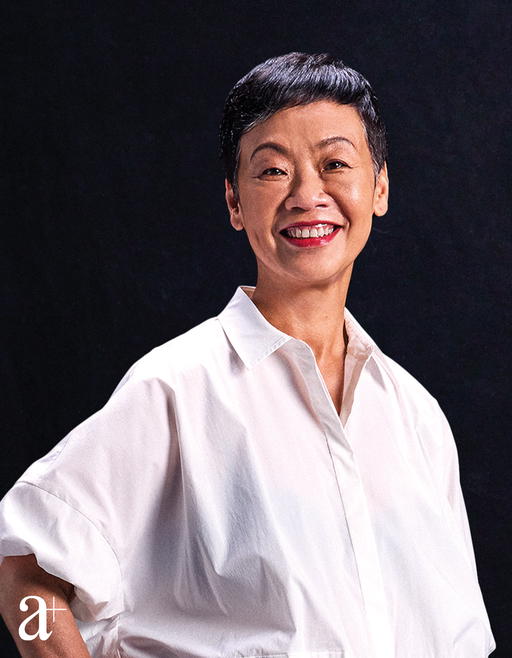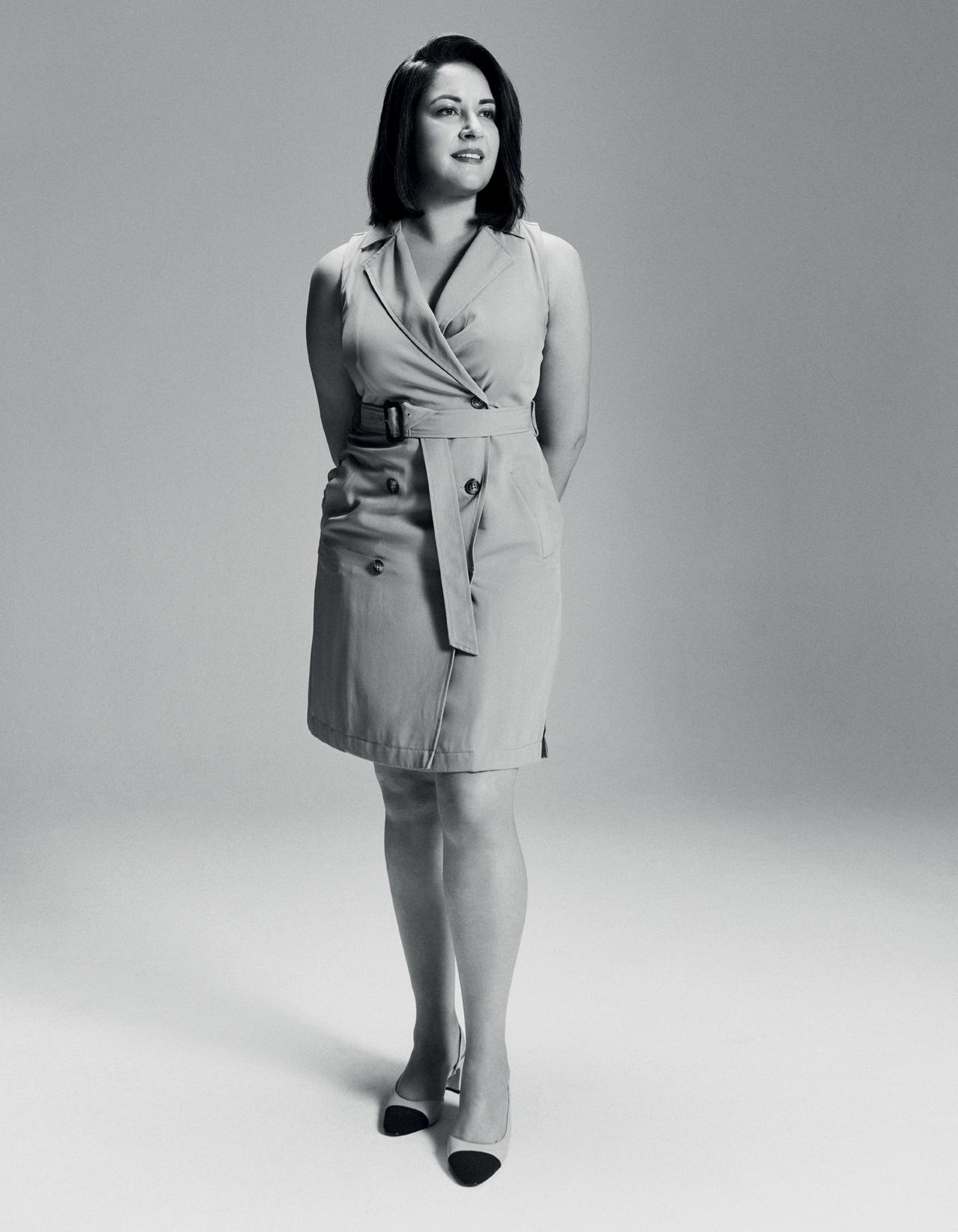
It’s been both a very long and short 18 months since Simran Toor left a career in law to become the CEO of nonprofit organisation SG Her Empowerment (SHE). From calling out unconscious bias to championing the protection of girls and women from deep fakes and cyber-harassment, Toor has been personally invested in amplifying gender equality issues using Singaporean data for Singaporean contexts.
In the last two years, SHE has launched three major initiatives. SHECARES@SCWO, Singapore’s first-ever support centre for online harms, opened in January 2023 and provides counselling, legal advice and help with reporting. “This is a helpline unlike any other,” says Toor.
“The average number of times someone calls in to get support and talk to a counsellor is about 16. So people actually look for quite a lot of support when they’re affected by online harms. It shows you how serious the impact can be.”
SHE also launched Sneak Peek, a programme to help girls aged 15 to 21 in their professional and personal development, by giving them exposure to a wide range of workplaces. “Women are sometimes less successful than men in creating the networks they need to succeed,” she explains.
“That’s compounded if you have a challenging background, like not having a relative who can bring you to their law firm for a day, for example. This can result in a limiting mindset. So we worked with companies like Standard Chartered Bank, SHEIN, Grab, and SMRT, who provided half-day learning visits.”
SHE is continuing the programme this year, focusing more on leadership. “We want to empower them to feel confident enough to self-promote, without feeling like ‘I’m being bossy’ or ‘it’s unacceptable for an Asian female to talk like this’.”
Her work has also led her to some interesting Singapore-specific findings on gender stereotypes. At its inaugural annual symposium last November, SHE released a study which found that while seven in 10 respondents believed women and men were treated equally, traditional gender stereotypes still shaped many behaviours.
“There was a mismatch,” says Toor, who admits she wasn’t surprised by the findings, but she felt sad about them. “I’m glad we’re very optimistic, but we should be realistic too, and start talking about these issues.” She notes that the study really took into consideration the local nuances of Singapore, citing the example of live-in domestic workers.
“Many Singaporeans have helpers, which allows lots of women to join the workforce. But if you took away that help tomorrow, would it be the husband or the wife who would be expected—or even expect themselves—to look after the household?”
Since getting married last year, Toor is now a “bonus mum” to two pre-tween girls. “Getting married late meant I had more time that I was happy to fill with volunteer work and serving on the Law Society Council. I realised that if I’d had a family earlier, I wouldn’t have made the same decisions in my professional life that I did,” she muses. “Now, more than ever, I can empathise how balancing home and work is a major challenge for a lot of women here.”
It’s this invisible mental load that women experience that Toor wants to put more of a spotlight on in SHE’s work. “In Singapore, women often struggle silently asking, ‘How do I balance work and family?”
“I think a lot of SHE’s work caters to this everyday woman—that’s who we’re here to advocate for. I’m personally interested in what being a successful woman in Singapore means, and believe we should be more inclusive in how we define ‘success’. Those are important conversations we must have.”
Producer: Adora Wong
Art director: Ed Harland
Videographer: Alicia Chong
Photographer: Mun Kong
Photographer’s assistant: Hizuan Zailani
Makeup: Ying Cui
Hair: Aung Apichai