
There are approximately 8,030 female sex workers in Singapore at any one time, according to a study by the NUS Saw Swee Hock School of Public Health. It estimates that only 10 percent of these workers operate in licensed brothels.
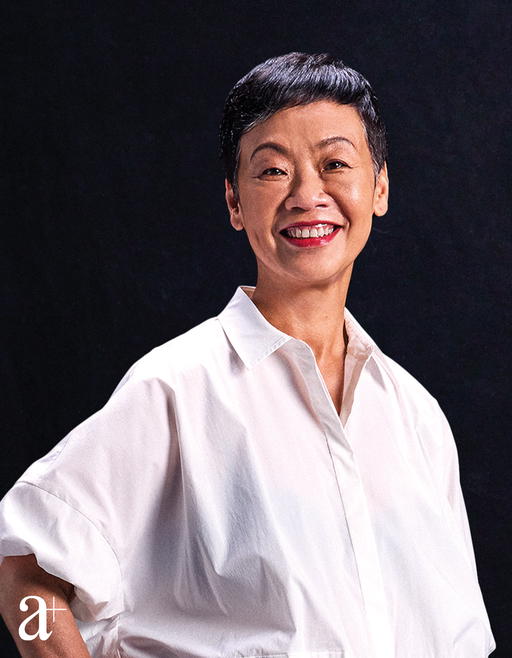
A non-profit organisation that provides social, emotional, and health services to people in the local sex industry, Project X supports sex workers of all genders, nationalities, and licence status. As it stands, the laws surrounding sex work in Singapore are complicated, says executive director Vanessa Ho. “There are people working legally, such as yellow card permit holders; people whose work falls into the grey area; and people who would be criminalised. But no matter their legal status, we believe sex workers deserve recourse if they are victimised by exploitation or violence,” she underscores.
The most vulnerable of the lot, she adds, are those who fall into the grey area because their employers aren’t usually penalised. Even our courts have acknowledged that victims may be reluctant to come forward when offences are committed against them for fear of compromising their illegal activities or have their questionable immigration status scrutinised.
Project X primarily assists in three ways. In addition to outreach and testing programmes that provide safer sex resources to people in the industry, it also assists sex workers wanting to leave the field and aids ones in distress. Those in the latter category usually have been assaulted by clients or got themselves arrested. As part of its efforts to protect everyone from harm, the organisation also aims to correct false beliefs regarding sex workers.
It is a common misconception, Ho says, that there are two types of sex workers: ‘victims’ who have been coerced or forced into it, and ‘bad women’ who willingly do it. The reality, however, is much more nuanced than these binary opposites. “Those forced into the sex industry aren’t necessarily helpless victims. Many show great resilience and resourcefulness to overcome their situations.”
“People who enter the industry may have done so for personal reasons. It could be financial difficulties or the fact that they find sex work fulfilling.”
Vanessa Ho on withholding judgment on sex workers
The truth is that sex work paves the way for opportunities for it has enabled families to break out of poverty cycles, helped mothers to put their children through university education, allowed daughters to support their ageing parents, assisted people in dysfunctional homes to seek a safe shelter, and empowered people with disabilities to support themselves. Additionally, it fulfils a key human need. “Some of our clients are low-wage foreign workers who don’t get to see their families for long periods of time, people with disabilities, and people who have trouble finding a partner,” Ho explains.
Being on the ground means she and her team witness first-hand the maltreatment and discrimination faced by sex workers. But they are determined to keep going as long as these inequalities exist, she asserts.
“The stigma surrounding sex workers comes from not knowing what actually happens, and I don’t blame anyone as misconceptions about sex workers are very prevalent. We need to shed light on the realities of sex workers’ lives.” She continues, “Project X envisions a day when sex workers are not afraid to speak up, and when non-sex workers are not afraid to listen.”
Art director: Ed Harland
Videographer: Alicia Chong
Photographer: Mun Kong
Photographer’s assistant: Melvin Leong
Hair: Sarah Tan
Makeup: Keith Bryant Lee using Lancome