
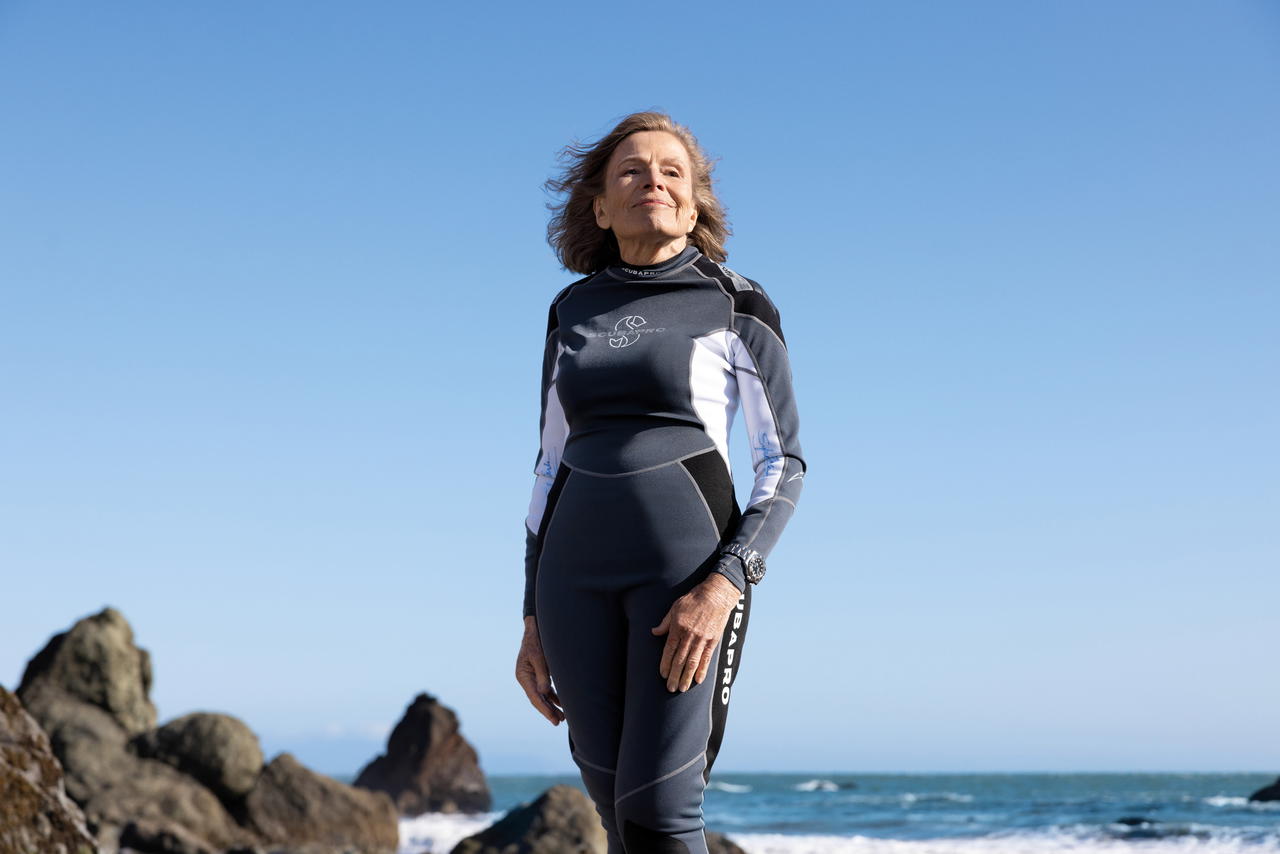
Few people have argued for the ocean with as much stamina as Dr Sylvia Earle. The American marine biologist has spent thousands of hours underwater and led over 100 expeditions, achievements that once seemed impossible but now serve as the foundation of modern conservation.
The first female chief scientist at the US National Oceanic and Atmospheric Administration, she set the record in 1979 for the deepest solo, untethered seafloor walk (381m in the Pacific) and has received numerous top honours, including the National Geographic Hubbard Medal, Explorers Club, and Royal Geographical Society.
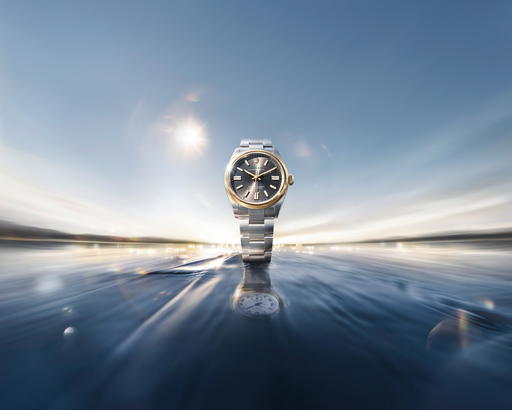
As she turns 90 this year, Rolex is celebrating her work and advocacy spanning six decades, which have transformed the ocean from a distant blue expanse into a vital system in need of urgent protection. Having supported Earle for more than 40 years, Rolex is also using this occasion to highlight her influence and remind audiences that the work she started continues today.
A Rolex Testimonee since 1982, Earle’s reputation was built both in the lab and in the ocean. After earning a PhD in marine algae from Duke University, she became a public figure in 1970 with Tektite II, a two-week saturation mission in the US Virgin Islands.
To study marine life and the physiological realities of living under pressure, she led a team of aquanauts living 15m below the surface. As Earle and her team were honoured at the White House, she used the spotlight to call attention to the fragility of marine ecosystems through a worldwide campaign comprising 80 lectures and over 250 publications.
The story Rolex shares this year is less about firsts and more on following through. Earle’s 2009 TED Prize proposal, Hope Spots, a global network of ecologically vital marine areas, evolved into Mission Blue, an initiative to mobilise local communities and governments for long-term protection.
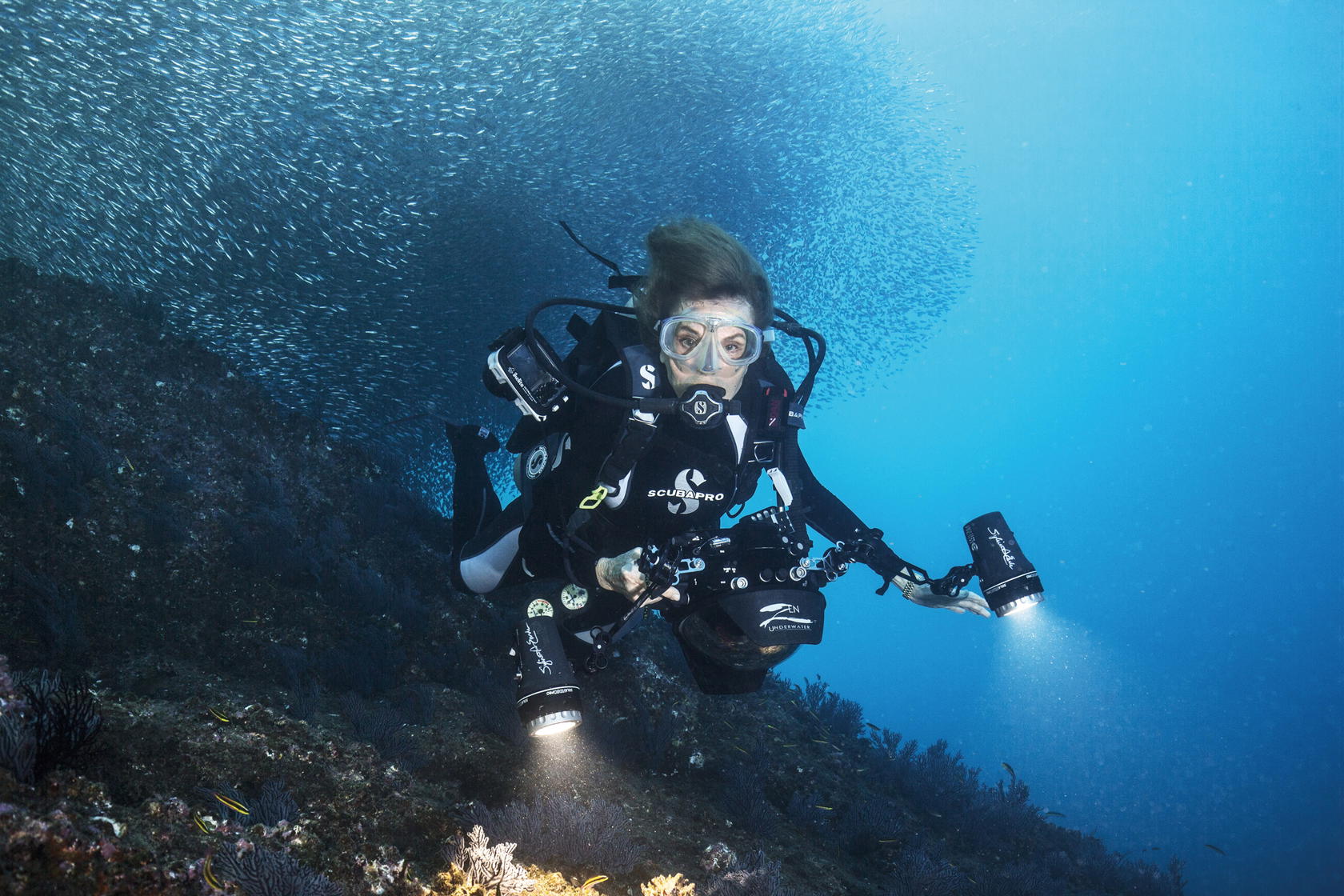
With the support of Rolex since 2014, Hope Spots have grown from around 50 to over 160, spanning from the Azores to Nusa Penida, offering a positive narrative amid reports of bleaching, overfishing, and acidification. “Whether we are explorers or concerned citizens, we must save the planet for future generations,” says Earle.
The timing is not accidental. Only about eight percent of the world’s seas are meaningfully protected today. More than 100 countries have pledged to safeguard at least 30 percent by 2030. That pledge, whether fulfilled or not, owes much to Earle’s persistence on stage and in journals, as well as the recognition that followed, including 34 honorary degrees.
It is in keeping with Rolex’s Perpetual Planet Initiative, which was launched in 2019 to support those who measure and protect the environments they study. From Mission Blue to Coral Gardeners in the Pacific, the programme now supports more than 30 partners.
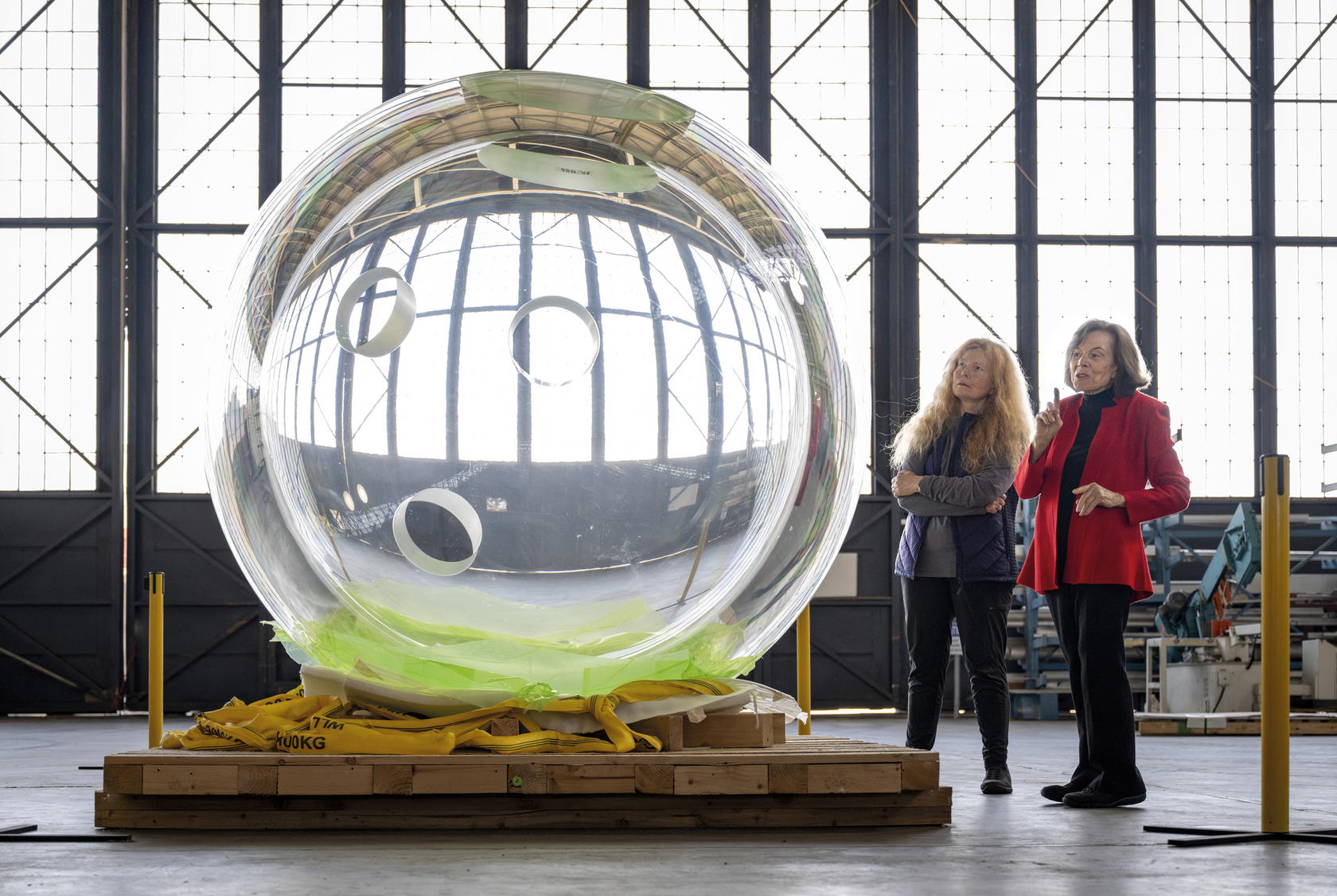
What does it mean to honour a scientist turning 90? It means ensuring continuity in her work in this case. The habitats she helped popularise still matter, the networks she seeded still need tending, and the communities she helped elevate still need resources and legal protection.
“All of us, individually and collectively, must respect nature and take care of it,” says Earle. “We need to treat the ocean and the rest of our living planet like our lives depend on them—because they actually do.”