In 1947, a Chicago-based board of scientists and climate scientists established the Doomsday Clock, a symbolic clock that has become an internationally recognised indicator of the world’s vulnerability to global catastrophe.
According to the Bulletin’s survey of the world this year, the clock was set to reflect 90 seconds until midnight—the closest the clock has ever been set to midnight (doomsday). But that’s not to say that the Doomsday Clock only marches ever forward. When the clock was initiated, it was set to seven minutes to midnight; in 1991, at the end of the Cold War, it retreated 17 minutes—the furthest it has ever been set. It was the Bulletin’s way of encouraging the world: there is hope, yet.
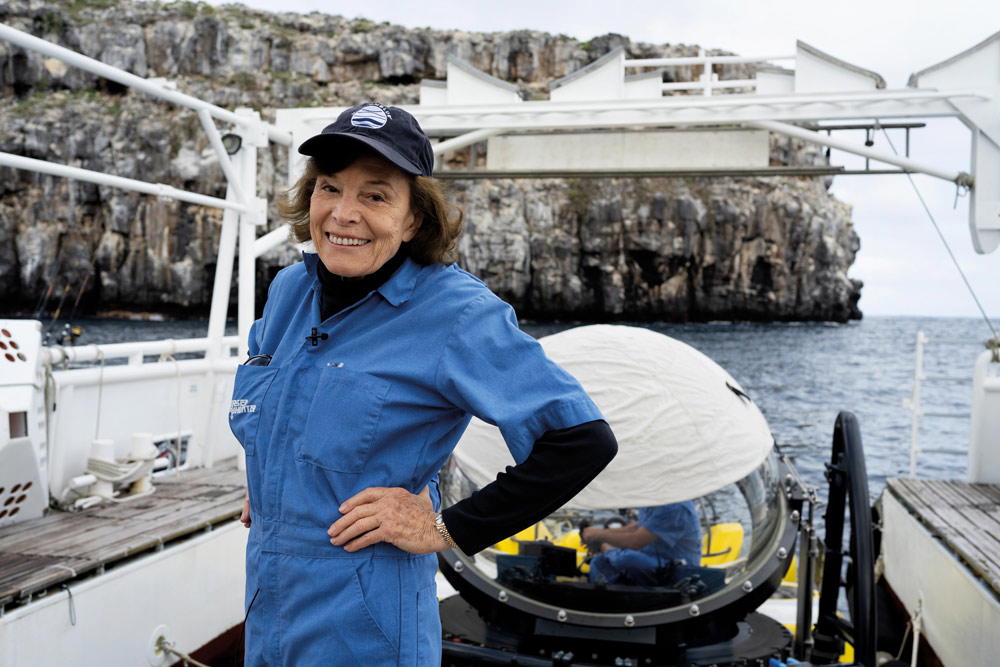
There is hope yet, because of individuals like legendary oceanographer and Rolex Testimonee, Sylvia Earle, whose numerous efforts in research, education and conservation continue to make a difference. Earle’s life’s work has inspired more than just marine biologists and conservationists. She has been a Rolex Testimonee since 1982, serving as a treasured spokesperson for a brand that has supported pioneering explorers pushing back the boundaries of human endeavour for nearly a century.
One of Earle’s greatest legacies is the Mission Blue project, which is supported by Rolex through its Perpetual Planet Initiative. Founded in 2019, the Perpetual Planet Initiative supports and encourages the exploration of the world to better protect it. Rolex has done this by supporting the work of scientists, conversations and explores from a myriad of disciplines.
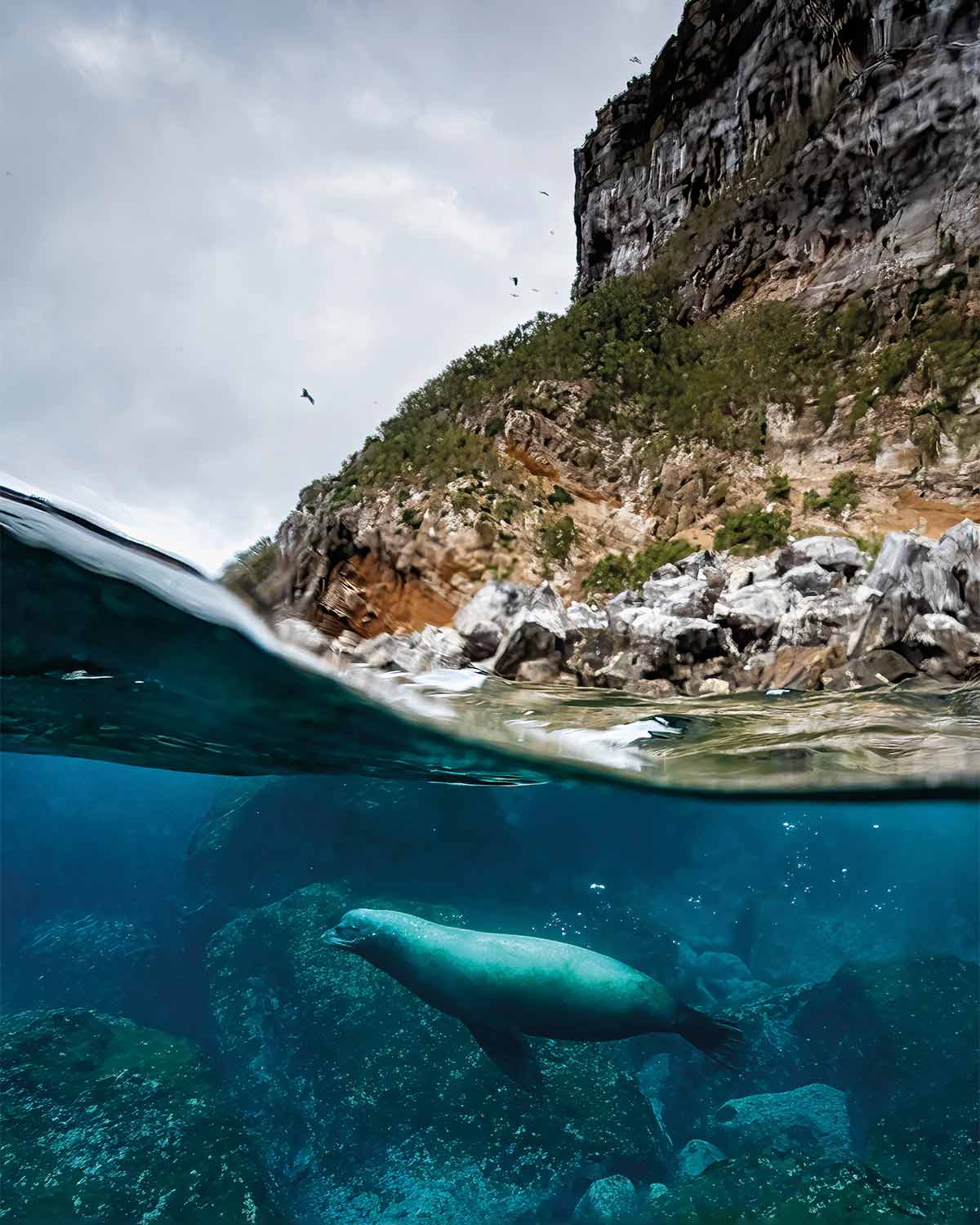
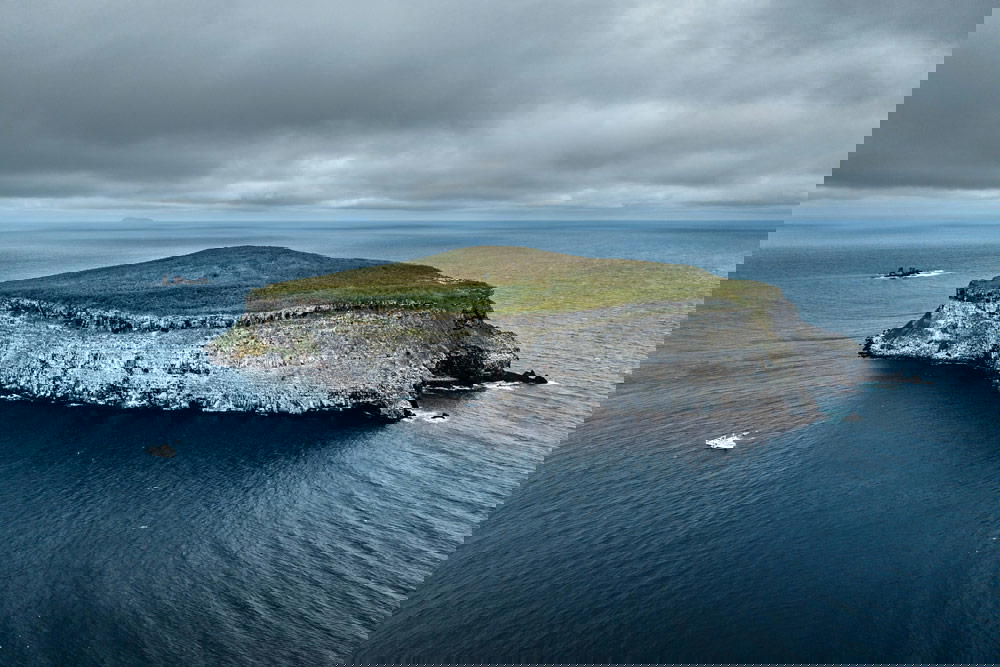
Established in 2010, Mission Blue’s objective is to establish a worldwide network of Hope Spots, areas with marine ecosystems whose protection is vital to the health and future of the oceans. One of the first Hope Spots Earle identified was the Galápagos Islands, for the sheer bounty of biodiversity that can be found here. When Earle first visited the Galápagos Islands in 1966, she remarked that it is “the sharkiest, fishiest place” she had ever seen.
Over time, however, it became clear that the Galápagos is also vulnerable because of its diversity. In 1998, Ecuador designated 133,000 sq km of Galápagos waters as protected waters, creating the Galápagos Marine Reserve. The challenge of balancing protection and human activities persists despite this.
During a two-week research expedition in 2022, Earle and scientists from multiple institutions explored the Galápagos Marine Reserve to determine its effectiveness. The initiative aims to survey the marine ecosystems in the area extensively to identify challenges and mobilise conservation efforts.
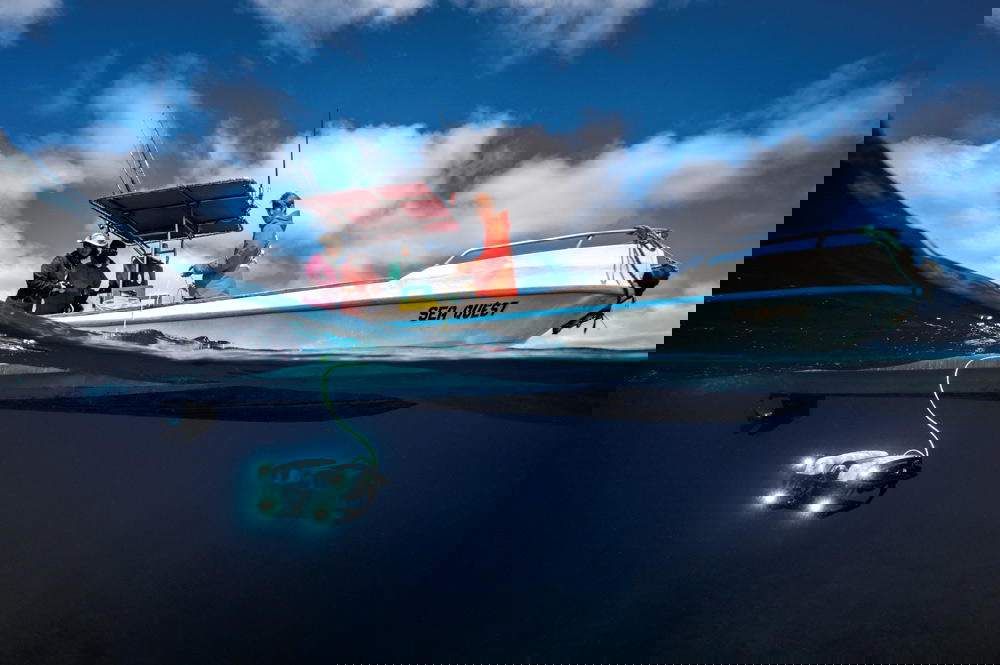
Relying on cutting-edge research technologies, such as environmental DNA (eDNA) collection and underwater video systems, the expedition team was able to catalogue the population data and make some remarkable discoveries. Using eDNA analysis, which uses traces of animal DNA that is found left in an experimental water column, scientists were able to gather DNA samples that have not been sequenced or identified yet.
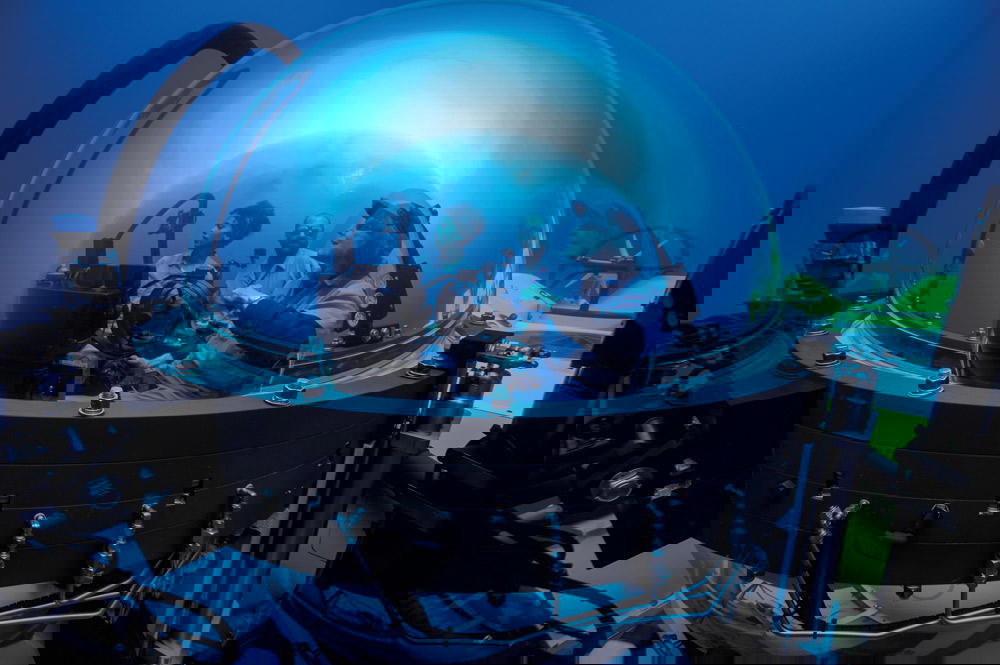
This would not be the first discovery for the team. In a previous year, Earle and Salome Buglass of the Charles Darwin Foundation discovered a new species of kelp deep under the Galápagos Islands’ waters. In 2022, both managed to witness lush forests worth of this kelp when they boarded the DeepSee submersible.
“Kelp forests in other parts of the world have a critical role in supporting biodiversity, and maybe we have found that piece of the puzzle that explains why biodiversity and biomass are so amazingly rich in the Galápagos,” shares Buglass. The hope here, as explained by Alex Hearn from the Galápagos Science Center and principal investigator on the expedition under Earle’s leadership, is that “if we can get it right here [in the Galápagos], that is a blueprint for getting it right across the planet.” Adds Earle, “If you can’t protect the Galápagos Islands, what part of the planet can you protect?”
Earle and her colleagues are still working to gain insight into the feeding and migration patterns of various creatures, including sharks and turtles, even though the expedition has ended. It is crucial for her to understand the interconnectedness of different locations and ecosystems so that conservation efforts in the future can be designed to “think like an ocean”, as she puts it. In spite of being geographically separated, no ecosystem is truly isolated from its neighbours.
As a result of Earle’s Galápagos mission, conservation efforts have spread worldwide: Ecuador, Panama, Colombia and Costa Rica announced in 2021 the creation of the Eastern Tropical Pacific Marine Corridor initiative, which will add to the world’s protected waters by constructing a no- fishing “swimway” along a key migration route for marine life.