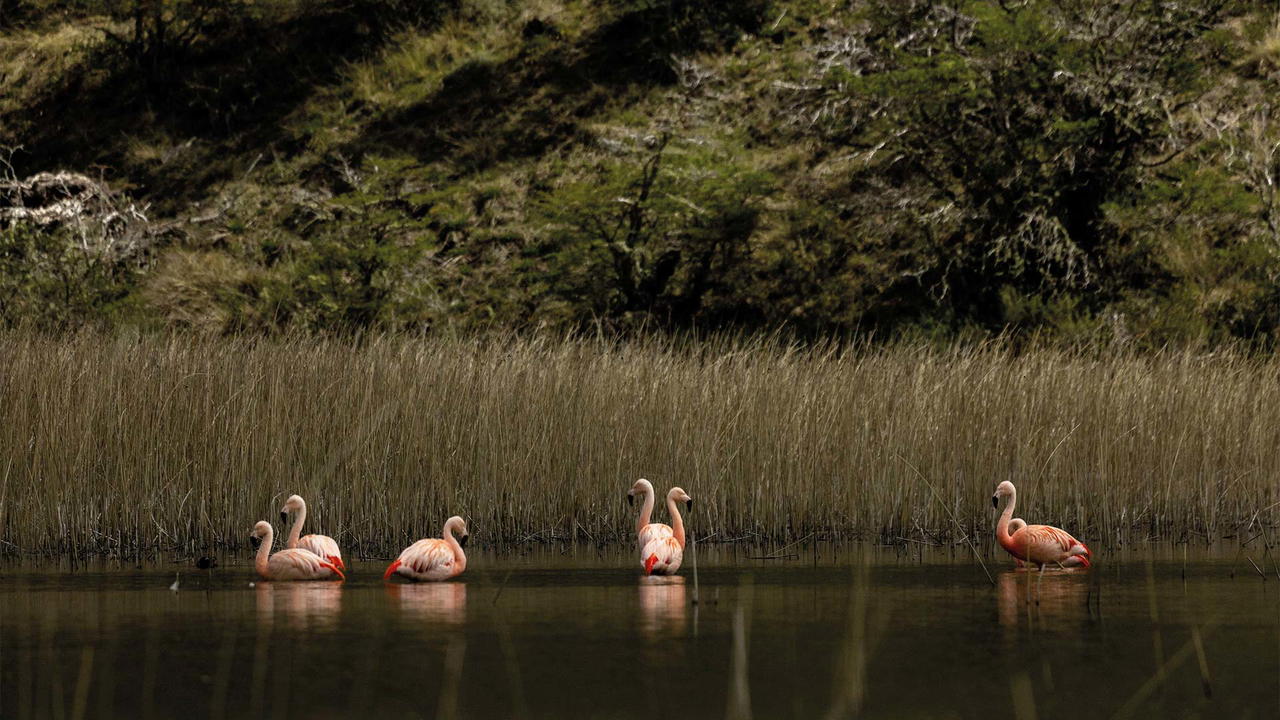
The United Nations Environment Program (UNEP) lists Latin America as one of the most biodiverse geographies on planet Earth. To be specific, UNEP has stated that 60 percent of global terrestrial life, alongside diverse freshwater and marine flora and fauna, can be found within Latin America and the Caribbean. Thus, it comes as a disconcerting surprise to learn that the World Wildlife Fund’s Living Planet 2022 report warns that wildlife populations in Latin America and the Caribbean have decreased by 94 percent on average in the last 50 years.
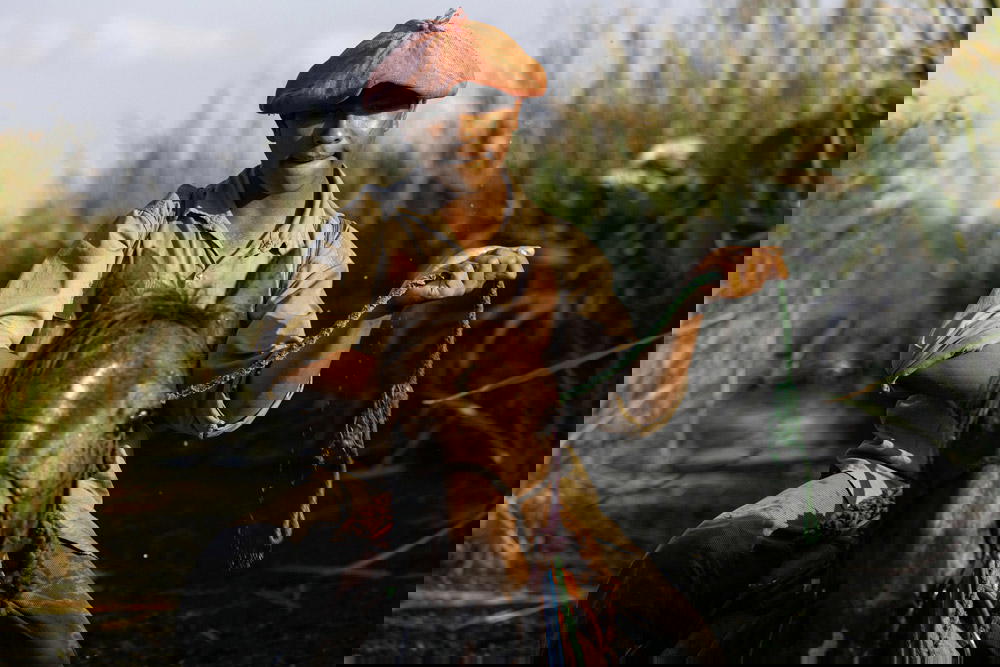
Photo: Rolex.
Hope yet remains. Significant efforts are already underway to ensure that Latin America does not become absolutely desolate in the next 50 years. For instance, the 19th Conference of the Parties (CoP19) to the Convention on International Trade in Endangered Species of Wild Fauna and Flora (CITES) was held in Panama City in November 2022, marking the first time in over two decades that signatory governments have gathered in Latin America. A considerable number of agreements were signed, and policies were implemented at this year’s CoP19, which brought much-needed visibility to the state of wildlife in the region.
It will, however, be the work on the ground, which has been underway for decades, that will make the biggest, most noticeable difference.
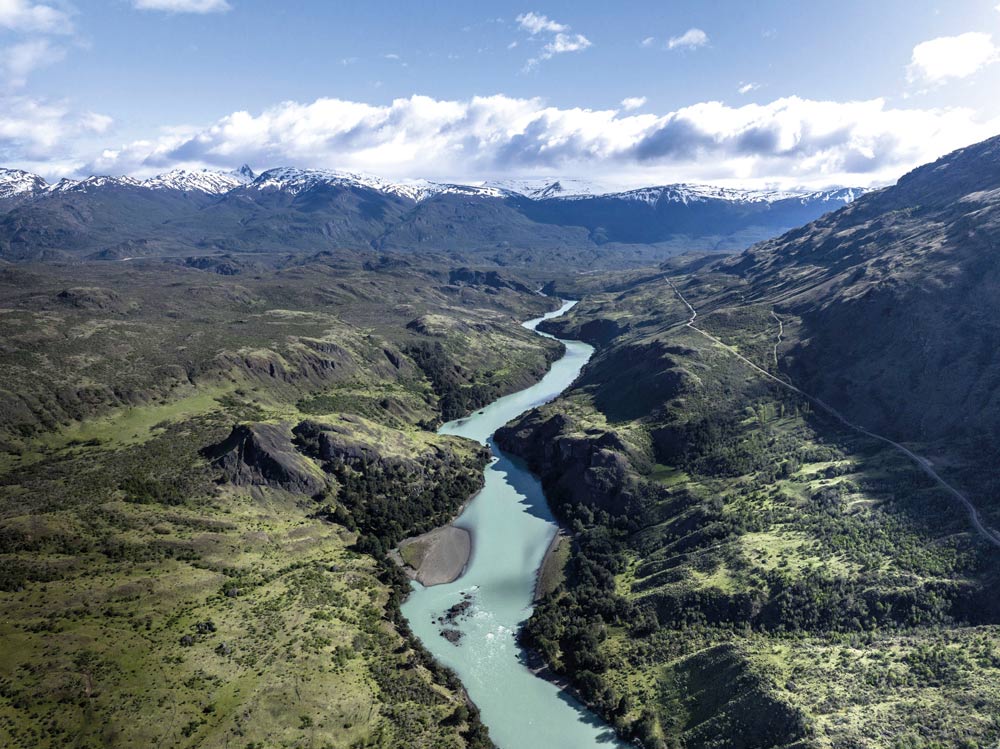
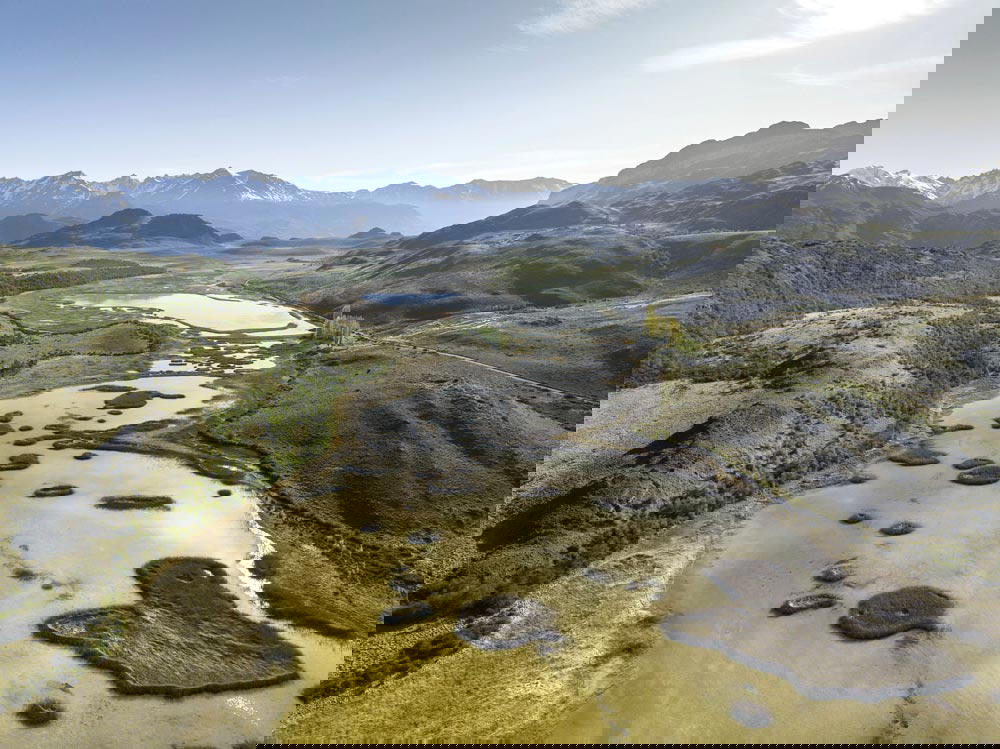
Take for instance the work of the Tompkins Conservation, co-founded by the late Douglas Tompkins (1943 – 2015) and wife, Kristine Tompkins. From as early as the 1990s, they purchased vast expanses of land, much of it ravaged by human activities in Chile and Argentina, with the intention of restoration. It was more than just a matter of clearing and restoring. The Tompkins collaborated with the local communities and authorities to inculcate sustainable commerce and living.
A decade later, Tompkins Conservation progressed to donate the land back to the two countries’ governments to create national parks. The only caveat in place was that both governments would commit to adding more land to be protected and that unprotected land could also be raised to national park status. Because of this agreement, 15 national parks were created between the two countries, including Iberá National Park, the largest protected natural area in Argentina, and Patagonia National Park in Chile, which is the largest grassland restoration project in the world.
Tompkins believed that “individuals who recognise the great unravelling of natural and human communities across the globe have a responsibility to act to stop it”. Both left highly successful business careers to act upon these convictions. Tompkins founded The North Face and Esprit brands, while Kristine served as CEO of the brand Patagonia for a long time.
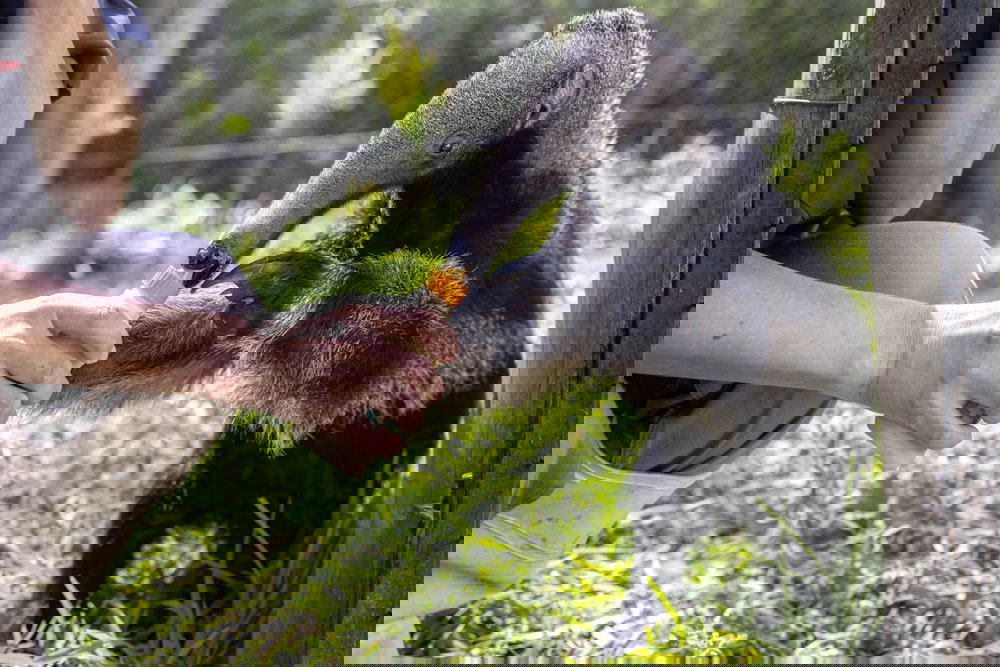
Photo: Rolex.
In restoring ravaged land, the dynamic duo also recognised that the way forward was to work towards reintroducing native species. “Landscape without wildlife is just scenery. We are not in the scenery business. We’re in the business of creating fully functioning ecosystems,” says Kristine. This led to two more offspring organisations: Rewilding Argentina and Rewilding Chile.
As part of the Rolex Perpetual Planet Initiative, these initiatives expand on the duo’s legacy of ecosystem restoration by creating ecological communities that can last a lifetime.
Iberá National Park, for example, was nothing more than land degraded by decades of cattle farming. Jaguars that were once native to Iberá, had been extinct in the area for well over 70 years. As part of Rewilding Argentina, key species were reintroduced to the area, starting with top predators like the jaguar, which present the possibility of balancing the local ecosystem through a cascading effect.
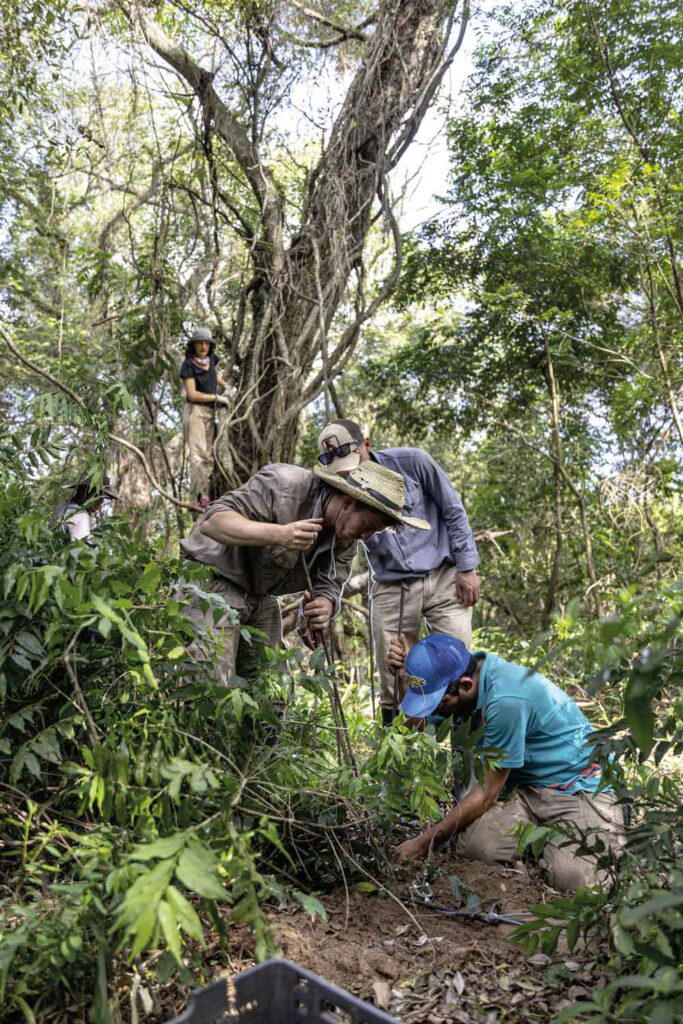
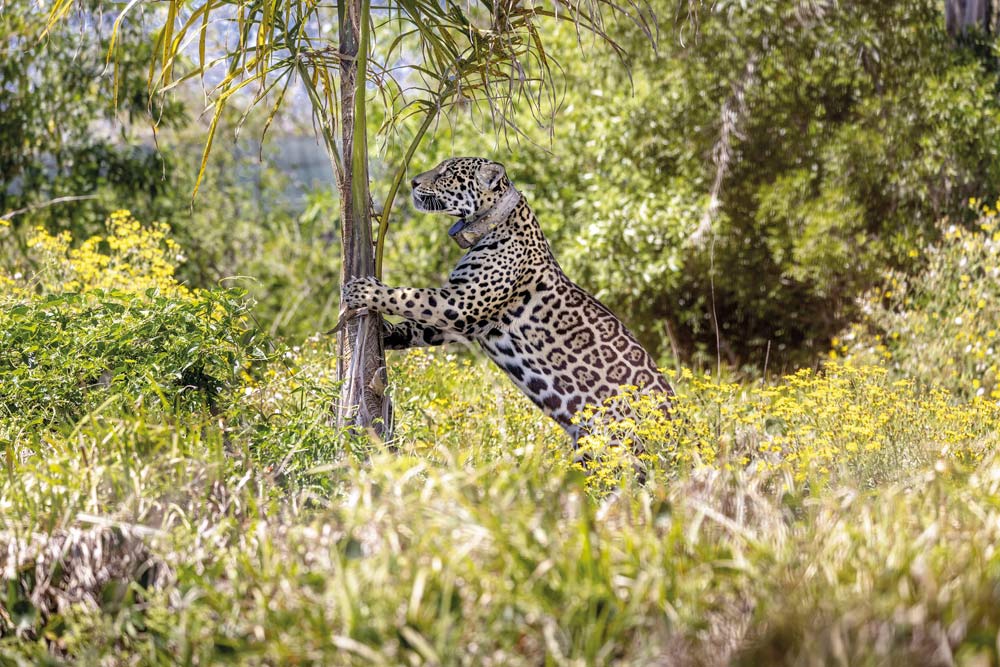
At least 12 wild jaguars now roam free, and Rewilding Argentina expects a baby boom soon. The team has also worked to reintroduce other animals such as giant anteaters, who help keep the local populations of countless ant species in check. Other reintroductions include pampas deer, macaws, and soon, ocelots and giant otters. Long-term, the hope is that these populations will become self-sustaining and Iberá National Park will become one massive symbiotic ecosystem.
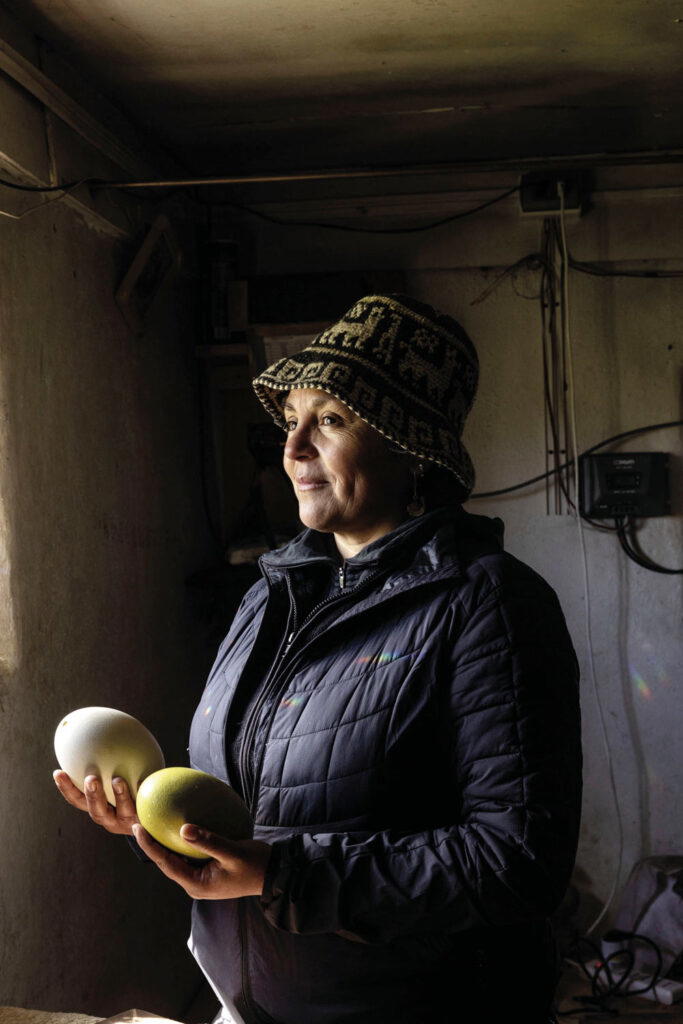
Photo: Rolex.
Cattle farming had also degraded the Patagonia National Park in Chile before Tompkins Conservation purchased and restored the land. The Rewilding Chile team had to remove hundreds of kilometres of ranchers’ fencing, which restricted the movement of animals such as guanacos. Restoring the local guanaco population has also led to the recovery of predators such as the pumas.
The landscape reset has also led to the growth of more isolated species such as the flightless bird Rhea and the huemul, or South Andean deer, Chile’s national symbol. The hope in place is that Patagonia National Park will be restored to the massive symbiotic ecosystem it once was.
Rolex Perpetual Planet Initiative, which was launched in 2019, supports individuals and organisations in identifying and solving environmental problems. Cristián Saucedo, Wildlife Director for Rewilding Chile, says, “Rolex is playing a pivotal role in supporting our rewilding efforts here in Patagonia National Park. What we’re doing here acts as a model, not only here in Chile, but around the globe.”
Kristine Tompkins agrees, “I have worked in the corporate world for 50 years, so I understand the power that companies have. The more I learn about Rolex, the happier I am that Rewilding Chile and Rewilding Argentina are partnering with them to affect change around our shared values.”