There was a tennis match between Jimmy Connors and Rolex Testimonee Björn Borg in 1978 that tennis fans may remember. Later at a news conference, former world No. 1 and British tennis legend Fred Perry remarked about Borg’s stellar 6-2, 6-2, 6-3 performance, saying, “Everything went Borg’s way today.If he had fallen out of a 45-storey window in a New York skyscraper, he would have gone straight up.” That 8 July match marked Borg’s third consecutive singles title. The 22-year-old Swede became one of tennis’ leading stars.
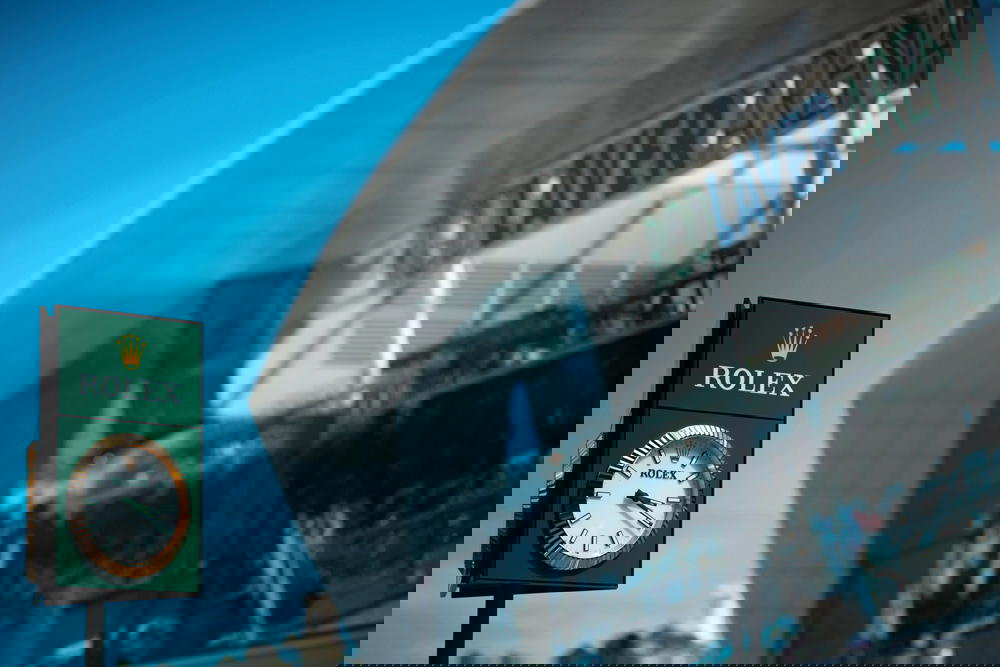
Besides his accomplishments, 1978 marked an important year for horologyas well because Rolex entered the sport for the first time, beginning the 45-year relationship. Today, Rolex sponsors the four Grand Slam tournaments: The Championships, Wimbledon, Australian Open, Roland-Garros, and the US Open. In addition to being the principal supporter of the world’s most prestigious tennis tournaments, the partnership is further strengthened by its relationships with governing bodies, including the Association of Tennis Professionals (ATP).
One might wonder why the Geneva-based watchmaker pursued such a relationship. The reason is simple: Rolex values sports and human achievement highly. Since its earliest days, it has aligned its watchmaking pursuits with mankind’s grand ambitions, seeking partnerships with individuals and organisations in the arts and sports world that are performing to the highest standards. Chronometers and reliability remain the industry standard, thanks to its relentless and unceasing pursuit of innovation.
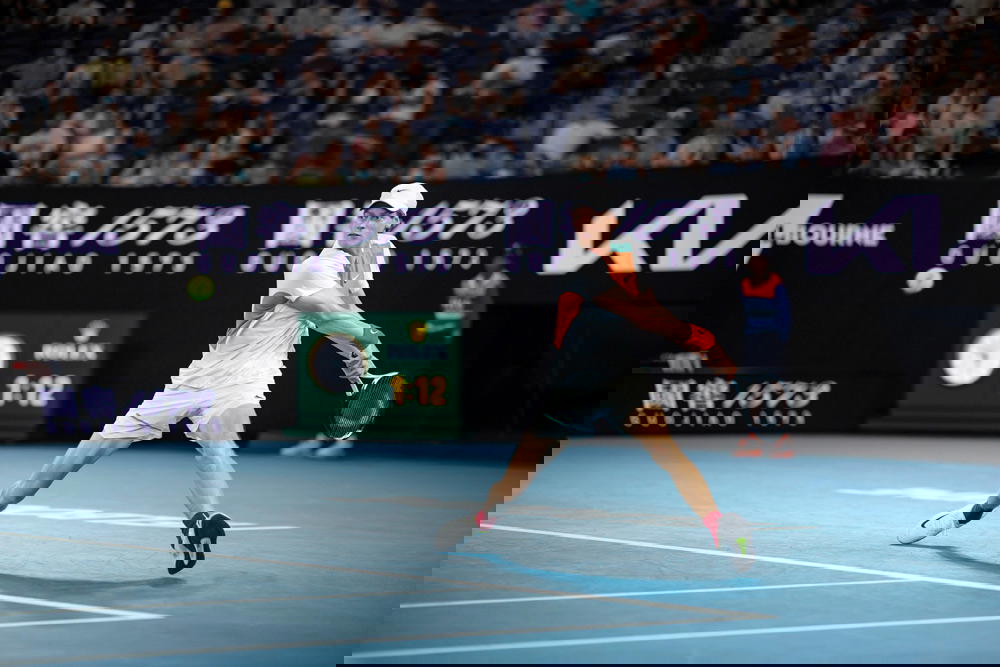
With its powerful expression of the human spirit, tennis is undeniably a perfect showcase for Rolex. The Australian Open, held from the 16 to the 29 last month, kicked off a year of limitless grand possibilities.
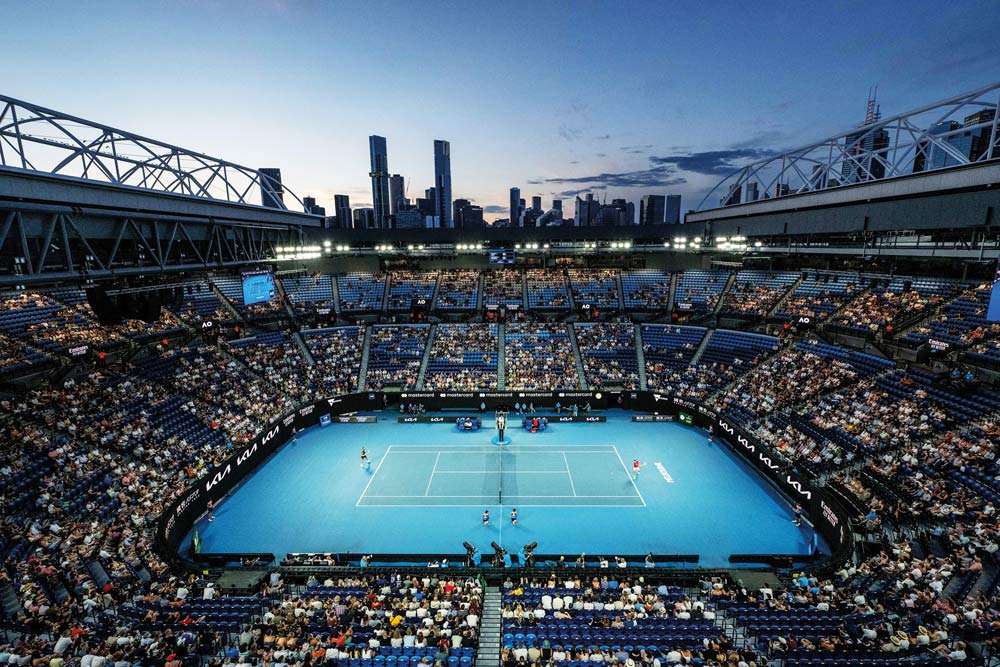
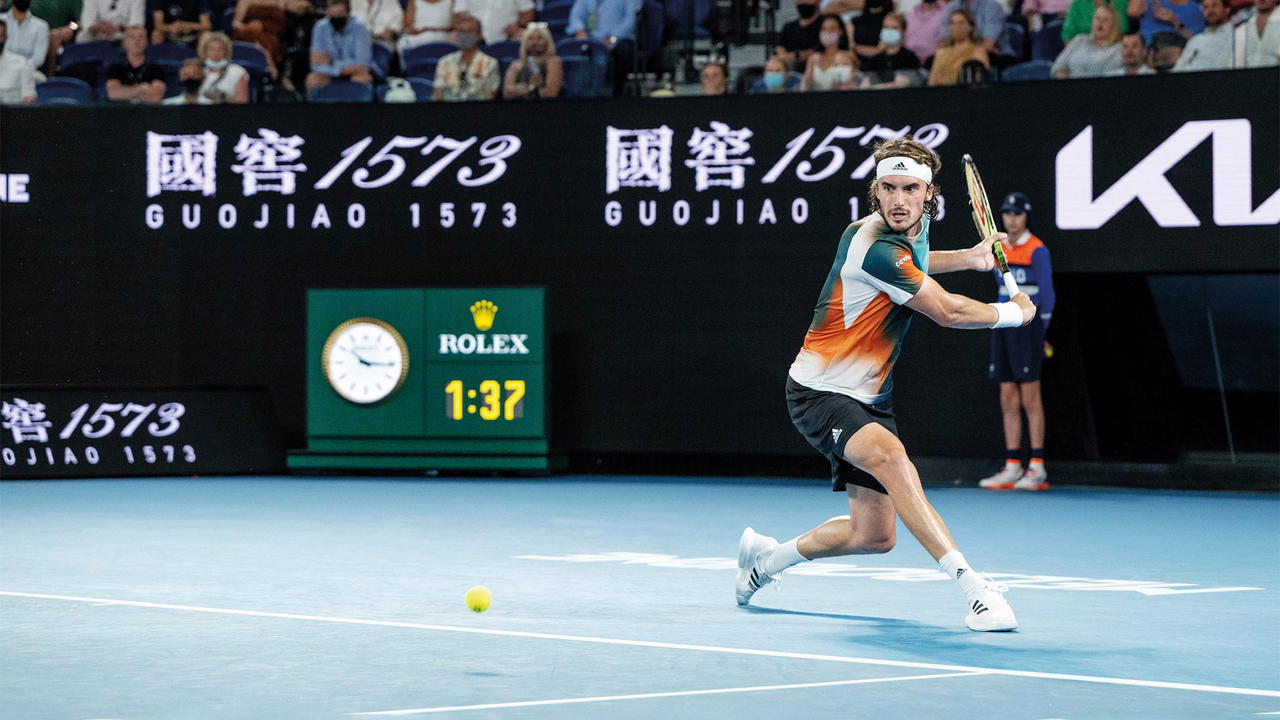
Inaugurated in 1905, the Australian Open originally took place on grass, but in 1988 it moved to Melbourne Park’s hard courts. In addition to being one of the biggest annual sports events in the Southern Hemisphere, it’s where players set the tone for the year ahead as well.
Several Rolex Testimonees have won the Australian Open, including Rod Laver (1960, 1962, 1969), Chris Evert (1982, 1984), Stefan Edberg (1985, 1987), Jim Courier (1992, 1993), and Roger Federer, who won the title an astounding six times (2004, 2006, 2007, 2010, 2017, 2018).
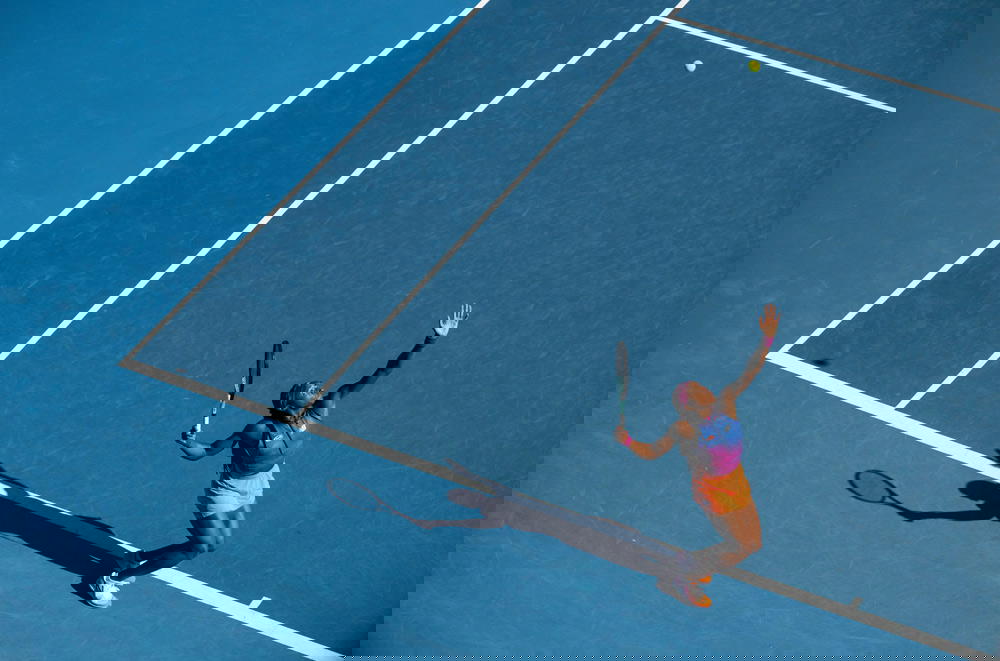
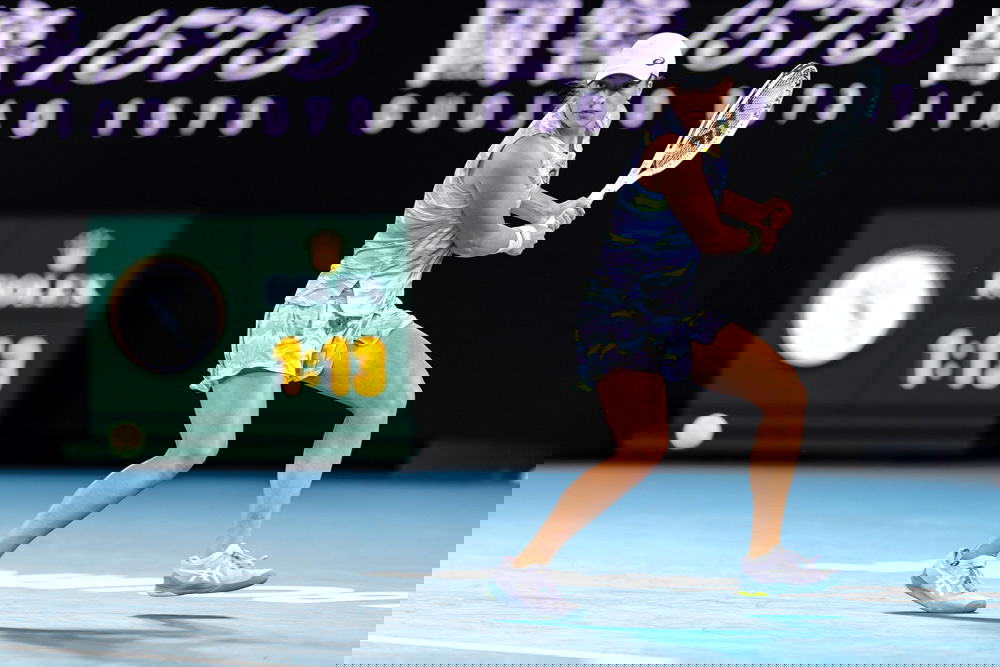
Federer once called the Australian Open the “Happy Slam” because of its playful, festive spirit. This year, Federer’s contemporaries continue to bring plenty of fireworks to Melbourne. Younger talented players also participated in the Grand Slam. The Rolex Testimonees include 21-year-old Women’s Tennis Association (WTA)-ranked world No. 1 singles player Iga Świątek, and 24-year-old ATP-ranked world No. 4 singles player, Stéfanos Tsitsipás.
Świątek’s 2023 season began with her at the top of the WTA rankings and with three Grand Slam titles to her credit: the Roland- Garros in 2020 and 2022, and the US Open in 2022. Besides winning 11 WTA Tour titles, she is also Poland’s first Grand Slam singles champion.
Tsitsipás, who reached the semi-finals of the Australia Open three times, began the 2023 season at his highest ranking, a feat he achieved for the first time in 2021. “Whenever I come here [Australia], I I feel a strong affinity for the people. They provide so much support. In tennis, that helps a lot. People come and support me annually, which is a great thing. It’s called the Happy Slam for a reason,” says the highest-ranked Greek player in history.
Rod Laver, one of tennis’ most influential players, echoed Tsitsipás sentiment, adding: “Melbourne is such a special place for the opening act of the Grand Slam season. It has witnessed some of the greatest contests in the history of our sport, and I consider it a privilege to have been able to play in some of them.”