

It takes a village to raise a child. It also takes a village to see someone through the end of their life. Modern medicine eases pain and manages symptoms, but does not address fears, make decisions, and navigate relationships. It cannot confront unfinished business.
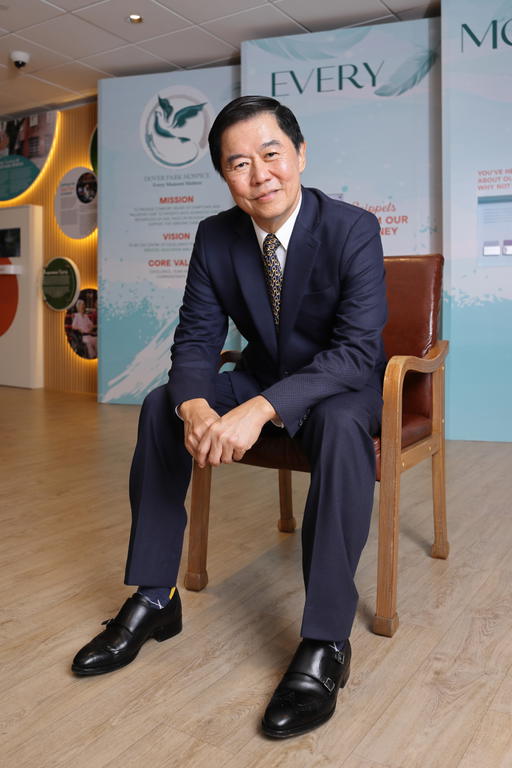
Caring for the dying spans professions, relationships, and roles. As Dr Yee Choon Meng, head and senior consultant at the Division of Palliative Care at the National University Cancer Institute, Singapore (NCIS), notes: “A good death emerges from a compassionate community of relationships that ensures no one has to face the end of life feeling isolated, unsupported or unheard.”
At the heart of it is a simple, deeply personal truth: “Sometimes, the most important question is not what more treatment can we offer, but what matters most to this person right now?”
What hope becomes
Hope doesn’t necessarily disappear when one’s time is almost up. It recalibrates to what remains possible.
“Hope never dies, but the face of hope may change according to life circumstances,” says Dr Noreen Chan, senior consultant at NCIS’ Division of Palliative Care. She adds that when death nears, hope may rest on immediate things like being able to enjoy the sunshine or a loved one’s presence.
Chan describes the broader idea in this way: living well before leaving well. Dying isn’t just waiting for life to end; there are still wishes to fulfil, pleasures to enjoy, and choices to make.
Honouring those priorities can make care decidedly non-medical. Being present, respecting preferences, and creating opportunities for connection can matter as much as managing physical symptoms.
Dignity can reside in something almost prosaic. Yee recalls a terminally ill patient who had lost her dentures four weeks before admission, but whose dignity lay in having a complete set before she died. The palliative care team rushed to replace them and she passed away the day after receiving them, bringing what Yee describes as a “sigh of relief and closure” to her family.
That same principle applies to everyday choices that remain available to someone approaching death: who visits, what music is being played or how daily routines are managed. Small as they are, these decisions preserve something illness can progressively erode: agency. They allow someone the ability to continue having a say in how they live.
The cost of loving
The autonomy of the dying person is however inevitably intertwined with the lives of those around them. Family members often make decisions alongside them while confronting a loss that has already begun.
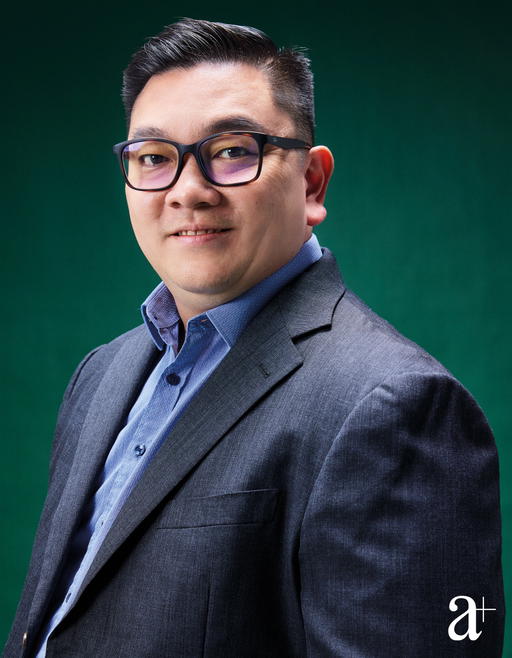
Dr Jonathan Ee, lead clinical psychologist at HCA Hospice, describes this as anticipatory grief. Families may already be grieving the person they knew—their independence, personality, and the future they thought they would have together—before death comes. Guilt often accompanies it as they wonder whether they have done enough or should have noticed something sooner.

“One thing we try to help families understand is that love and exhaustion can exist at the same time,” Ee says. “You can love someone deeply and still feel tired. You can want them to stay with you while wishing their suffering would end. Those feelings don’t mean you love them any less. They mean you’re human.”
Such ambivalence can be difficult to voice. But sometimes, Ee says, what families need is simply a safe space where they can say the things they are afraid to say out loud.
Those emotions bleed into practical decisions. Although home can be a deeply meaningful place to spend one’s final days, Ee cautions against treating it as the ideal for everyone. Some families may find the demands of caregiving overwhelming while some patients may feel safer knowing professional help is nearby.
In Ee’s view, the question isn’t just about where someone should die, but what matters for the people living through it as well. “It isn’t about asking where the best place to die is, but what this person and their family needs to feel safe, supported and comfortable.”
The things we don’t say
Those decisions become harder when the conversations that might have informed them never happened.
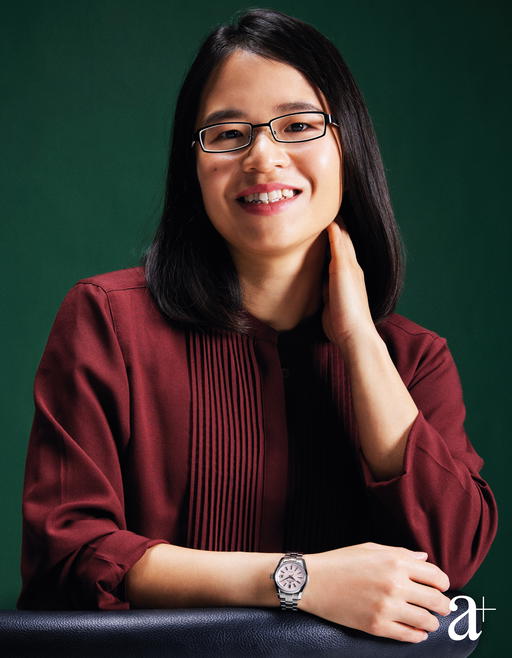
For Tan Ming Li, a death doula and founder of registered charity The Life Review, much of her work happens before the bedside. While sitting vigil with the dying can be part of a doula’s role, The Life Review mostly operates upstream through education and community engagement to enable such conversations before a crisis.
Yee of NCIS sees a place for death doulas precisely because their remit sits outside medical treatment. In his view, they can offer practical guidance, companionship, and emotional support. But he draws a clear boundary around the role: it should complement and not replace healthcare, with doulas working in clearly defined roles and in coordination with healthcare teams.
Conversations about death are difficult because they are often shaped by filial anxiety and a burden instinct, Tan says. Parents fear upsetting their children while children worry that raising the topic may make them seem unfilial. Protection becomes reciprocal avoidance.
It doesn’t help that avoidance can masquerade as preparedness. According to Tan, Singaporeans tend to over-medicalise death through treatments, wills, and LPAs. While the paperwork may be complete, the harder conversation remains untouched.
The difficulty lies in what has never been articulated. When she asks people when they last told someone they loved them, a common response is, “We’re Asians, we don’t say these things”. Affection is instead expressed through actions like going home for dinner or taking the family on holiday.
“It is love and it is real, but it is also a translation the dying person may never understand.”
Tan Ming Li on the importance of being explicit with our feelings
Breaking that silence does not require a grand gesture. “You don’t need one big talk; you need 20 small ones,” she advises. You can do them in the car, over breakfast or on a walk. Mundanity lowers the stakes. Death can enter ordinary conversation without turning into a solemn family summit.
For Cheryl Lee (not her real name), the value of having someone comfortable with death became apparent after her mother’s mild cognitive impairment progressed to vascular dementia, leaving her non-verbal and bedridden. She engaged Tan as a source of support during her mother’s final journey.
“Having someone with us who was not afraid of death, and did not view it as taboo, was incredibly reassuring,” Lee says. “For me, it helped bridge the journey between actively trying to cure or help and accepting the inevitable end. With acceptance, there was peace, which I think my mum felt.”
This is why much of Tan’s work goes beyond the bedside. “Our work sits weeks, months or sometimes years earlier, while families still have time to say what they mean out loud. By doing that well, fewer families arrive at the last breath with everything still unspoken.”
Out of sight
Death may be universal, but dying has grown less visible. Chan of NCIS highlights a profound shift in how families encounter the end of life. “Two generations ago, people aged and died within their communities and extended families, so younger generations were more aware of ageing, sickness, and dying,” she says. Today, more seniors live as couples without their children or alone with a foreign domestic worker. “Essentially, this stretch of a life journey unfolds out of sight and out of mind for the young.”
What recedes with that distance is not merely familiarity with death as an idea, but also an understanding of death as an event. Chan notes that even young healthcare practitioners may encounter serious illness episodically—only when the patient arrives at the hospital—rather than witnessing the longer arc of decline. “They may not appreciate the longitudinal aspect, and so may not recognise when someone is deteriorating or at risk of dying.”
Recognition is important because it determines when the possibilities of end-of- life care come into view. “If you do not know that death is near, you’d continue doing the same things as before, right?” Chan says. There may still be time to honour the wants aplussingapore.com of the dying when the trajectory is clear, including the wish to die at home.
Families already considering that possibility can arrange the needed support. Without conversations or preparations, options can narrow quickly. A person living alone or only with a domestic helper may lack the support needed to die at home. A deeply personal wish can therefore hinge on whether those around them are ready and able to make it possible.
Preparedness is not simply about making plans for one’s own death. It is fluency in recognising when death is approaching, being able to talk about it, and knowing how to respond before choices disappear. Chan puts it plainly: “It is not a matter of if but when and how we will die, and how we will live from today until the last day.”
For a super-aged Singapore, the bigger challenge may not be making death less inevitable, but making ourselves less estranged from it. We die as individuals, but how well we die depends on the community around us. It takes a village.