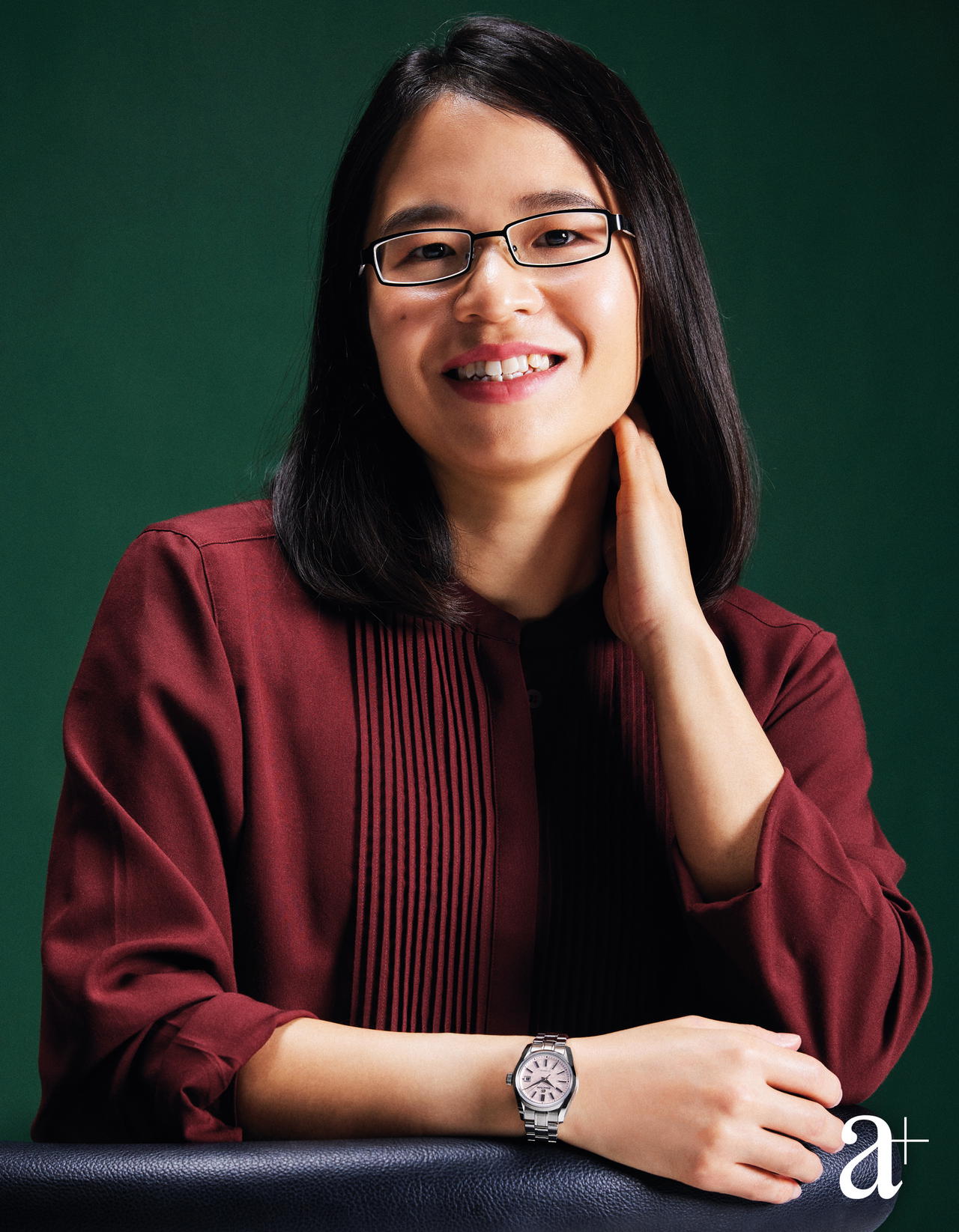
Our cells contain instructions on how to keep our bodies functioning. The DNA encodes these messages which are relayed by ribonucleic acid (RNA) and proteins to different cells. If an error in DNA is left uncorrected, the instructions can go haywire and cause the cells to behave abnormally. This is how genetic diseases like inherited blindness manifest, synthetic biologist Dr Beverly Mok explains.
The senior scientist at the Molecular Engineering Laboratory at A*Star specialises in protein engineering and genome editing. She also has an interest in developing cell and gene therapy technologies that enable precise manipulation of the genome and transcriptome (all the gene readouts within the cell).
To address these errors, she finds ways to engineer either the DNA or its messengers, like the RNA and proteins. These processes have been successfully deployed to create revolutionary treatments, such as when treating certain forms of retinitis pigmentosa, a genetic condition characterised by progressive vision loss.
Synthetic biology is meaningful work because it enables natural phenomena to be translated into useful products, Mok says. This includes producing insulin in large quantities or creating smart insulin that responds to the changing glucose levels in the human body.
While pursuing her PhD in chemistry and chemical biology at Harvard, she developed the first mitochondrial base editor that introduced single-nucleotide changes into the human mitochondrial genome.
If the penny doesn’t drop, she has a simple analogy: “Just like how marathon runners fuel themselves with energy gels and fluids, the cell also contains a reservoir of fuel managed by a component known as mitochondria.
“Any errors in the DNA of the mitochondria can cause drastic energy and metabolic imbalance, resulting in diseases that can affect multiple organs like the brain, muscles, heart, and ears. Like runners, they risk collapsing from exhaustion.”
Essentially, her graduate work allows researchers to better study the effect of these errors on human health and potentially develop drugs that combat mitochondria-related disease.
Last year, Mok received a L’Oréal- Unesco For Women in Science Award in recognition of her efforts to advance RNAbased therapeutic strategies for inherited retinal diseases (IRDs) and other rare genetic disorders. In general, IRDs affect approximately one in 4,000 people and there is currently no approved cure.
“My work hopes to find and develop safe, effective treatments that aim to intervene early and address these genetic errors before irreversible damage occurs, with the goal of preserving vision for as long as possible.”
Dr Beverly Mok on moving the needle
Although IRDs were once managed only through rehabilitative measures—such as visual aids to help patients adapt to vision loss—advances in regenerative and nucleic acid-based therapies are shifting the field towards curative possibilities. Vision restoration, or at least the prevention of further deterioration, may soon be within reach.
Mok advocates for scientific work that follows a rigorous, methodical framework grounded in strong fundamentals, believing this to be essential for delivering meaningful outcomes for human health. She is optimistic about new therapeutic platforms, particularly since strong support from the government and industry has enabled continued research and development.
“Singapore’s ophthalmology research field is growing robustly. In an era of big data sets, which can contain valuable biological insights, I hope everyone, at any stage of their careers, can find opportunities and support to learn critical informatics skills.”
Her advice for aspiring scientists is to keep bouncing back. “Those failures are often highly informative, and the ability to learn from them and persevere is how progress is made towards that one percent of success.”
Photography Mun Kong
Art direction Ed Harland
Hair Jimmy Yap using Goldwell
Makeup Rina Sim using Armani Beauty
Grooming for Wang Yan Sophia Soh/The Suburbs Studio using Chanel Beauty & Kevin Murphy
Photography assistant Hizuan Zailani