
Water cremation consumes up to 90 percent less energy than flame cremation. Otherwise known as aquamation, its radical reduction in fossil fuel use translates to a proportionately large slash in carbon dioxide emissions.
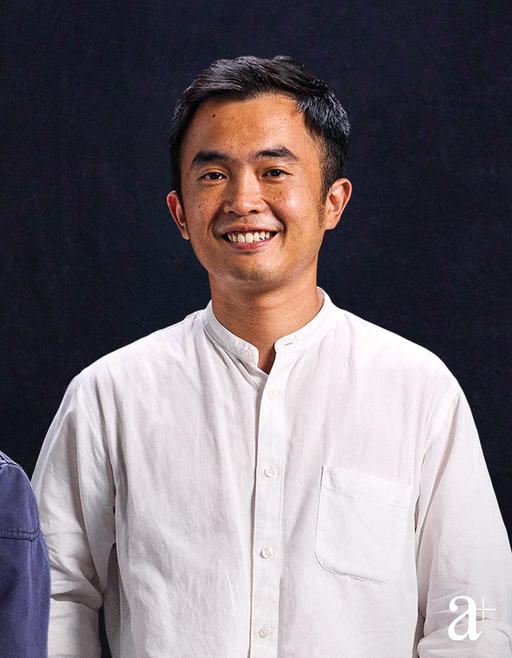
A desire to facilitate positive impact made Yang Loo explore opportunities in the field. It took him three years to acquire the relevant permits and secure a space at Toh Guan Centre before he could open the doors to The Green Mortician, the only pet cremation service in Singapore that offers aquamation.
Because of the dearth of local avenues for apprenticeship here, he picked up the necessary skills through rigorous trial and error to refine his methods. As it stands, factors like water quality greatly influence the result. He was also determined to find a way to yield more ash and bone remains for the benefit of small pet owners.
To limit assumptions, Loo declines to disclose how many cremations The Green Mortician has performed since launching two years ago. “We want to avoid any misinterpretation, oversimplification, and over- or under-speculation of our work and industry,” he explains. A good gauge of the company’s efforts and ethics, he believes, is the 400-plus five-star reviews it has accumulated since its launch.
But he is open about the hurdles he must overcome. His primary ongoing challenge involves managing operations around the clock while maintaining the emotional resilience needed in deathcare. This is in addition to the typical demands of running a startup, such as double-hatting, working with limited resources, and managing cash flow.
Aquamation generally costs more than flame-based cremation, but Loo describes drawing a parallel between them as comparing apples to oranges. Water cremation is an entirely different process that entails more time and steps, he asserts.
“Aquamation can only be carried out once every 24 hours. In contrast, traditional flame-based incinerators can handle multiple cremations or carcasses every two hours.”
Yang Loo on a key difference between the practices
Then there are the costs that he currently has to pass on to its customers. The water produced from The Green Mortician’s operations is ‘taxed’ because it is treated at a licensed treatment facility outside of Singapore. Traditional incineration doesn’t incur any additional costs for smoke emissions.
In light of this, The Green Mortician is working on closing the green loop in its processes and is in talks with local research teams about repurposing the effluent it produces, which will help lower costs. Aquamation not only reduces carbon footprint, but it also contributes to zero-waste approaches as water can be repurposed as fertiliser or a compost additive.
These upsides are in addition to low water usage. Loo illustrates: “Our system consumes 600 to 900 litres of water a day, which is comparable to the daily consumption of five Singaporean households. This is also the equivalent of the volume in a 1.8-m fish tank, where much of the water is sometimes changed daily.”
His plan for this year is to focus on educational outreach for pet owners of elderly or terminally ill pets. Upcoming initiatives include seminars on financial planning for veterinary care, grief management, and palliative care navigation in collaboration with veterinary experts.
He is also working on in-person guidance on end-of-life preparation and the available options in Singapore. Using these resources, owners can make informed decisions and ensure the best care for their pets.
It may be laborious work, but Loo is just glad to have an alternative. “Ultimately, end-of-life care is deeply personal and there is no right or wrong way. Our aquamation services provide an additional option for communities in Singapore to choose from, and people like options.”
Photography Mun Kong
Art direction Ed Harland
Hair Crystal Loh using Goldwell
Makeup Sarah Tan using Shu Uemura