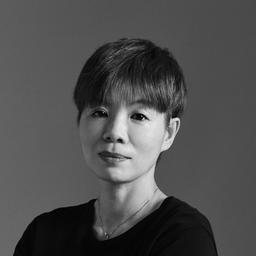

If Vorravit Siripark could go back in time, he would advise his younger self to “trust the quiet path”. The former management consultant who founded Pañpuri in 2003, best known for its fragrances, skincare and bath and body products, explains, “There will always be pressure to grow faster, to follow trends, to make the brand louder.”
Tapping into holistic Thai healing rituals, Pañpuri offers gentle formulations built around natural ingredients, such as jasmine, lemongrass, and turmeric, to help restore physical, mental, and spiritual harmony. Its products go beyond efficacy to ensure safety as well, with ingredients carefully screened against its proprietary ZeroList standard.
Siripark hasn’t done too badly. Pañpuri generated sales of 1.1 billion Thai baht (S$40.7 million) in 2024, and was acquired by Japanese beauty conglomerate Kosé, which also owns Decorté and Tarte. Revenue reached THB 521 million in the first half of 2025, up six percent from 2024.
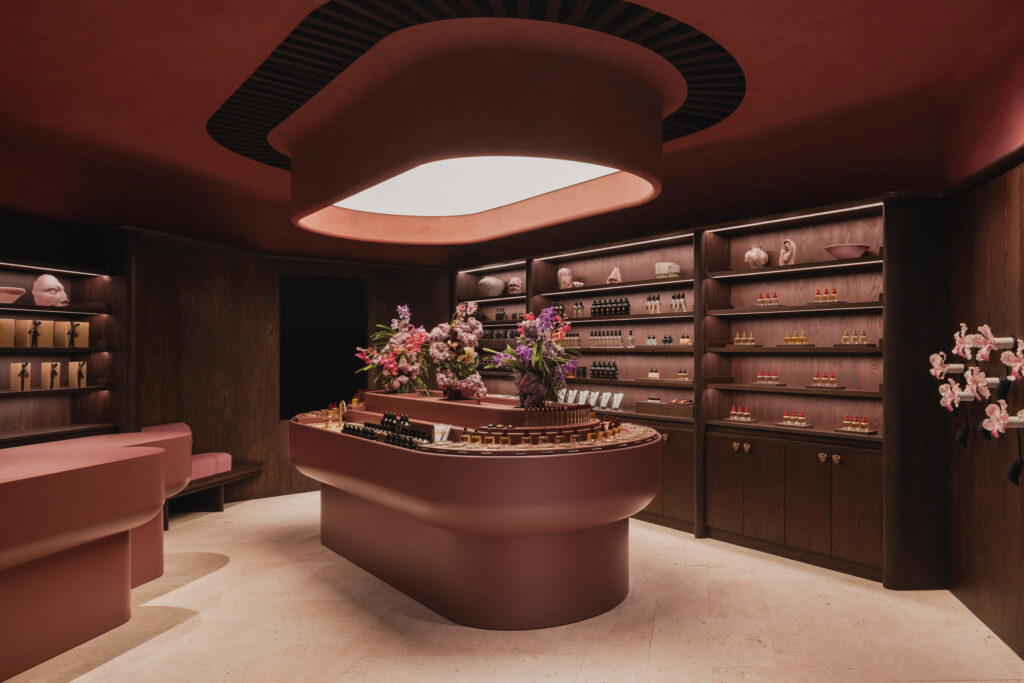
Siripark was in Singapore last November to open Pañpuri’s first boutique here. Outside Thailand, where there are 31 standalone stores, the brand is available here, Hong Kong, and Japan. The expansion process has been kept deliberate. As he puts it, luxury is a relationship, not a product. When people encounter your world, what matters most is how they feel. By staying true to that feeling, “the brand will grow honestly and sustainably.”
What do you want people to understand and appreciate about Thai culture through Pañpuri?
I hope they sense something deeper than just beautiful objects or scents. To me, Thai culture is about warmth, generosity, emotional sensitivity, and the quiet power of everyday rituals. It values balance, hospitality, and small, intentional gestures. We incorporate that into Pañpuri in many ways: with our approach to fragrances as a well-being ritual rather than a fashion statement, with our design that is calm, tactile, and inviting, and with our commitment to purity.
What was the greatest challenge at Pañpuri in balancing authenticity and innovation, and how did this impact your journey?
Being completely honest with ourselves about where we come from, without freezing our heritage in time. Authenticity for us is not about repeating old forms; it is about carrying forward the philosophy behind them: balance, mindfulness, and respect for the body and the earth, while using today’s tools and technology.
On one side are Thai wellness traditions and Eastern wisdom. On the other are modern standards like ZeroList, which screens out over 7,200 questionable ingredients, as well as a contemporary design language appropriate for cities like Singapore. Keeping both sides together required discipline: not taking shortcuts, growing slowly, and constantly considering whether each decision reflected the brand’s soul.
The experience has shaped everything I have done since then. I have learnt that innovation is not about abandoning tradition; rather, it is about translating it honestly and clearly. Getting that balance right allows a brand to feel deeply rooted while still looking forward quietly.
Luxury takes time to develop. How do you continue to redefine it in a world racing to keep up with social media and artificial intelligence?
True luxury has never been about speed or spectacle for me. It’s about presence, those small moments when the senses soften and the mind clears. Rather than rewarding constant output, our role is the reverse: to protect depth and stillness.
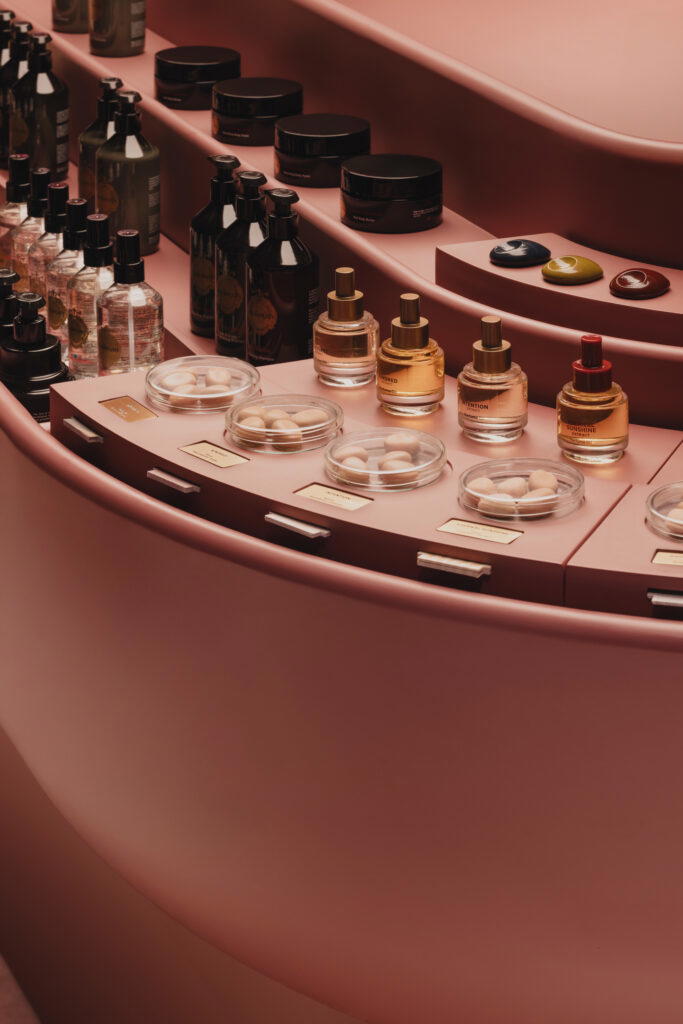
We try to redefine luxury by slowing down the process at every stage. A scent may begin from an emotion or memory and take years to refine. A boutique concept is designed to make people feel good in its space, not just look good in a photograph. Even when we communicate in a fast-paced environment shaped by social media and AI, we ask the same question: does this evoke something human and sincere?
Although technology can be useful, it will never replace the time it takes to create a fragrance that resonates with someone. It will never replace a ritual that becomes part of their day-to-day routine. For us, “luxury takes time” is not a slogan, it is a responsibility.
Do you have a favourite Pañpuri scent?
I don’t have one permanent favourite, but there are those I return to again and again. Sacred Santal is very close to my heart. It has a warm, woody character with sandalwood, orris, and vetiver that feels meditative and grounding; it captures the soulful, contemplative side of the brand.
Another I love is Andaman Sails. Its fresh notes of bergamot, green tea, and sandalwood work beautifully in tropical climates and are uplifting for daily use. In my opinion, these fragrances convey the qualities I look for in scents: storytelling, creating an atmosphere, and staying close to the skin in a very intimate way.
Does Pañpuri let you name every scent? Which was the most difficult to name?
Yes, I name all the fragrances; it is a part of the creative process that I hold very close to my heart. A scent’s name carries the emotional weight of the scent, so it is often one of the most delicate stages of creation. It becomes the first gateway into its story and its feeling. The words you choose should feel timeless, they should guide the imagination without describing too much.
There are some names that reveal themselves almost instantly. Sacred Santal and Andaman Sails emerged naturally because their landscapes and emotions were clear from the start. However, there are some fragrances that take time to develop, especially those with a softer, more contemplative mood.
The most challenging for me was Cloudwalker. The scent is musky, airy, and veil-like. It surrounds you without being seen. Finding a language that captured the sensation of being held by air, present yet invisible, took a while. Once the name arrived, it was as if the fragrance had finally found its voice.
Lastly, what is your wellness routine like?
It is quite simple, but very intentional. Mornings usually begin with a few minutes of breath work to settle the mind. They are followed by fragrance. Each day, I choose a perfume oil according to my mood and needs, something grounding or uplifting.
Skincare is also a quiet ritual. Pañpuri Inner Glow Illuminating Face Oil is a constant for me; it restores balance to my skin, especially when I’m travelling. I also use Andaman Sails Antioxidant Milk Bath & Body Oil because it is light enough for tropical climates yet nourishing. It is a way to reconnect with my body. At home, I often burn a candle in the evenings. Its scent signals to me that the day is changing shape.
Even though these things are small, they create rhythm and remind me that wellness isn’t an occasional indulgence. It’s part of everyday rituals.